SBI Research warns the rupee is at a critical depreciation threshold, where any further fall could cancel out benefits from the recent Rs 3 per litre petrol and diesel price hike. The report says even an extra Rs 2 depreciation increases the effective crude oil price, raising landed import costs enough to fully offset the relief to Oil Marketing Companies. OMC under-recoveries are soaring to about Rs 1,000 crore per day, and SBI also flags inflation and external risks from crude market pressures.
India’s oil marketing companies got a small cushion as petrol and diesel prices rose by Rs 3 per litre, but analysts say it barely covers the daily bleed caused by volatile, elevated crude costs. Energy analyst Yogesh Patil estimates the move cuts losses by about Rs 141 crore per day, yet under-recoveries will persist unless prices rise another Rs 11 per litre. The government appears to be using gradual hikes to control inflation while protecting retailer finances.
Your news, in seconds
Get the Beige app — every story in 60 words, updated hourly. Free on iOS & Android.
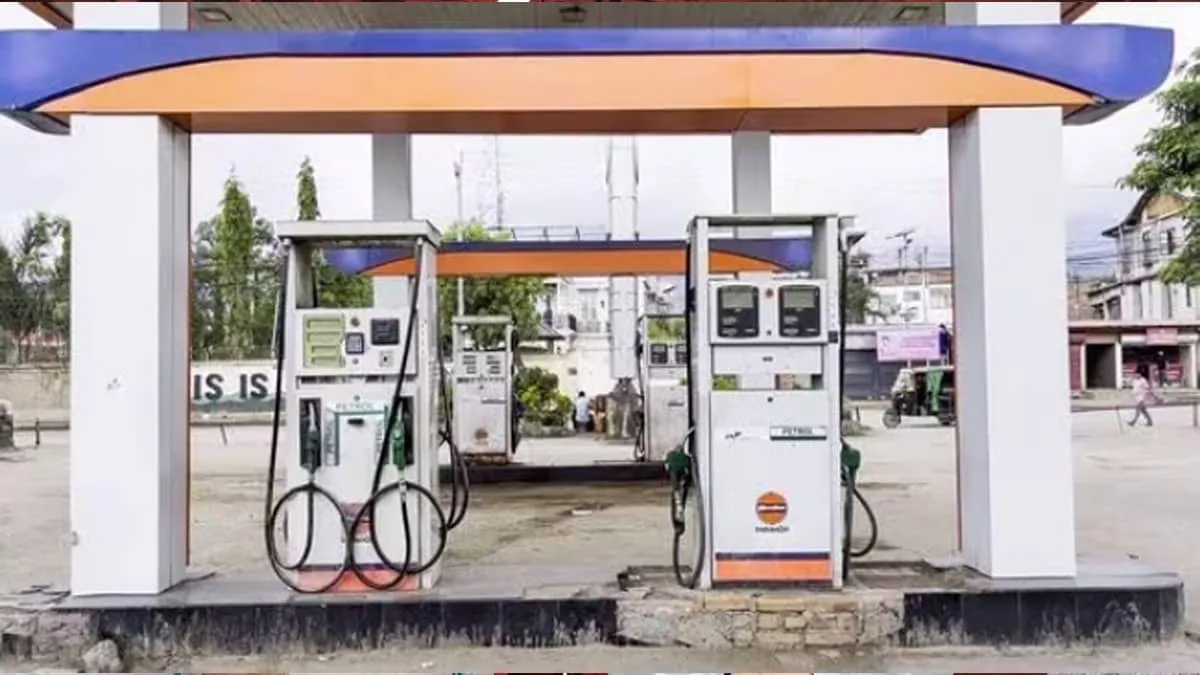
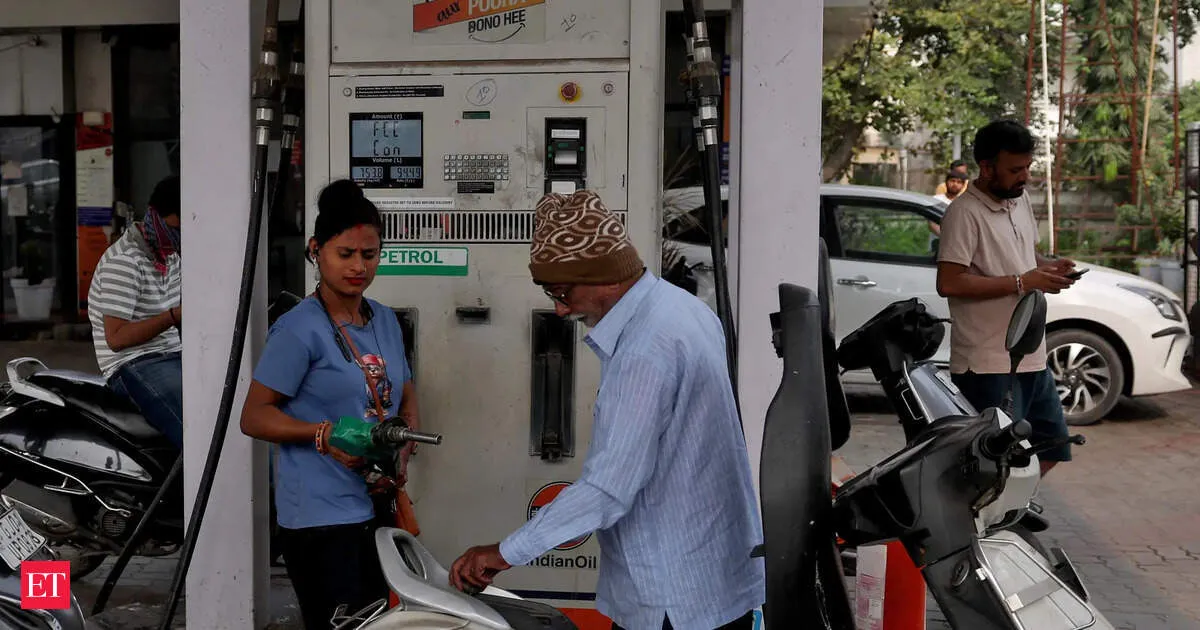
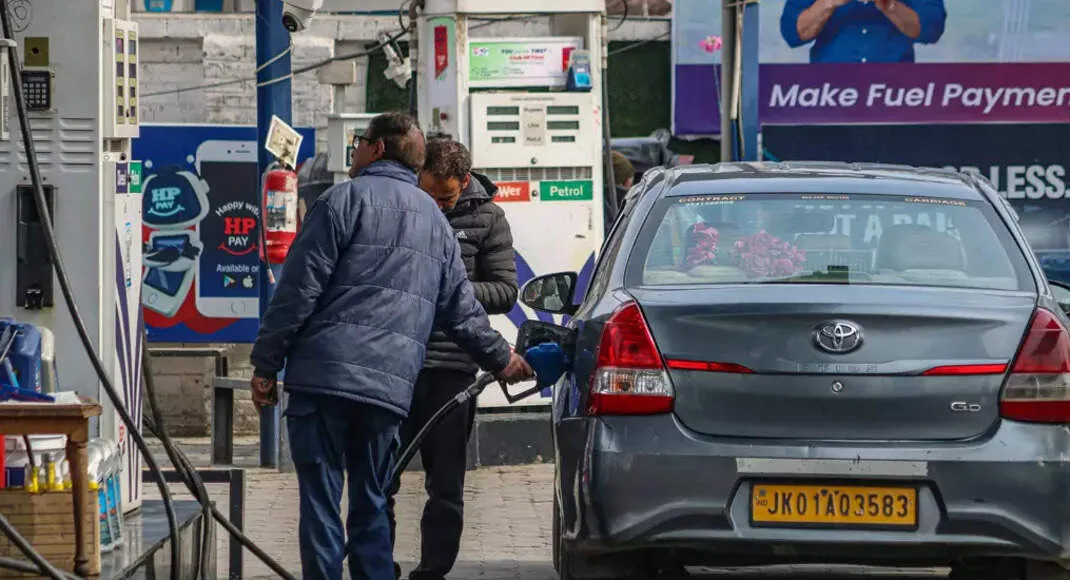
Oil marketing companies like HPCL, BPCL and IOC came under pressure even after the Centre raised petrol and diesel prices by up to Rs 3 per litre from immediate effect. The hike, aimed at easing OMCs that have been absorbing losses from elevated global crude rates, followed prolonged disruptions in the Strait of Hormuz and the wider West Asia energy crisis. Despite the adjustment, shares fell as much as 3% on Friday, while petrol crossed Rs 97 in Delhi and surged higher in Kolkata.
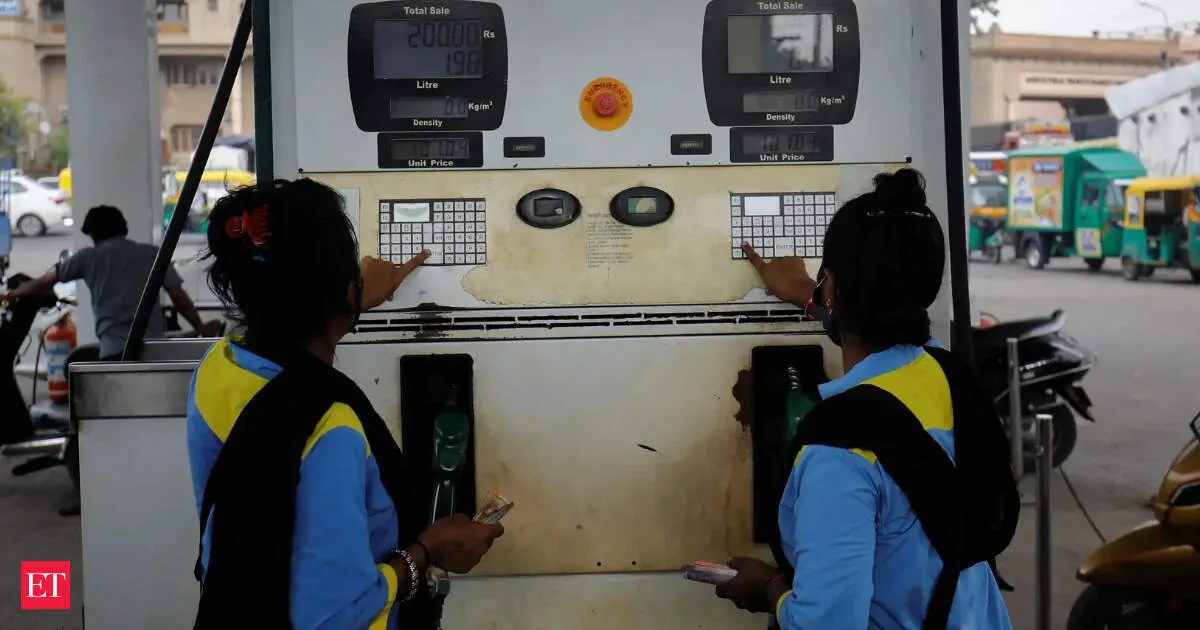
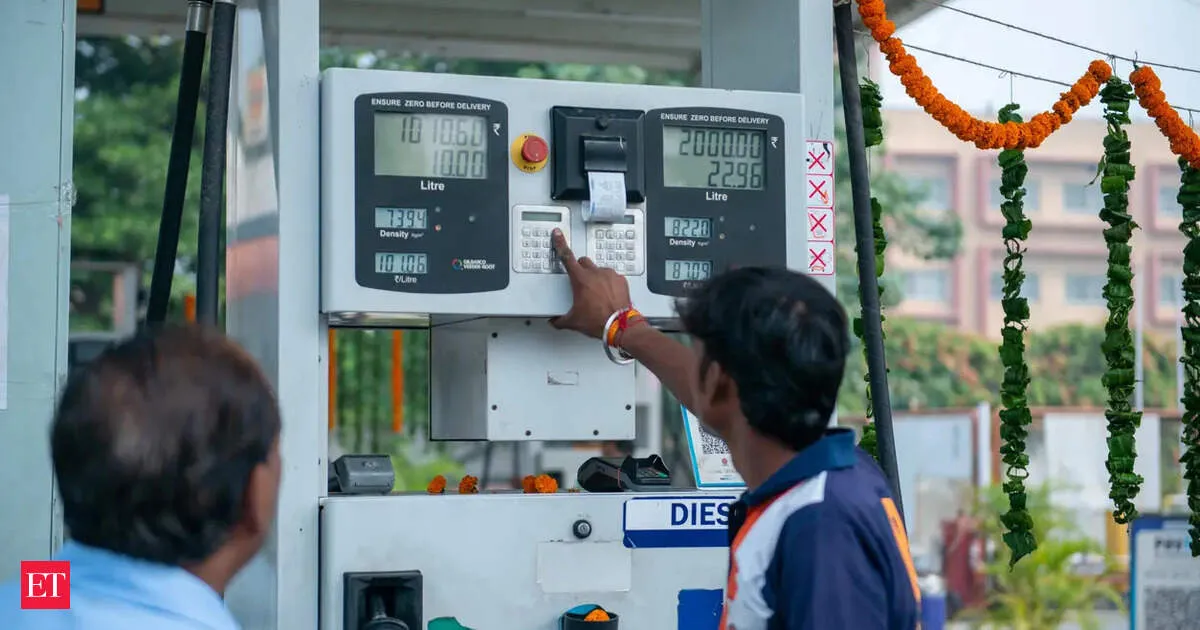
Fuel prices were raised across India from Friday, with petrol and diesel increasing by as much as Rs 3 per litre amid volatile global crude markets. Delhi petrol is now Rs 97.77 and diesel Rs 90.67. Among metros, Kolkata saw the steepest petrol rise, while diesel also climbed in all four cities. The revision follows a sharp jump in wholesale fuel inflation in April. Rising Brent prices tied to Middle East tensions are squeezing oil marketing companies.
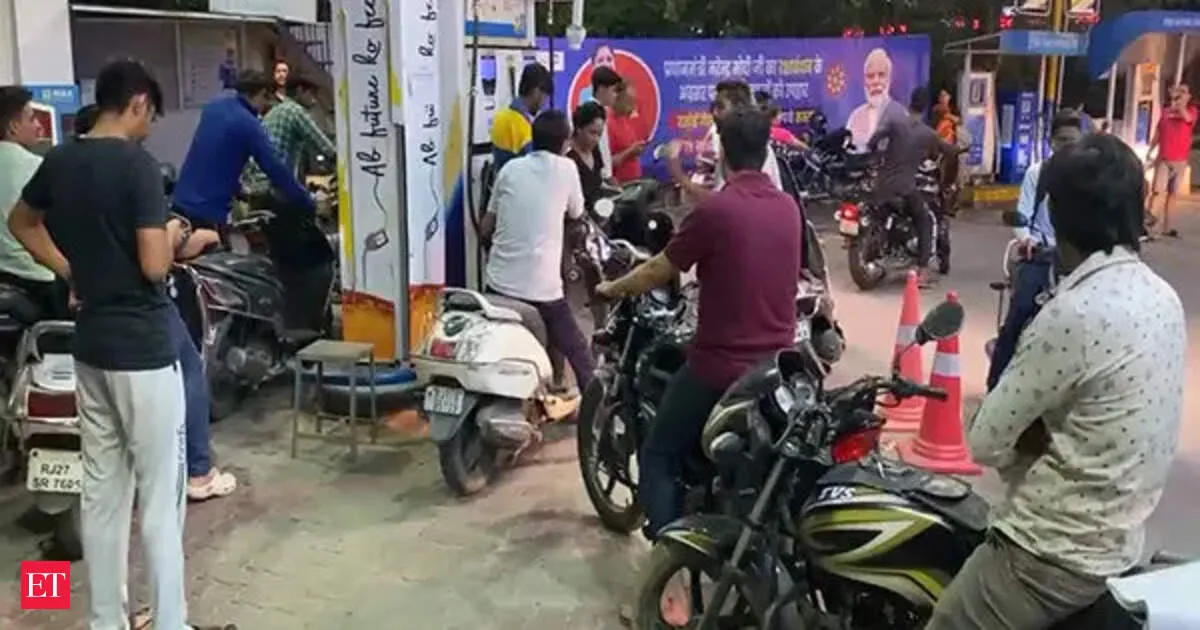
Rajasthan petrol pump dealers have alleged that oil marketing companies (OMCs) are reducing fuel supplies to retail outlets while also imposing informal limits on how much petrol and diesel consumers can buy. The Rajasthan Petroleum Dealers Association claims dealers are being told to restrict sales via mobile messages and verbal instructions. In a representation to oil companies, the association warned the step could trigger disputes at fuel stations and potentially escalate into law and order problems across the state.
State-owned oil marketing companies are bleeding under massive losses to keep petrol, diesel and cooking gas rates far below cost after the Middle East conflict began. Estimates put under-recoveries at Rs 1,600–1,700 crore per day, pushing total losses to well over Rs 1 lakh crore in just 10 weeks. Even with input crude prices up by about 50%, petrol and diesel are still sold at two-year-old rates, forcing financial pressure, possible extra borrowing and potential future price hikes.
Never miss a story
Set alerts for the topics and sources you care about. Download Beige for free.
India’s oil marketing companies are seeing under-recoveries widen as crude supply disruptions persist and global market conditions stay uncertain. Industry veteran MK Surana warns that mounting financial stress could force a shift toward passing some costs to consumers, making a retail fuel price hike increasingly likely to protect fuel retailers from an unsustainable burden.
Even after crude oil prices jumped around 50%, petrol and diesel are still sold at rates last seen about two years ago, leaving fuel firms to absorb the gap. LPG prices were hiked in March by Rs 60 per cylinder, but remain below actual costs. Analysts warn the resulting Q1 fuel losses could erase expected fiscal-year earnings.
Petrol and diesel prices stayed unchanged across India on May 10 despite oil marketing companies racking up losses of around Rs 30,000 crore per month as global crude costs rise. With sources warning that further increases may be on the way in the coming days, commuters may soon see fuel rates move after this brief pause.
Petrol and diesel prices stayed steady across most major Indian cities on Saturday even as global crude oil firmed up amid geopolitical tensions. Oil marketing companies and the government have been absorbing higher costs for over two months to avoid retail hikes, but the cushion is reportedly running thin. Watch Delhi, Mumbai and Gurugram for what comes next week.
Reading on mobile?
Open Beige in the app for a smoother experience — free on iOS and Android.
Petrol and diesel prices may rise by ₹5 to ₹7 per litre nationwide by May 15, sources say. The expected increase follows a global crude oil price uptick and mounting pressure on domestic oil marketing companies to bring retail rates in line with international benchmarks. An LPG price revision could also be considered, adding to household cost concerns.
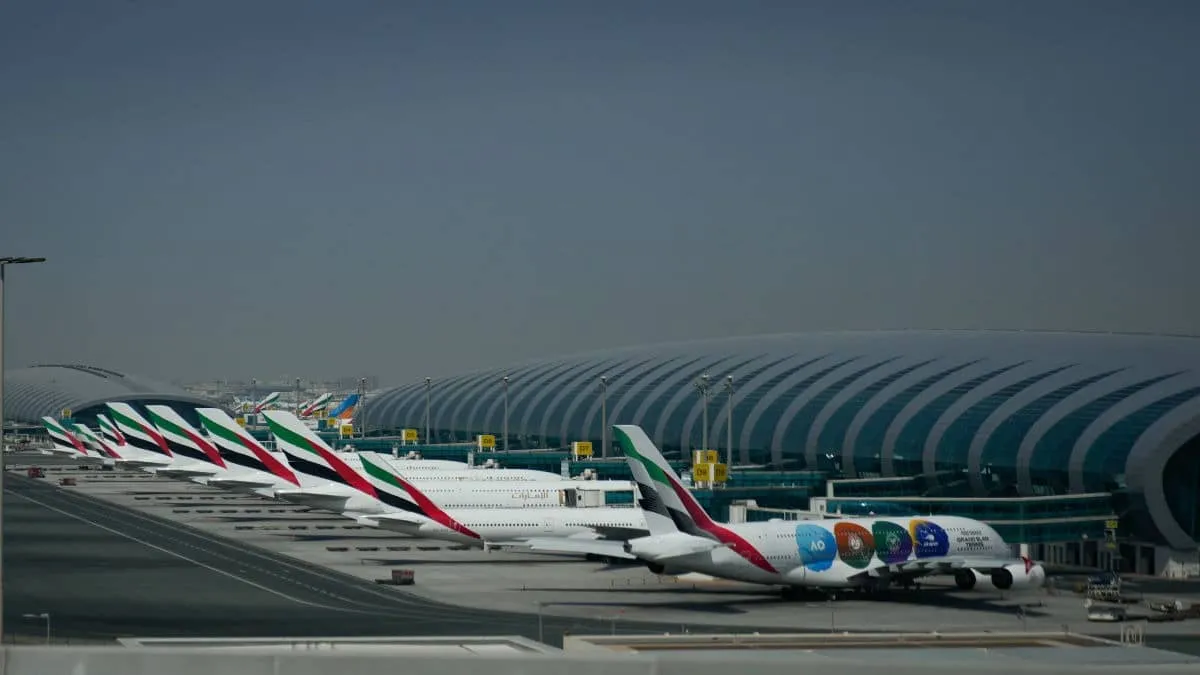
Starting today, state-owned oil marketing companies have increased Aviation Turbine Fuel for international airlines by 5%, marking the second consecutive monthly hike. The revision adds $76.55 per kilolitre, taking the Delhi ATF price to $1,511.86 per kl. Domestic airlines, meanwhile, see prices held stable in the same update.
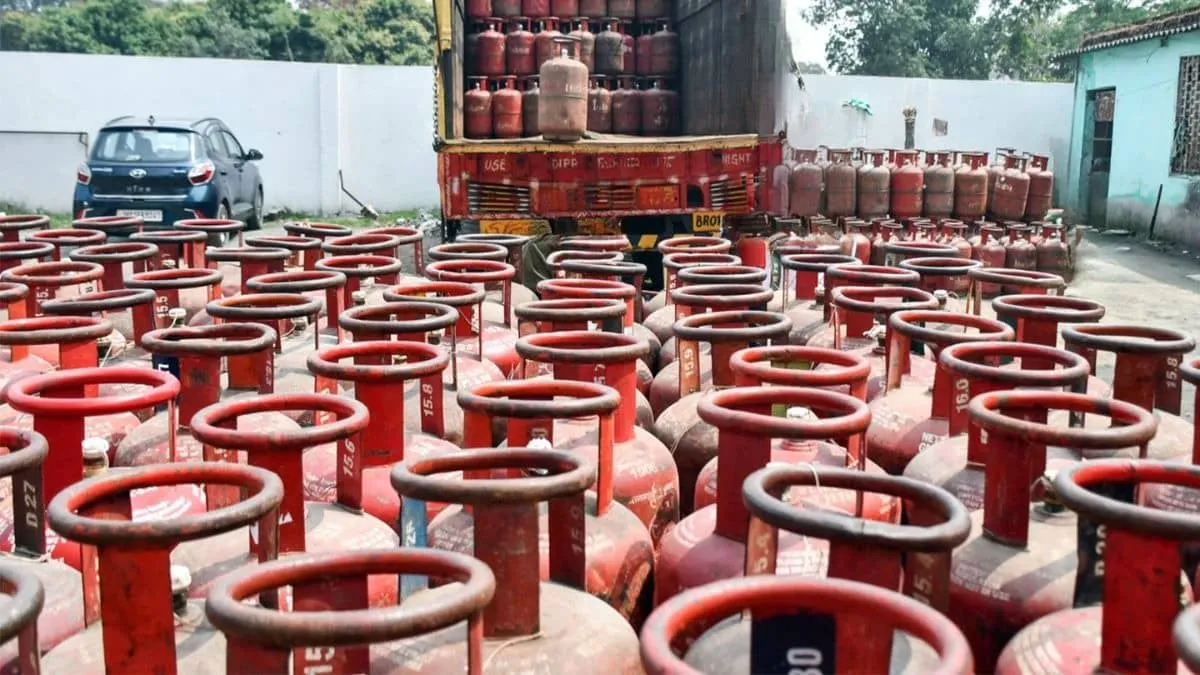
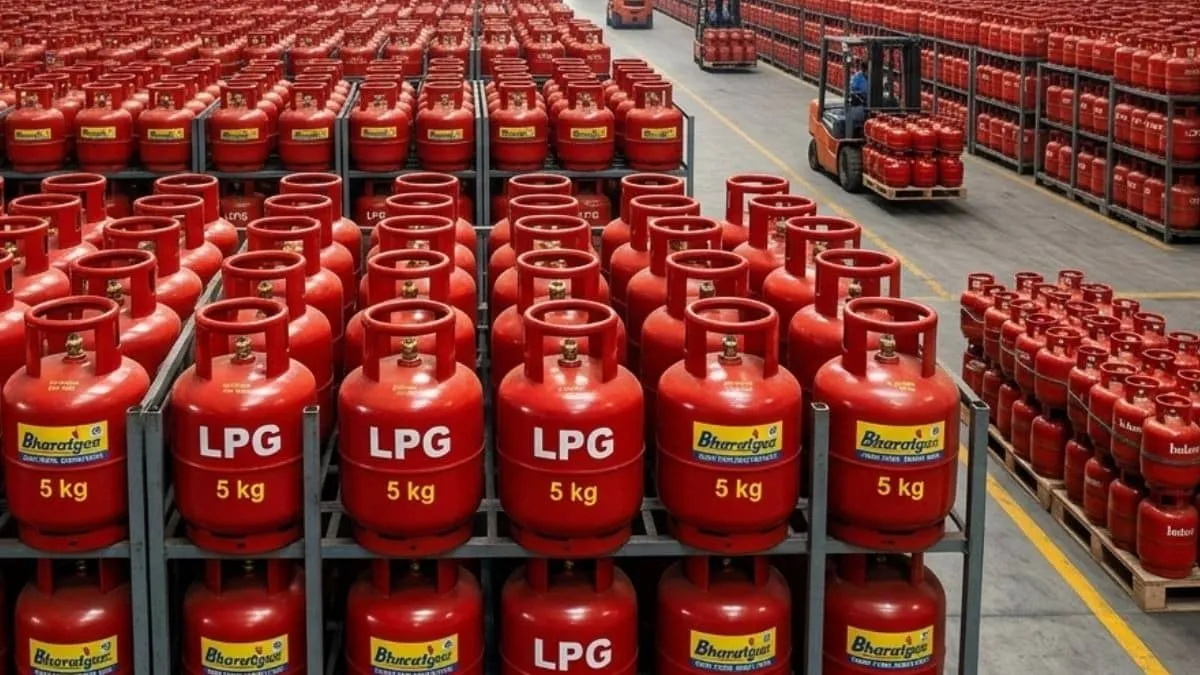
Commercial LPG prices have been increased by ₹993 effective Friday, pushing the Delhi cylinder rate to ₹3,071.50. Petrol, diesel, and domestic LPG prices remain unchanged, leaving household costs steady even as business fuel becomes more expensive. City-wise commercial rates vary, so check your local pricing for the new month impact.
Commercial LPG cylinder prices were revised upwards by Rs 993 in Delhi, effective Friday, pushing the 19 kg cylinder to Rs 3,071.50. The hike will directly raise operating costs for food and hospitality businesses that rely on commercial refills. Domestic LPG prices, however, remain unchanged for households, leaving consumer costs steady for now.
Follow your favourite sources
Track sources, tags and categories — all in the Beige app.
Soaring oil prices are forcing the government to revisit fuel pricing as state-run oil marketing companies grapple with mounting losses. While consumers have enjoyed stable LPG, petrol, diesel and ATF prices so far, the decision on whether to raise rates is still pending after elections. If crude volatility continues, price pressure may soon reach the pump.
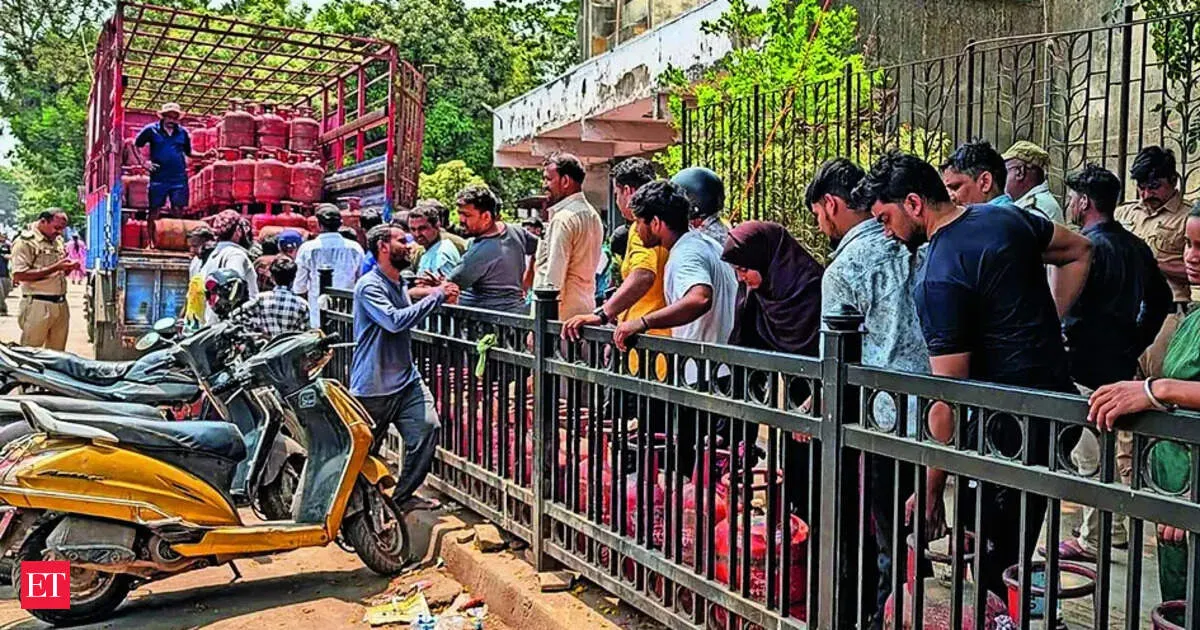
Amid the West Asia crisis, the government has clarified that India has no LPG shortage, saying domestic supply is running at 100%. It added there have been no reported dry-outs nationwide, and online LPG bookings are close to full at around 98%. Oil marketing companies are maintaining uninterrupted delivery, urging people to avoid panic buying and purchase only what they need.
The West Asia war is reshaping diesel demand, cutting bulk sales to oil companies by 30-50% as large customers switch to buying from retail pumps. With retail diesel priced about ₹50 per litre cheaper, the shift is deepening losses for oil marketing companies, though state transport corporations remain exempt from higher bulk pricing. The widening gap is driving even more customers to seek alternatives.
Despite a global crude oil jump fueled by geopolitical tensions and Strait of Hormuz disruptions, diesel retail rates in major Indian cities stayed unchanged on April 27. Still, analysts warn oil marketing companies could push prices higher, potentially by around Rs 10 per litre, to recover losses. City-wise rates remain steady but the next revision may not.
Stay informed on the go
Bite-sized news from 100+ trusted sources, right in your pocket.
Crude oil has fallen to a four-year low, and global rates are down nearly 30% in the last quarter. Oil marketing companies are buying cheaper crude and seeing higher margins, but retail fuel prices haven’t dropped in months. The reason: taxes and duties remain high, shielding consumers from the benefits.
Crude oil prices have been falling and pump rates remain largely steady, but state-run IndianOil’s net profit has still dropped by 67%. The question now is why margins are getting squeezed, with attention turning to the lingering impact of past subsidies and under-recoveries that can distort earnings even when fuel prices don’t move.
Swipe through stories, personalise your feed, and save articles for later — all on the app.