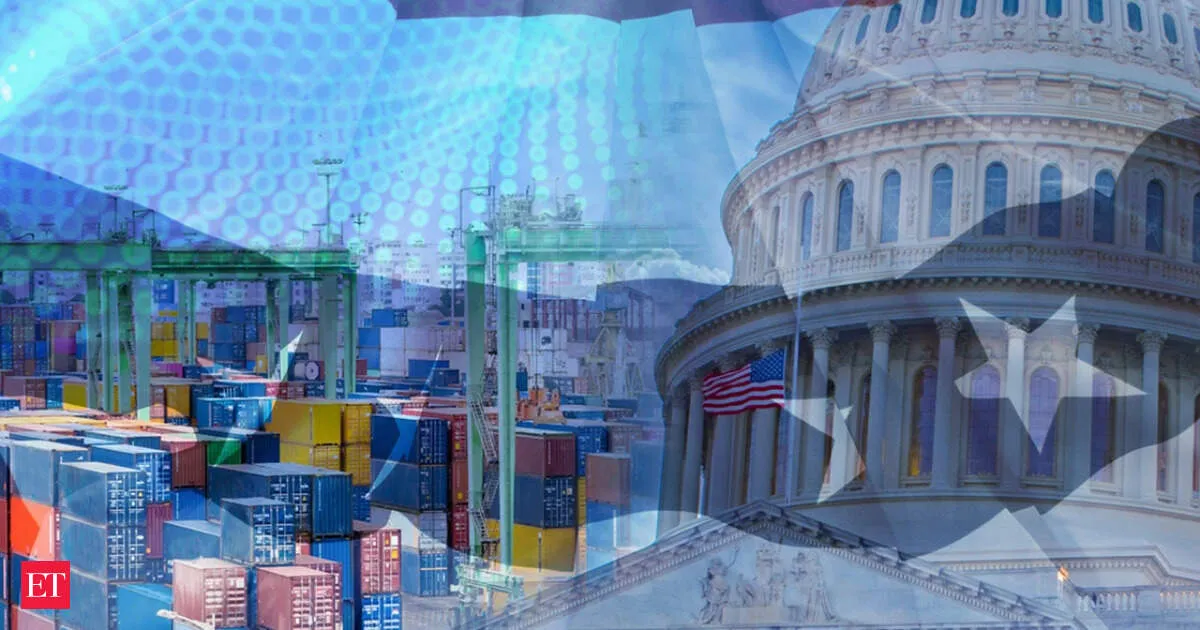
America’s trade deficit edged up in March as imports climbed on the back of fresh AI investments and stronger demand for automotive products. At the same time, US exports of crude oil and petroleum derivatives rose. The shift follows a recent Supreme Court decision tied to tariffs, adding uncertainty to how trade flows could change next.
Ukrainian drones reportedly hit Russia’s Primorsk port, a key oil-export outlet in the northwest region. Regional governor Alexander Drozdenko said over 60 drones were shot down overnight. He added that the resulting fire was extinguished quickly and that there was no oil spill, despite the attack targeting vital port infrastructure.
Your news, in seconds
Get the Beige app — every story in 60 words, updated hourly. Free on iOS & Android.
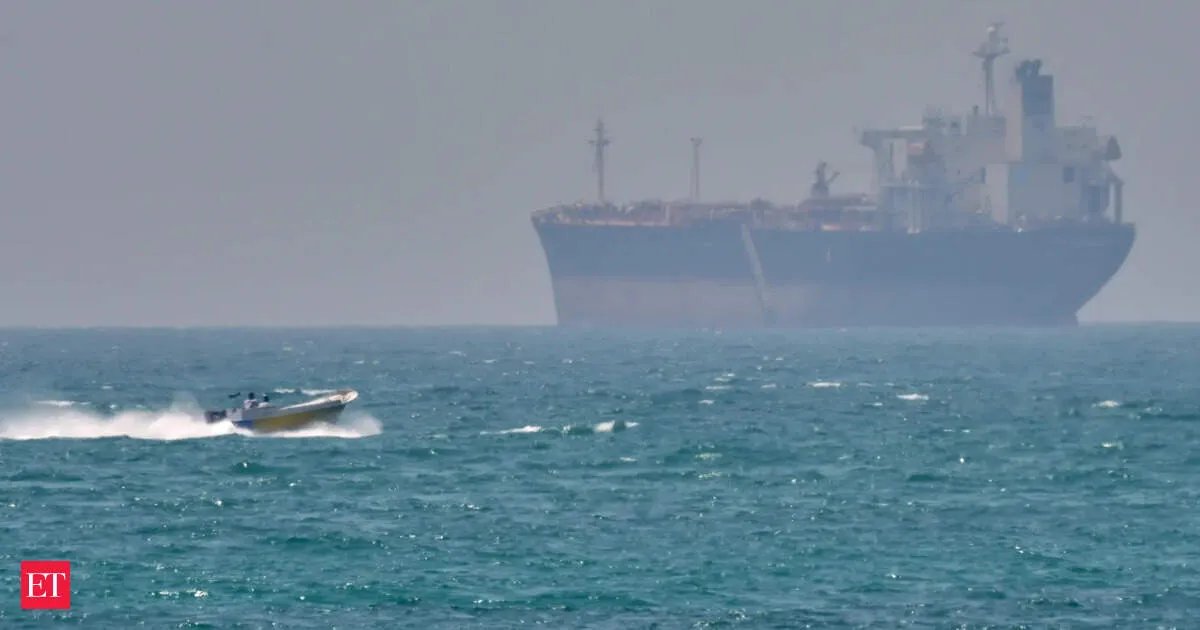
Tightened US naval curbs in the Strait of Hormuz have sharply reduced Iran’s oil exports, leaving the country with shrinking routes and surging inventories. Iran is responding by cutting production in a controlled manner and leaning on floating storage to keep barrels moving, drawing on years of experience managing sanctions and supply disruptions.
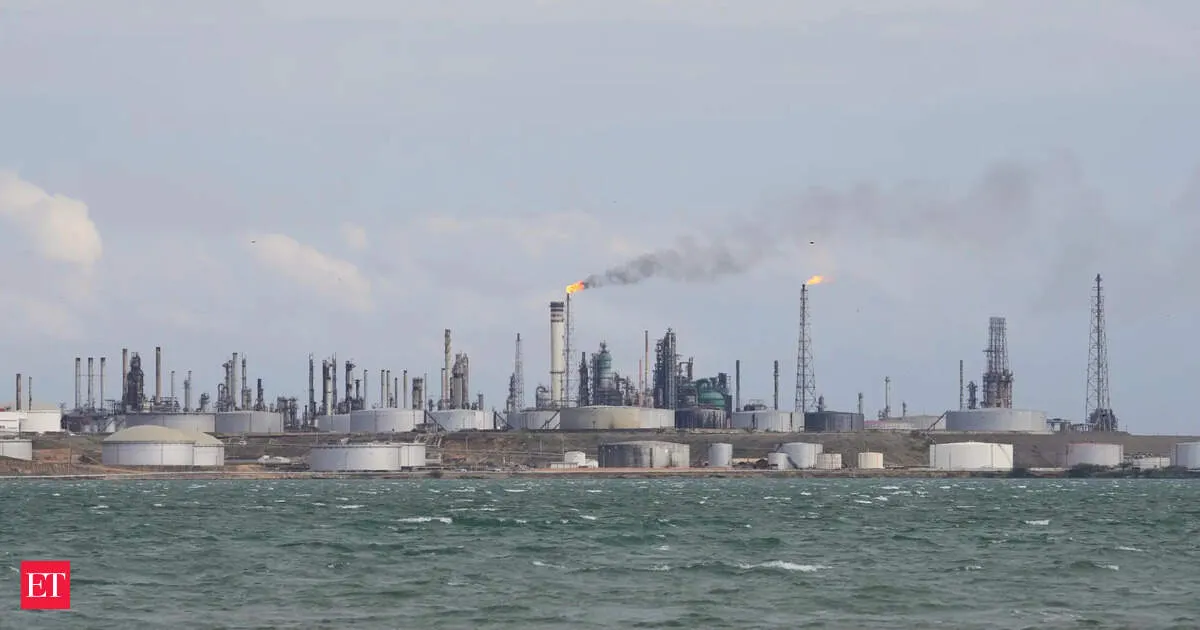
Venezuela’s oil exports jumped 14% in April to 1.23 million barrels per day, the highest level in more than seven years. The rise was driven by stronger sales to the US, India, and Europe after a US–Venezuela supply arrangement and eased sanctions. Output improved and inventories were cleared, lifting shipments across multiple markets.
Iran’s Supreme Leader Mojtaba Khamenei vowed to protect the country’s nuclear and missile programmes, framing U.S. pressure as part of a wider attempt to curb Iran amid an uneasy ceasefire. As a U.S. blockade tightens the squeeze on Iranian oil exports, Tehran keeps the Strait of Hormuz shut, heightening fears of escalation in the Persian Gulf.
Iran’s economy is being hammered by U.S. and Israeli strikes that shut factories, trigger job losses, and drive up prices for essentials. A U.S. blockade is also restricting imports and squeezing oil exports. In response, Iran is threatening the Strait of Hormuz, a crucial energy chokepoint—testing how far self-reliance can stretch as the economic pain worsens.
Never miss a story
Set alerts for the topics and sources you care about. Download Beige for free.
Iranian crude exports kept moving through the Strait of Hormuz, with about 10.7 million barrels recorded as transiting and leaving the US Navy’s blockaded area between April 13 and April 21, according to Vortexa. The shipments involved six crude carriers, underscoring continued export flows despite US efforts to disrupt them.
Swipe through stories, personalise your feed, and save articles for later — all on the app.