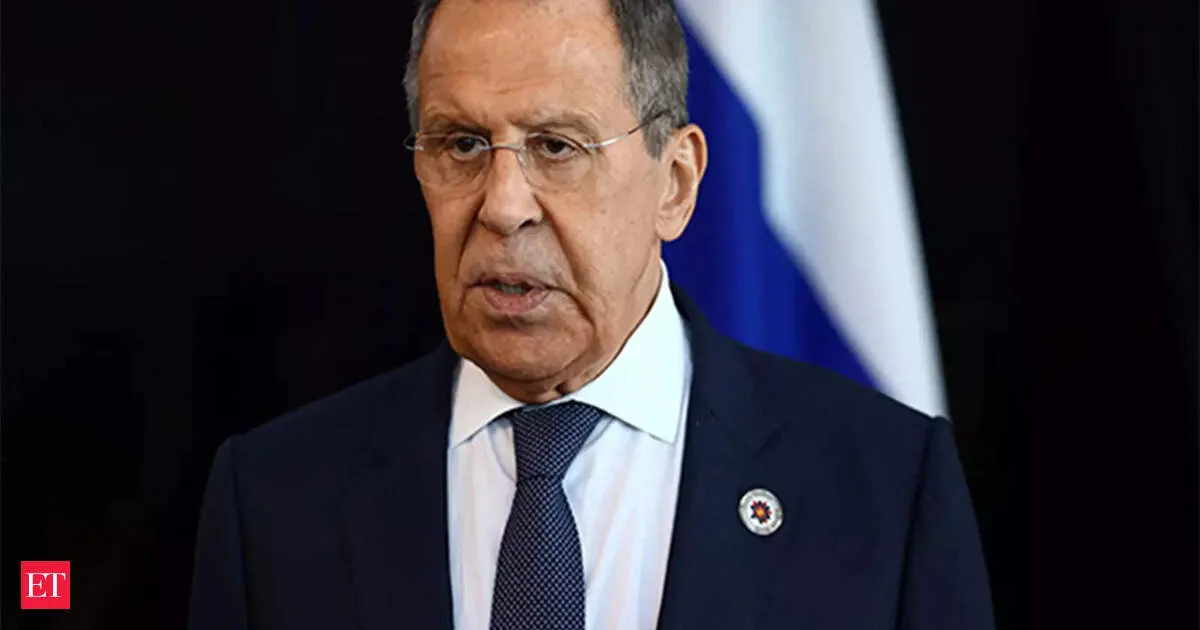
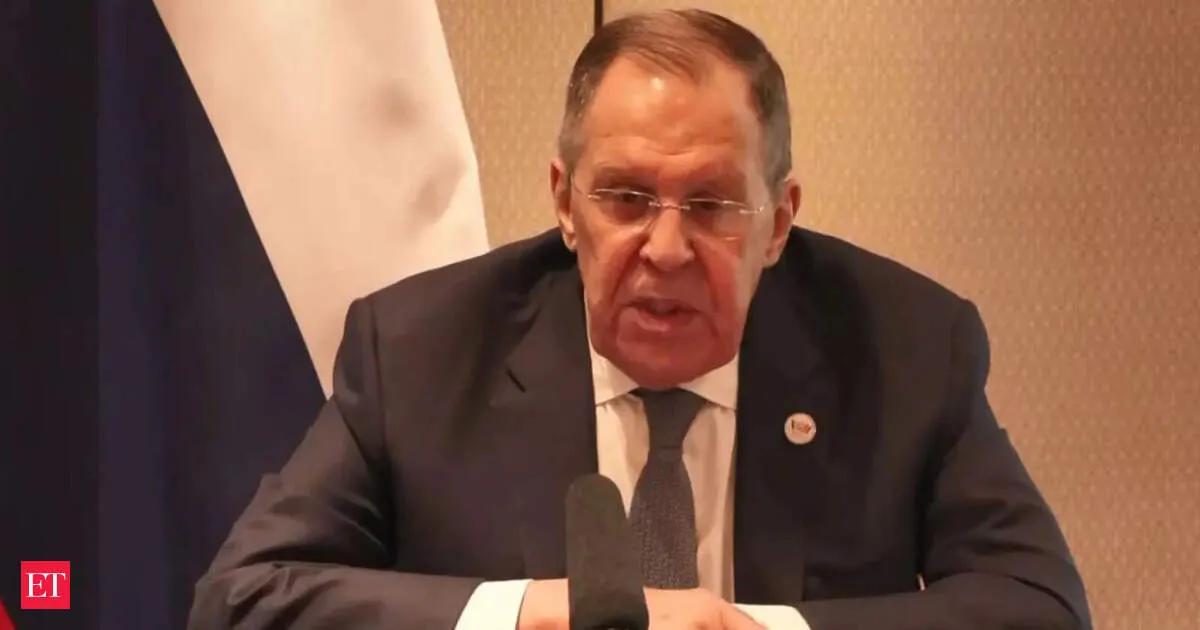
Russian Foreign Minister Sergey Lavrov went viral in Delhi after a repeatedly buzzing phone derailed a press conference and he joked, “If you don’t surrender your phone, they will take out a gun,” prompting laughter. The lighter moment stood out during his stay for talks with PM Narendra Modi and External Affairs Minister S Jaishankar around Ukraine, West Asia, and energy trade. Lavrov also said Russia’s oil shipments to India have increased using openly published trade data ahead of a US waiver expiry.
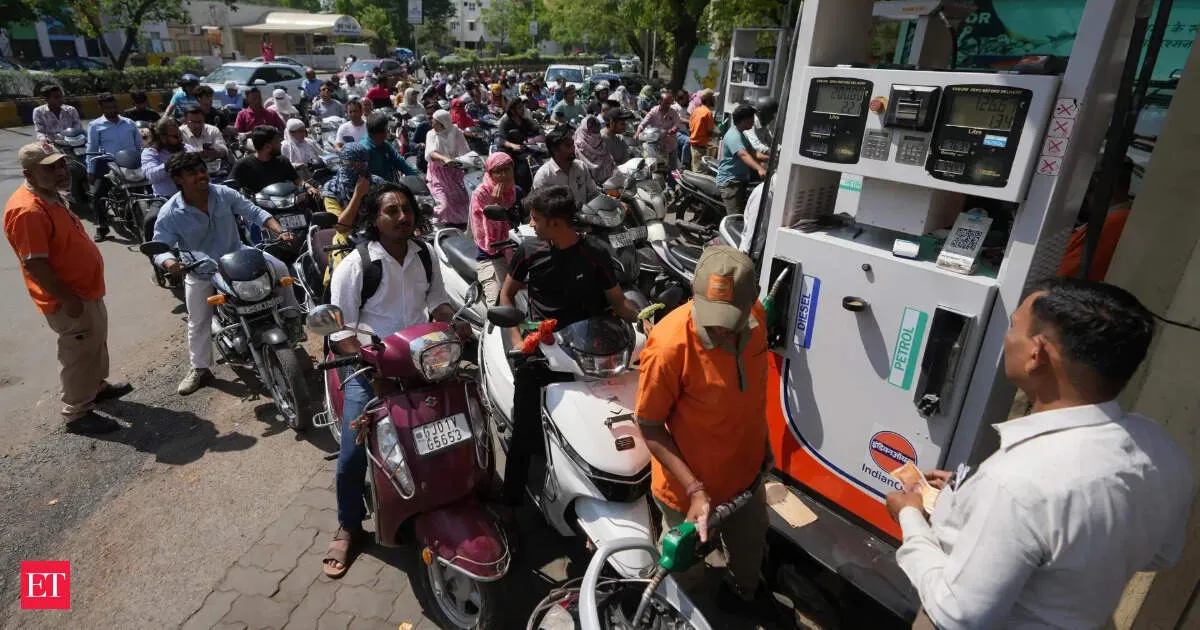
India’s first fuel price hike in four years is just a breather, not an end to rising costs. State refiners raised diesel and gasoline by only Rs 3 a litre, aiming to soften household impact while global crude stays above $100. But refiners are still bleeding money and want much larger adjustments—officials say losses top Rs 10 billion a day. The government is also pushing conservation measures and delaying larger increases, with more rises likely if the Persian Gulf conflict drags on.
Your news, in seconds
Get the Beige app — every story in 60 words, updated hourly. Free on iOS & Android.
Russian Foreign Minister Sergey Lavrov said Russian crude exports to India have increased, citing published records and insisting the trend depends on Indian buyers rather than Moscow alone. His comments came during the BRICS Foreign Ministers’ Meeting in New Delhi, where he also accused the US of trying to monopolize global energy markets and sideline Russian firms like Lukoil and Rosneft. The remarks land as India continues purchasing discounted Russian oil despite Western sanctions and regional turbulence in West Asia.
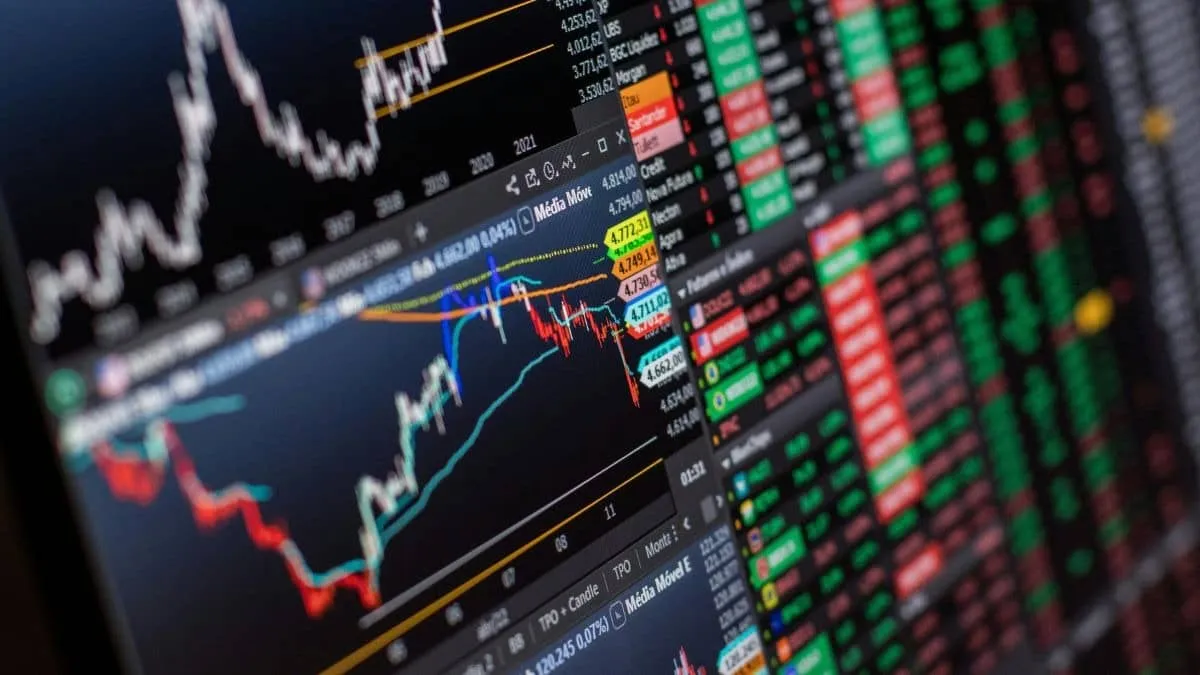
Asian markets tumbled as tech euphoria faded into inflation worries, sending U.S. Treasury yields to one-year highs and boosting expectations of a Fed rate hike. Brent crude climbed 5.7% this week to $107 amid stalled efforts to open the Strait of Hormuz, after attacks and a ship seizure raised supply concerns. The damage spread across Asia-Pacific benchmarks, while Japan’s wholesale inflation accelerated, leaving the Bank of Japan poised to raise rates.
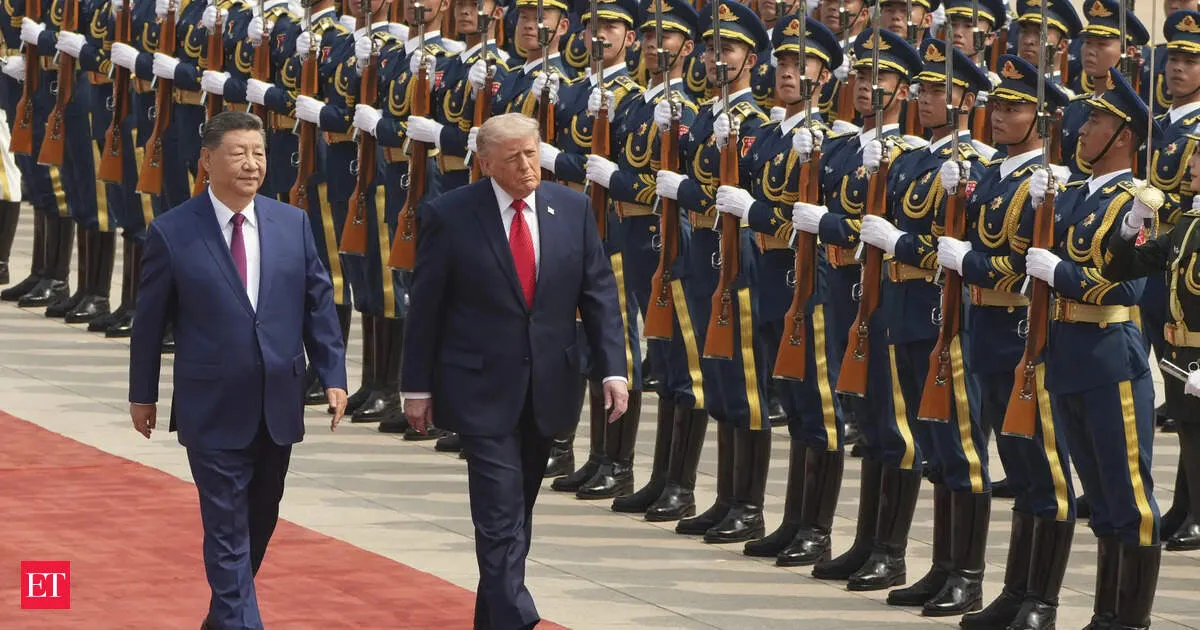
US President Donald Trump said after meeting Xi Jinping in Beijing that China wants to buy US oil and soybeans again, marking a possible reversal from the tariff-driven slowdown. Trump noted China had purchased only small amounts of US oil before the tariffs and that soybean imports had shifted toward Brazil. He also pressed for broader access for Visa to China’s credit card market during the talks, adding a financial-services angle to the claimed trade thaw.
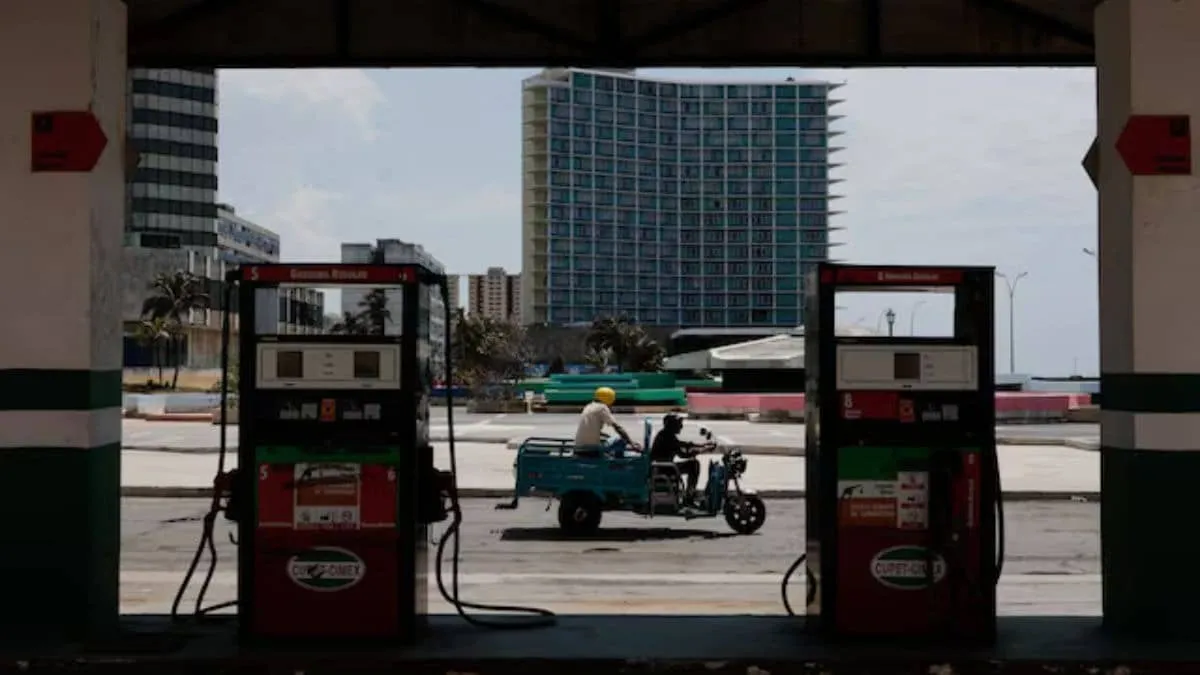
Cuba’s energy and mines minister says the country has completely run out of diesel and fuel oil, triggering its worst rolling blackouts in decades in Havana. Many areas reportedly face 20 to 22 hours without power daily. The island’s grid relies on domestic and renewable energy, but rising fuel import costs and the U.S. blockade are worsening the crisis.
Never miss a story
Set alerts for the topics and sources you care about. Download Beige for free.
Haldia Petrochemicals (HPL) is sourcing naphtha from Oman after a supply shortfall from Kuwait and Qatar tied to the Middle East conflict. Shipping data and an industry source indicate HPL is rerouting imports to keep production steady, with Oman loading ports positioned just outside the conflict zone and better suited to current logistics disruptions.
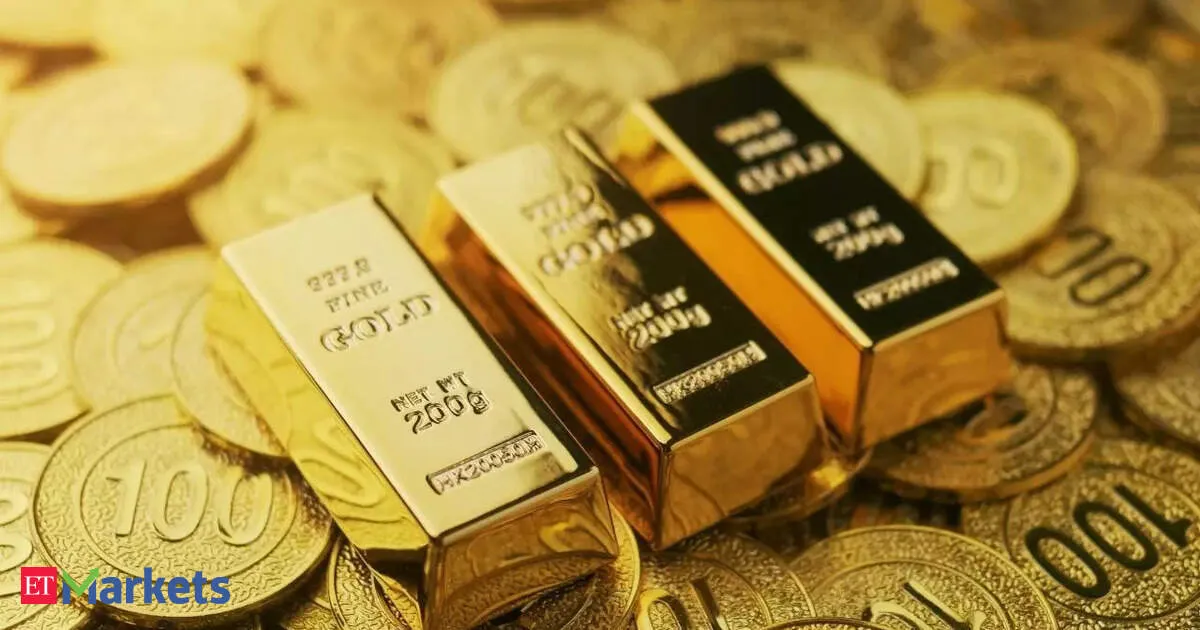
Gold held steady in early Asian trade as investors waited for a key U.S.-China summit in Beijing and tracked Middle East developments. Market focus also included comments by President Donald Trump on the Iran war, a dip in oil prices, and rising U.S. consumer inflation. In India, import tariffs on gold and silver were increased.
U.S. markets are looking past near-term turbulence as forecasts suggest the S&P 500 could extend its rally into 2026. The catch: Middle East tensions are disrupting global energy flows, keeping inflation pressure elevated. Experts point to a potential “ray of hope,” arguing growth and market positioning may cushion shocks even if costs stay firm.
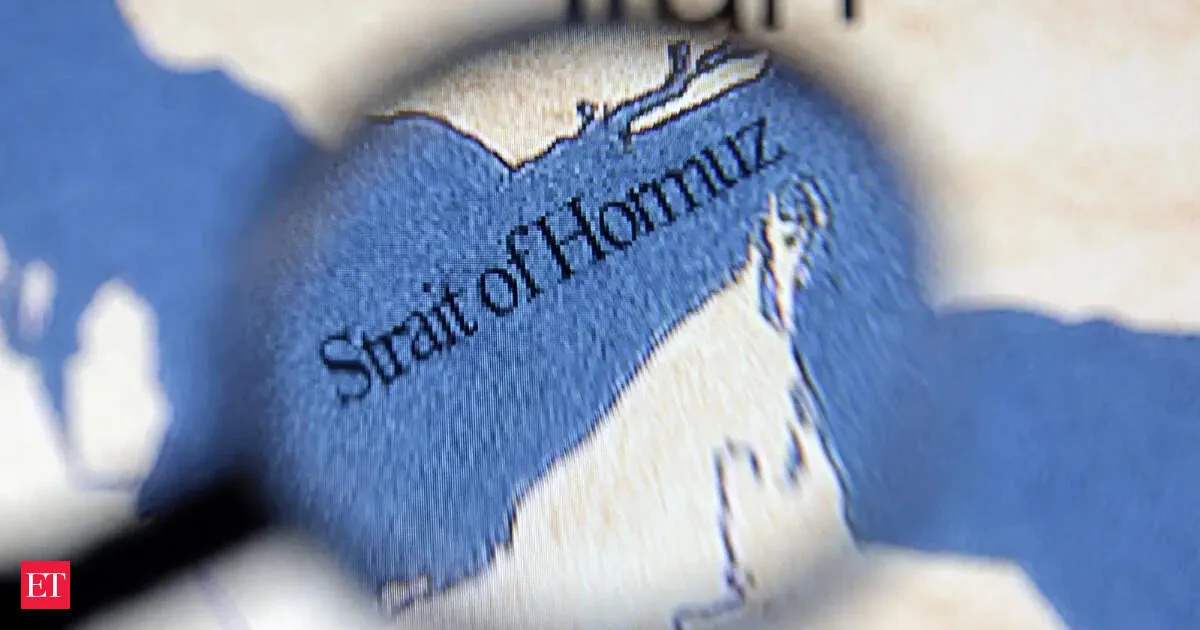
Iran now controls passage through the Strait of Hormuz, a move that could persist long after the present conflict ends. Gulf exporters and buyers fear Iran could dictate oil and gas flows, raising price and supply risks. The United States is pushing back against the shift, while the wider region watches to see who gains lasting control of the world’s key chokepoint.
Reading on mobile?
Open Beige in the app for a smoother experience — free on iOS and Android.
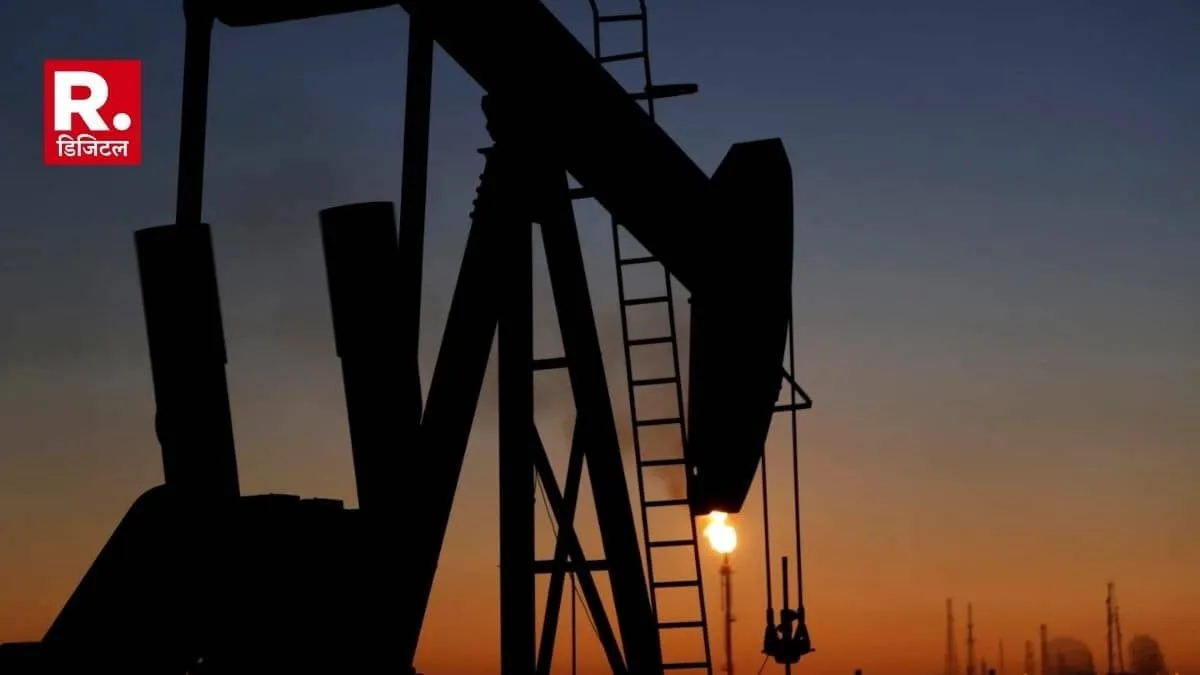
Global energy markets are moving into a structurally tighter phase as crude oil and refining have been underinvested for years. Even as renewables expand, grid constraints remain and downstream product shortages are beginning to show. Analysts warn this could translate into a multi-year squeeze across crude supply chains, refining capacity, and energy products worldwide.
Donald Trump says he is seriously considering making Venezuela the 51st US state, shocking diplomats and roiling energy markets. The proposal comes after a January 2026 US military raid captured Nicolás Maduro and installed a cooperative acting government in Caracas. Trump pointed to Venezuela’s vast $40 trillion oil, while China calls the intervention illegal and Latin America fears a precedent.
Saudi Aramco CEO Amin Nasser warns the Strait of Hormuz crisis could delay the oil market’s recovery until 2027. Persistent disruptions are straining supply chains and keeping prices jumpy, and even a partial reopening would not instantly rebalance global inventories and contracts. Nasser calls the shock the largest of its kind and expects prolonged volatility.
Gold prices fell as stalled U.S. Iran peace talks pushed oil higher, reviving worries about inflation and potential interest rate hikes. A stronger dollar weighed on bullion further. At the same time, China’s gold output declined, but Indian buyers held back, waiting for lower prices. Still, speculators increased long positions, hinting at a split market mood.
Follow your favourite sources
Track sources, tags and categories — all in the Beige app.
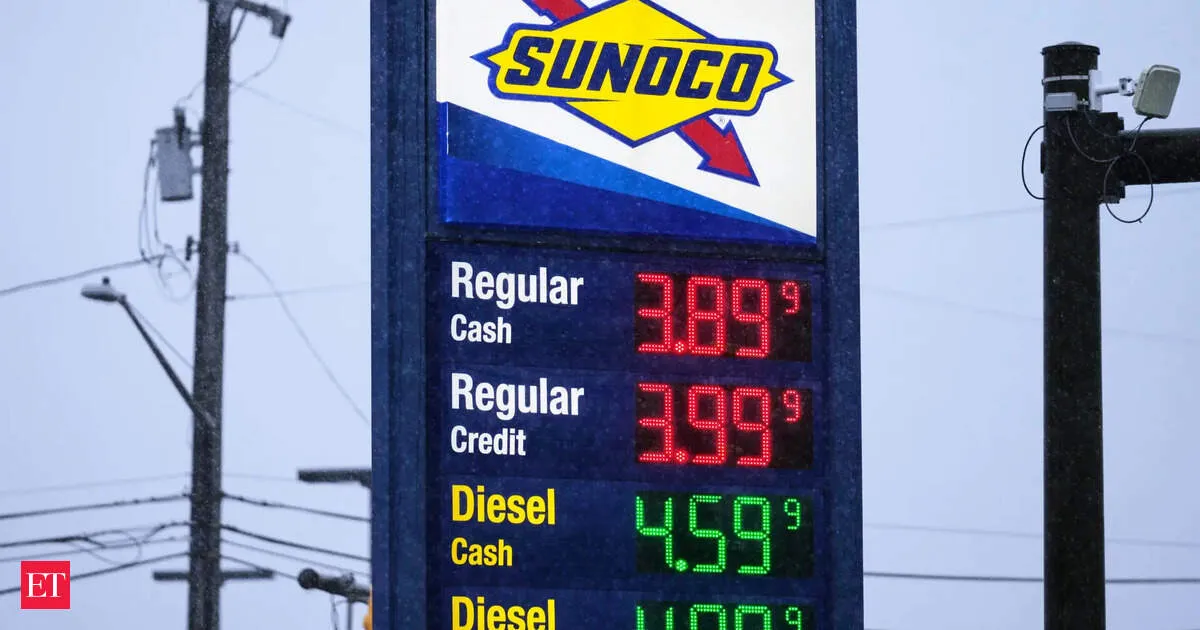
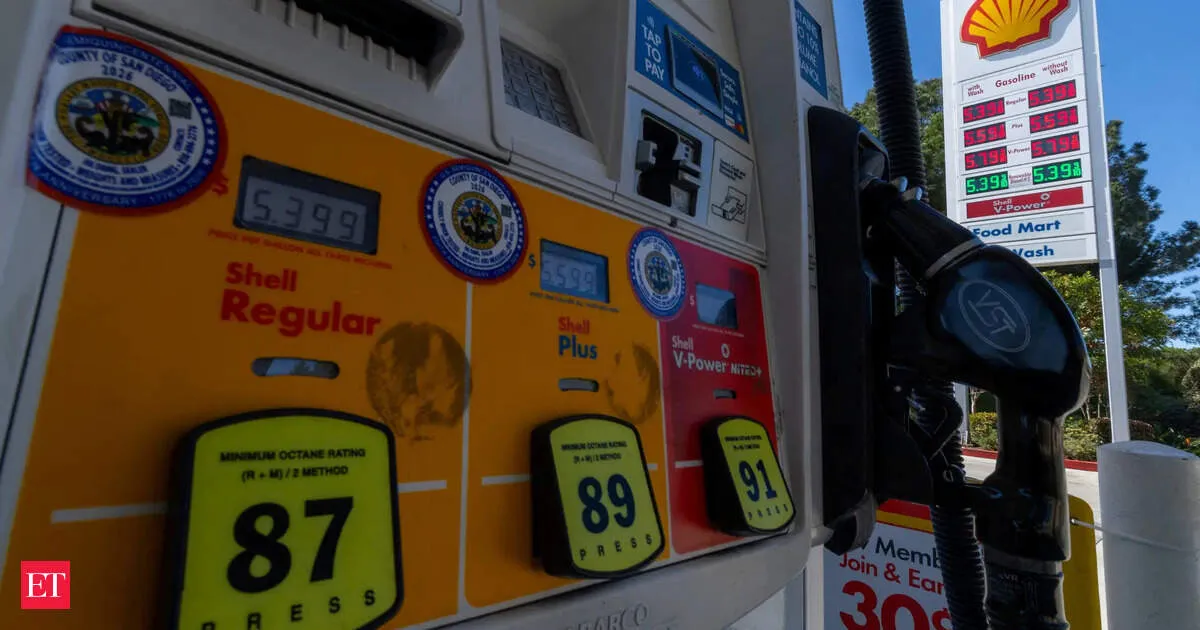
Gasoline prices are rising across the US, with the national average reaching $4.546 per gallon on May 8. California drivers face the steepest costs, while Oklahoma currently shows the lowest prices. Big gaps between states reflect differences in taxes, refining capacity, and local logistics, and experts expect the upward trend to persist.
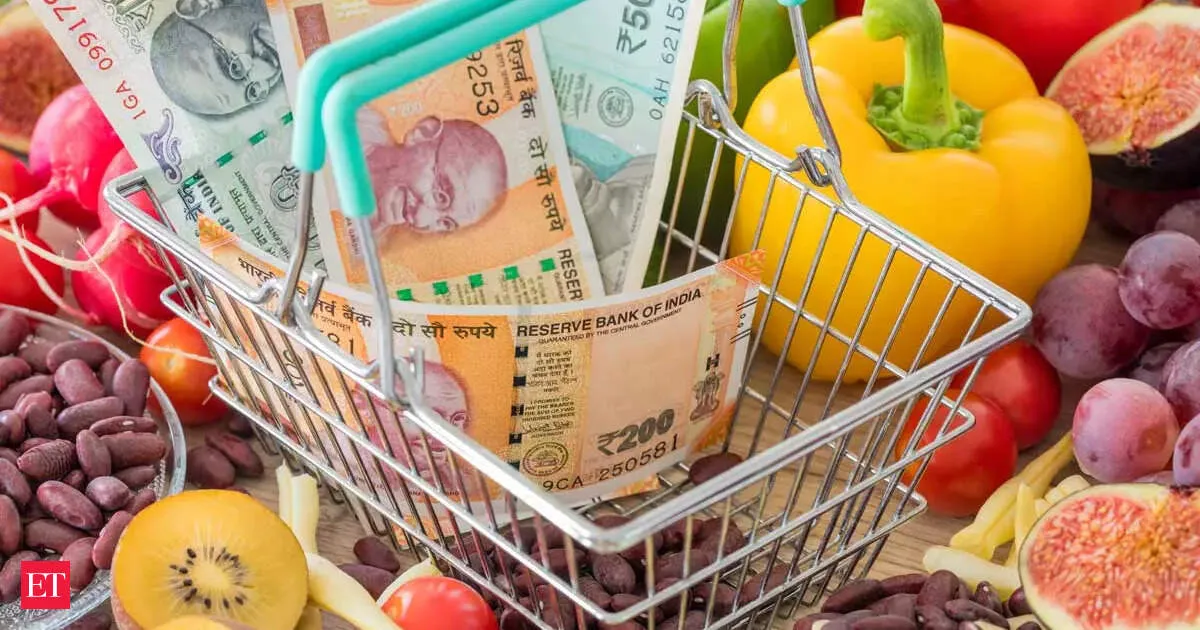
India’s retail inflation is forecast to climb to 3.8% in April from 3.4% in March, driven by higher fuel and LPG costs tied to the US Iran conflict, a Reuters poll says. Food inflation is expected to stay relatively soft, keeping the rate near the RBI’s 4% target, but high crude and a potential weak monsoon may lift prices later. Wholesale inflation could rise to 4.4%.
The dollar weakened as hopes of de escalation between Iran and the US supported oil linked currencies, while Japan’s cautionary comments kept yen speculation restrained. Even with talk of a peace proposal, investors remain wary over unresolved nuclear demands and risks around the Strait of Hormuz, which are still swinging oil prices and US Treasury yields. The euro climbed as the dollar index eased.
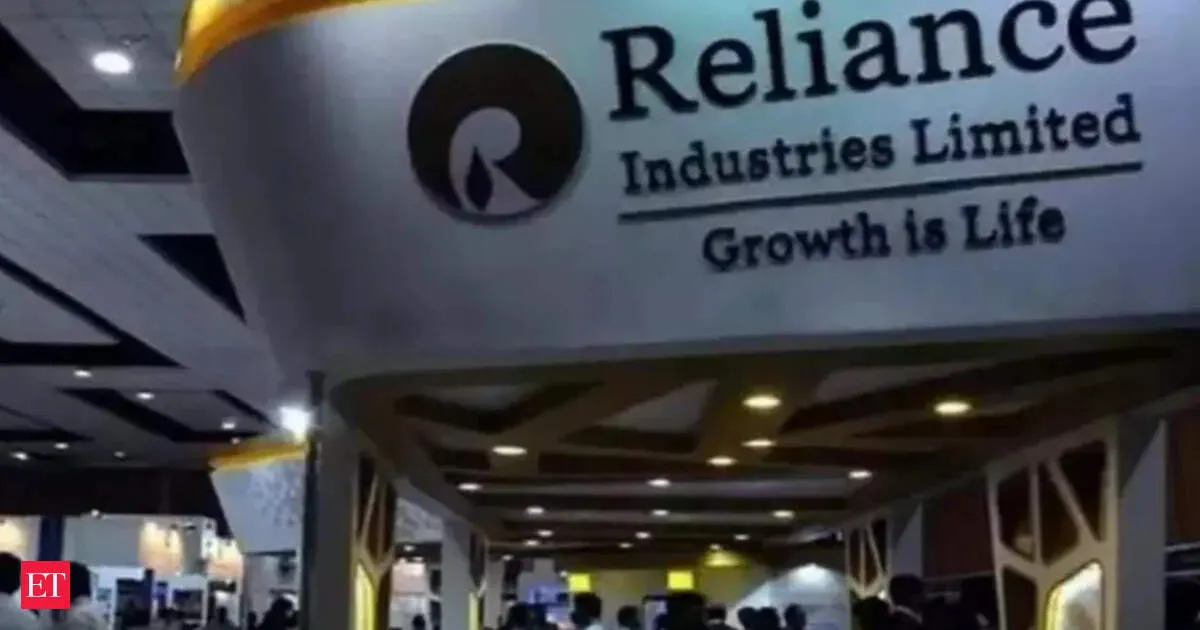
Reliance Industries plans to shut a crude unit and related secondary units at its 660,000 barrels per day refinery for three to four weeks, starting around mid May. Scheduled maintenance later this month is timed after Nayara Energy’s planned return to operations, with the company citing efforts to avoid fuel shortages across India.
Stay informed on the go
Bite-sized news from 100+ trusted sources, right in your pocket.
Gas prices across the US have climbed faster than expected. The national average rose by 27 cents in a single week to $4.446 on May 3, the highest level in four years. Oil prices pushed above $100 per barrel, and states including California and Texas are seeing especially sharp increases at the pump.
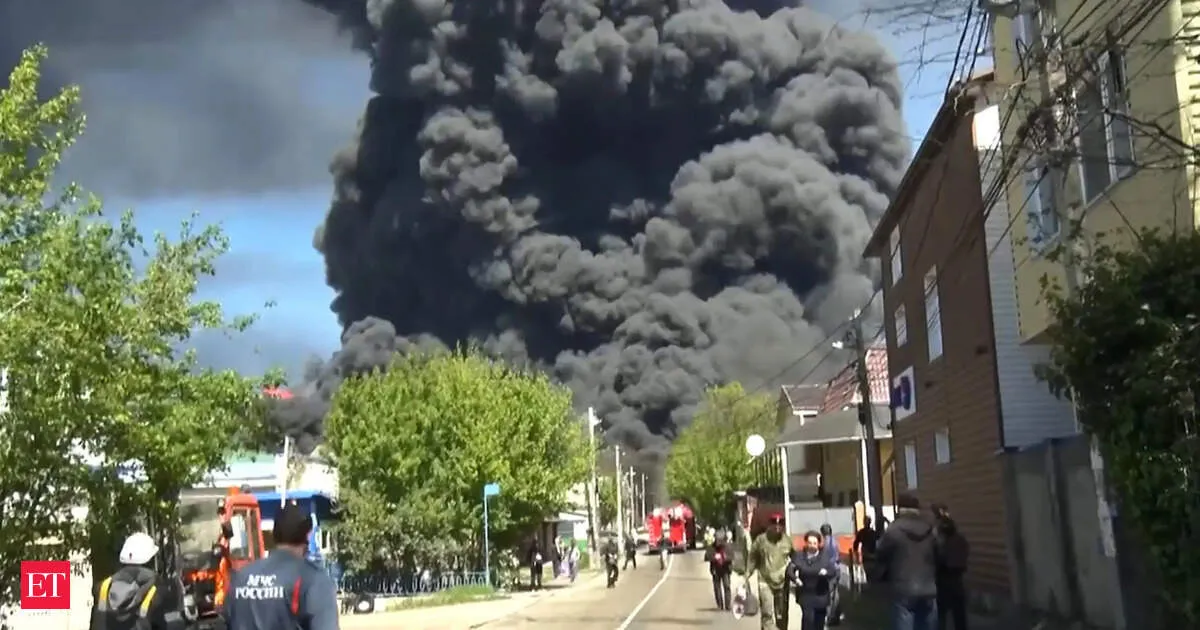
Ukrainian drones have targeted Russian oil facilities far inside Russia, aiming to disrupt supplies and reduce funds for the war. Officials say the strikes bring the conflict closer to civilians, while analysts are split on how much they will hurt Russia economically. Concerns are growing over environmental fallout, including reports of oil spills and toxic rain.
Swipe through stories, personalise your feed, and save articles for later — all on the app.