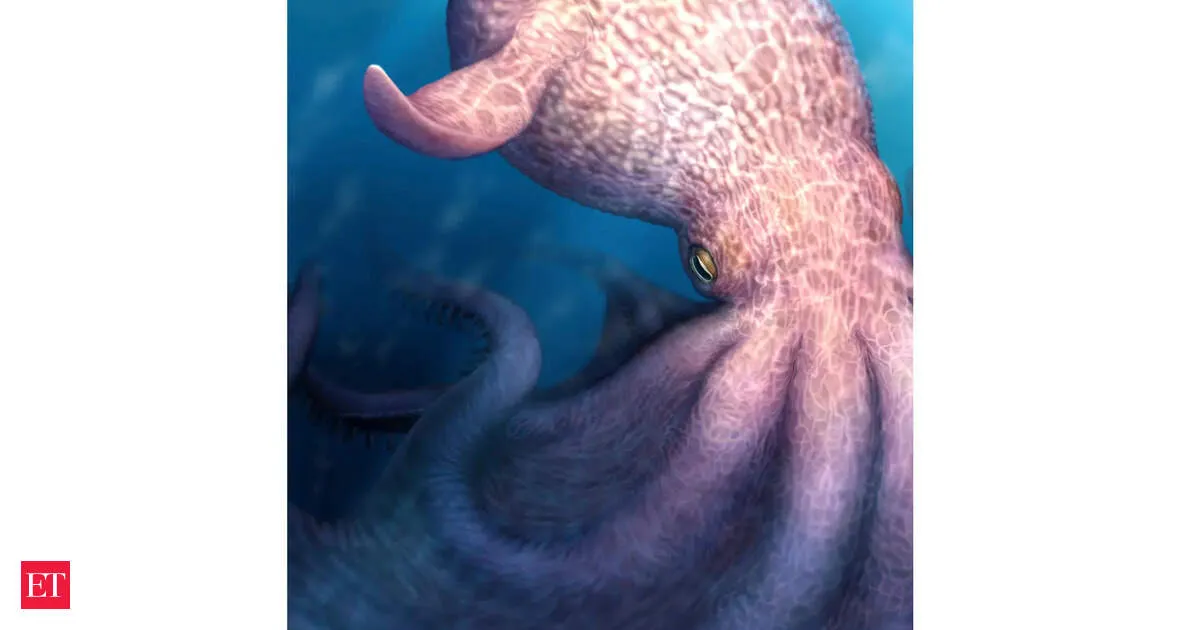
A new look at the Late Cretaceous giant octopus Nanaimoteuthis, nicknamed the Cretaceous Kraken, suggests it hunted like an apex predator. Fossil beaks indicate it could crush hard-shelled prey with extreme force, rivaling other top marine hunters. Even more intriguing, uneven jaw wear hints at repeated, intelligent feeding strategies rather than simple brute strength.
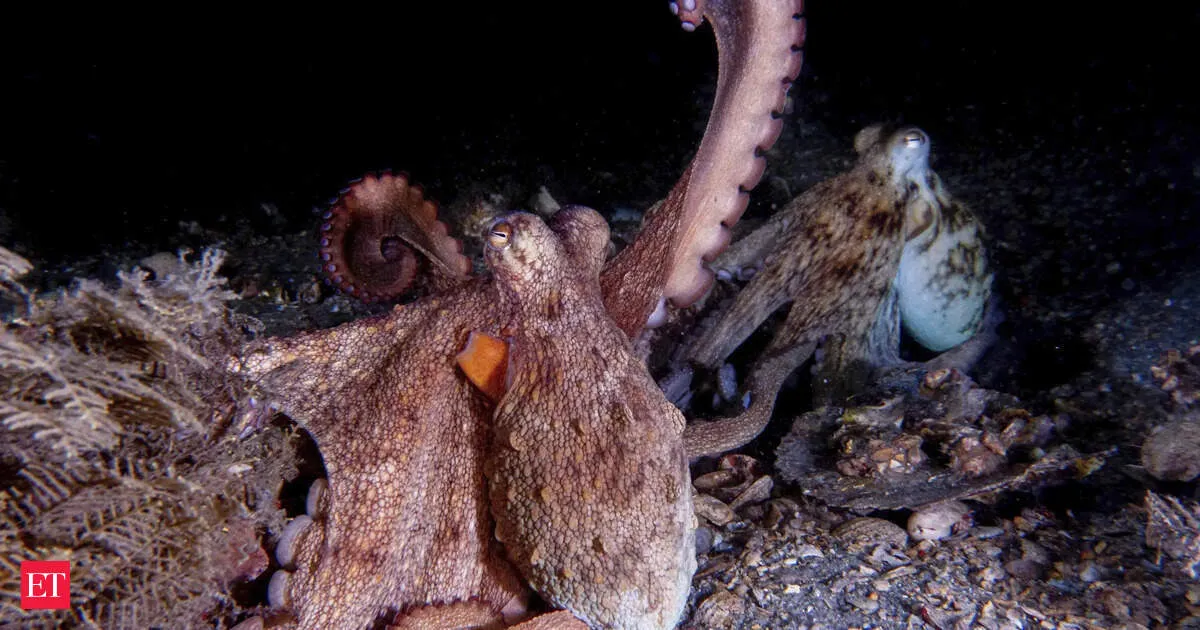
New field research suggests octopuses, unlike humans, don’t rely on a single dominant arm. Instead, they tend to use their front four arms for exploring and their rear arms more often for movement. The findings point to a flexible, redundant limb system that helps octopuses adapt and multitask in their natural habitats.
Your news, in seconds
Get the Beige app — every story in 60 words, updated hourly. Free on iOS & Android.
Swipe through stories, personalise your feed, and save articles for later — all on the app.