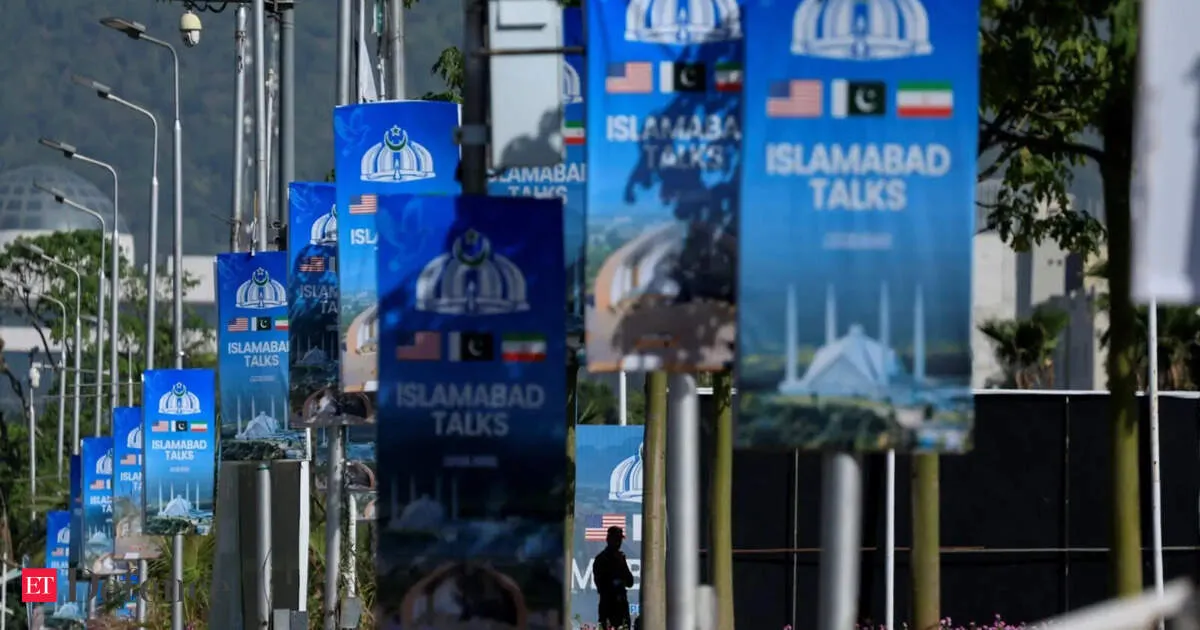
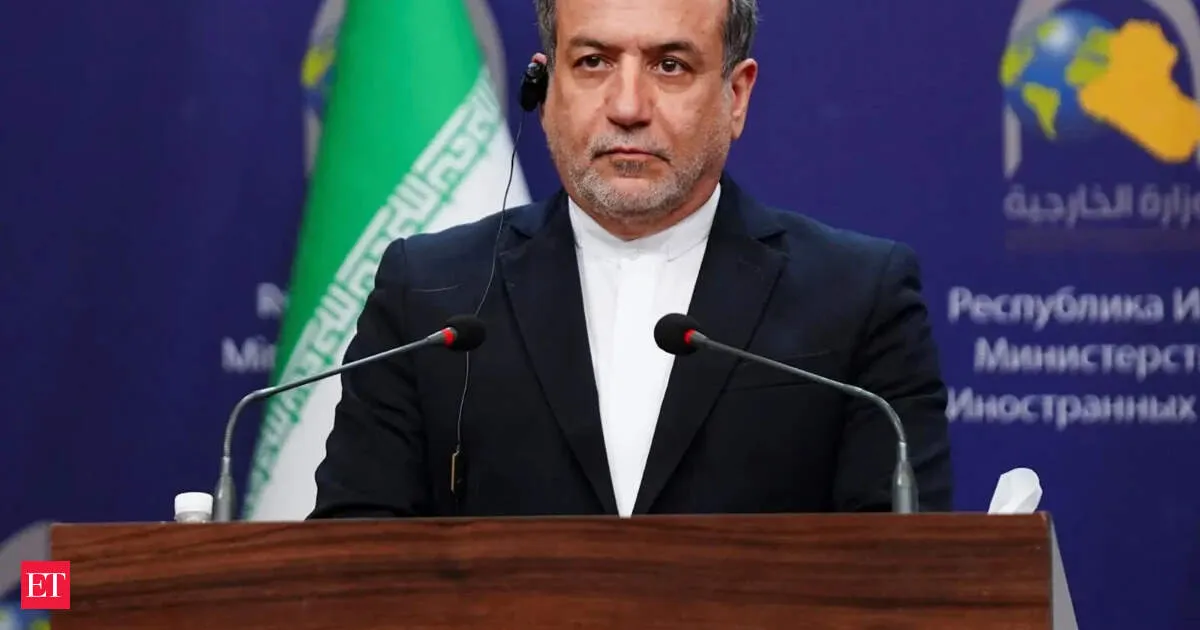
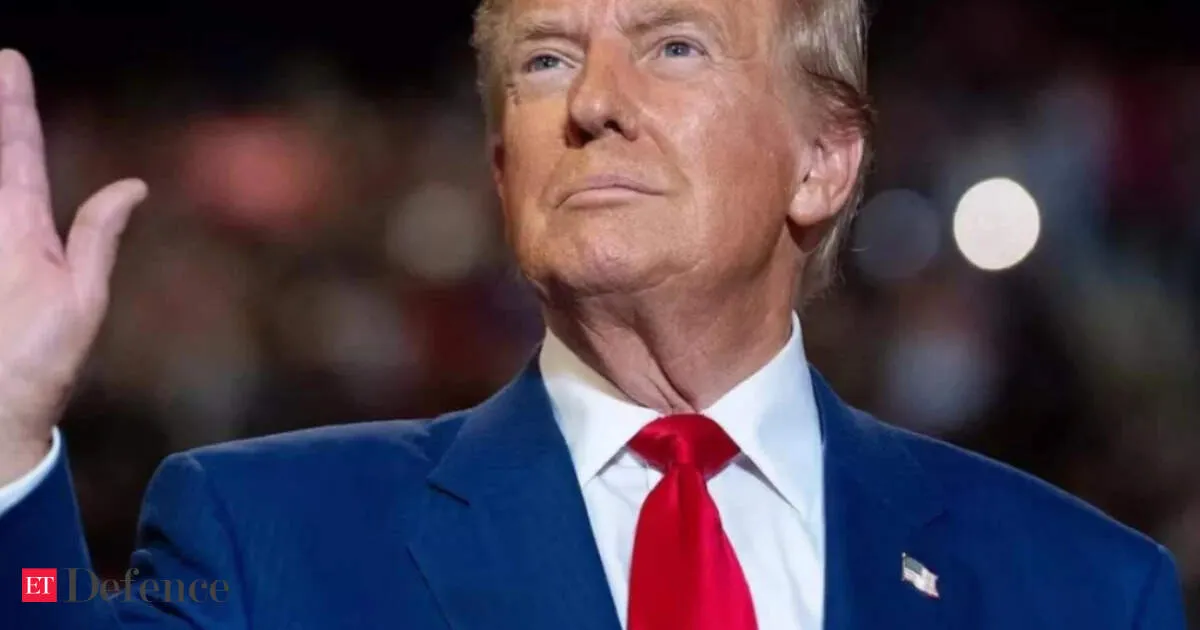
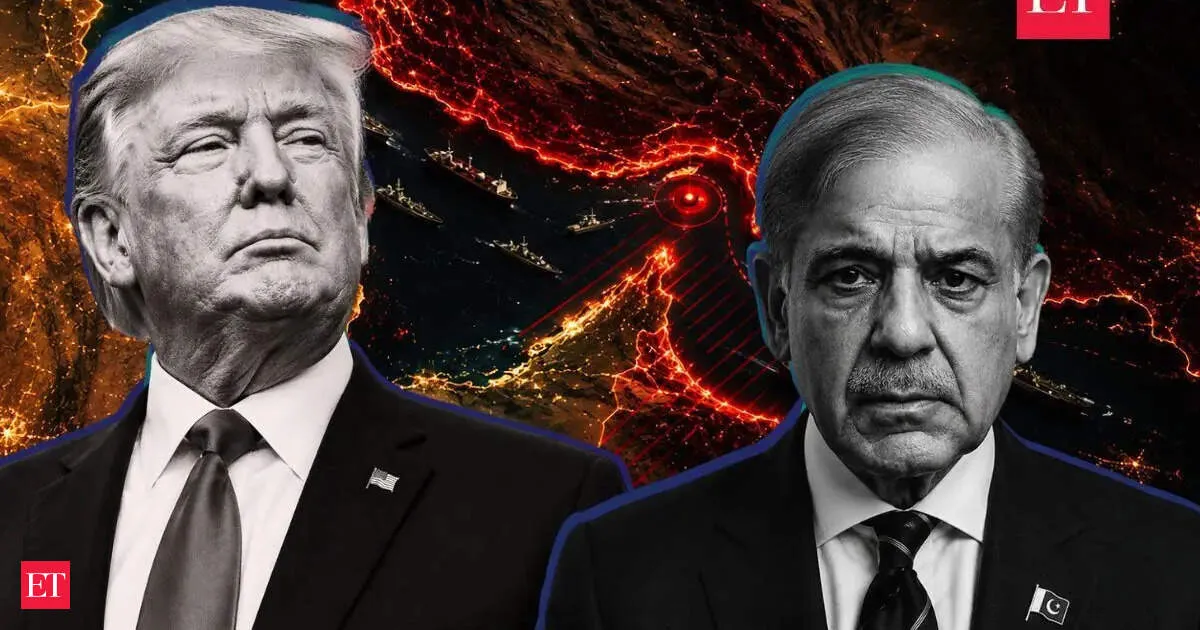
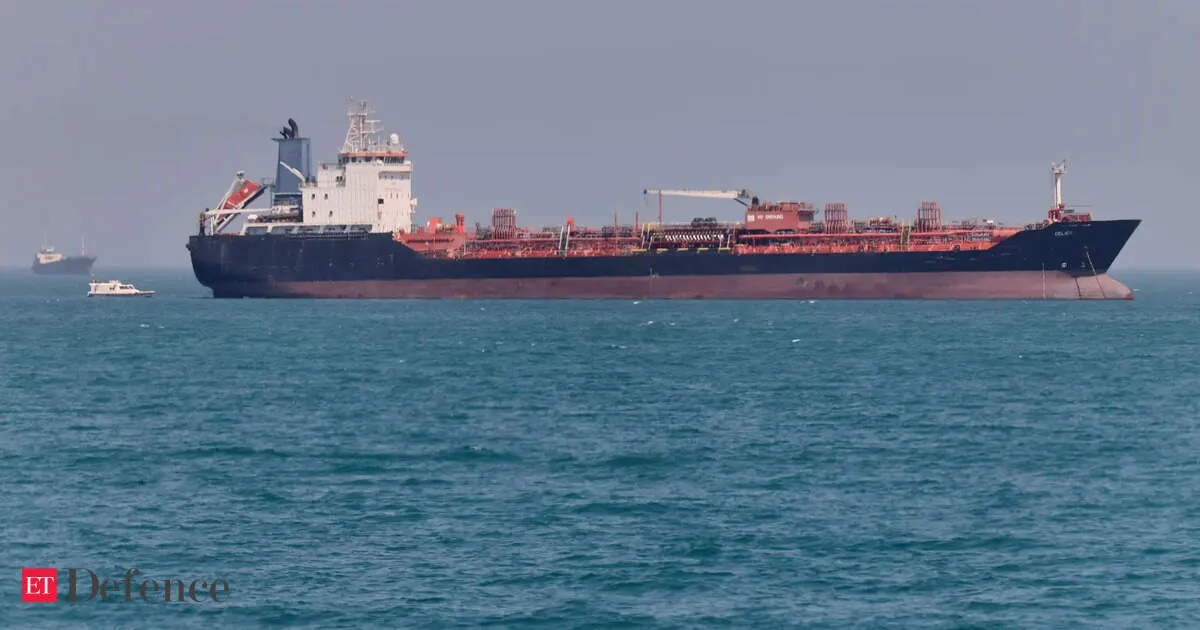
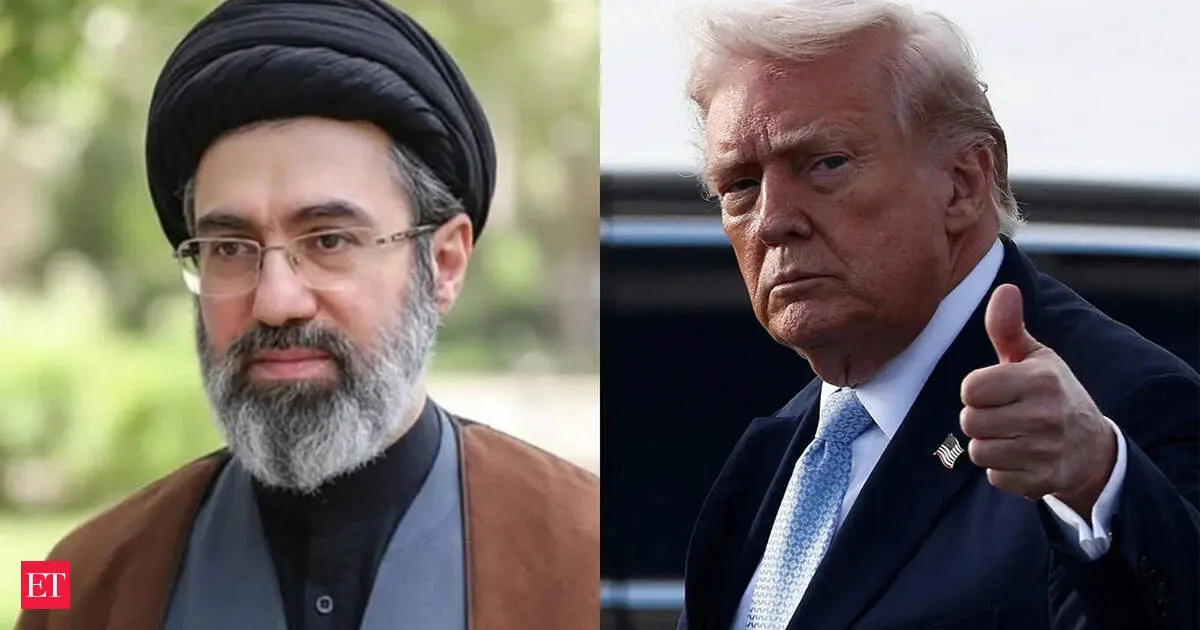
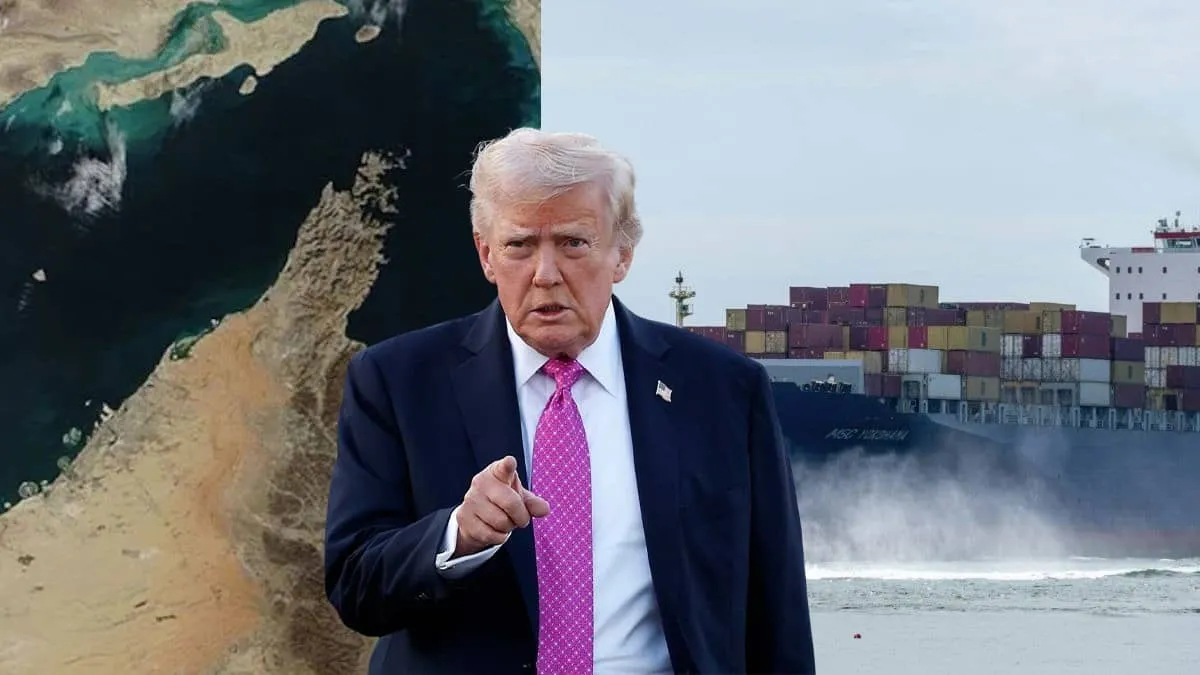
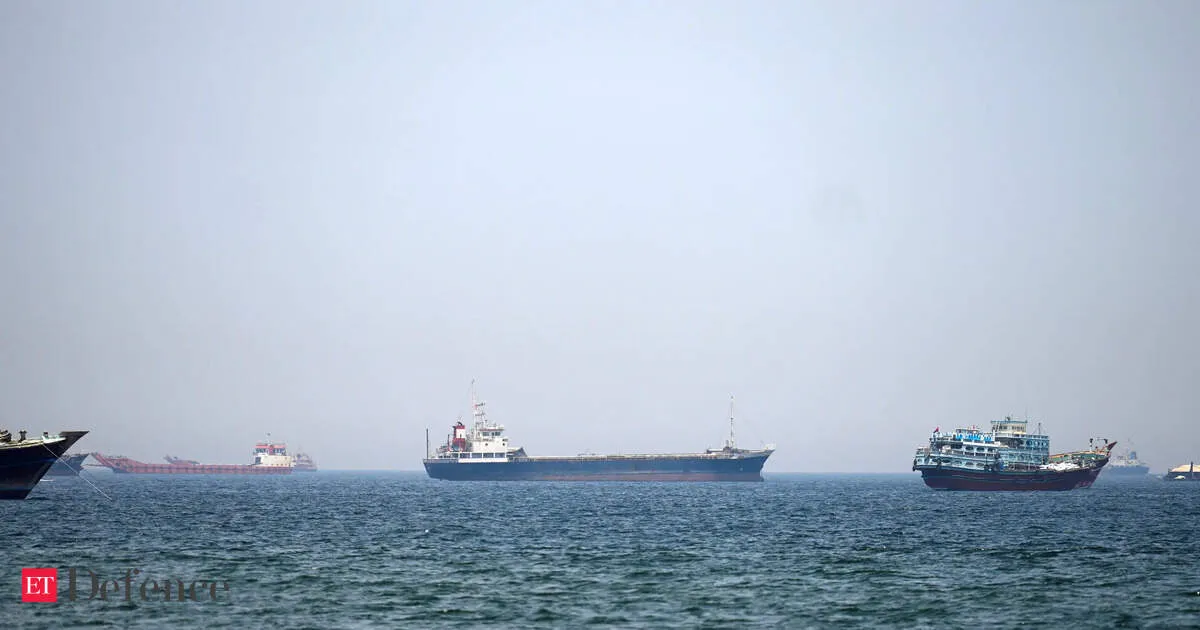
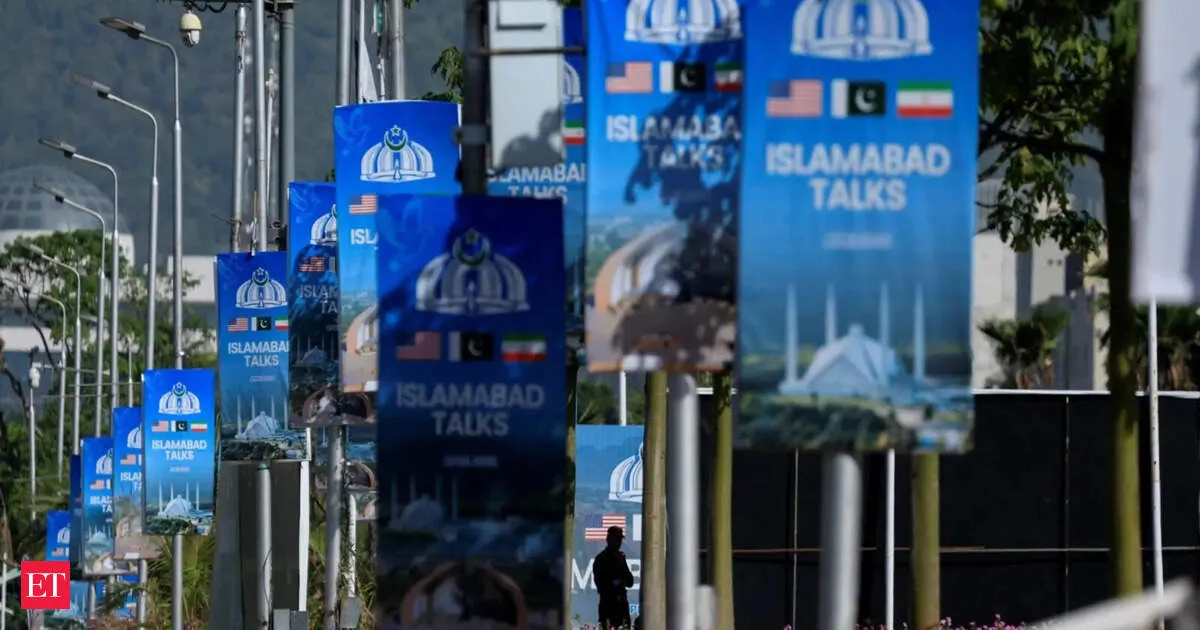
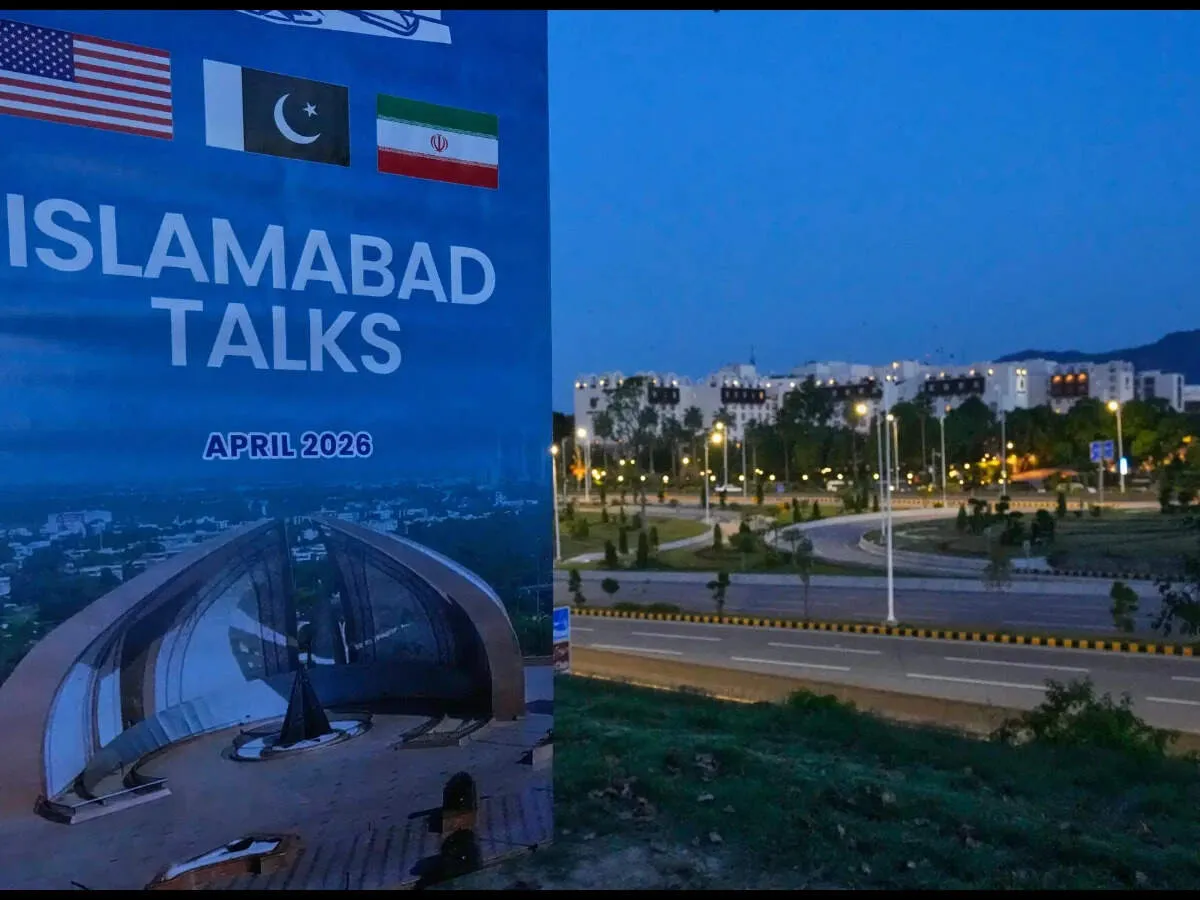
The US and Iran could resume negotiations as early as next week in Islamabad, the Wall Street Journal reports, citing people familiar with the discussions. Work is underway through mediators on a one-page, 14-point memorandum of understanding meant to set a framework for a month-long negotiation process to end the conflict. The draft reportedly covers Iran’s nuclear program, steps to reduce tensions in the Strait of Hormuz, and options for transferring Iran’s highly enriched uranium, but sanctions relief scope remains unresolved. If progress is made, the talks could be extended.
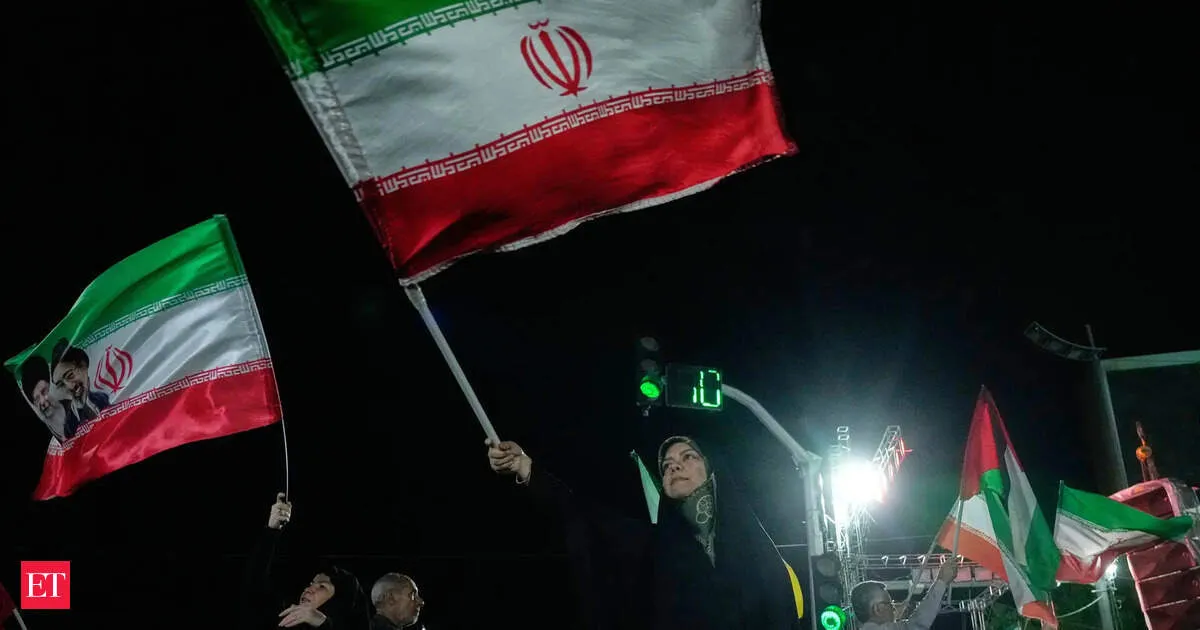
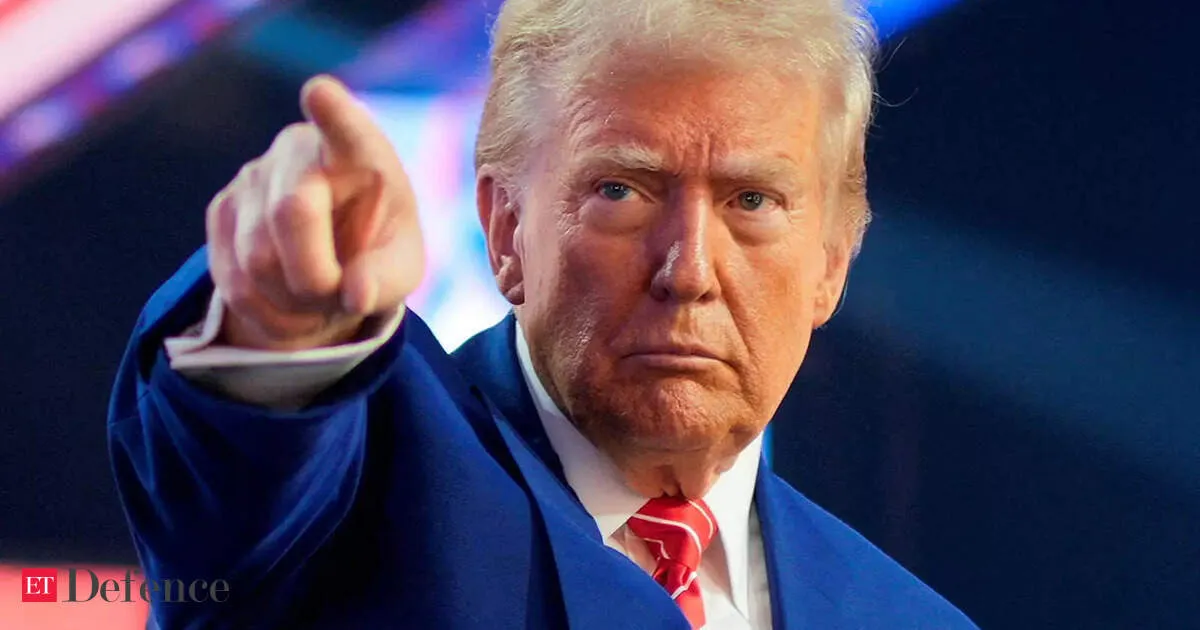
Iran is signaling confidence that it can outlast an under-pressure Donald Trump during peace negotiations with Washington. Analysts say Tehran believes threats of military action by Trump and Israel no longer carry the same leverage, but that defiance could also trigger renewed clashes and intensify domestic tensions inside Iran.
Your news, in seconds
Get the Beige app — every story in 60 words, updated hourly. Free on iOS & Android.
A fragile Iran US ceasefire is growing shakier after President Trump rejected Tehran’s latest proposal. The dispute remains rooted in Iran’s nuclear program and tensions around the Strait of Hormuz. With both sides still locked in a high-stakes standoff, international diplomacy is pushing to prevent escalation, with China seen as a key player in pressing Tehran toward concessions.
US and Iran clashes near the Strait of Hormuz are putting Pakistan’s mediator role under scrutiny. While Donald Trump claims a ceasefire holds, he warns Tehran of tougher strikes tied to US nuclear demands. Analysts say Islamabad lacks diplomatic and economic leverage and may have overstated its influence with Washington, leaving its “grey” strategy at risk.
Fresh fighting between the US and Iran has shaken a month old ceasefire. Iran says the US targeted its ships, while the US claims it acted in self defense after unprovoked Iranian attacks. The flare up comes as Iran weighs a US plan to end hostilities, yet major disputes—especially Iran’s nuclear program—remain unresolved.
Iran is expected to submit its response to a US proposal to ease the West Asia crisis on May 7, with mediators guiding talks. Sources say Washington and Tehran are close to a preliminary deal: an immediate ceasefire and a 30-day window for broader negotiations that may include pausing nuclear enrichment and offering sanctions relief.
Never miss a story
Set alerts for the topics and sources you care about. Download Beige for free.
The US and Iran are reportedly nearing a one-page memorandum aimed at de-escalating tensions and clearing the path for nuclear talks. The draft includes Iran halting nuclear enrichment, the US lifting sanctions and releasing frozen funds, and both sides easing Strait of Hormuz transit restrictions. Iran is expected to respond within 48 hours.
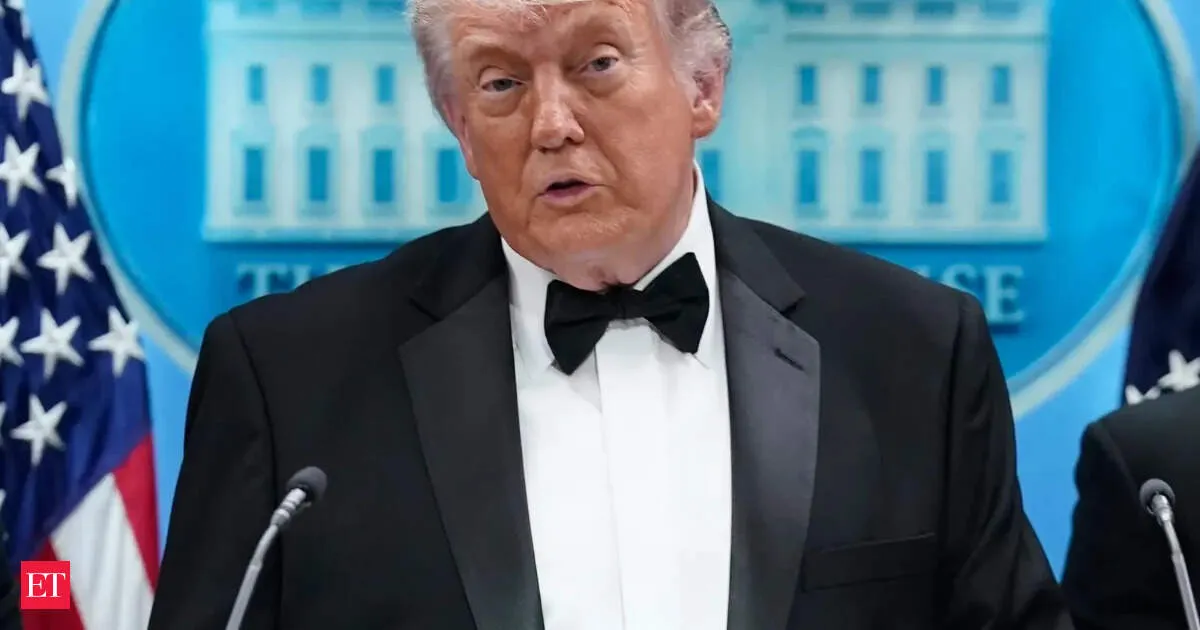
US President Donald Trump said he is not sure the US can reach a deal with Iran, citing dissatisfaction with Iran’s latest proposal. Negotiations are currently taking place by phone, heightening uncertainty as talks move forward. With positions still shifting, the outcome remains unclear and the situation stays fluid.
U.S. President Donald Trump praised the ongoing naval blockade against Iran as “genius,” arguing it would pressure Tehran to concede while the U.S. rules out any deal unless Iran abandons its nuclear ambitions. Trump also claimed America’s military edge is so large that Iran’s capabilities are effectively negligible, framing the blockade as a path to forced defeat.
Iran says it has proposed a pathway to de-escalate tensions, including reopening shipping through the Strait of Hormuz and lifting the US blockade, while delaying nuclear talks for later discussions. President Donald Trump rejected the offer, saying he cannot accept Iran’s demands. The rejection lands after weeks of energy supply disruptions and renewed pressure in the region.
Reading on mobile?
Open Beige in the app for a smoother experience — free on iOS and Android.
US Central Command has reportedly drawn up plans for limited strikes on Iran to break a deadlock in nuclear negotiations, even as President Trump has not authorized any military action. Trump is said to prefer a naval blockade strategy, which Iran warns could trigger unprecedented retaliation if pressure continues.
Iran is signaling it will not give up its leverage over the Strait of Hormuz or soften its nuclear stance even as the US maintains a naval blockade. President Trump says any deal requires Iran to abandon nuclear ambitions first, while Tehran explores counter-strategies, including enlisting regional actors, to raise pressure on Washington.
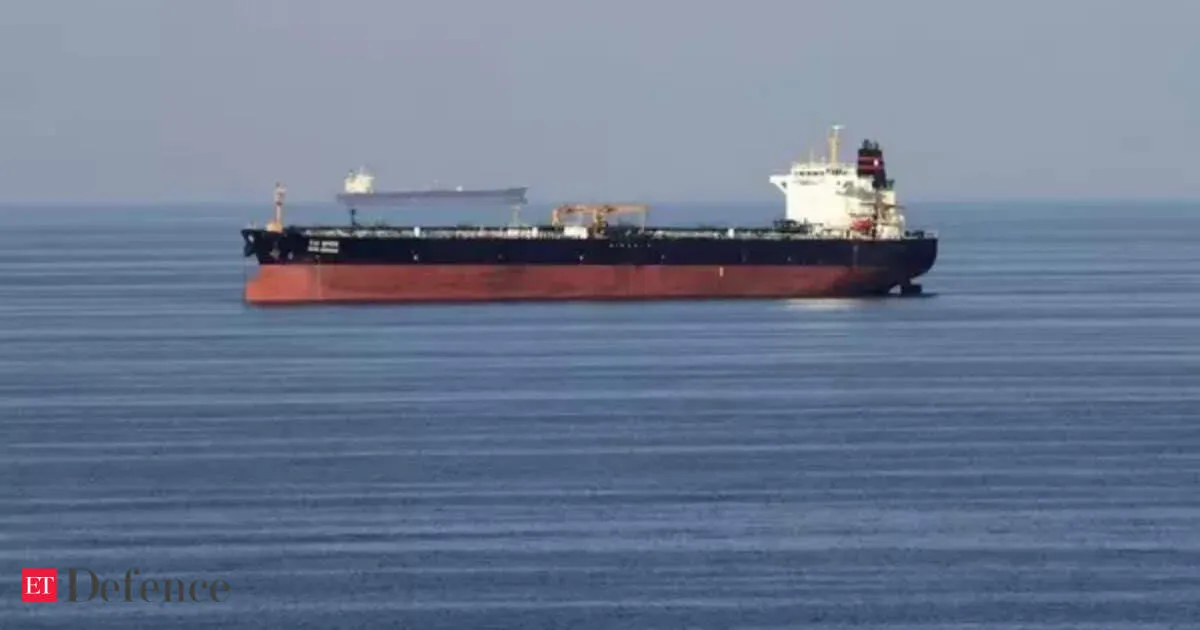
Crude oil has surged to around $120, its highest level since mid-2022, as worries mount over a prolonged U.S. blockade on Iranian exports. With nuclear negotiations stalled, analysts say the disruption could last until a wider deal is reached, tightening supply and leaving room for further price rises.
President Donald Trump is reportedly dissatisfied with Iran’s truce proposal after it suggested postponing talks on Tehran’s nuclear program until the current conflict ends. Washington, by contrast, wants nuclear issues addressed from the outset. The move also follows diminished hopes for diplomacy after a U.S. envoy’s visit to Pakistan was cancelled.
Follow your favourite sources
Track sources, tags and categories — all in the Beige app.
President Donald Trump rejected a new peace proposal from Iran, saying it was not good enough. He claimed the proposal arrived about 10 minutes after he cancelled a US team’s trip. Trump said negotiations paused due to travel delays and no direct talks with Iran’s top leader, adding that the US will now communicate by telephone instead.
Iran has put forward a US proposal through Pakistani mediators to reopen the Strait of Hormuz and pursue an end to the war, according to Axios citing a US official and people familiar with the talks. The plan reportedly separates issues, deferring nuclear negotiations to a later stage rather than tying them to immediate steps.
An Iranian lawmaker has condemned US-Iran nuclear talks held in Pakistan, calling them a strategic mistake that, in his view, would embolden Iran’s “enemy.” The comments come alongside remarks by former US President Donald Trump, who said any Iran deal would only happen when it benefits the US and its allies.
Fifteen hours of Iran US talks in Islamabad ended without a breakthrough, with divergent aims and outside Israeli interference undermining hopes of a meaningful deal. A fragile ceasefire is holding, but its durability remains doubtful. Negotiators zeroed in on Iran’s nuclear program and ballistic missiles, while both sides stuck to positions described as non negotiable.
Stay informed on the go
Bite-sized news from 100+ trusted sources, right in your pocket.
Swipe through stories, personalise your feed, and save articles for later — all on the app.