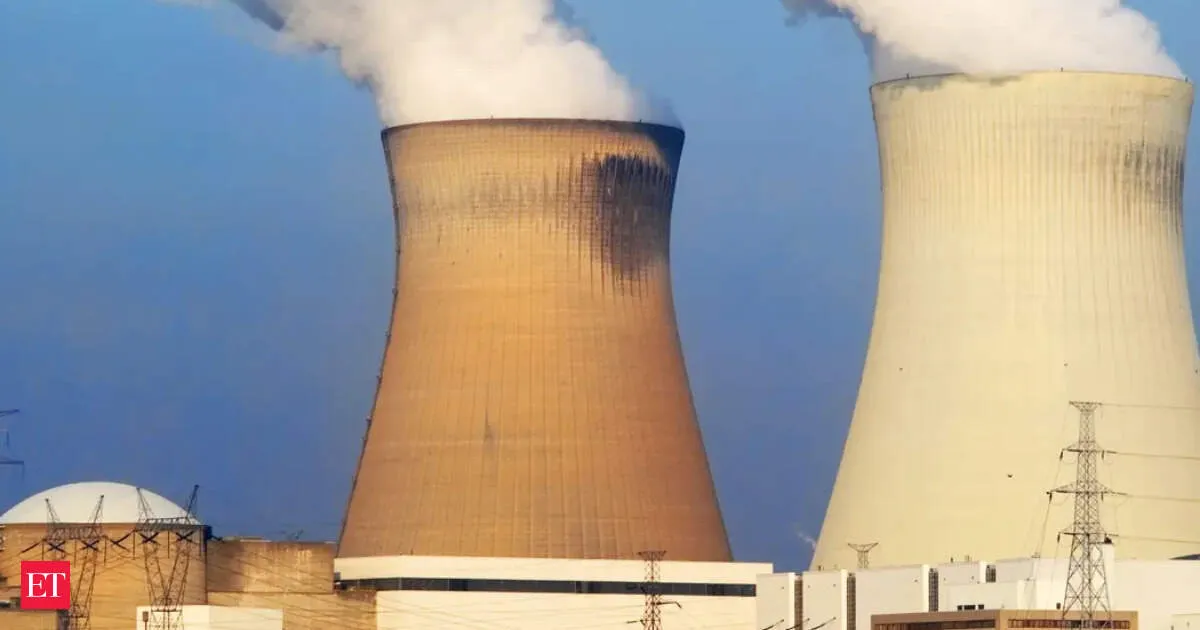
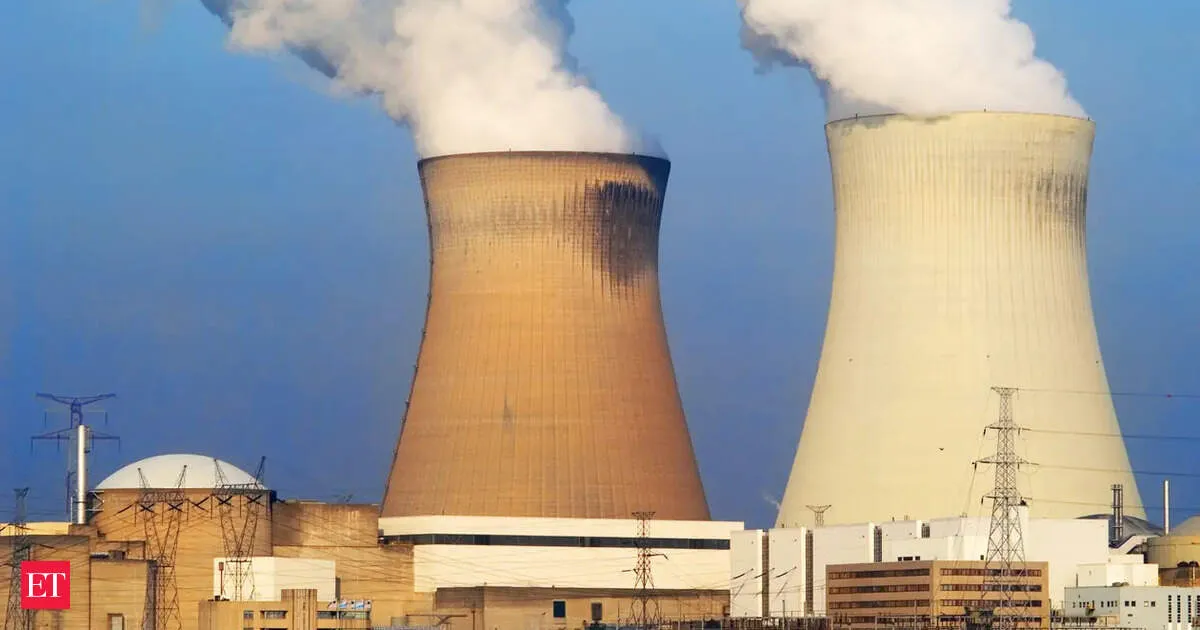
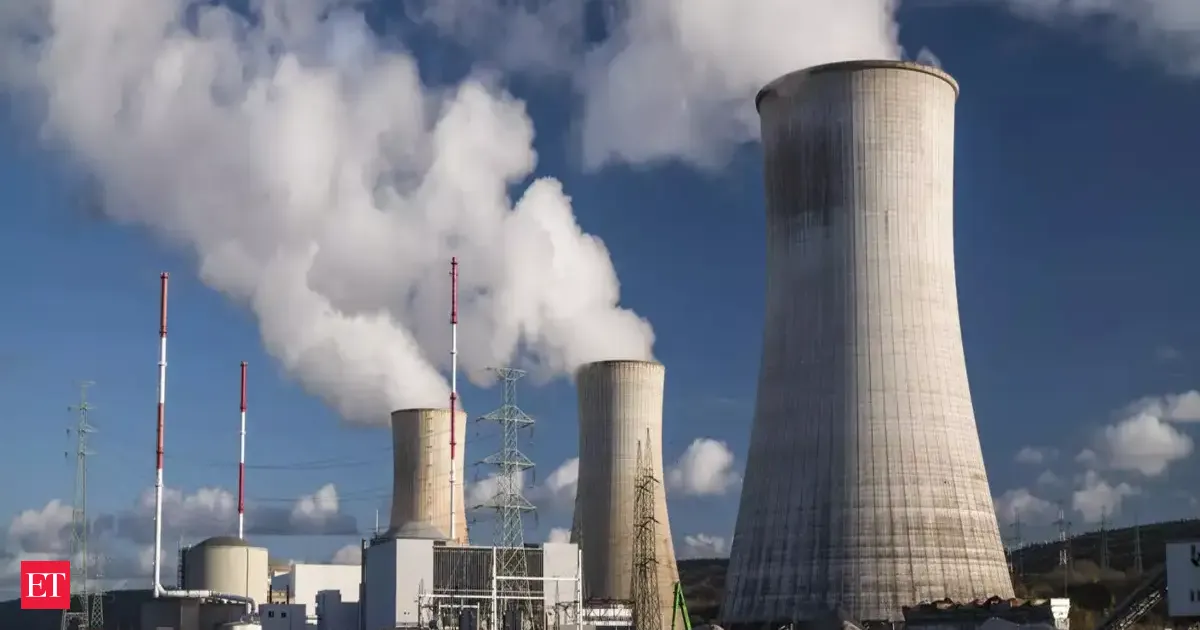
US Energy Secretary Chris Wright briefed a 20-member delegation of senior executives from the American nuclear industry ahead of their visit to India next week. The group will explore civil nuclear cooperation after New Delhi opened the sector to private players through the SHANTI law, replacing older frameworks and easing tougher liability concerns that had deterred global suppliers. The delegation will meet government and private leaders, focusing on joint projects, small modular reactors, and other areas of collaboration.
Tata Power says it is in discussions with three states for its next nuclear energy projects. The company expects to publish a comprehensive project report within the next six months, signaling a faster path from planning to approvals. Tata Power is also partnering with NPCIL to develop and implement the nuclear initiatives.
Your news, in seconds
Get the Beige app — every story in 60 words, updated hourly. Free on iOS & Android.
NTPC will submit its first nuclear project feasibility study to India’s Department of Atomic Energy, aiming to unlock approvals for standalone nuclear projects. The power producer targets 2 GW of nuclear capacity by 2032 and is actively scouting locations, including in Bihar and other states, to support its expansion plans.
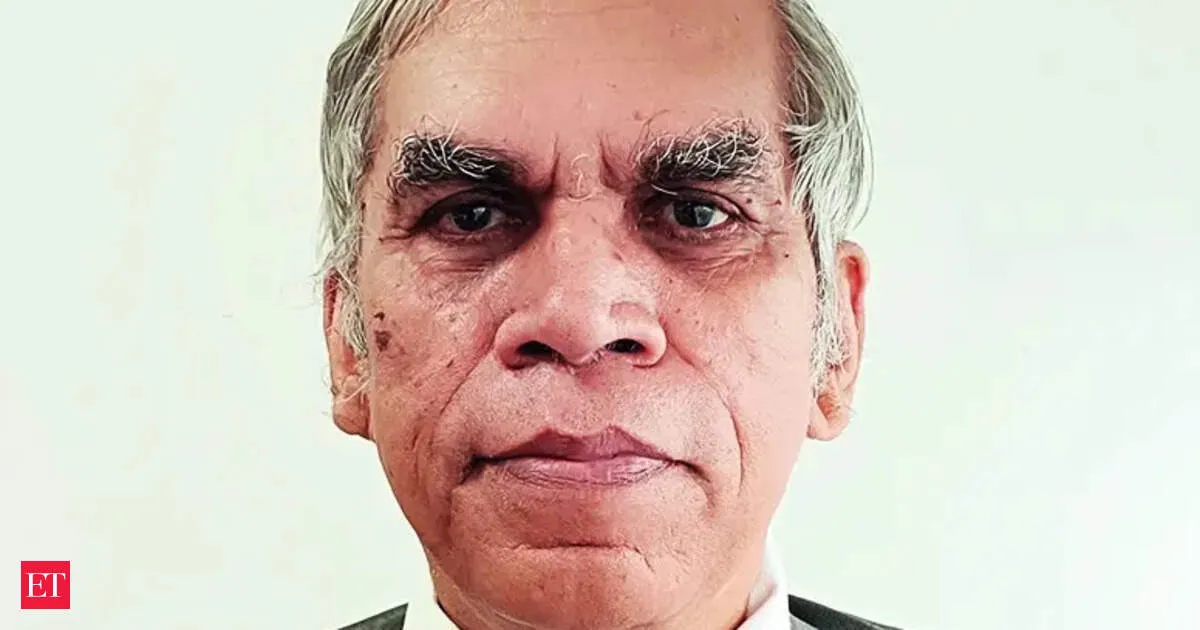
Dr SC Chetal, a key figure in India’s fast breeder reactor programme, says the Prototype Fast Breeder Reactor (PFBR) achieving criticality marks a major indigenous breakthrough. He argues it strengthens India’s “second-stage” nuclear energy roadmap, where fast breeder technology is expected to play a central role in expanding long-term nuclear power ambitions.
Bangladesh is set to begin loading uranium fuel on Tuesday for its first nuclear power station, the Rooppur plant. The 2,400 MW facility aims to relieve an overstretched power grid, with about 300 MW hoped to be generated early by August and full production targeted for late 2027. Construction started in 2017 for a roughly $11 billion project.
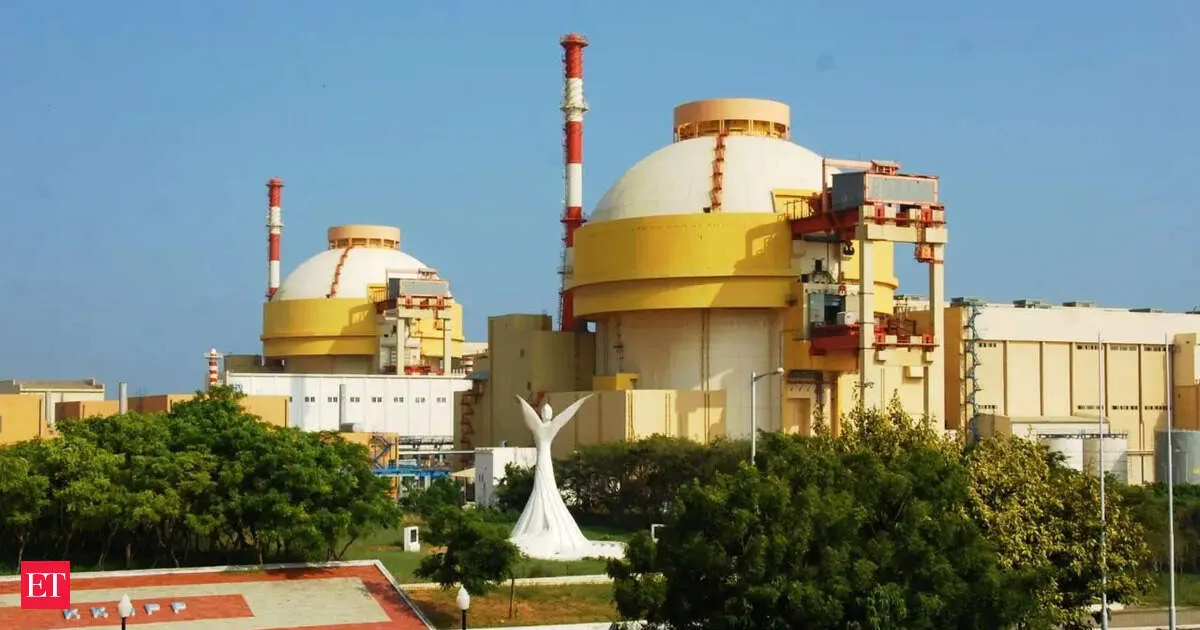
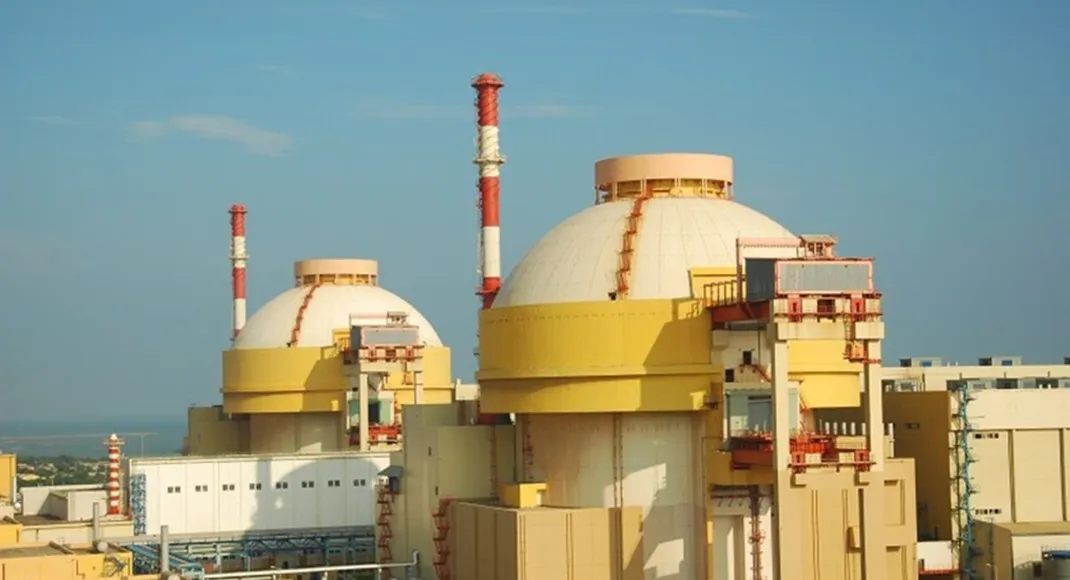
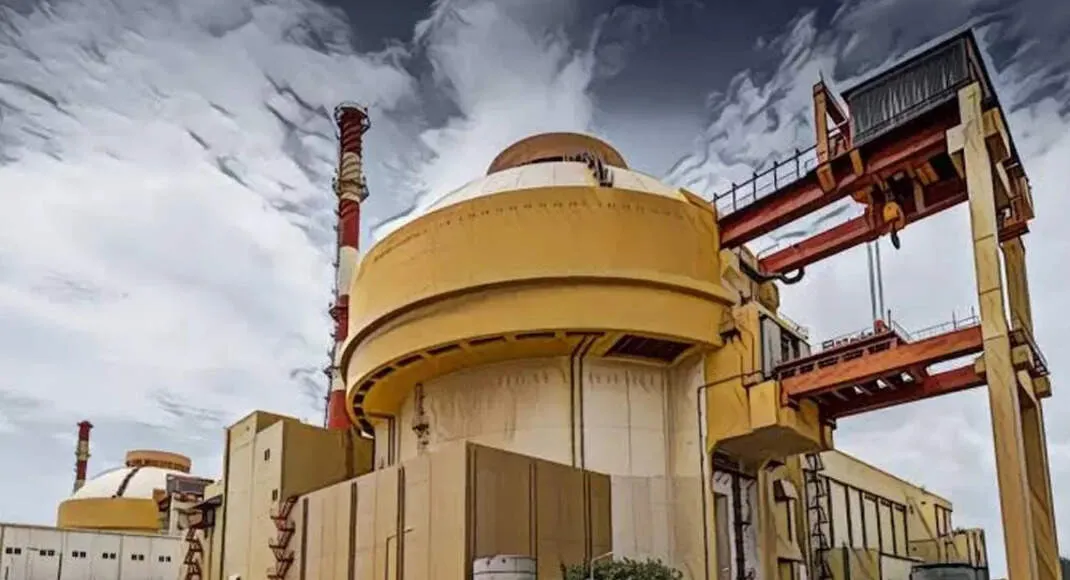
NPCIL says Kudankulam Nuclear Power Project Unit 3 has crossed a key commissioning milestone after starting the “Spillage to Open Reactor” process on 25 April 2026. The move signals progress toward bringing the unit online, as the operator highlights the step as part of India’s broader energy security and sustainability push.
Never miss a story
Set alerts for the topics and sources you care about. Download Beige for free.
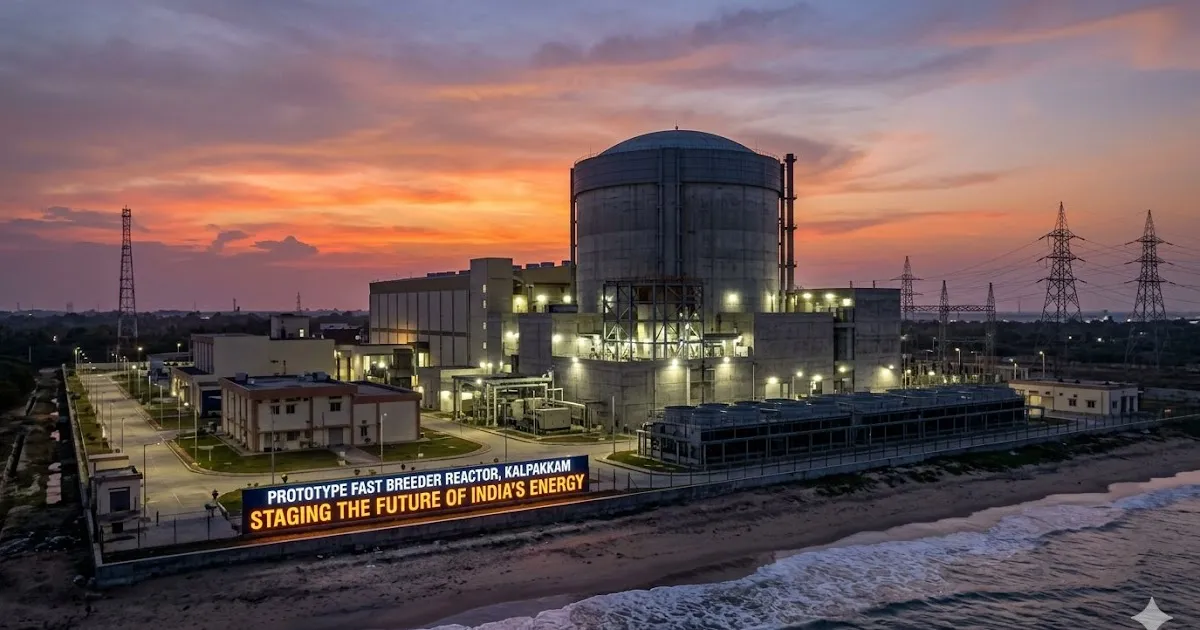
India’s Prototype Fast Breeder Reactor at Kalpakkam reached first criticality on April 6, 2026, placing it alongside Russia as the second country to operate a commercial-level fast breeder reactor. The milestone begins Stage II of India’s three-stage nuclear plan, using MOX fuel to breed more fuel than it consumes and paving the way for a thorium-driven future.
Climate tech investors may be getting the signal they’ve waited for. Nuclear startup X-energy has gone public, while geothermal firm Fervo is set to follow, suggesting momentum in an IPO market that’s often been slow for clean-energy bets. The moves could revive interest, unlock capital, and accelerate the race to scale low-carbon power.
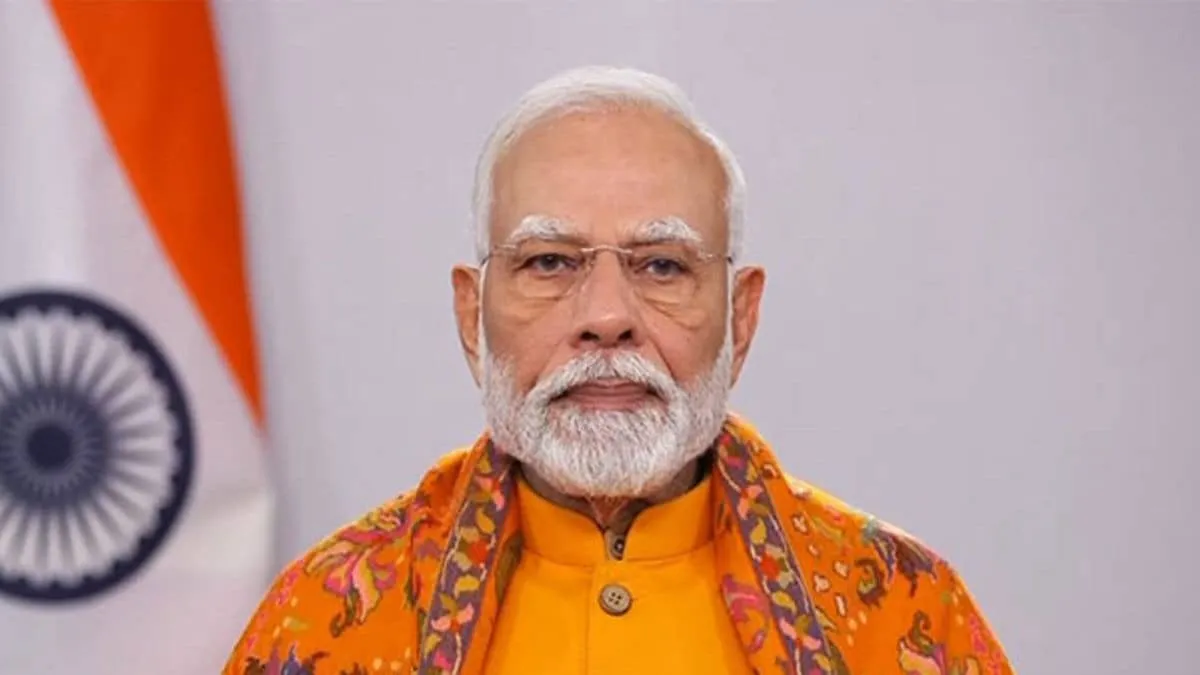
Prime Minister Narendra Modi congratulated scientists for achieving “first criticality” at India’s Prototype Fast Breeder Nuclear Reactor in Kalpakkam, Tamil Nadu. Calling it a historic milestone, the achievement strengthens India’s long-term nuclear roadmap. The PFBR uses MOX fuel and a uranium-238 blanket, designed to help breed additional fuel for future reactor use.
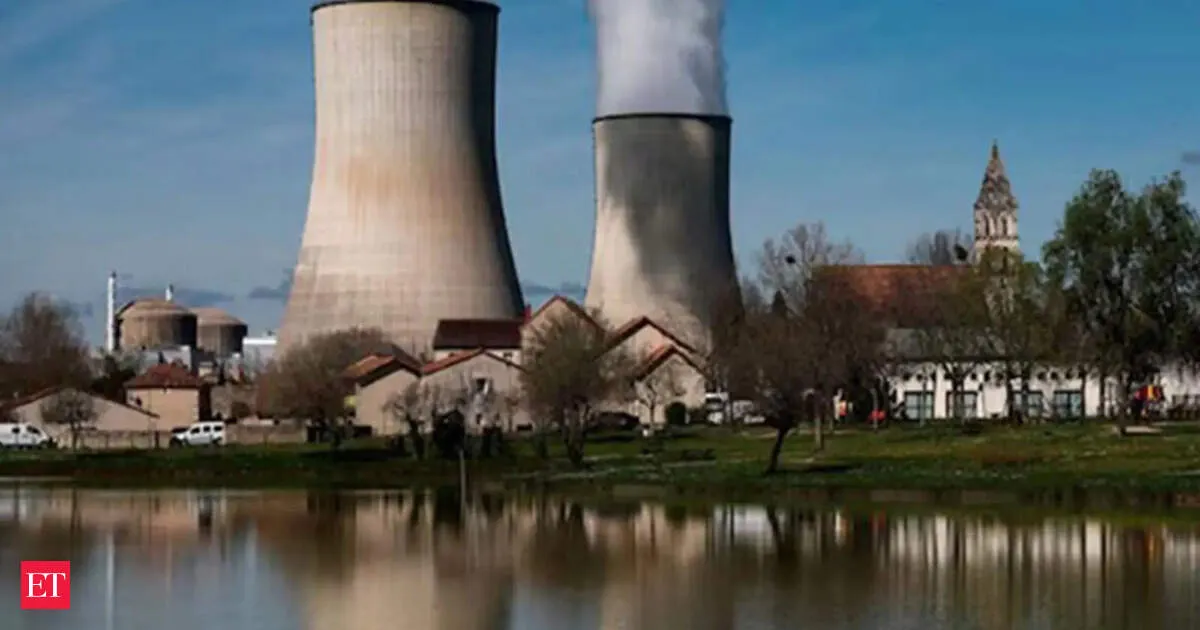
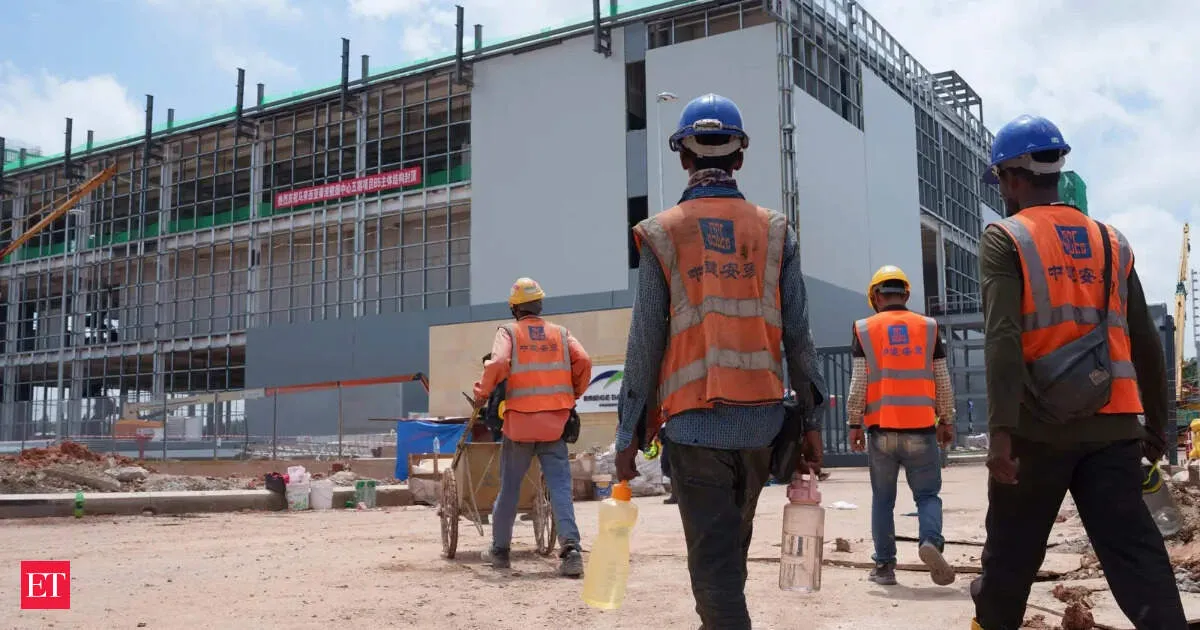
China is reportedly preparing to build up to 50 nuclear reactors simultaneously, aiming to expand low-carbon power and cut reliance on fossil fuels. The country already runs 60 reactors and has more under construction, with nuclear capacity projected to climb toward 200 GW by 2040 as its technology advances quickly.
Reading on mobile?
Open Beige in the app for a smoother experience — free on iOS and Android.
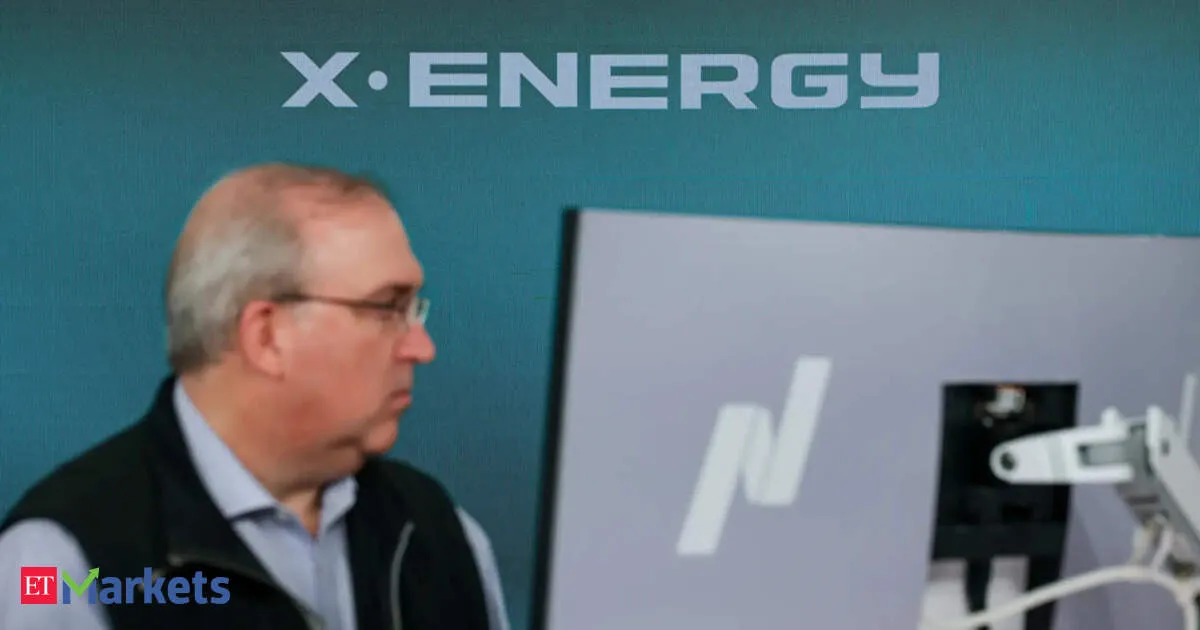
X-Energy, the Amazon-backed nuclear reactor developer, surged 30.9% on its Nasdaq debut and reached a valuation of $11.9 billion. The company raised more than $1 billion in its IPO, positioning its small modular reactors to support AI infrastructure while advancing carbon-free power goals.
Rosatom State Corporation, via ETC GET, has partnered with IIT Bombay and ProSIM R&D Pvt Ltd to pilot a nuclear specialist training programme running April 15–17. The course will use simulator and digital twin technologies to build hands-on operational skills, targeting a shortage of trained manpower as India expands nuclear capacity, including long-term projects like Kudankulam.
India’s fast-breeder nuclear reactor has reached criticality, marking a major step in a long-running effort to secure energy independence. The reactor is designed to use plutonium recovered from spent fuel to generate electricity and produce additional fissile material—technology that only a handful of countries have mastered. Analysts say the milestone strengthens India’s next phase of nuclear capability.
India’s renewed nuclear power push is taking a sharper turn as marquee private players come aboard. Unlike earlier efforts that leaned heavily on state-led execution, the new phase is drawing big-ticket private capital. The shift could accelerate project timelines, alter financing structures, and reshape how nuclear capacity is planned and delivered in the years ahead.
Follow your favourite sources
Track sources, tags and categories — all in the Beige app.
India’s push to revive nuclear power using private capital is colliding with a dispute between state-run NPCIL and private players. A 90-page rulebook has become the flashpoint, with private firms alleging the framework tilts toward control rather than partnership, raising fresh questions over the path to faster projects.
Expanding nuclear power seems like an obvious route to reliable, always-on zero-emissions electricity, but opposition in Europe, Japan, and the US persists. Despite that resistance, the momentum for new nuclear construction is shifting to Asia, with China, India, and South Korea leading, while Russia and Turkey also add more plants.
Chernobyl’s 1986 disaster and later Fukushima dealt nuclear power a long reputational blow, but momentum has returned after four decades. The International Energy Agency’s Fatih Birol says demand is reviving globally, with the war-driven pressure on energy security in the Middle East providing a major boost. Today, the world is building and planning again as more reactors move forward.
Larsen & Toubro has dispatched its seventh 700 MWe steam generator to Nuclear Power Corporation of India Ltd ahead of schedule. Manufactured at the company’s Gujarat facilities, the equipment is intended to speed up NPCIL’s nuclear energy plans and strengthen India’s energy security. The early dispatch underscores continued momentum in critical infrastructure supply timelines.
Stay informed on the go
Bite-sized news from 100+ trusted sources, right in your pocket.
Adani Power has formed a new company, Rawatbhata-Raj Atomic Energy, to broaden its nuclear power push. The firm is a wholly owned subsidiary of Adani Atomic Energy Ltd, underscoring the group’s long-term commitment to atomic energy. The move adds to India’s expanding nuclear capacity, with private players increasingly taking a role in generation plans.
Larsen & Toubro says it will deepen its role in India’s nuclear buildout, citing decades of involvement in technology development, manufacturing and localisation. The firm expects its revenues to triple within five years, tied to the government’s plan to expand nuclear capacity from about 8.8 GW today to 100 GW by 2047.
Swipe through stories, personalise your feed, and save articles for later — all on the app.