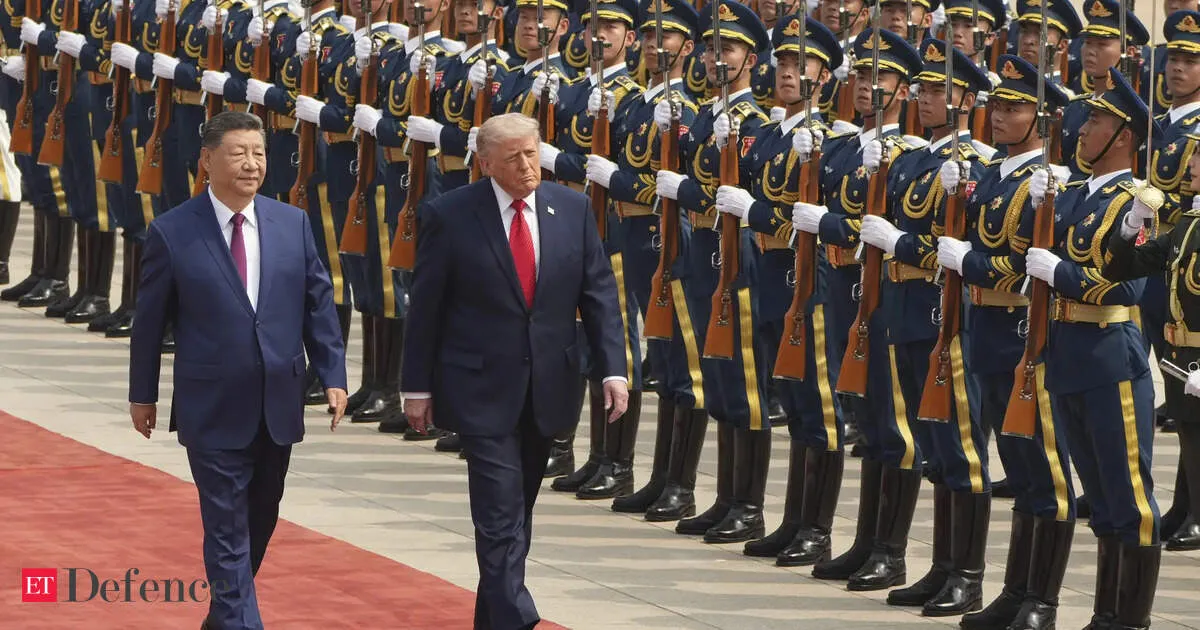
While Trump and Xi’s meeting may focus on trade, tech, Taiwan and AI, analysts argue nuclear weapons are the most urgent issue. After New START expired in February, US arms-control officials warned China is expanding and modernising its atomic arsenal, estimating 600 warheads now and 1,000 by 2030, alongside new delivery systems. The US also alleged China conducted nuclear tests using “decoupling” to evade monitoring, claims China denies.
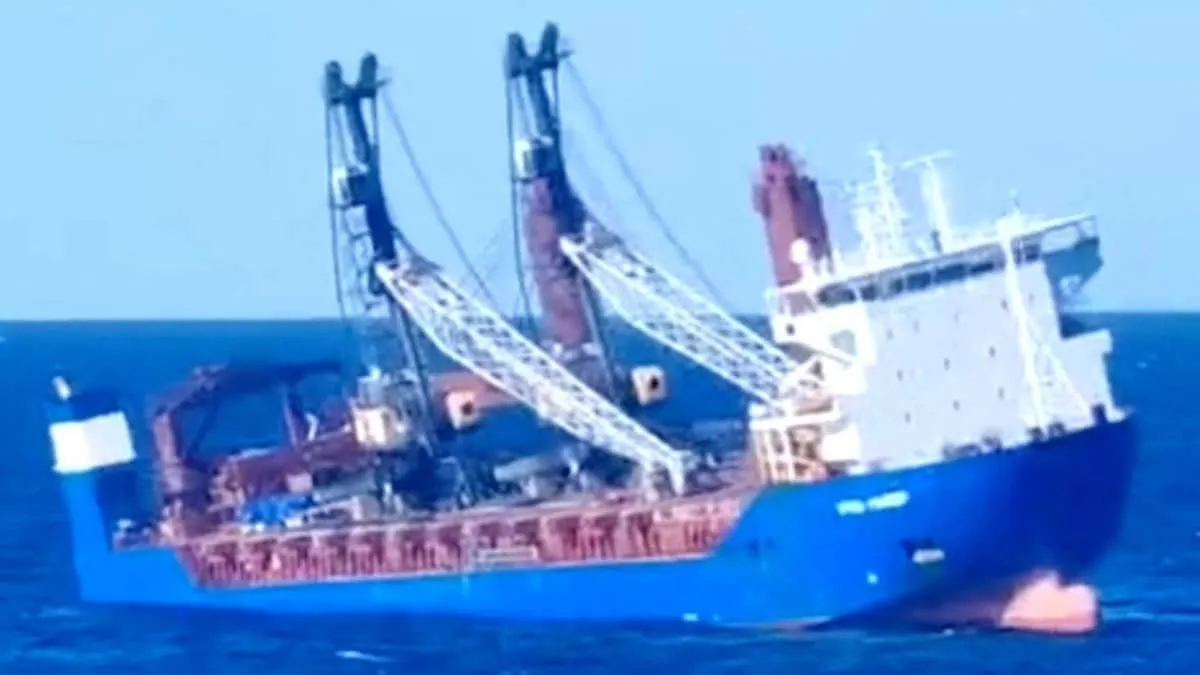
A leaked Spanish government document says the Russian ship Ursa Major sank in the Mediterranean after an engine-room explosion in December 2024, and may have been carrying components for submarine nuclear reactors. The report, citing the document, links the incident between Spain and Algeria to nuclear equipment, raising fresh questions for investigators and international security officials.
Your news, in seconds
Get the Beige app — every story in 60 words, updated hourly. Free on iOS & Android.
President Trump says Americans feeling the pinch from rising energy costs will not shape his Iran nuclear policy. He argues his priority is stopping Tehran from acquiring a nuclear weapon and calls it his sole focus, even as inflation pressure grows and voters worry ahead of midterm elections.
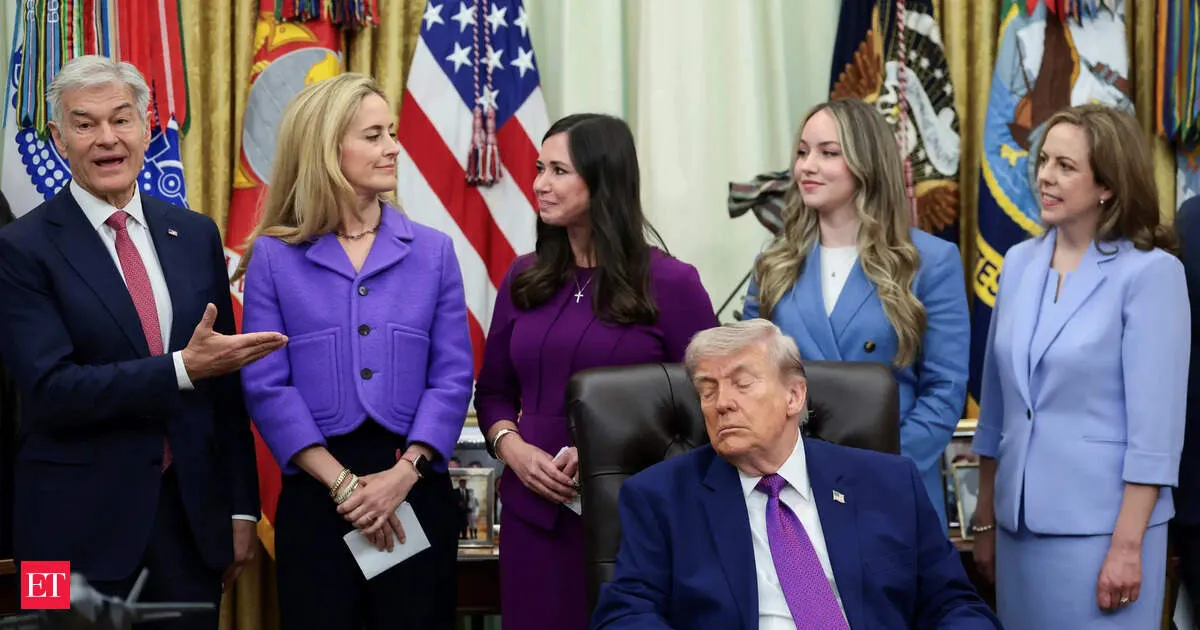
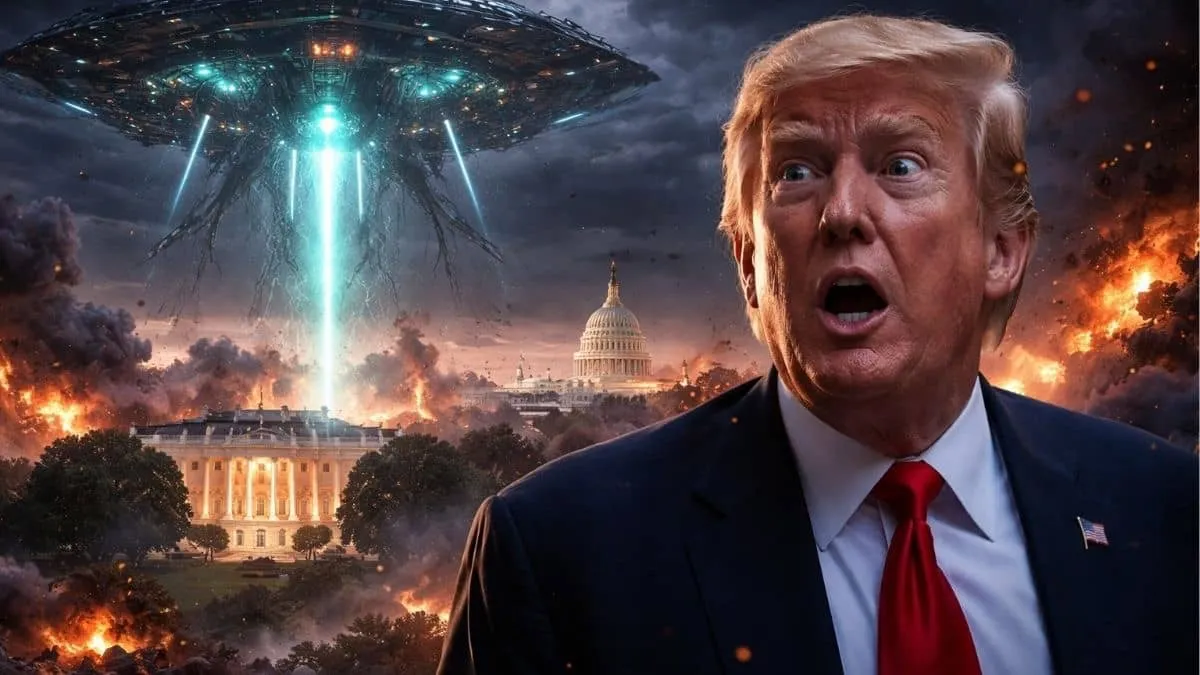
US President Donald Trump dismissed Iran’s latest peace proposal, arguing the ceasefire is on “life support.” Speaking from the Oval Office during a maternal healthcare event, he reiterated that Iran has been militarily defeated and claimed any gains made during the ceasefire would be undone quickly. Trump also renewed warnings that Iran cannot be allowed to develop a nuclear weapon.
President Donald Trump dismissed Iran’s latest peace proposal, saying the ceasefire is fragile and warning it is effectively on life support. He also criticized Kurdish intermediaries involved in the negotiations, calling Iran’s terms unacceptable. Trump reiterated that Iran must not obtain nuclear weapons, while projecting resolve as conflict continues and talks stall.
India is considering shrinking exclusion zones around nuclear reactors to free up land for plant expansions and encourage private investment. Regulators have reportedly given the proposal in-principle approval, with the potential to reduce land requirements and enable more nuclear capacity. Still, the move may face public and political backlash over safety concerns.
Never miss a story
Set alerts for the topics and sources you care about. Download Beige for free.
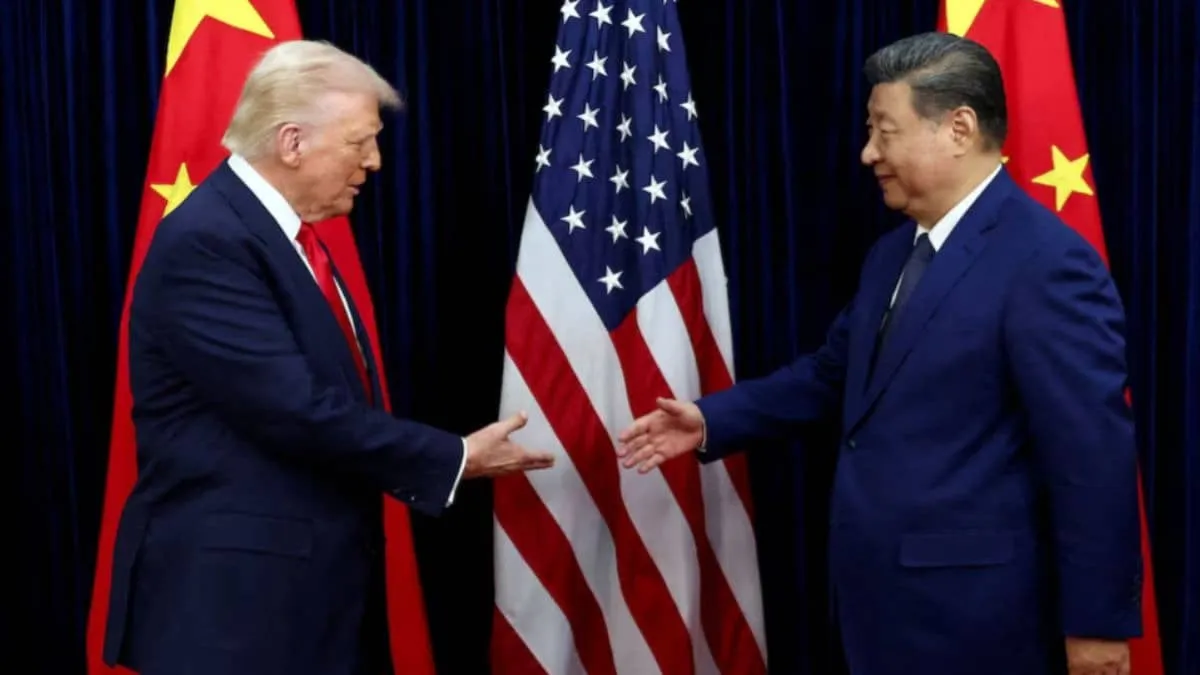
U.S. President Donald Trump and China’s Xi Jinping will meet in person in China May 13–15, their first face to face talks in over six months. U.S. officials say the agenda spans Iran, Taiwan, artificial intelligence, nuclear weapons, and extending a critical minerals deal, as both sides try to stabilize strained ties after recent trade disputes.
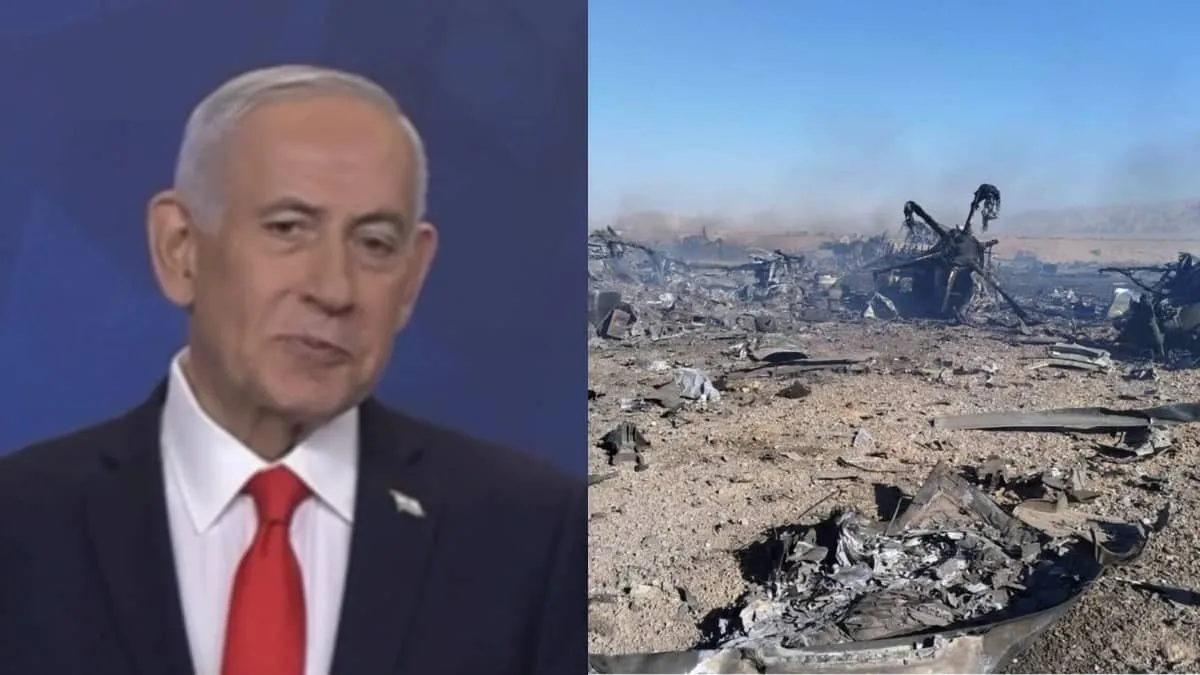
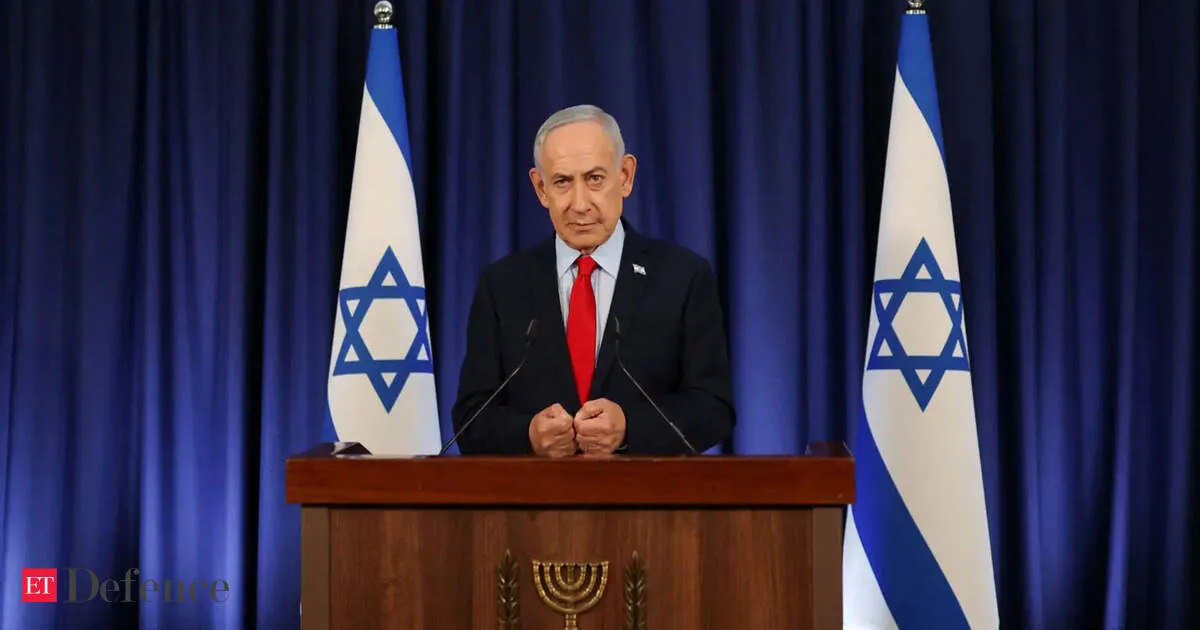
Israeli Prime Minister Benjamin Netanyahu said the Iran confrontation is “not over” despite a US-supported ceasefire, arguing the nuclear threat was degraded but not eliminated. Speaking to CBS News, he urged Iran to remove its near-bomb-grade enriched uranium stockpile and dismantle enrichment sites, warning tensions are rising as US-Iran clashes continue amid Gulf concerns.
Israeli Prime Minister Benjamin Netanyahu says the US-Israeli war against Iran cannot be considered over until Iran’s stockpile of enriched uranium is “taken out.” In an interview, he added that other war aims remain unfulfilled, signalling no immediate resolution despite the ongoing conflict. The comments intensify pressure on the nuclear issue as a key condition for any pause.
US President Donald Trump said military action was taken against Iran’s nuclear programme to protect the Gulf, including Israel, from the risk of Tehran obtaining a nuclear weapon. Speaking in Florida, he argued talks were not delivering the kind of deal Washington requires, adding that he is ruling out any “early exit” from the region.
Reading on mobile?
Open Beige in the app for a smoother experience — free on iOS and Android.
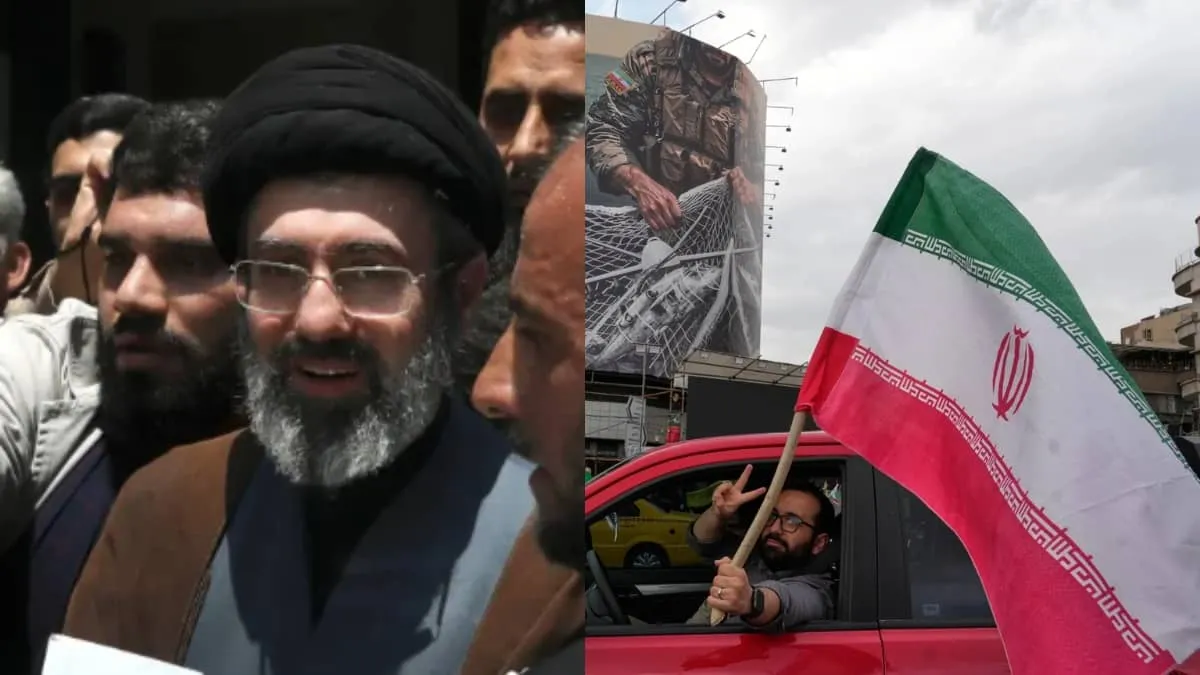
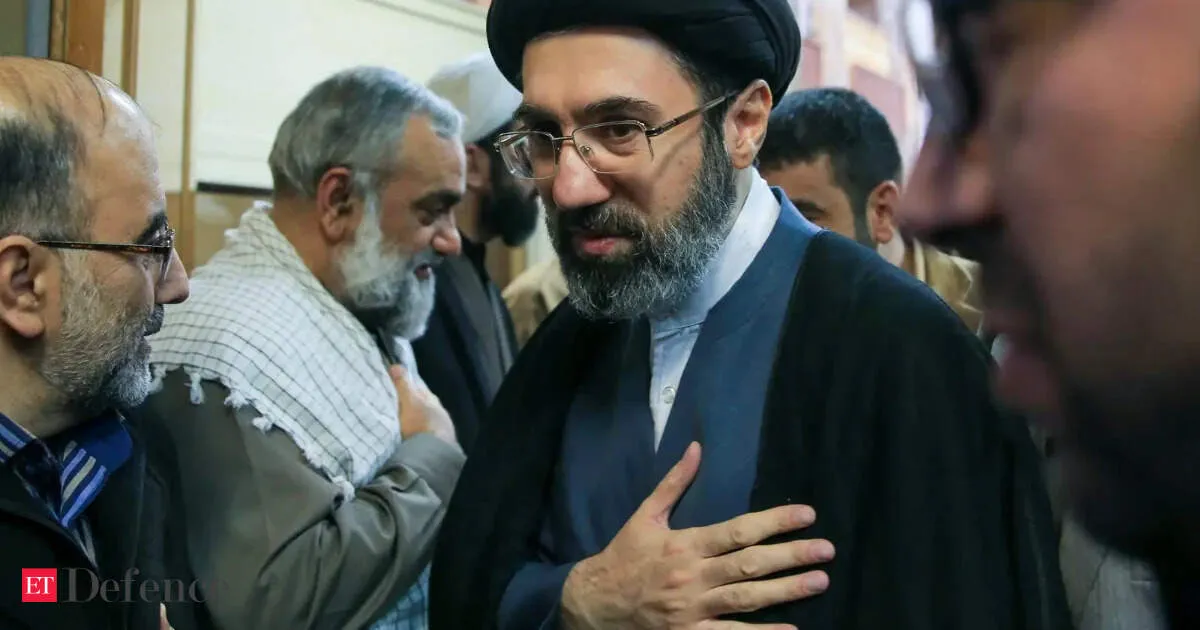
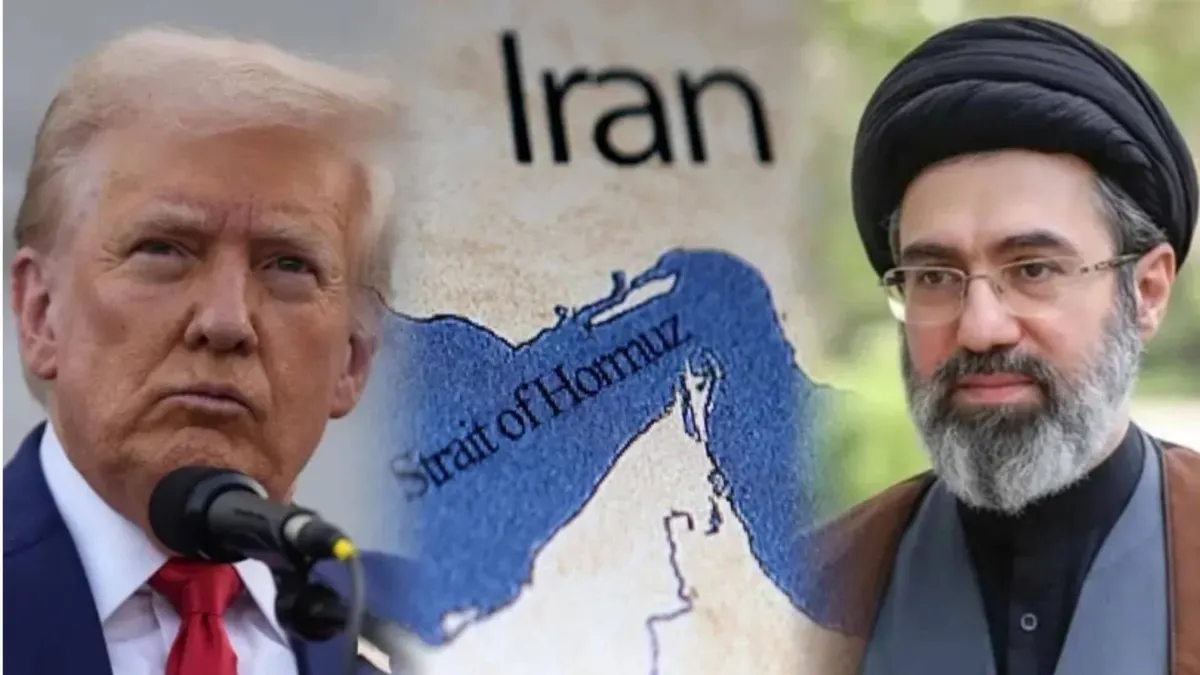
Iran’s Supreme Leader Mojtaba Khamenei vowed to protect the country’s nuclear and missile programmes, framing U.S. pressure as part of a wider attempt to curb Iran amid an uneasy ceasefire. As a U.S. blockade tightens the squeeze on Iranian oil exports, Tehran keeps the Strait of Hormuz shut, heightening fears of escalation in the Persian Gulf.
Iran’s Supreme Leader Mojtaba Khamenei says the country will defend its nuclear and missile capabilities, calling them national assets. In the same message, he signals a “new phase” for the Persian Gulf—imagining a future with reduced American influence—and warns foreign powers against interference, urging Gulf states to share a common destiny.
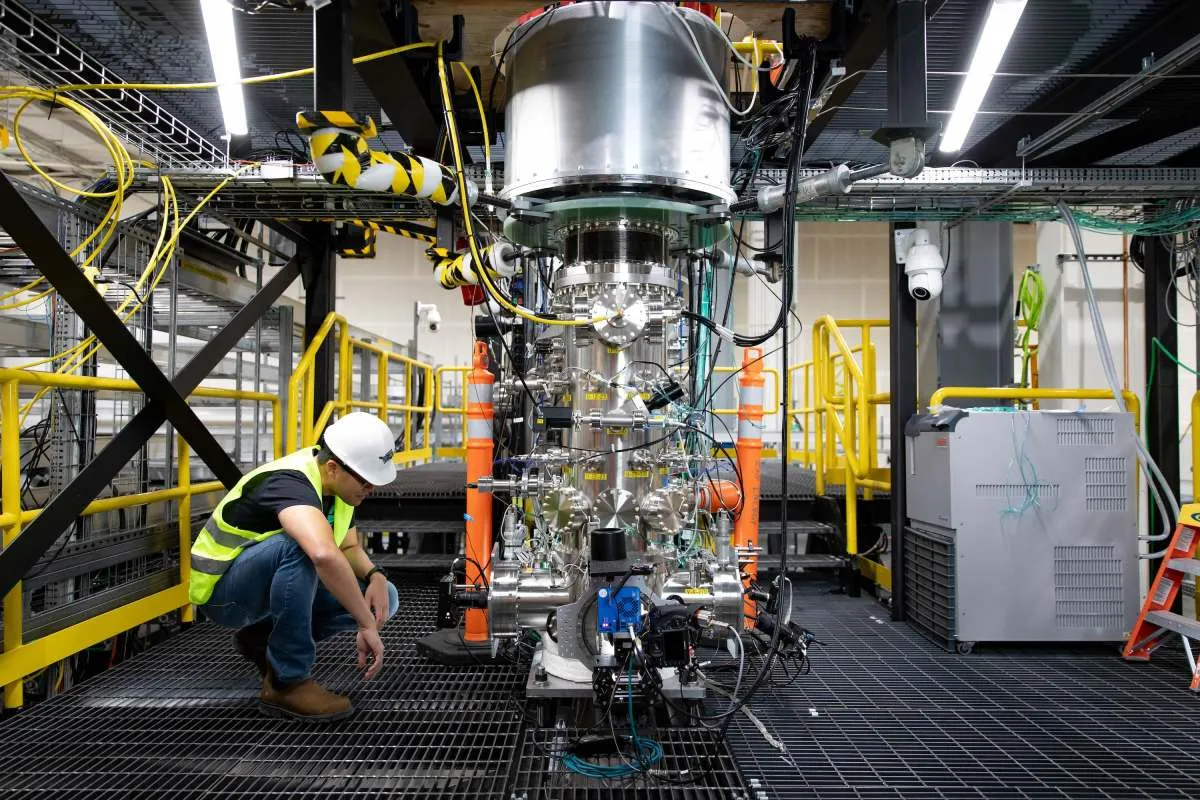
Fusion startup Zap Energy is making a surprising partial pivot: alongside its fusion research, it plans to develop nuclear fission reactors. The move signals a strategy shift toward parallel power pathways as fusion timelines remain uncertain. It also raises big questions about licensing, safety, and how the company will integrate two very different reactor technologies under one commercialization plan.
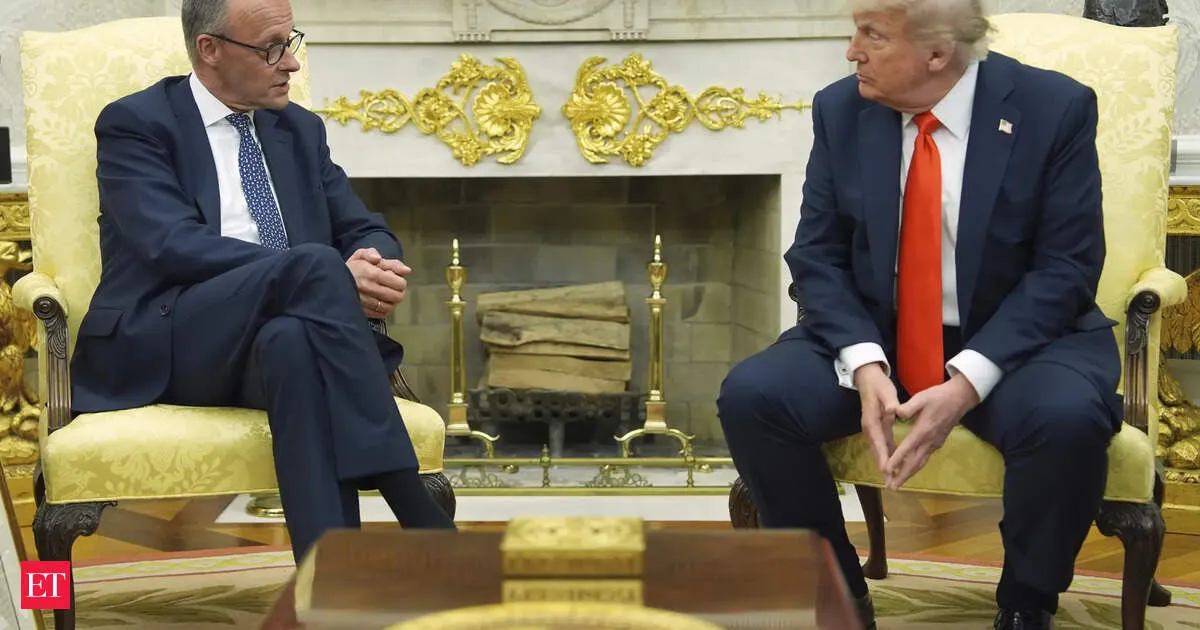
President Trump sharply criticized German Chancellor Friedrich Merz over his remarks on the Iran conflict, alleging Merz misread Tehran’s nuclear ambitions and distorted Trump’s stance. Merz had earlier questioned US strategy while describing Iran’s leadership as able to “humiliate” Washington, intensifying tensions as concerns over nuclear escalation resurface.
Follow your favourite sources
Track sources, tags and categories — all in the Beige app.
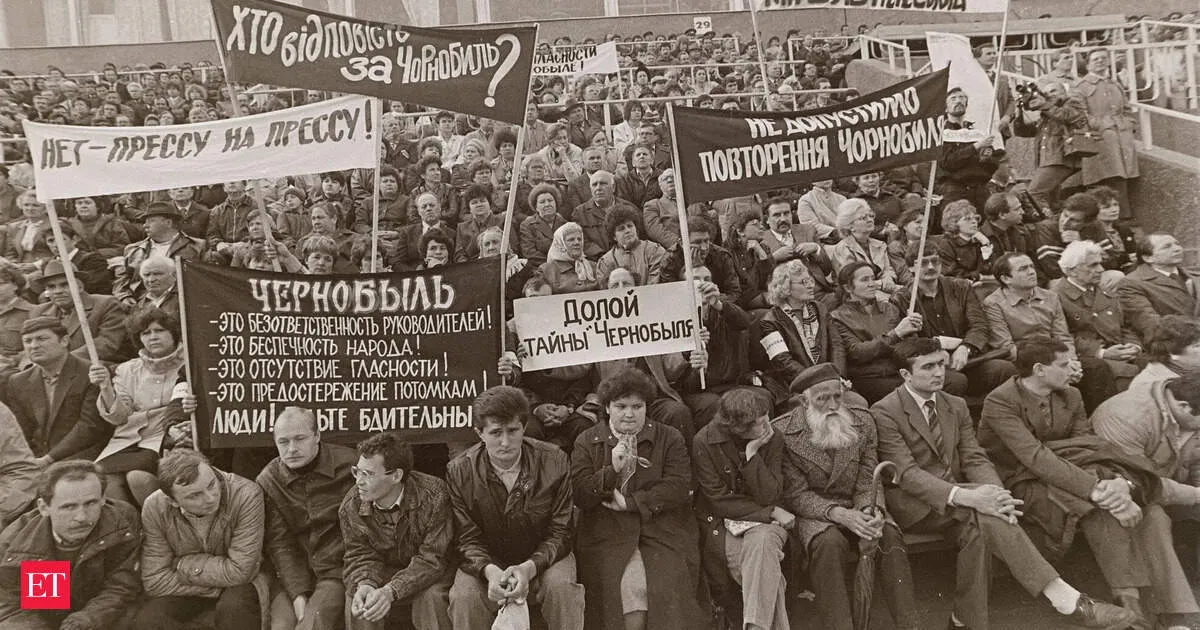
Ukraine marks the 40th anniversary of the Chernobyl disaster, the deadliest civilian nuclear accident in history. On April 26, 1986, at 01:23, a human error during a routine safety test triggered an explosion in reactor number four at the plant in what was then Soviet Ukraine. The tragedy reshaped nuclear safety worldwide.
US President Donald Trump said he would not use a nuclear weapon in the conflict with Iran, stressing such arms should never be used. He linked the message to wider efforts to curb Iran’s nuclear ambitions, adding that the US has a strong economy and sufficient oil supplies as ships reroute amid tensions around the Strait of Hormuz.
Swipe through stories, personalise your feed, and save articles for later — all on the app.