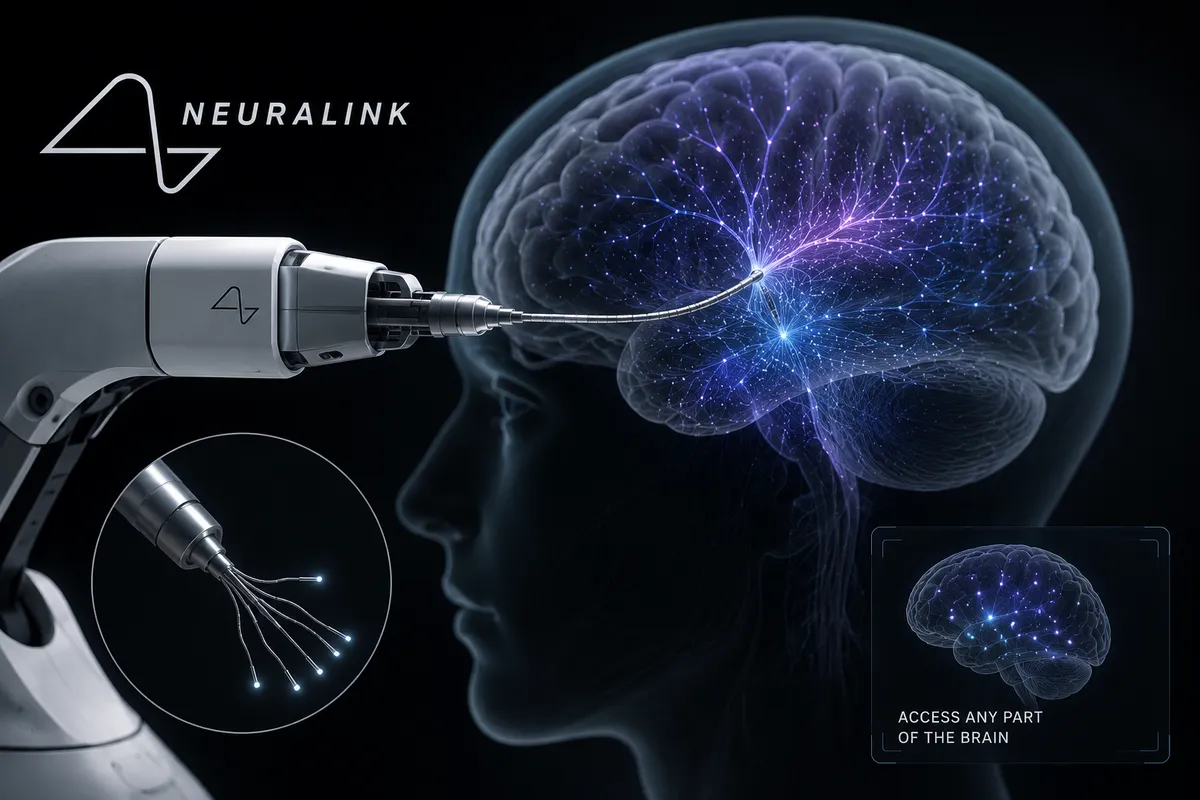
Elon Musk says Neuralink is building a surgical robot designed to reach any brain region with high precision. The automated system uses sensors and cameras to guide ultrathin electrode threads while accounting for brain movement from breathing and heartbeat. Neuralink’s goal is a “generalised neural interface” that could expand beyond movement conditions toward conditions like epilepsy, Parkinson’s, and sensory disorders—if safety and long-term durability hold up.
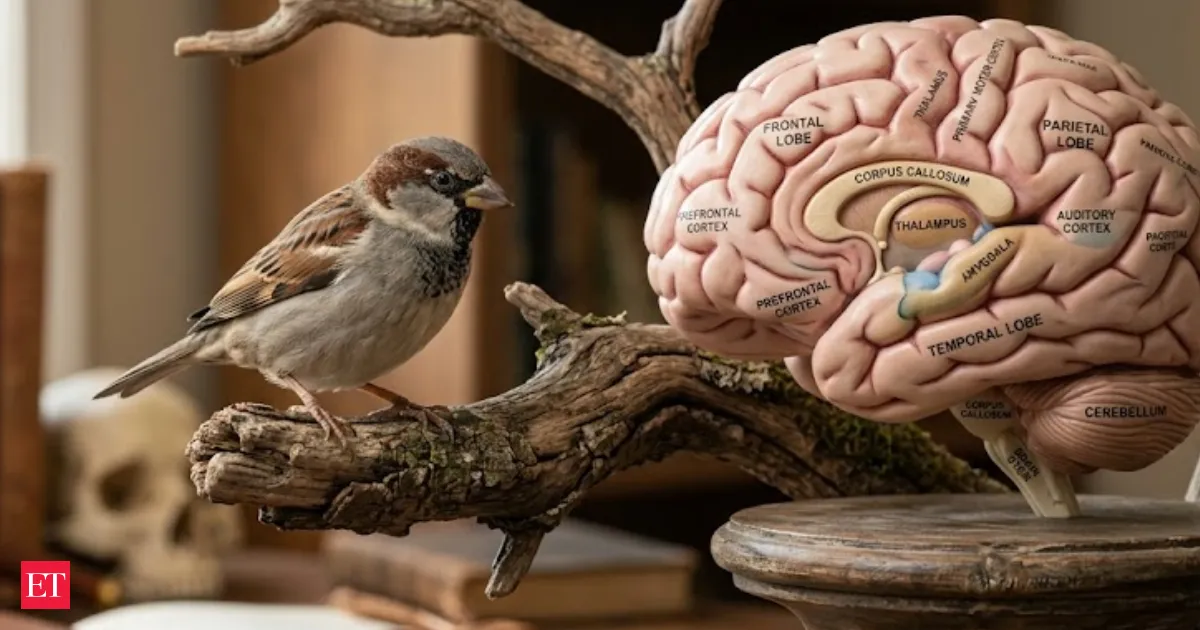
New research suggests birdwatching does more than improve observation and memory. Years of identifying birds appear to create measurable structural differences in the brain, boosting attention and visual processing. Studies also find expert birders display distinct brain activity under pressure, hinting that this “brain workout” could support cognitive reserve as people age.
Your news, in seconds
Get the Beige app — every story in 60 words, updated hourly. Free on iOS & Android.
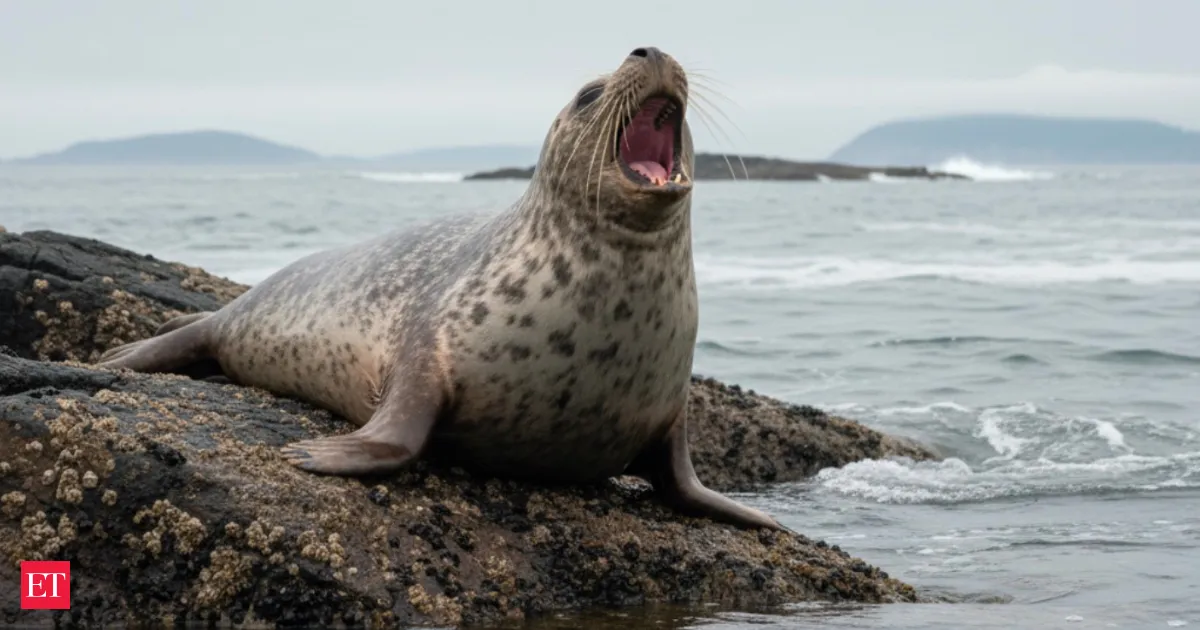
Seals and sea lions can voluntarily control their vocalizations, a rare ability in mammals. Scientists say their vocal motor cortex connects directly to the muscles that produce sound, unlike most species whose calls are largely automatic. Their specialized underwater breathing systems are also tied to vocal production, helping researchers piece together how human-like speech may have evolved.
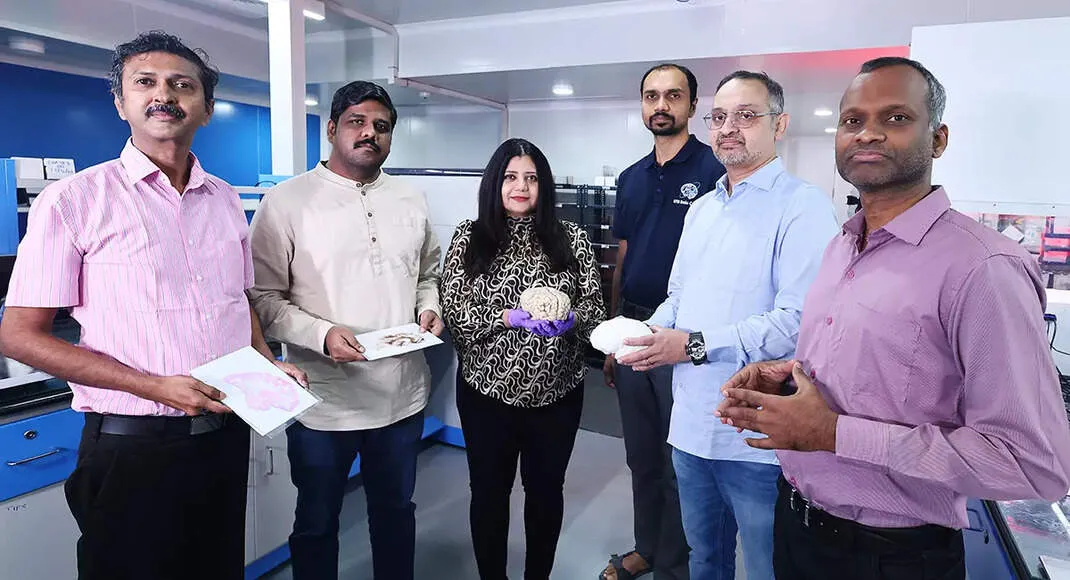
IIT Madras scientists are using indigenous proprietary technology to create extremely high-resolution brain images by slicing tissue down to a fraction of a human hair. The resulting image bank is reported to be several times sharper than advanced MRI, offering new clues about how Alzheimer’s and Parkinson’s begin and progress—potentially accelerating earlier detection and better treatments.
Swipe through stories, personalise your feed, and save articles for later — all on the app.