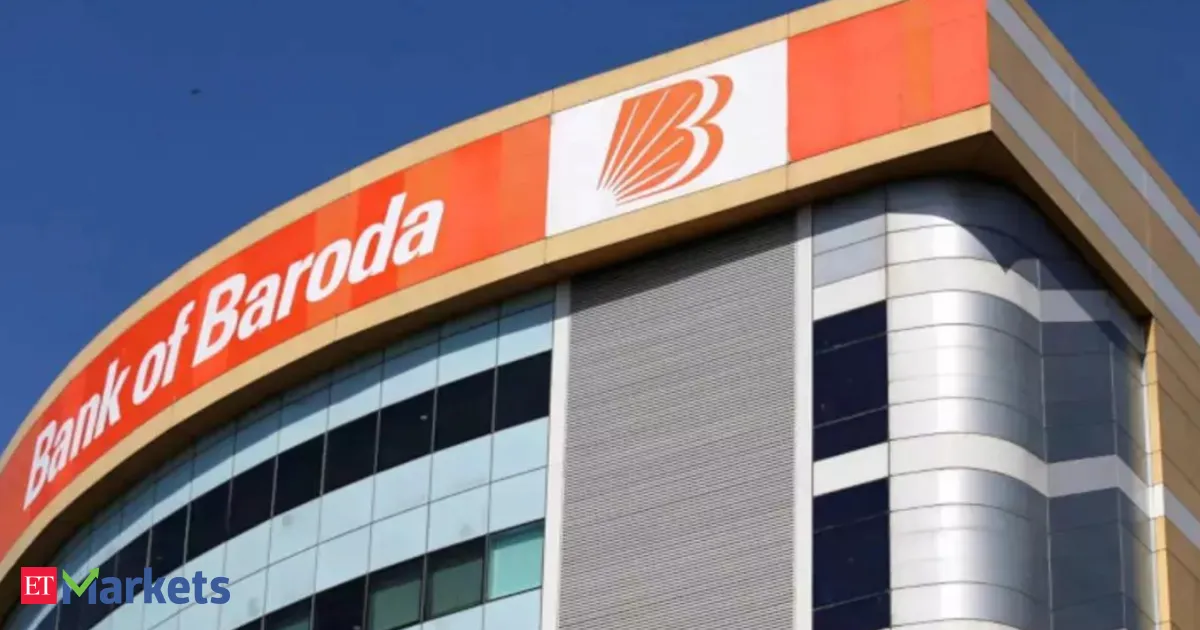
Bank of Baroda has invited bids for a ₹2,776 crore stressed loan portfolio comprising 41 accounts, with nine declared fraud cases included. The lender is selling the assets on a cash basis under “as is where is, without recourse,” transferring all credit, operational and legal risks to the buyer. The portfolio spans sectors like power, infrastructure, real estate, textiles, automobiles and media. Book dues are as of March 31, 2026, and BOB says asset transfer won’t affect ongoing CBI or police investigations. Bids will be processed via Swiss Challenge.
Housing finance startup Nivasa Finance raised ₹25 crore in a seed round led by Prime Venture Partners, with participation from Blume Ventures, Whiteboard Capital, and angels. Founded in 2025, the Bengaluru-based platform links borrowers in rural and semi-urban markets to banks and NBFCs, using remote onboarding and doorstep service. It plans to expand in 12 months, strengthen partnerships, and pursue an NBFC licence.
Your news, in seconds
Get the Beige app — every story in 60 words, updated hourly. Free on iOS & Android.
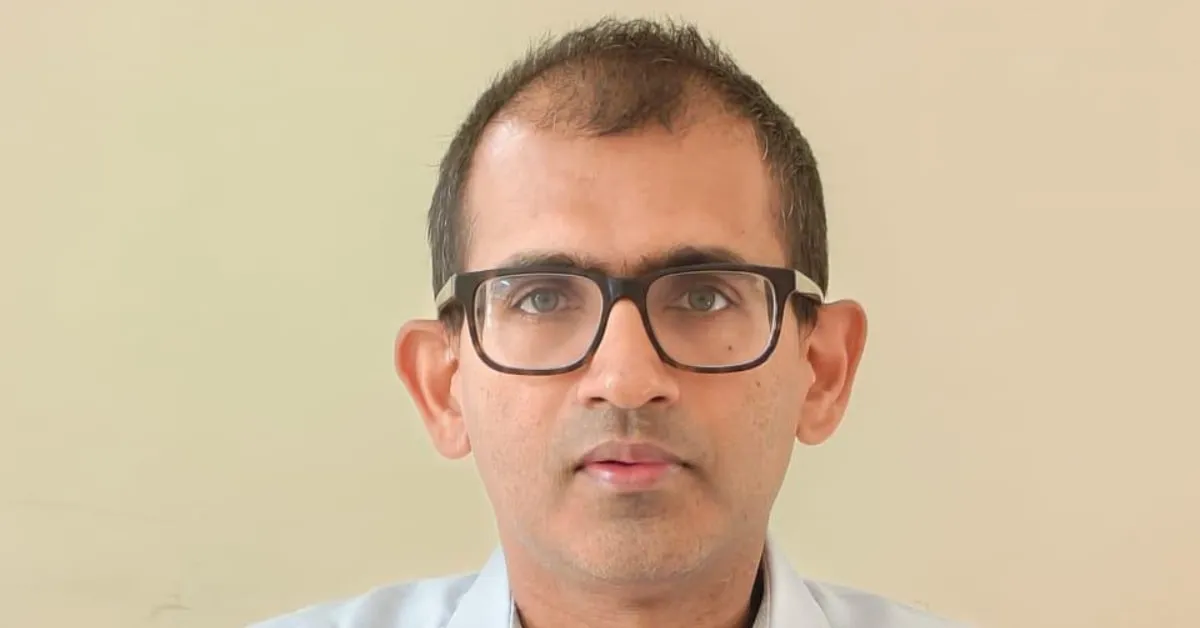
Indian stocks rallied sharply as hopes of a US Iran peace deal eased fears over crude prices, helping sectors battered by inflation. Despite intraday volatility, market expert Neeraj Dewan expects more upside, pointing to strengthening domestic earnings. He highlights mid and small caps as key opportunities, with selective bets on defence, realty and NBFCs for long-term growth.
Bank lending to non-banking finance companies surged 26% in the previous fiscal year, the fastest pace expected into FY26. The jump is linked to the Reserve Bank of India easing risk weights, making NBFC exposures less capital-intensive for banks. Looser regulatory norms and lower lending rates further boosted financing demand, reshaping credit flows.
Indian salaries are projected to rise 9.1% in 2026, according to an Aon survey, outpacing many global economies. Real estate, NBFCs and manufacturing are expected to lead the increases as employee attrition continues to fall toward pre-pandemic levels. Companies are also revising pay structures to comply with new wage codes, often reshaping compensation.
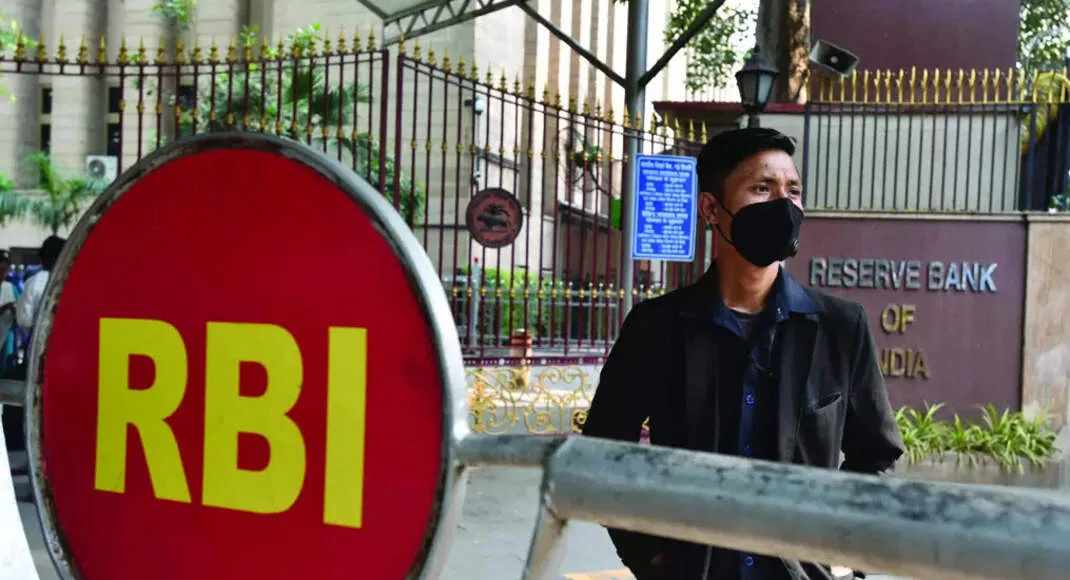
The RBI has proposed curbs on banks and NBFCs investing in Alternative Investment Funds, capping any single regulated entity’s contribution to 10% of a scheme’s total corpus. The move tightens concentration risk and changes how financial firms allocate money into AIFs, with potential ripple effects for funding strategies and investment flows.
Never miss a story
Set alerts for the topics and sources you care about. Download Beige for free.
Swipe through stories, personalise your feed, and save articles for later — all on the app.