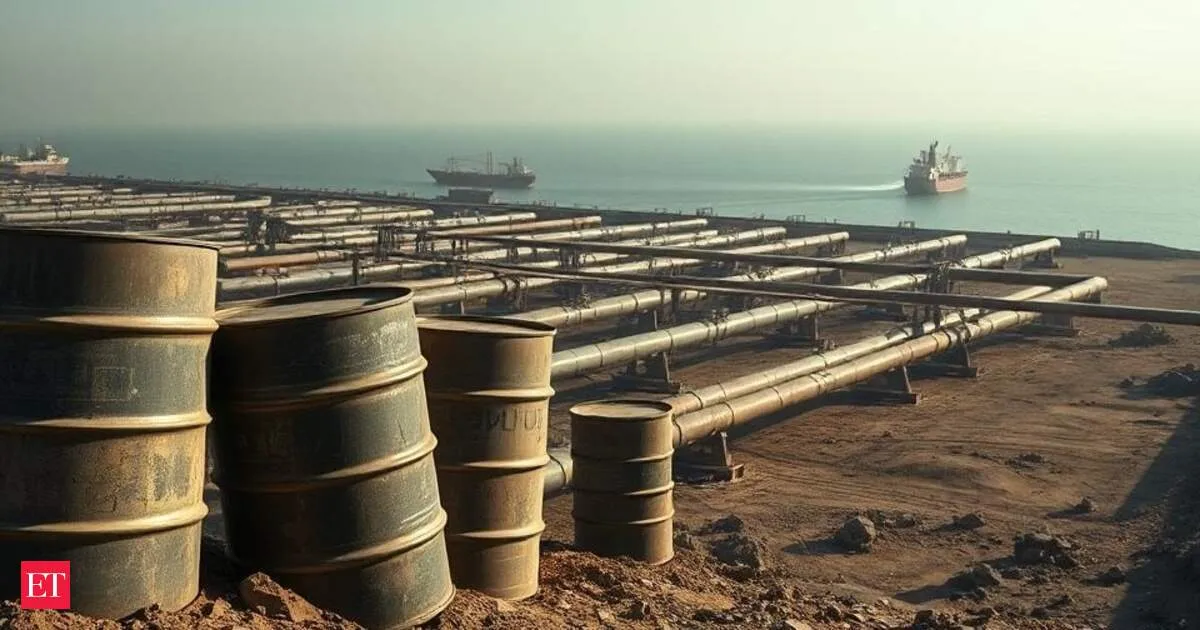
Oil prices eased after three days of gains as traders digested a fragile Iran ceasefire and the upcoming Trump-Xi meeting in Beijing. Brent futures fell to about $106.91 a barrel and WTI to around $101.14, with markets remaining jittery about potential supply disruptions tied to the Strait of Hormuz, a key shipping chokepoint. Natural gas in Europe stayed largely stable as some LNG resumed, yet buyers were cautious because storage levels remain low. Analysts expect volatility to persist with geopolitics and inventories.
Natural gas royalty firm WhiteHawk has filed for a US IPO after reporting a staggering 615% revenue spike in 2025. Backed by large natural gas holdings across millions of acres, the company says it aims to deliver consistent dividends to investors. The filing comes as energy markets heat up, with oil prices rising and demand for royalty income strengthening.
Your news, in seconds
Get the Beige app — every story in 60 words, updated hourly. Free on iOS & Android.
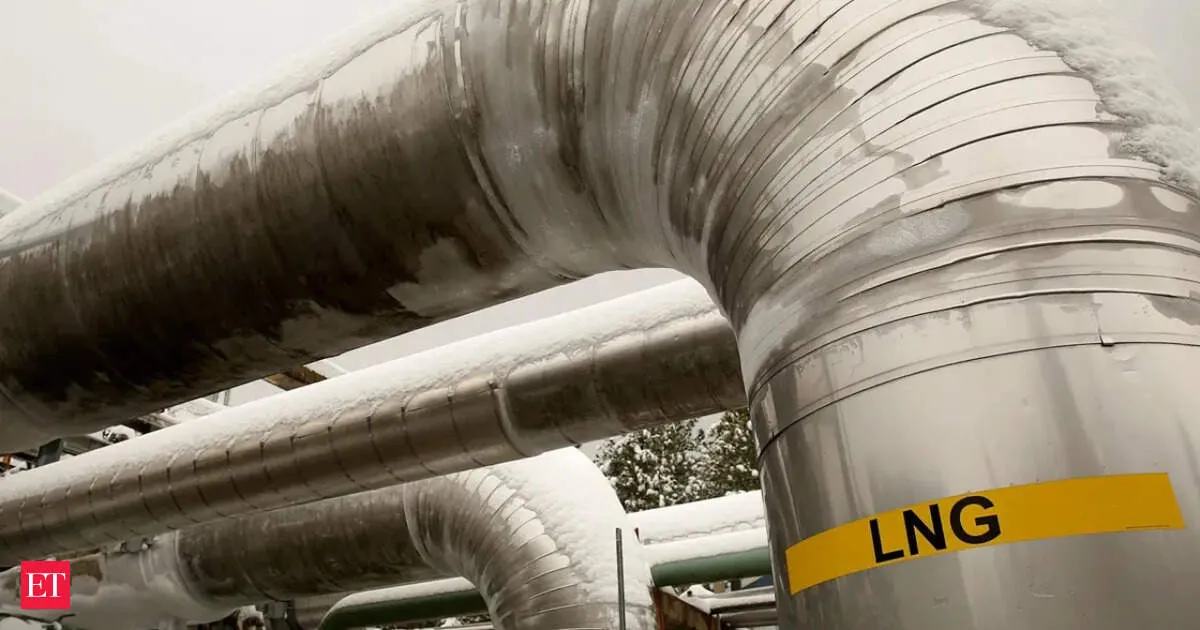
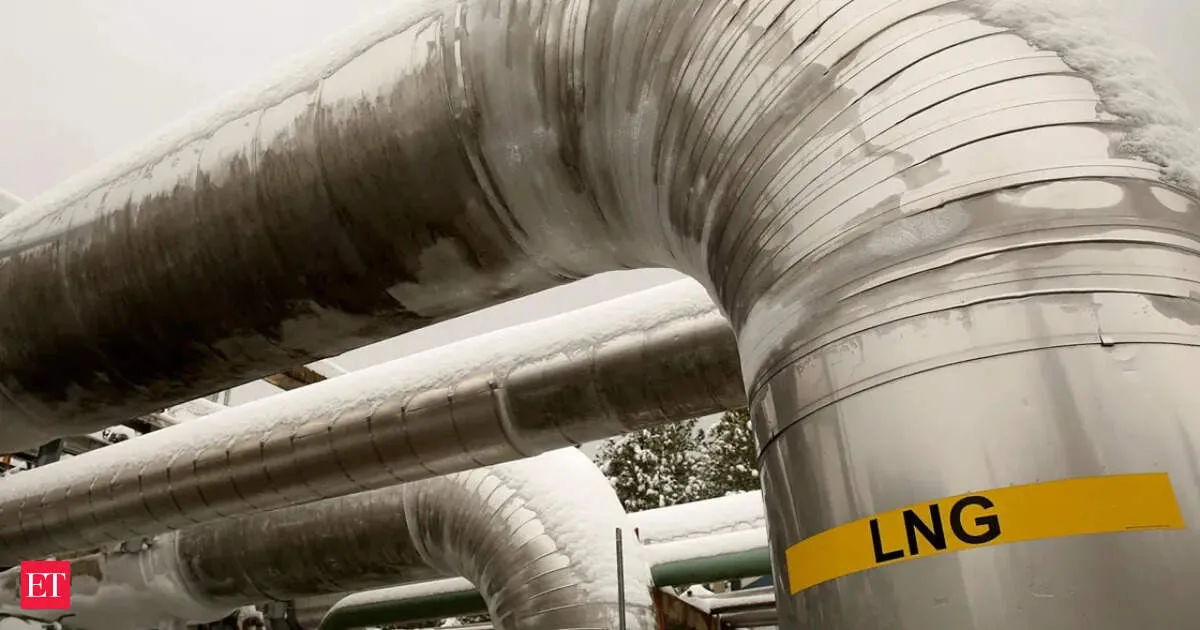
India has refused Russian liquefied natural gas shipments to avoid exposure to US sanctions, according to sources. With energy supply uncertainty rising alongside Middle East tensions, a Russian LNG tanker reportedly remains stuck without approval for permitted cargoes. India and Russia continue discussions on what shipments could legally proceed, while Russia pushes to find alternative buyers for its LNG exports.
India imports roughly half its natural gas needs, relying on LNG shipments carried by tankers from suppliers such as Qatar and the US. With Qatar deliveries reportedly facing disruptions, the government is looking to boost LNG tank capacity to improve storage and keep electricity generation, fertiliser output, CNG for vehicles, and household cooking supplied.
Oil and gas prices jumped today after reports of a US warship incident near the Strait of Hormuz. Brent and US WTI crude futures rose around 5%, while Dutch natural gas prices also climbed as LNG supply stayed trapped. Analysts now focus on supply disruption risks, OPEC+ output decisions, storage levels, and ongoing geopolitics to gauge whether the rally can continue or reverses.
Oil prices fell after Iran proposed new talks with the US via Pakistan, boosting hopes of improved supply. Brent and WTI initially dropped before a partial rebound. Meanwhile, US natural gas futures rose as domestic output declined and LNG exports hit records. Storage levels, pipeline constraints, and weather-driven demand further influenced gas prices.
Never miss a story
Set alerts for the topics and sources you care about. Download Beige for free.
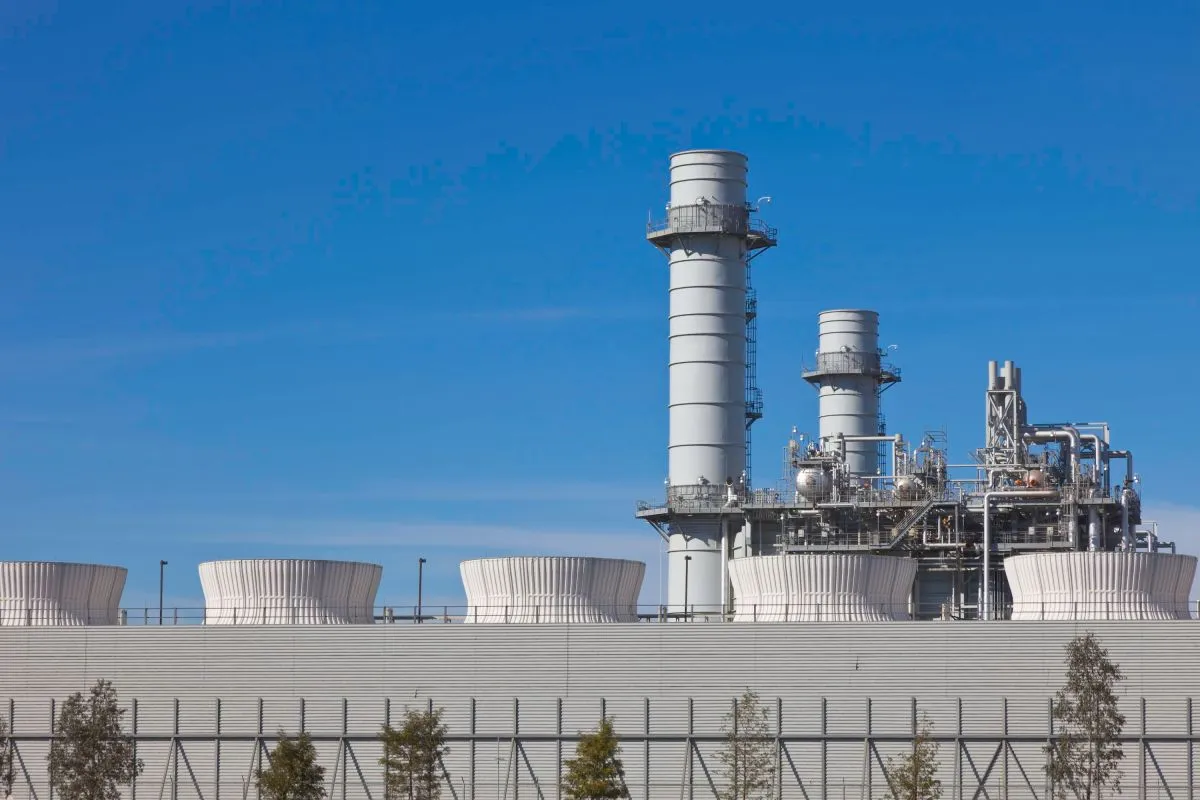
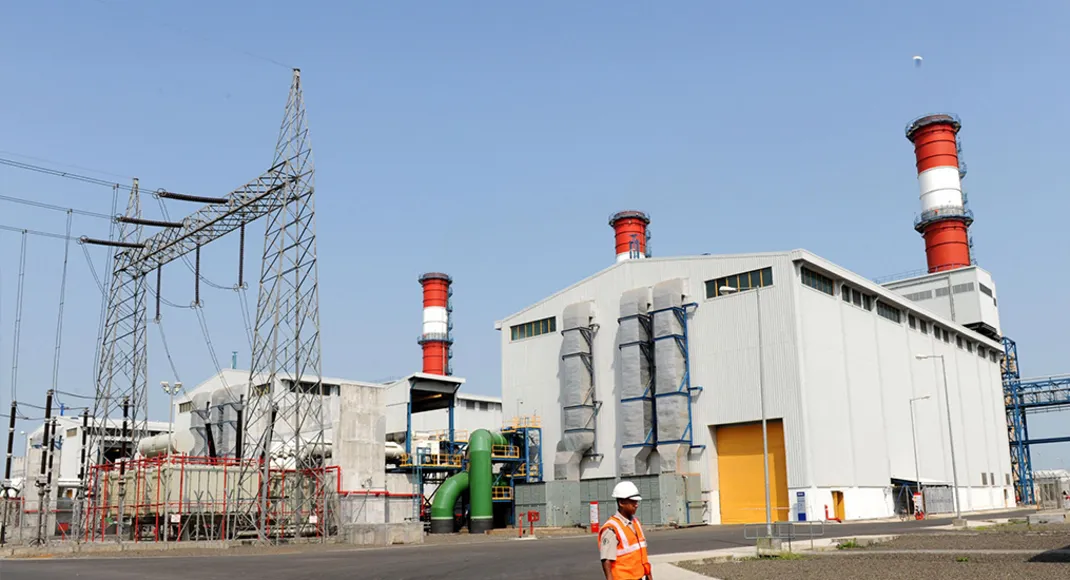
Natural gas power plant costs have surged nearly twofold in just two years, with construction now taking about 23% longer. The report points to rapidly rising electricity demand from data centers as the key driver, squeezing project timelines and budgets at a moment when more capacity is urgently needed.
The National Stock Exchange (NSE) has sold about a 1% stake in Indian Gas Exchange (IGX), India’s first online delivery-based natural gas trading platform, citing compliance with regulatory requirements. Sources say the offloading was prompted by norms that restrict ownership levels, making this small move a potential indicator of further regulatory pressure on market structures.
India’s data centres are expanding, and with them comes a quiet demand for reliable power. A fleet of older, gas-based plants—often neglected and underutilised—could find a renewed role. But whether they actually power Digital India hinges on unglamorous realities: policy signals, gas and power pricing, and political will to make the economics work.
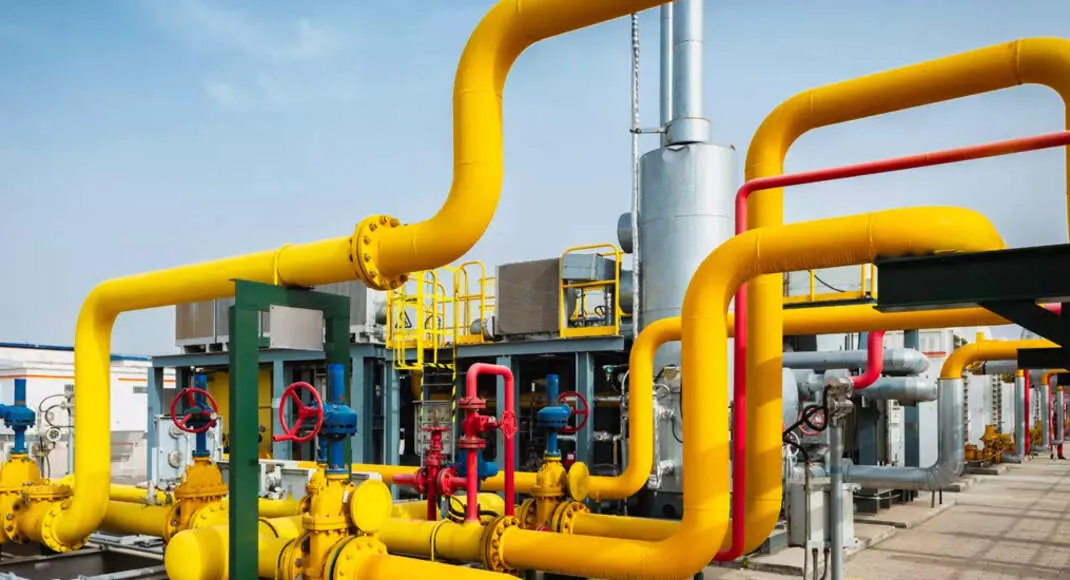
India’s gas expansion is constrained by a rigid, outdated pipeline and market setup, even as Europe advances with flexible, market-led network models. The Entry-Exit framework is touted as a potential turning point for clearer pricing and competition, but success depends on whether policymakers will implement reforms boldly and consistently across the system.
Reading on mobile?
Open Beige in the app for a smoother experience — free on iOS and Android.
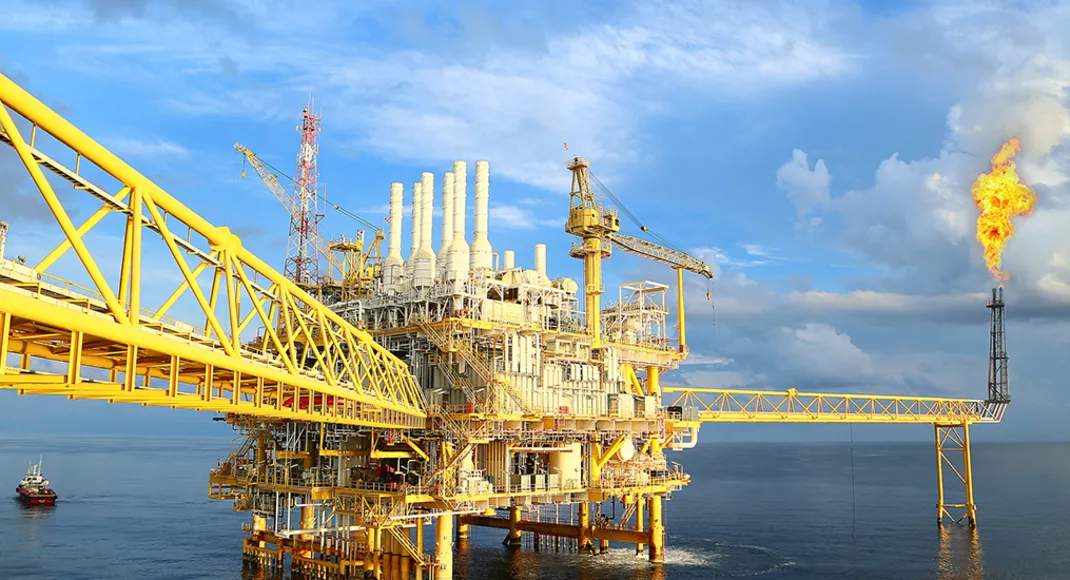
India’s crude oil and natural gas output kept falling in 2025-26, extending an 11-year slide as ageing fields drain production and new discoveries fail to replace losses. The result: rising import dependence. Even with policy reforms, foreign investment remains limited and fears over policy stability are discouraging exploration needed to reverse domestic decline.
KG-98/2, once celebrated after a 2002 Reliance Industries gas discovery, has spent years falling short of expectations and getting tangled in controversies. Now ONGC is pushing to revive the field’s promise, aiming to regain momentum after long delays. The long-awaited ignition marks a potential turning point in India’s domestic energy narrative.
India’s fertiliser production fell nearly a quarter in March, driven by disruptions to imported natural gas linked to the Middle East conflict. Since gas is a core input for producing urea—the key fertiliser powering much of India’s agriculture—the shock highlights how directly global energy disruptions can ripple into farm supply and food costs.
Swipe through stories, personalise your feed, and save articles for later — all on the app.