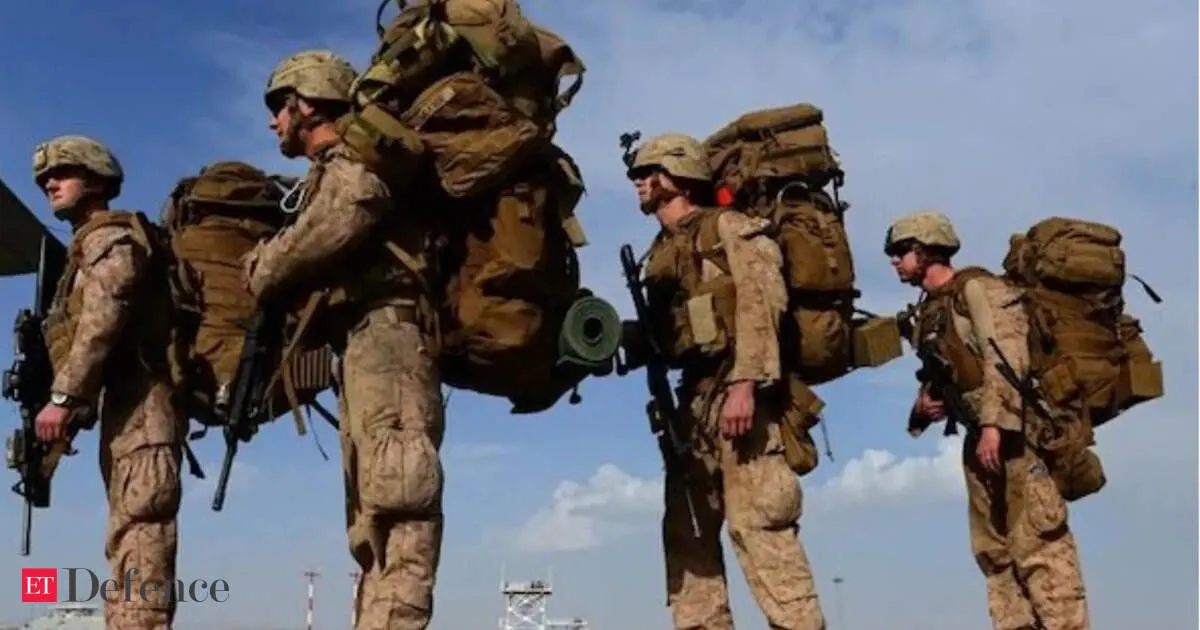
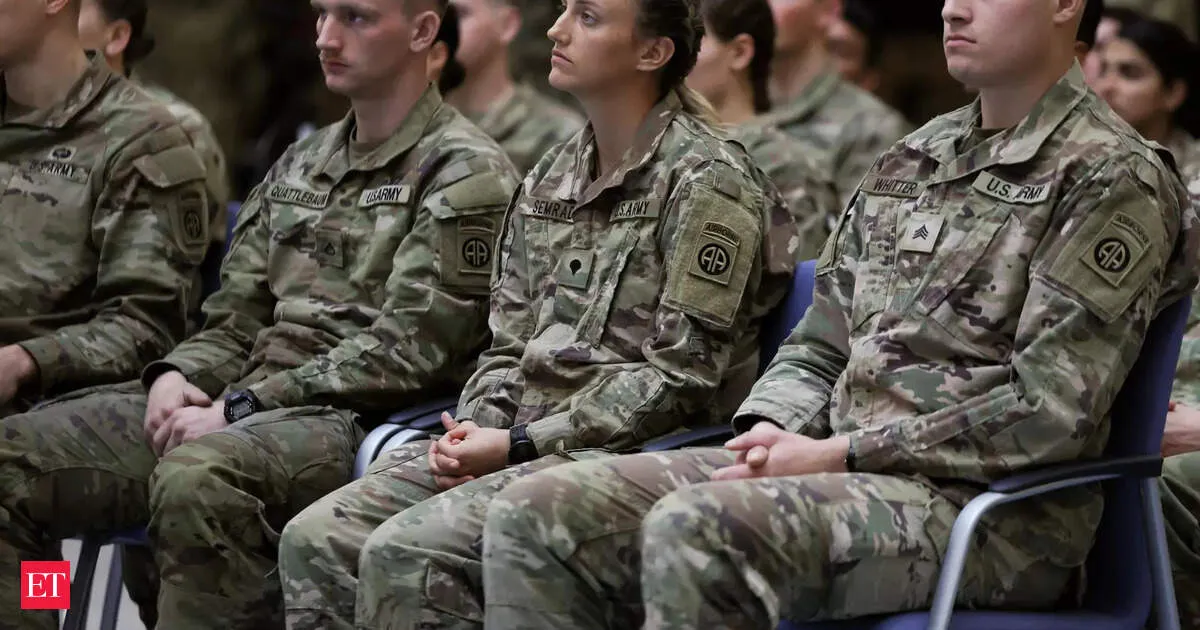
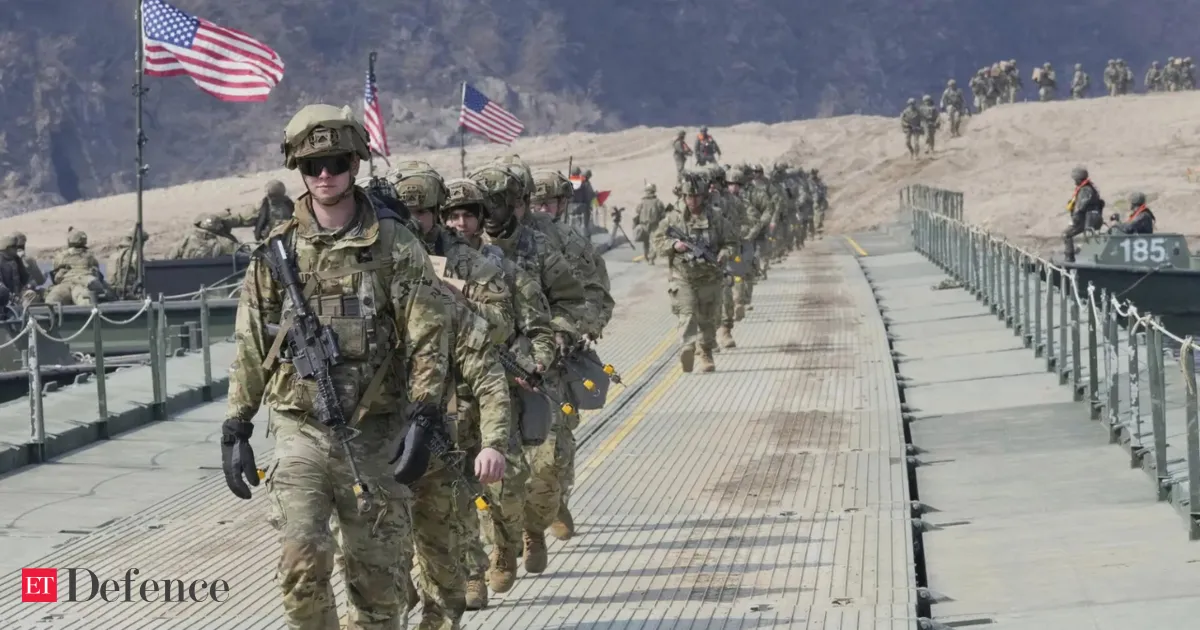
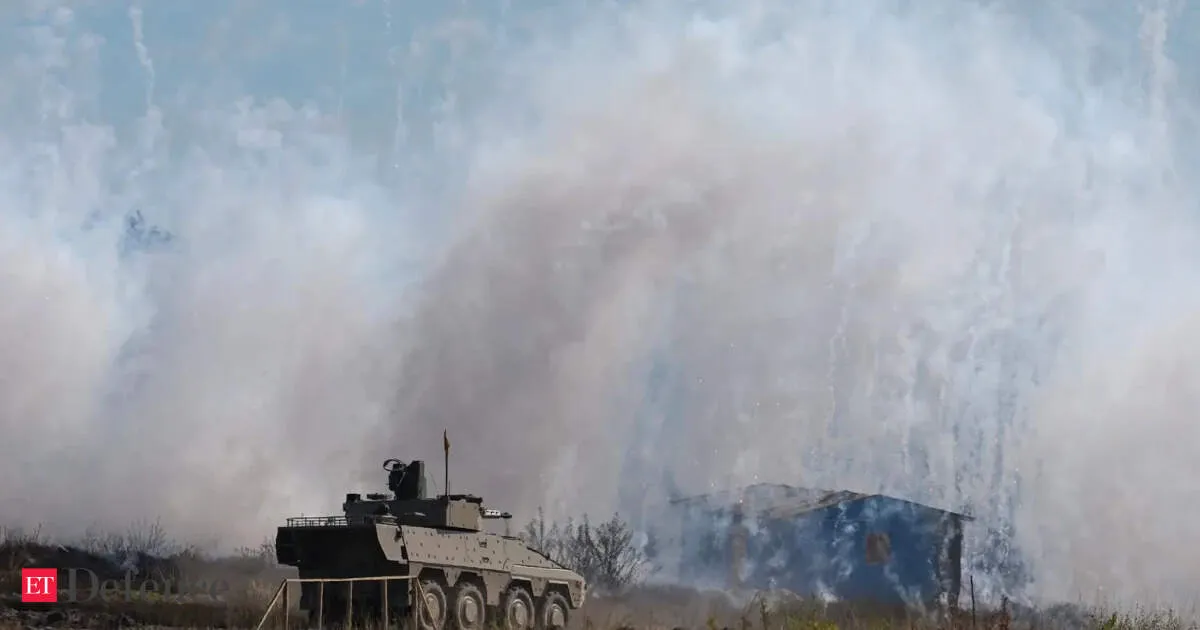
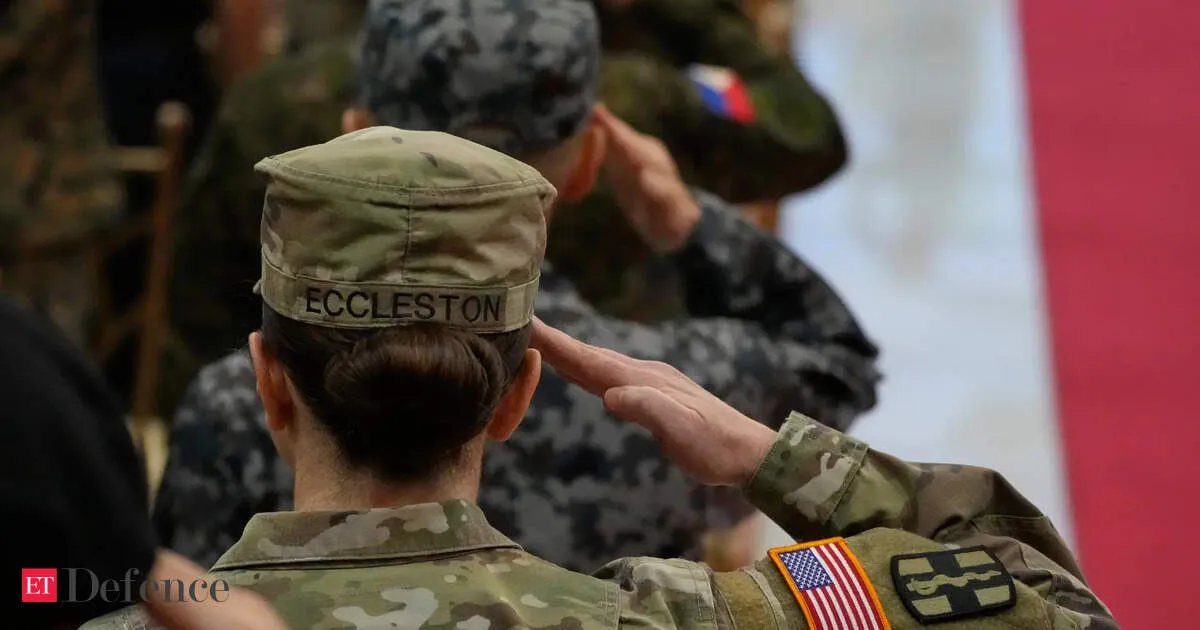
The Pentagon has canceled a planned temporary deployment of 4,000 U.S.-based troops to Poland, two officials told Reuters, adding new uncertainty to President Donald Trump’s anticipated troop cuts in Europe. The decision arrives only weeks after the Pentagon said it would withdraw 5,000 troops from NATO ally Germany. Polish Prime Minister Donald Tusk said he received assurances that security and deterrence would not be affected, with U.S. officials framing it as logistics for a larger Germany drawdown.
The Pentagon has abruptly canceled a planned nine-month deployment of 4,000 US troops to Poland, weeks after announcing it would withdraw about 5,000 troops from Germany. The move threatens to weaken NATO’s eastern defenses as Russia’s war in Ukraine grinds on, and it has heightened European allies’ anxiety about America’s long-term commitment. While the Pentagon says the decision followed a multi-step internal process, critics note Congress was not informed, deepening doubts over deterrence and messaging to Moscow.
Your news, in seconds
Get the Beige app — every story in 60 words, updated hourly. Free on iOS & Android.
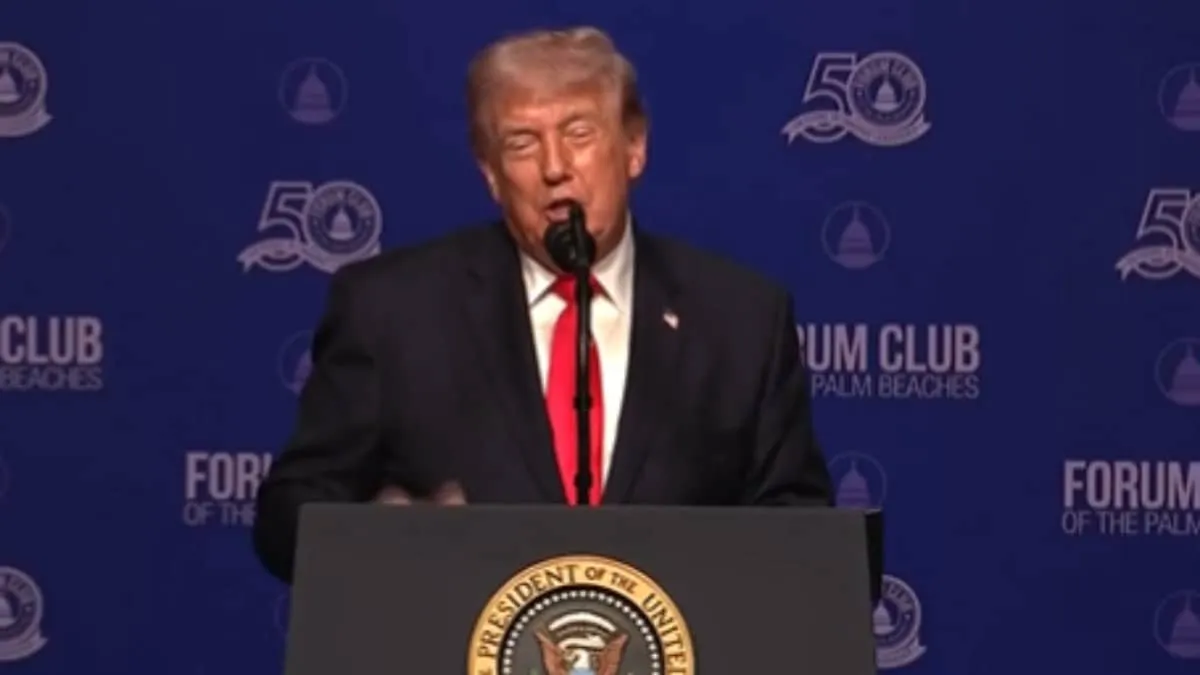
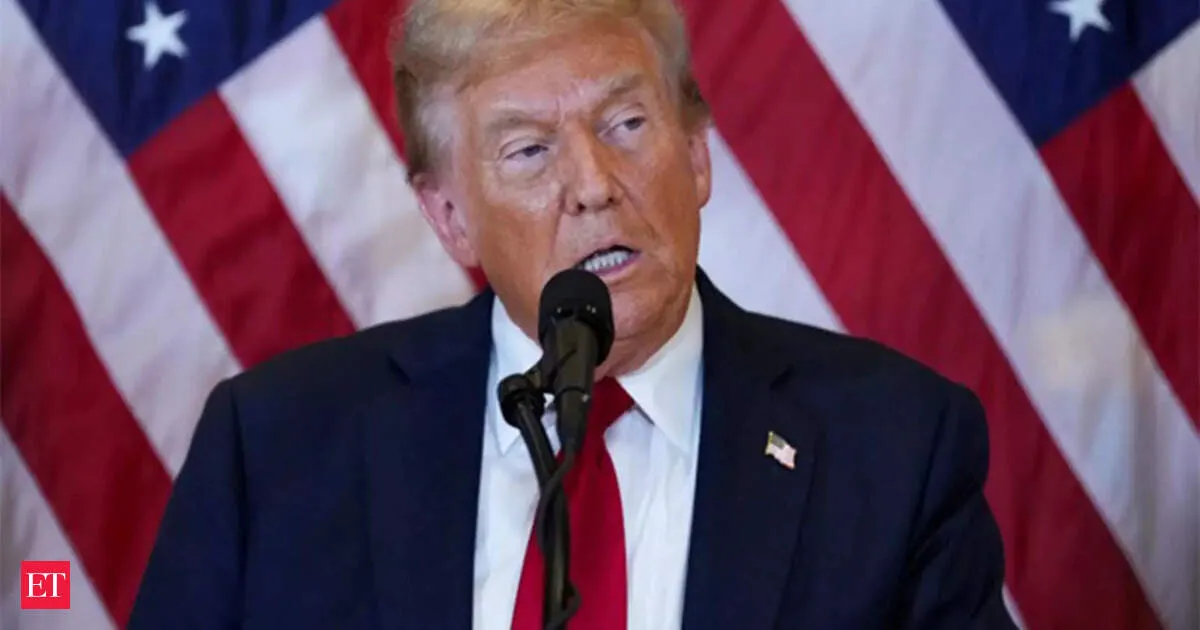
Ahead of travel to China, President Donald Trump claimed Iran’s military has been decimated and insisted the US will win a potential war “peacefully or otherwise.” He said the US blockade is “100% effective,” as tensions rise around the Strait of Hormuz. Trump also criticized NATO, escalating rhetoric at a sensitive moment in regional security.
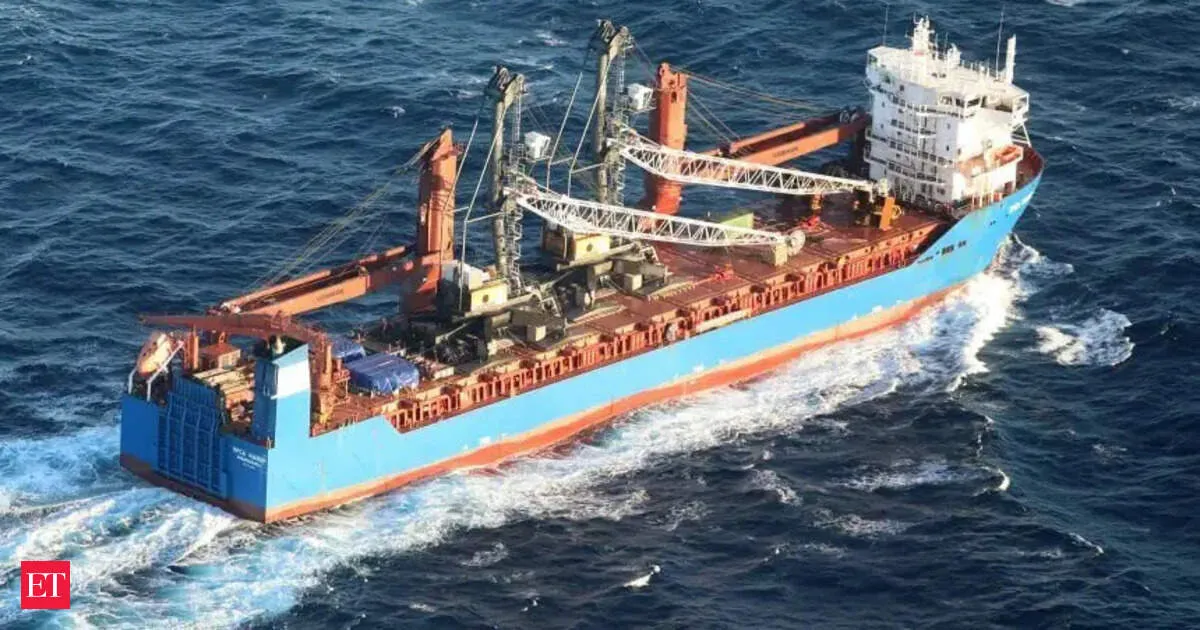
The Russian cargo ship Ursa Major sank near Spain amid competing accounts about what caused the disaster. Reports cite possible nuclear reactor cargo, US aircraft activity nearby, and contested Russian claims as investigators weigh findings. The incident has fueled speculation ranging from torpedo theories to broader NATO involvement, raising fresh security concerns over maritime routes and sensitive materials.
Donald Trump said in an interview that Iran is “militarily defeated” and that the US could strike every single target in just two weeks. He questioned NATO, calling it a “paper tiger” for not supporting the campaign against Tehran, which began with US and Israeli strikes on February 28.
On Victory Day, Vladimir Putin told media the Ukraine conflict is “coming to an end,” while blaming the “globalist wing” of Western elites for provoking the war. He pointed to NATO expansion and referenced the failure of a 2022 Istanbul agreement, amid fresh claims after Trump announced a three-day ceasefire Russia and Ukraine reportedly agreed to.
Never miss a story
Set alerts for the topics and sources you care about. Download Beige for free.
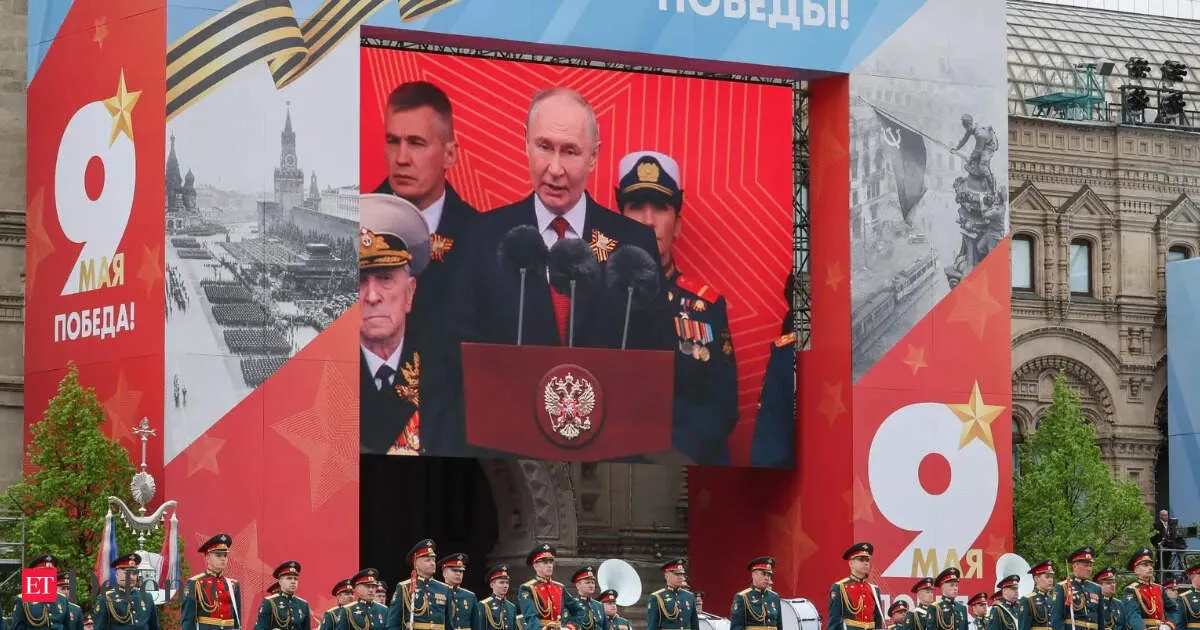
In a scaled-back Victory Day parade on Moscow’s Red Square, Vladimir Putin told Russians his soldiers in Ukraine face an “aggressive force” backed by NATO and said his war aims are “just.” Speaking alongside Russian units and troops from North Korea, he invoked the Soviet victory to bolster support for the campaign despite the reduced ceremony.
The US plans to withdraw about 5,000 troops from Germany within 6 to 12 months, ending a Trump-era threat. The move affects roughly 14% of American forces stationed there and is linked to ongoing disagreements over the Iran conflict. Democrats and security think tanks warn it could weaken US posture in Europe and inadvertently benefit Russia.
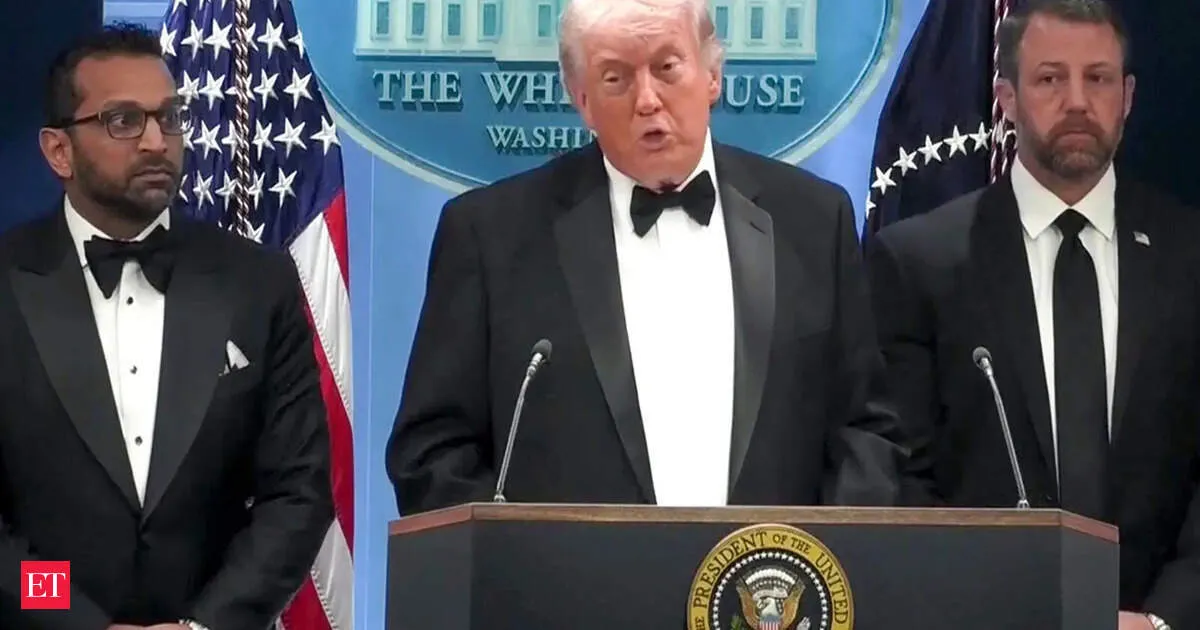
Donald Trump has said the US would reduce its troops in Germany “a lot further,” potentially exceeding the previously announced plan to withdraw 5,000 personnel. German Defence Minister Boris Pistorius warned that Europe must step up to defend itself, framing the shift as a test of European responsibility amid changing US commitments.
NATO says it is working with the United States to understand Washington’s decision to cut about 5,000 troops in Germany. The move comes after a disagreement among leaders, with NATO stressing Europe’s rising defense investment and greater responsibility for shared security. Despite the uncertainty, the alliance says it remains confident in its deterrence and defense as Europe strengthens.
Reading on mobile?
Open Beige in the app for a smoother experience — free on iOS and Android.
European governments are increasingly questioning the reliability of U.S. support for NATO, as unpredictable signals from the Trump administration raise doubts—especially on the alliance’s eastern flank. While American military training still goes on, several European states are reevaluating the depth and future of their defense partnership, reflecting wider uncertainty about U.S. commitment.
President Trump expressed disappointment with NATO after a shooting at the White House Correspondents’ Dinner. Security responded quickly, keeping guests safe at the event celebrating journalists and the First Amendment. Investigators are examining whether the suspect intended to target Trump administration figures, renewing pressure for stronger security in White House venues like the ballroom.
Donald Trump says Iran could begin talks, even by phone, and predicts the conflict will end soon with the US on top. He also plans to take up Iran’s nuclear capabilities, while slamming NATO and the UK for their responses. Trump adds that China could have done more as Ukraine talks with Putin and Zelenskyy continue.
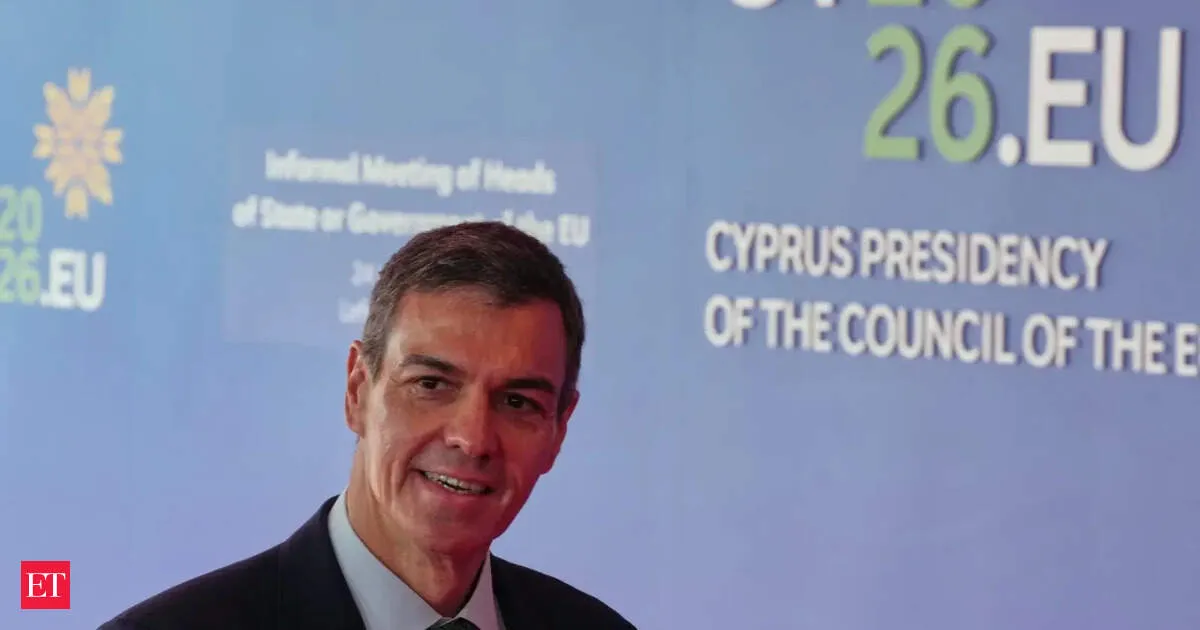
Spain’s Prime Minister Pedro Sanchez insisted the country is a reliable NATO member after reports claimed the United States considered suspending it. The alleged reason: Spain’s position on military operations against Iran. Sanchez said Spain is meeting all obligations and added the NATO treaty has no clear process for suspending or expelling members.
Follow your favourite sources
Track sources, tags and categories — all in the Beige app.
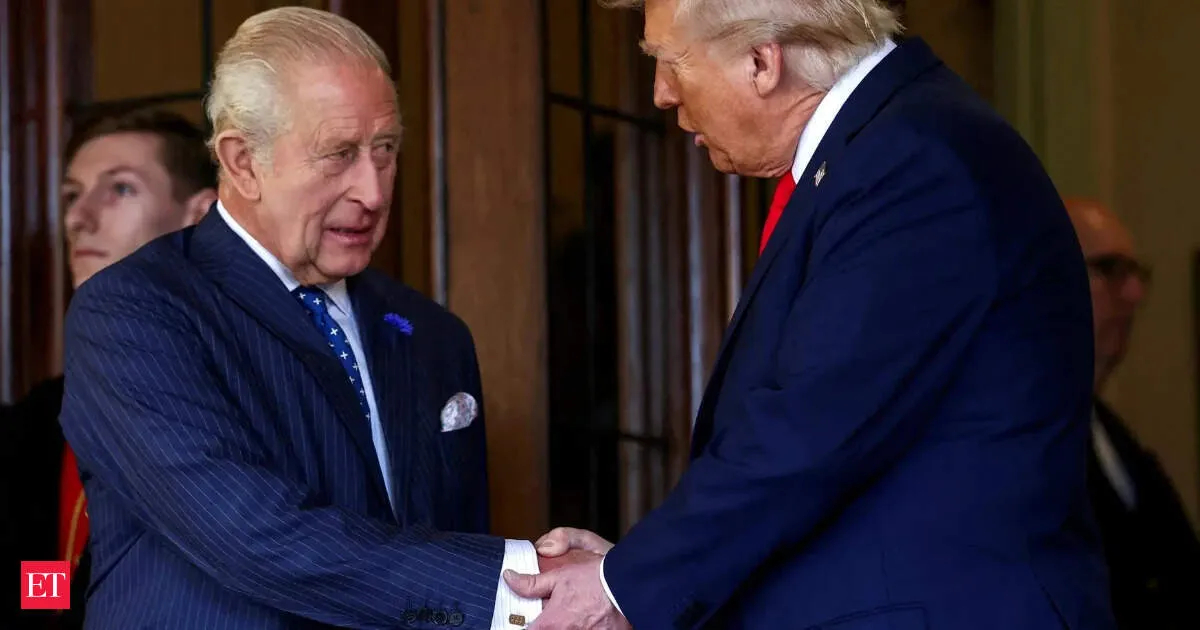
President Donald Trump will meet King Charles next week in Washington to discuss Iran and NATO, while a major sticking point looms: the UK’s digital services tax. The meeting, celebrating 250 years of US independence, comes as US-UK ties strain further. Trump has criticized UK Prime Minister Keir Starmer over Iran and warned of tariffs tied to the tax dispute.
Ukrainian President Volodymyr Zelenskyy held a video conference with NATO and EU leaders as he prepared for talks with US President Donald Trump in Florida. Zelenskyy urged stronger military and diplomatic stances, warning that Russia’s manipulation must be countered to secure progress toward ending the war.
The White House has reportedly created a “naughty and nice” list to grade NATO countries on how they aligned with US positions during the Iran conflict, according to Politico. The Trump administration is reportedly weighing evaluations that could lead to penalties for allies deemed insufficiently supportive, turning alliance politics into a public scorecard.
A Pentagon email reportedly outlines potential U.S. penalties for NATO allies that do not back the Iran war. Among the options discussed are suspending Spain from the alliance and reassessing support related to Britain’s Falkland Islands claim. The move follows President Trump’s public complaints that allies aren’t doing enough for U.S. operations.
Stay informed on the go
Bite-sized news from 100+ trusted sources, right in your pocket.
Geopolitical expert Hal Brands argues that globalisation powered the rise of Russia and China as credible challengers to the US. He says Donald Trump’s approach could push strategic de-escalation with Russia and recalibrate NATO. Meanwhile, Brands warns China may benefit from fractures between the US and Europe, as advanced technology and great-power competition return to center stage.
Swipe through stories, personalise your feed, and save articles for later — all on the app.