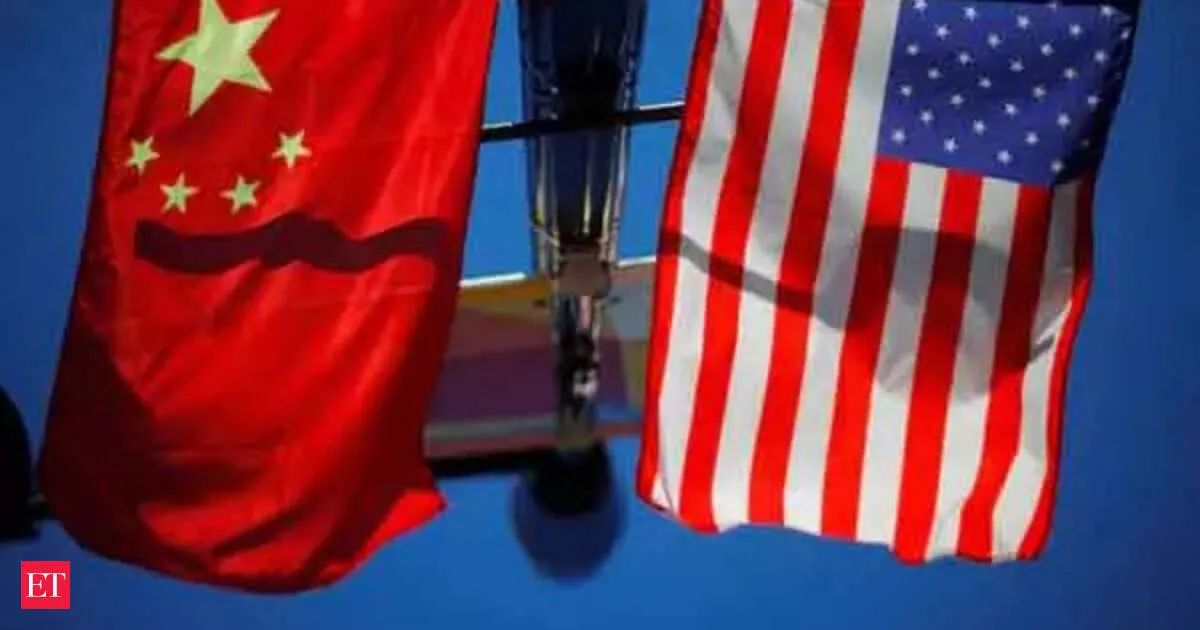
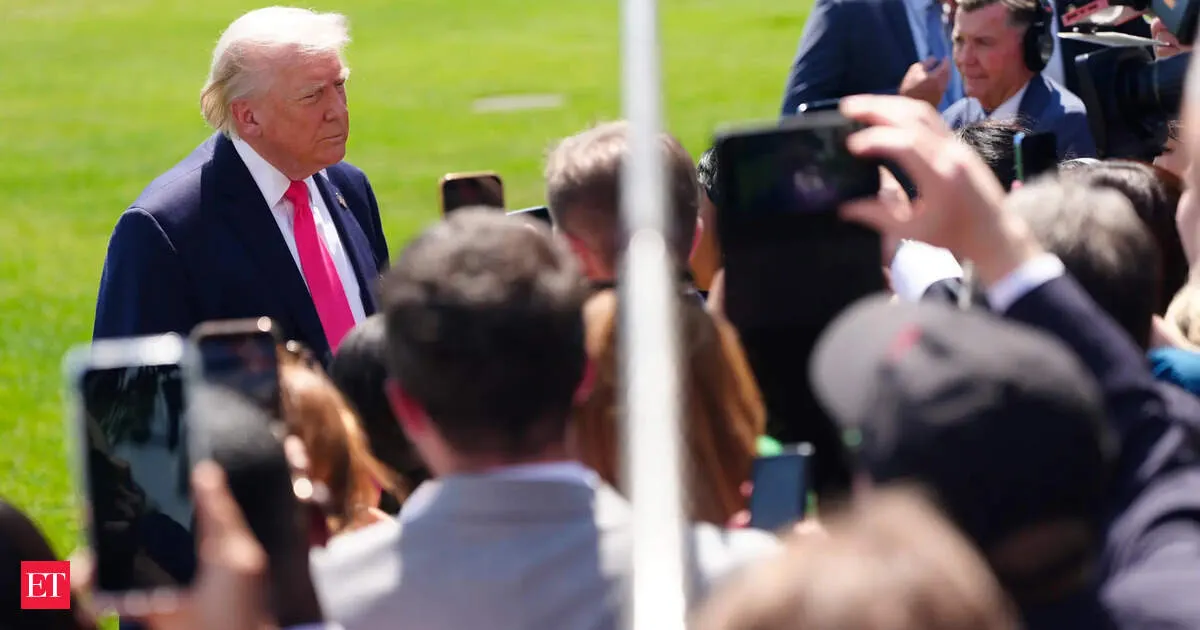
Two U.S. House lawmakers will introduce legislation to toughen the current ban on Chinese automakers entering the American passenger-vehicle market, timed just before President Donald Trump travels to China. The bill would codify a Biden-era regulation that, in effect, blocks all Chinese automakers and adds steps to keep China out of the U.S. light-duty market. It focuses on vehicles designed in China with advanced connectivity and software, citing national security and data-privacy risks around sensitive owner data.
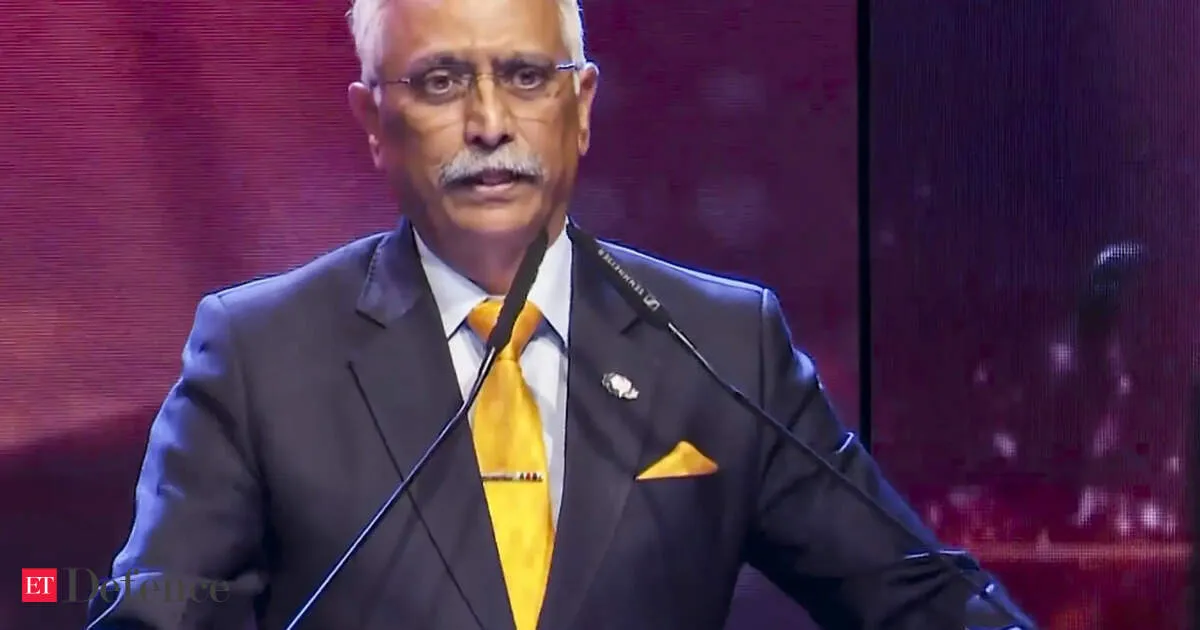
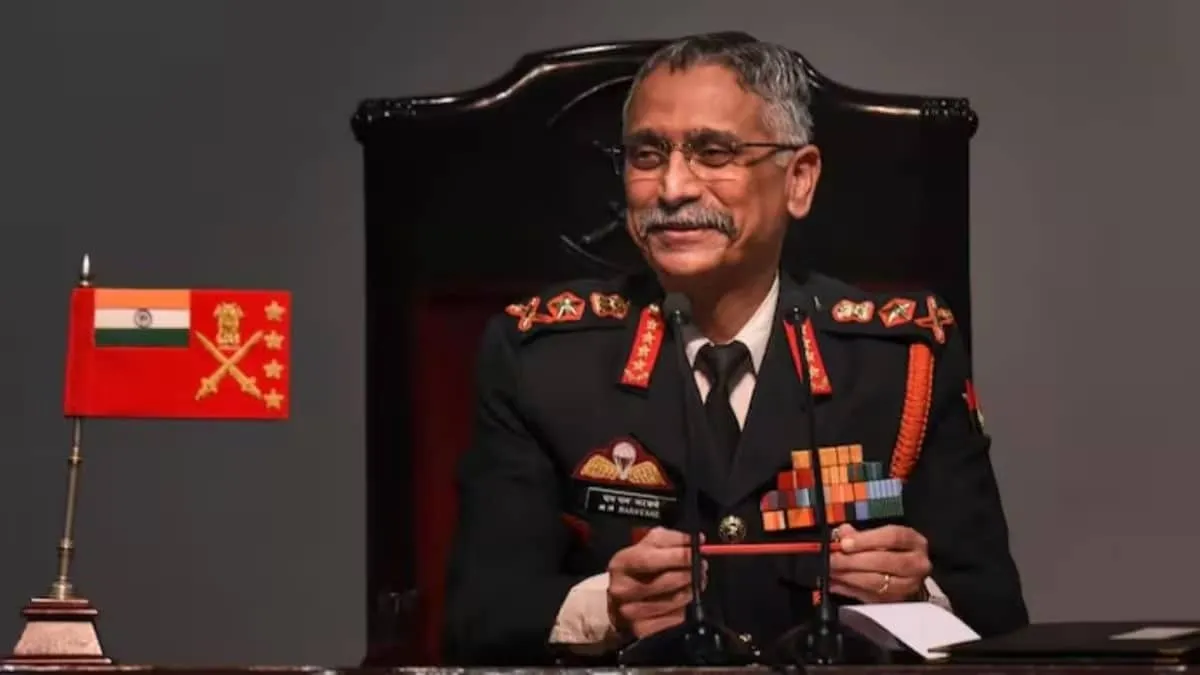
Former army chief Manoj Naravane has backed RSS leader Dattatreya Hosabale’s call for engaging Pakistan, arguing that friendship among common people can strengthen national ties. Naravane highlights people-to-people contact, including sports, and “track two” diplomacy as key tools. While India prefers peace, he adds that force can be used if disputes demand it.
Your news, in seconds
Get the Beige app — every story in 60 words, updated hourly. Free on iOS & Android.
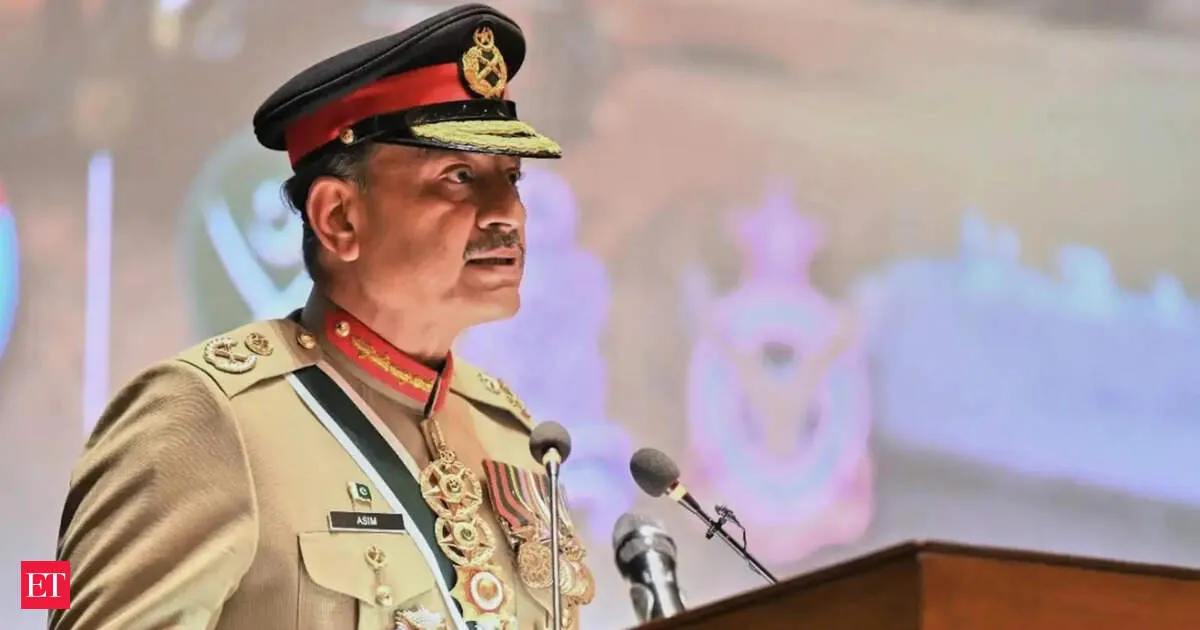
A year after India’s Operation Sindoor, Pakistan Army Chief Asim Munir renewed threats of “far-reaching and painful” consequences for any future “misadventure” against Pakistan. Speaking on the first anniversary of “Marka-e-Haq,” he claimed Pakistan’s strategy was superior and described the conflict as a “battle between two ideologies,” adding that “truth won.”
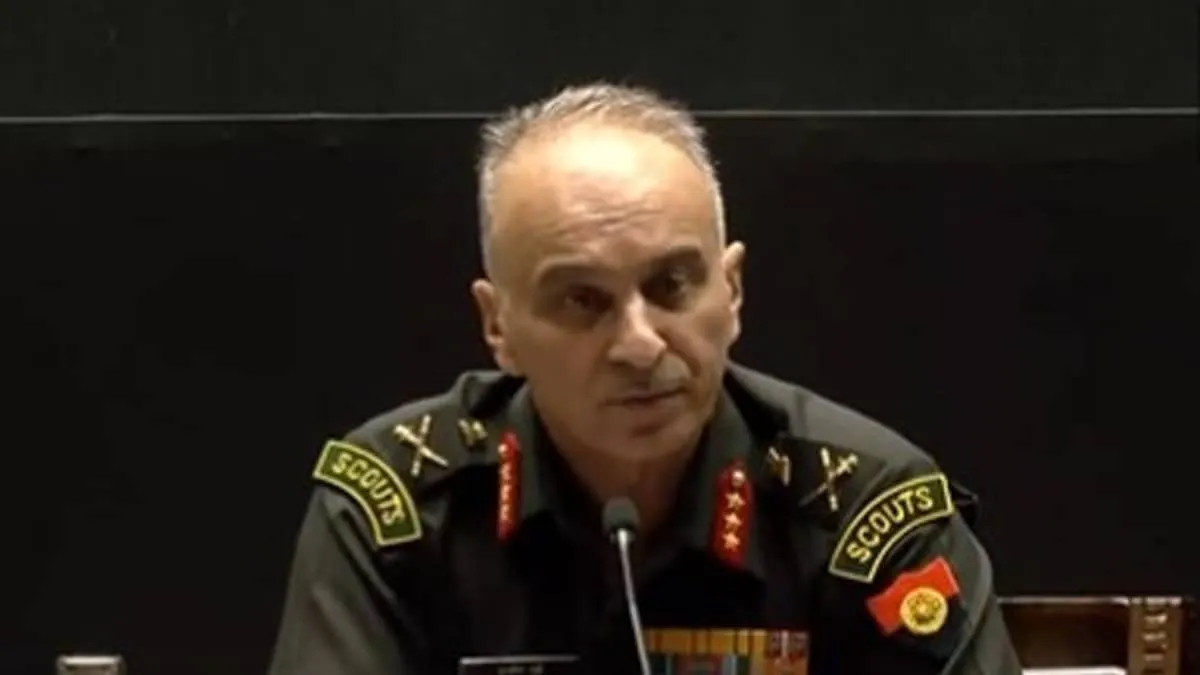
Lt Gen Rajiv Ghai, Deputy Chief of Army Staff, said Pakistan and China are forging a deeper military link, creating complex challenges for India along the same border. He emphasized that Indian armed forces have absorbed lessons from the previous year and are prepared to manage threats from multiple adversaries simultaneously.
On the one-year anniversary of Operation Sindoor, MoS External Affairs Pabitra Margherita praised the valour of India’s armed forces and said the world has seen that anyone threatening India’s peace and security cannot evade the reach of the country’s forces. The statement underscored confidence in deterrence and readiness as the operation moves past its first year.
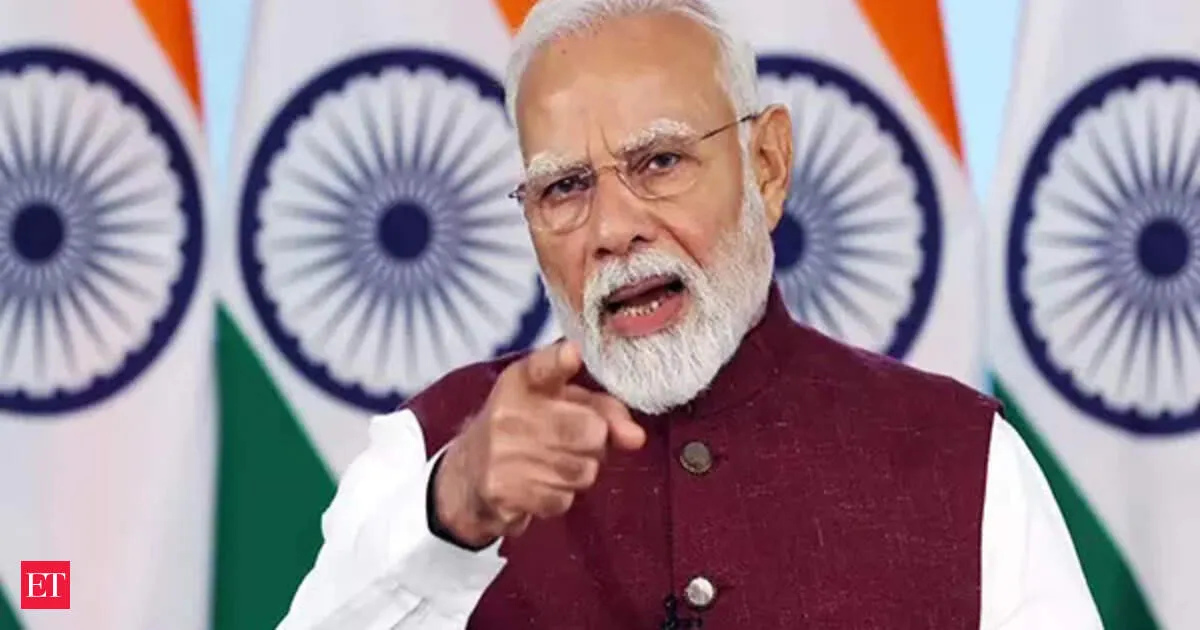
On the anniversary of Operation Sindoor, Prime Minister Narendra Modi praised the Indian armed forces for their courage and precision. He said the operation acted as a strong response to the Pahalgam terror attack, reflecting India’s firm stance against terrorism and its commitment to national security. The nation marked the day to honor the bravery and resolve of the forces.
Never miss a story
Set alerts for the topics and sources you care about. Download Beige for free.
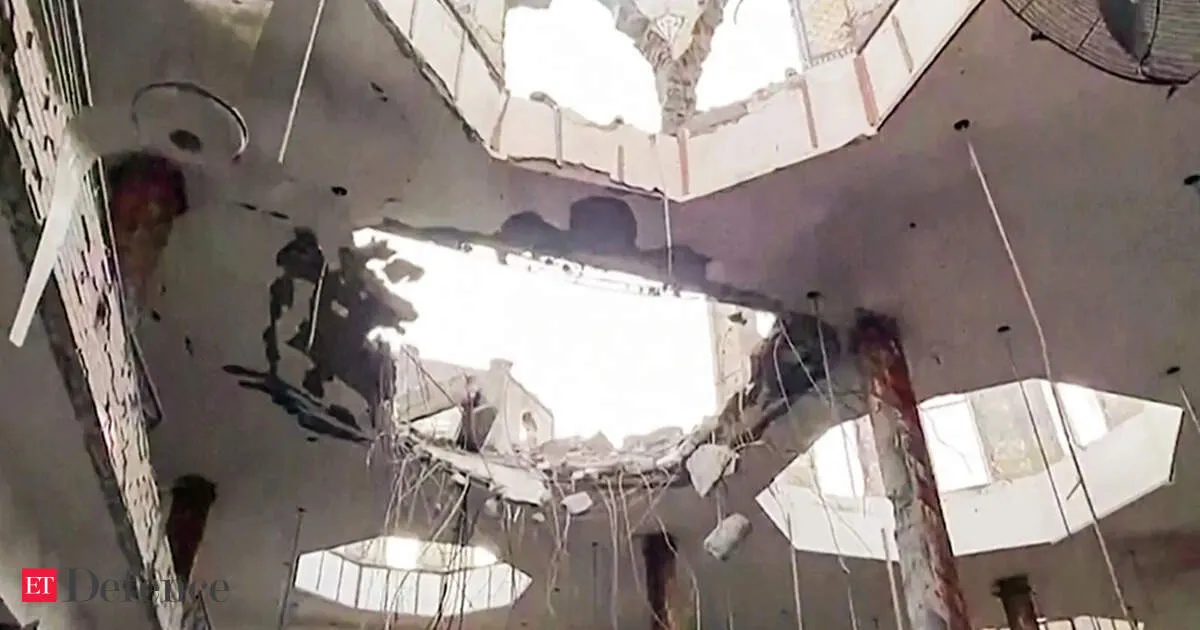
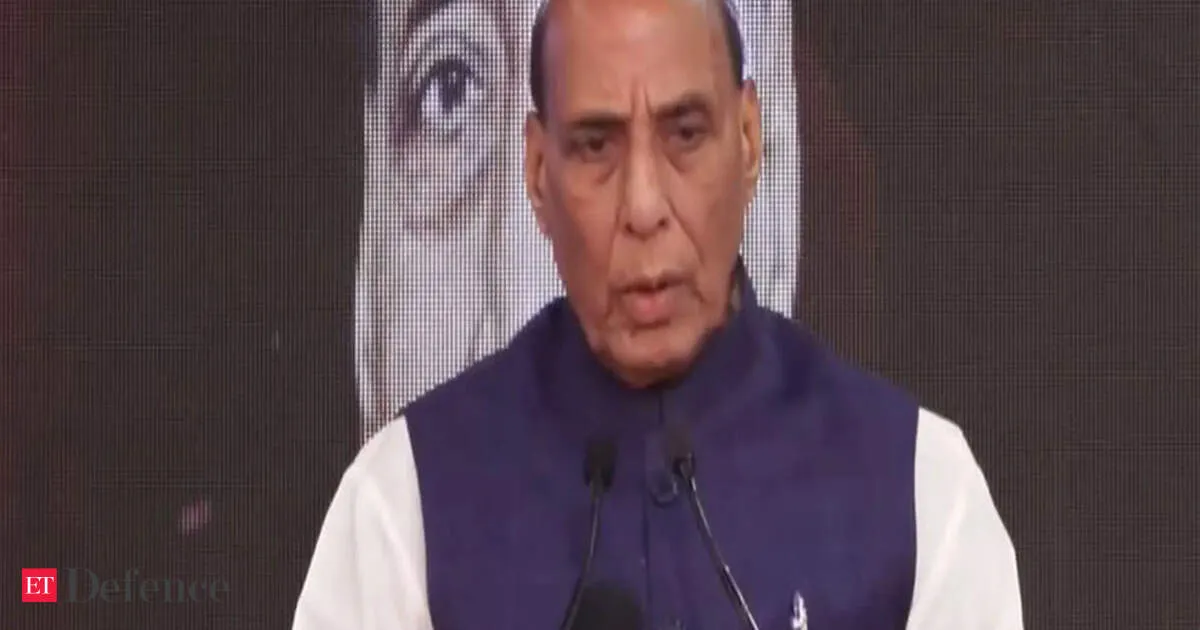
On the anniversary of Operation Sindoor, Defence Minister Rajnath Singh will lead a national security review in Jaipur. The operation followed the Pahalgam terror attack, with India reportedly carrying out precision missile strikes on nine terror camps in Pakistan and Pakistan-occupied Kashmir, eliminating at least 100 terrorists. Officials will review the security fallout and next steps.
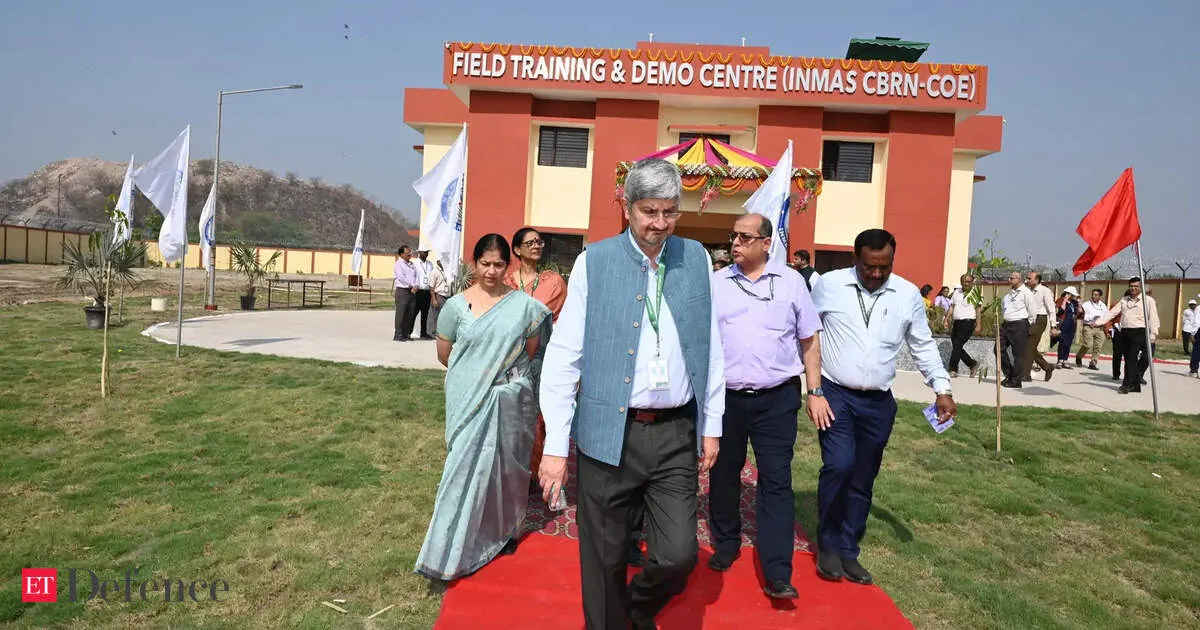
DRDO has inaugurated a new Chemical, Biological, Radiological and Nuclear field training centre in Delhi, designed to strengthen India’s readiness for emergencies involving hazardous CBRN materials. The facility uses advanced technology to train personnel from multiple government agencies, aiming to improve coordination and crisis response capabilities and bolster national security.
OpenAI says it provided the US government early access to its GPT-5.5 model for national security testing. In a LinkedIn post, executive Chris Lehane confirmed the move, positioning the trial as part of government evaluation. The announcement adds momentum to the debate over how quickly advanced AI gets deployed for sensitive national security uses.
FCC Commissioner Anna Gomez, the lone Democratic member, is urging a rigorous national security review of foreign ownership tied to the proposed Paramount–Warner Bros. Discovery merger. She points to investments linked to Saudi Arabia, Qatar, and Abu Dhabi, arguing the FCC must scrutinize who controls key interests before approving the deal.
Reading on mobile?
Open Beige in the app for a smoother experience — free on iOS and Android.
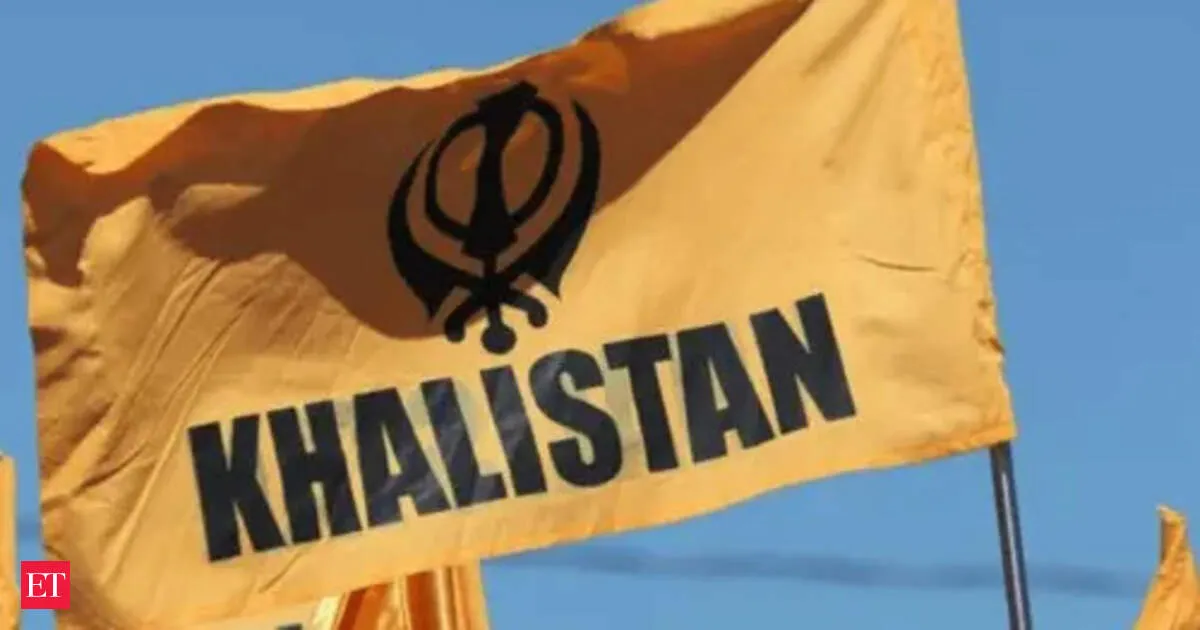
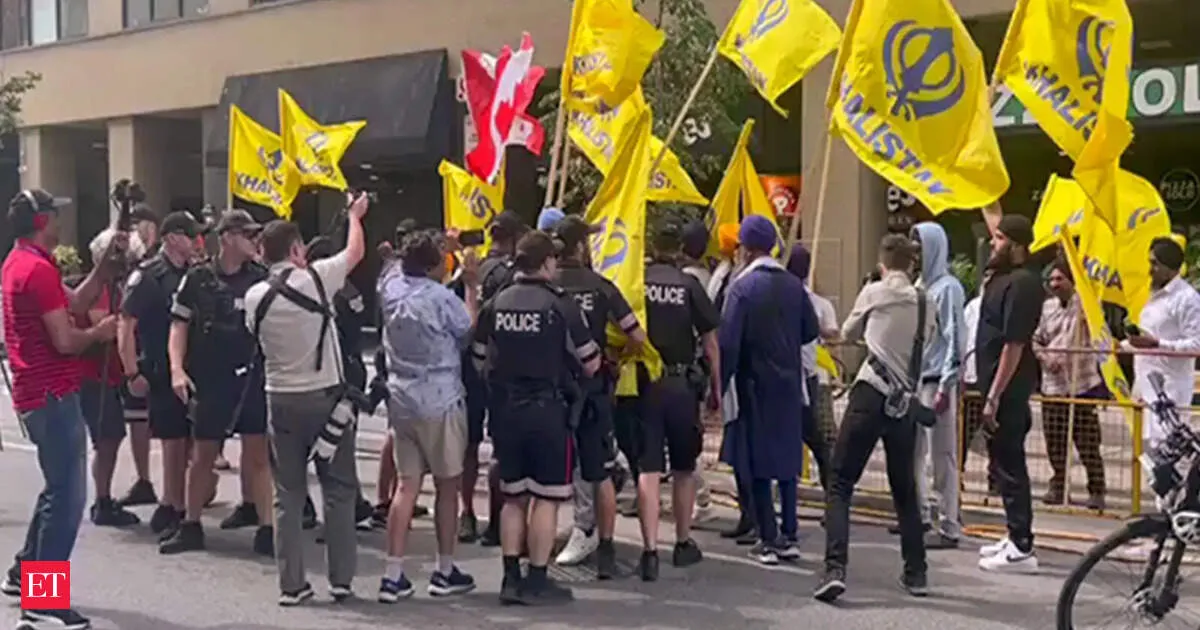
Canada’s intelligence agency has designated Khalistani extremists as a national security threat, alleging they use Canadian institutions to push a violent agenda and raise funds for operations abroad. The move lands as Ottawa and New Delhi seek to repair relations. The agency also stresses a key distinction: peaceful advocacy for Khalistan is not considered extremism, unlike those planning violence.
Canada’s intelligence service CSIS warns that Khalistani elements are a violent extremist threat to national security. The report further alleges that foreign actors are interfering in Canadian politics, naming China, Russia, India, Iran and Pakistan. The findings raise concerns about coordinated influence operations alongside extremist activity.
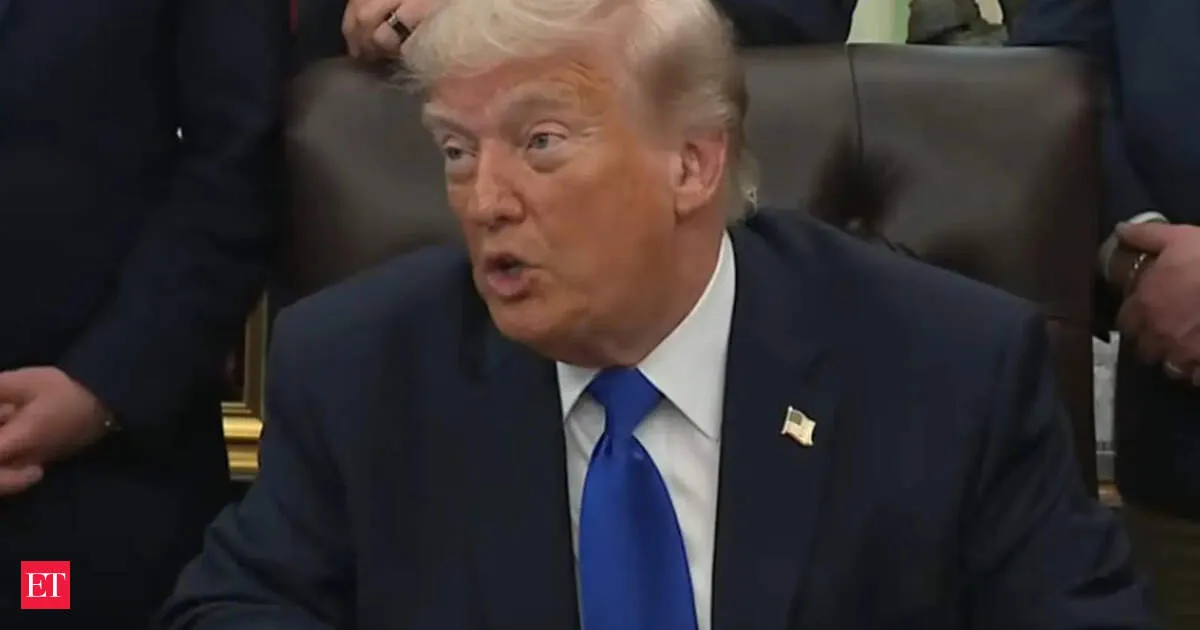
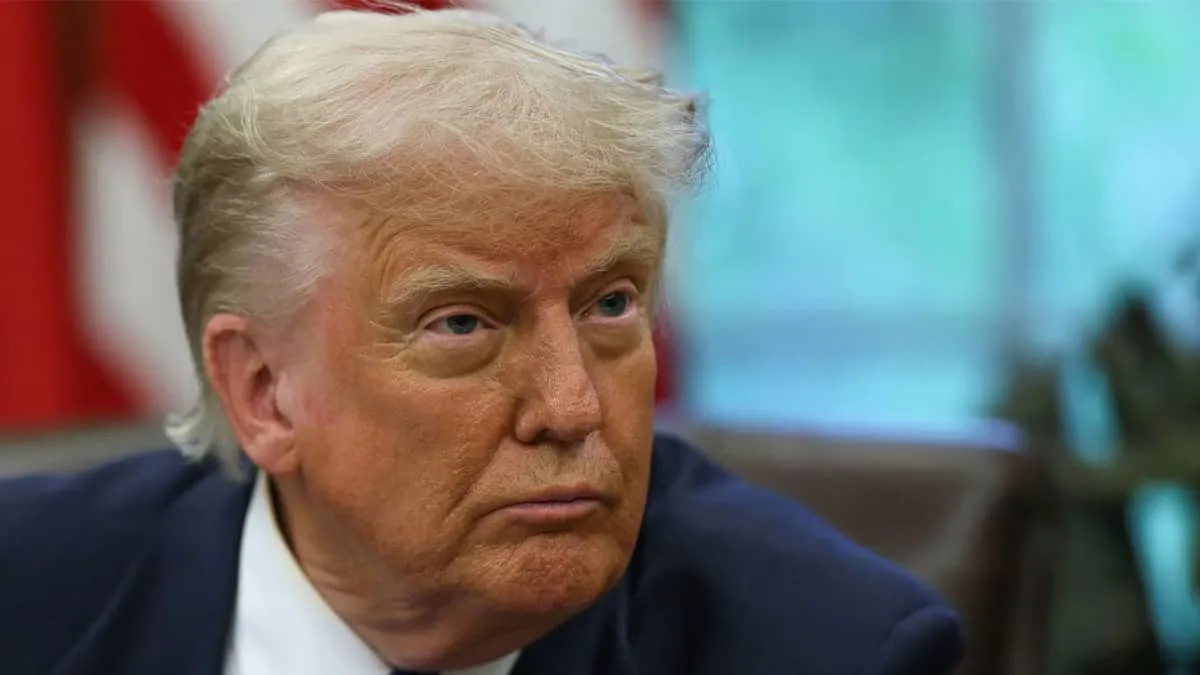
Donald Trump says he resolved the India Pakistan conflict in 2025 by threatening 200 percent tariffs to prevent fighting between nuclear-armed rivals, claiming it saved millions of lives. India disputes that account, saying the ceasefire happened after Pakistan’s DGMO contacted India’s counterpart. The dispute also follows India’s Operation Sindoor after a terror attack.
Pakistan’s worsening water crisis is being treated as a national security concern, driven by scarcity and years of mismanagement. Planning Minister Ahsan Iqbal has unveiled a national strategy centered on boosting storage via new dams and conservation, while cutting waste in agriculture through modern irrigation and wastewater recycling to protect future water security.
Follow your favourite sources
Track sources, tags and categories — all in the Beige app.
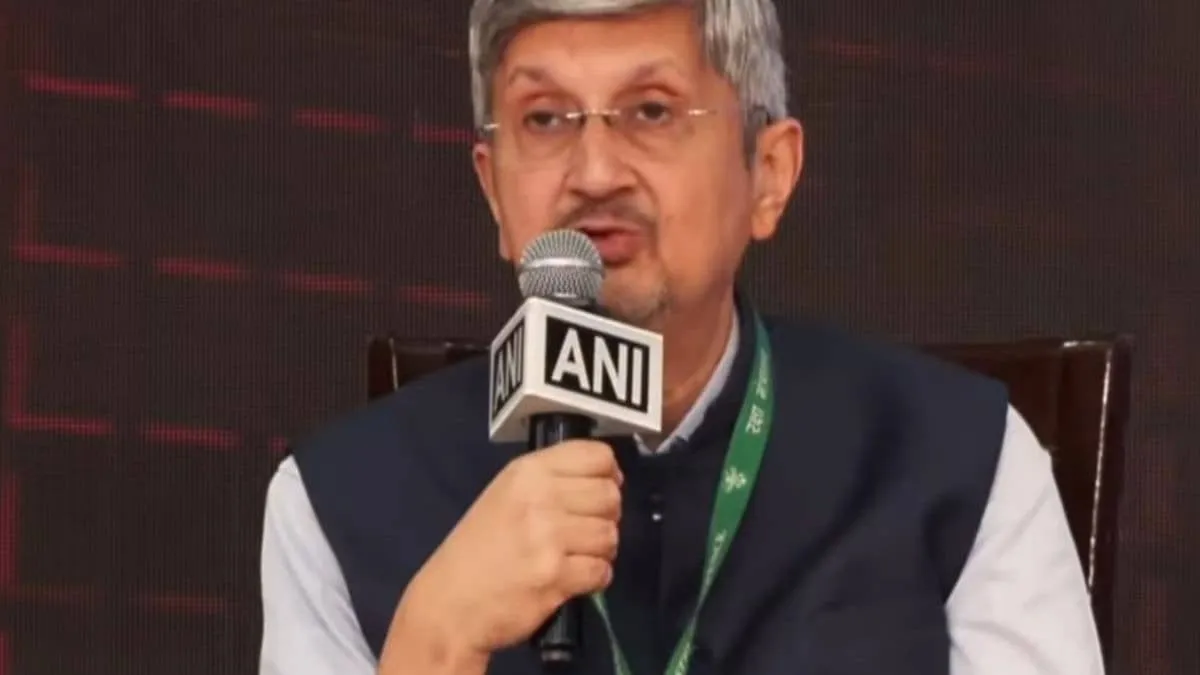
DRDO Chairman Samir V Kamat says India’s LR-AShM hypersonic glide missile programme is in an advanced stage, with initial trials expected soon. Speaking at ANI’s National Security Summit 2.0, he explained how hypersonic glide vehicles differ from cruise missiles and outlined plans for a multi-layered conventional strike force aimed at next-generation deterrence and precision.
US officials are probing multiple scientists’ deaths and disappearances as a potential national security risk, yet Harvard astrophysicist Avi Loeb says there’s no clear pattern linking them. His bigger warning: America is losing scientific leadership as science gets deprioritized. Loeb calls for stronger investment in federal science agencies, arguing they are essential to national security.
Meta’s planned $2 billion acquisition of the AI startup Manus was reportedly halted after Beijing ordered the deal’s cancellation. The Chinese government raised concerns that Manus’s advanced AI technology could potentially leak to a geopolitical rival. The move highlights how cross-border AI deals can face national security reviews even when the price tag is massive.
US President Donald Trump plans to meet top national security officials to discuss the stalemate in negotiations with Iran. The move follows Trump’s abrupt decision to cancel a planned trip by Steve Witkoff and Jared Kushner to Islamabad, dealing a blow to delegation-level peace talks between Washington and Tehran in Pakistan. Officials are expected to reassess the US approach amid continued deadlock.
Stay informed on the go
Bite-sized news from 100+ trusted sources, right in your pocket.
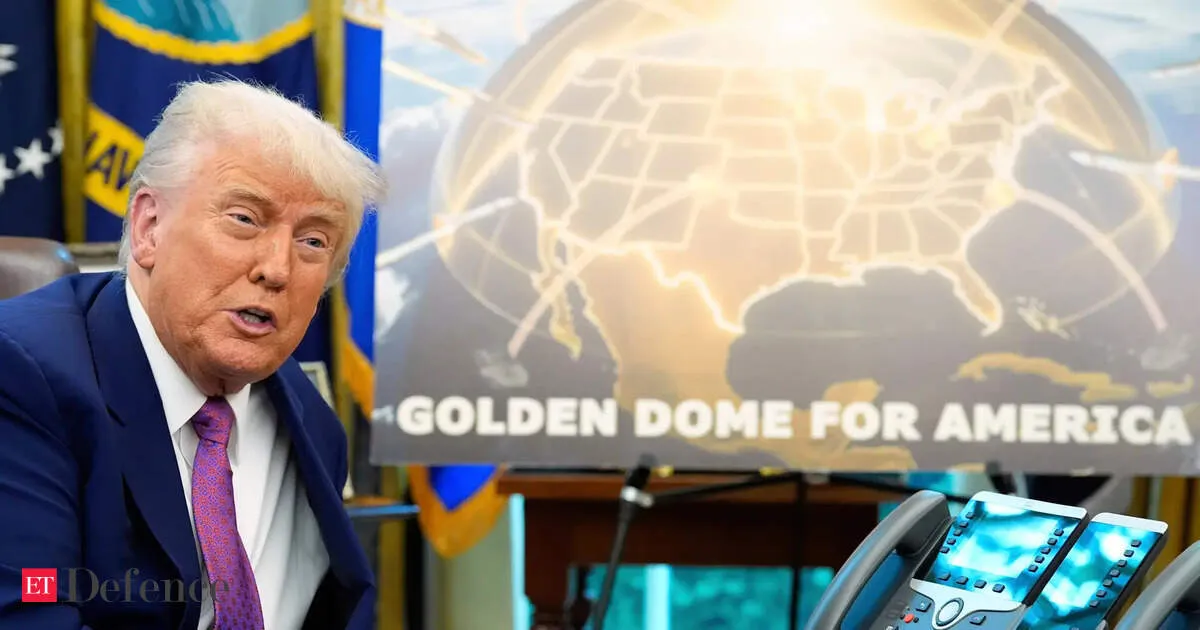
President Donald Trump’s Golden Dome missile defence plan is hitting hard headwinds as costs balloon and lawmakers question the funding model. Estimates range widely—from $185 billion to $3 trillion—while Congress raises concerns, including among some Republicans. The Pentagon wants major new spending for the system designed to counter ICBMs and drone threats.
Former Indian Army chief General Manoj Mukund Naravane urged that the Army, Navy and Air Force remain insulated from political narratives. He argued that the military, like the judiciary and press, is integral to democracy, but should not be pulled into partisan politics. At the same time, he stressed that individual service members retain democratic rights, including voting.
Swipe through stories, personalise your feed, and save articles for later — all on the app.