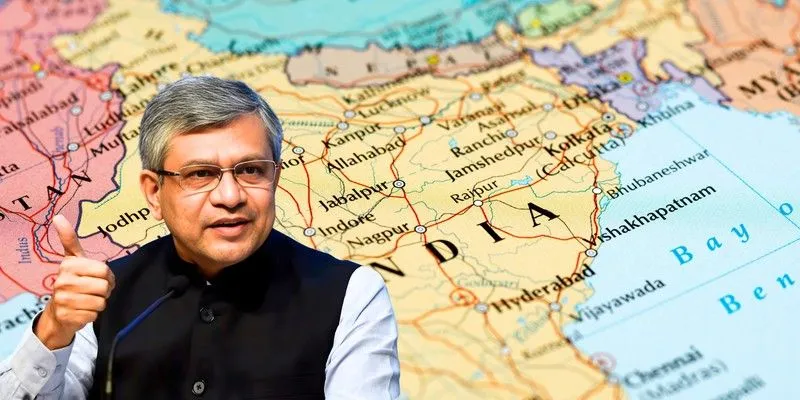
Electronics and IT Minister Ashwini Vaishnaw said AI-related job demand in India is rising 15–20 percent as industries transform to meet the new tech wave. Speaking at CII, he urged companies to partner with Nasscom for talent readiness. He also cited tax waivers for data centres until 2047, with about $200 billion investment underway, alongside new subsea cables and local AI server manufacturing.
With uncertainty rising across the Middle East, Indian IT firms are accelerating remote and hybrid work to protect employees and keep operations flexible. Alongside this shift, companies are upgrading energy efficiency across campuses. Nasscom, backing a $315 billion technology industry, says it is closely monitoring geopolitical developments that could affect work patterns and business continuity.
Your news, in seconds
Get the Beige app — every story in 60 words, updated hourly. Free on iOS & Android.
Nasscom and digital rights groups are pushing back on draft IT second amendment rules, arguing they could impose obligations beyond what the IT Act allows. They warn that advisories might become binding without parliamentary scrutiny, risking over-censorship. The proposal’s reach to ordinary users and AI-generated content also raises complex technical and legal questions.
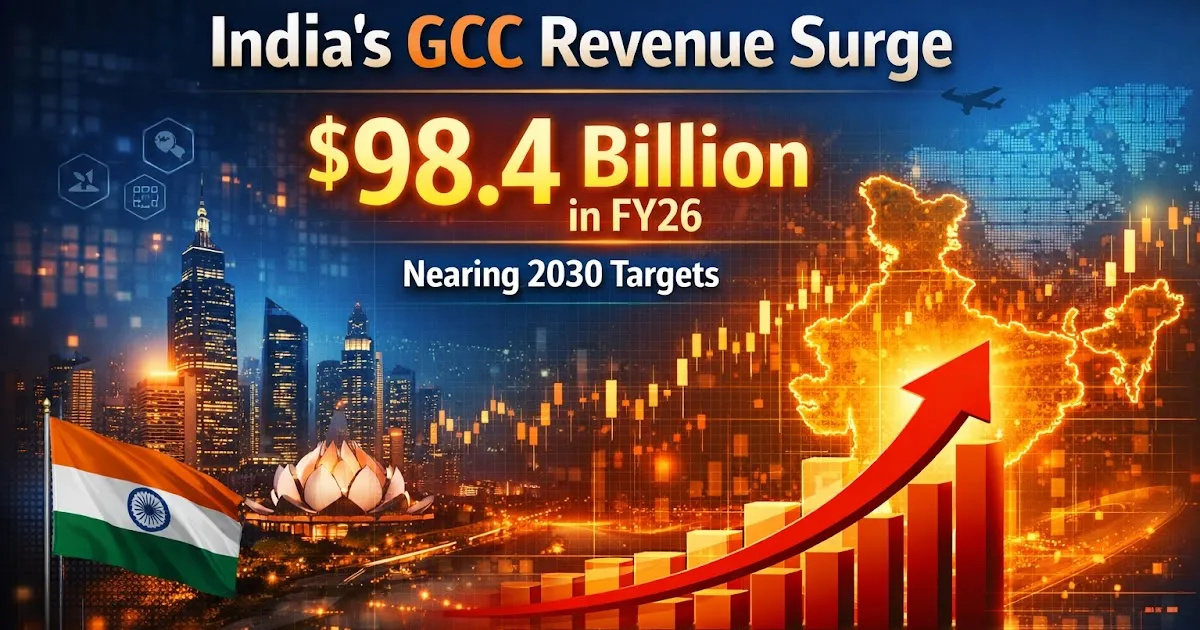
India’s offshore tech centers, or GCCs, generated $98.4 billion in FY26 revenue, nearly four years ahead of the $99–105 billion 2030 projection. The ecosystem now includes 2,117 GCCs and 2.36 million employees, up 32% since FY21, fueled by AI-first mandates and strategic relocation as visa and geopolitical pressures rise.
NASSCOM CoE says it will scale India’s AI innovation by prioritizing real-world deployment, not just pilots. By linking startups, businesses, and government, it aims for measurable impact and unbiased curation to select solutions. The plan includes expanding AI centers nationwide, targeting growth beyond metros into Tier II and Tier III cities.
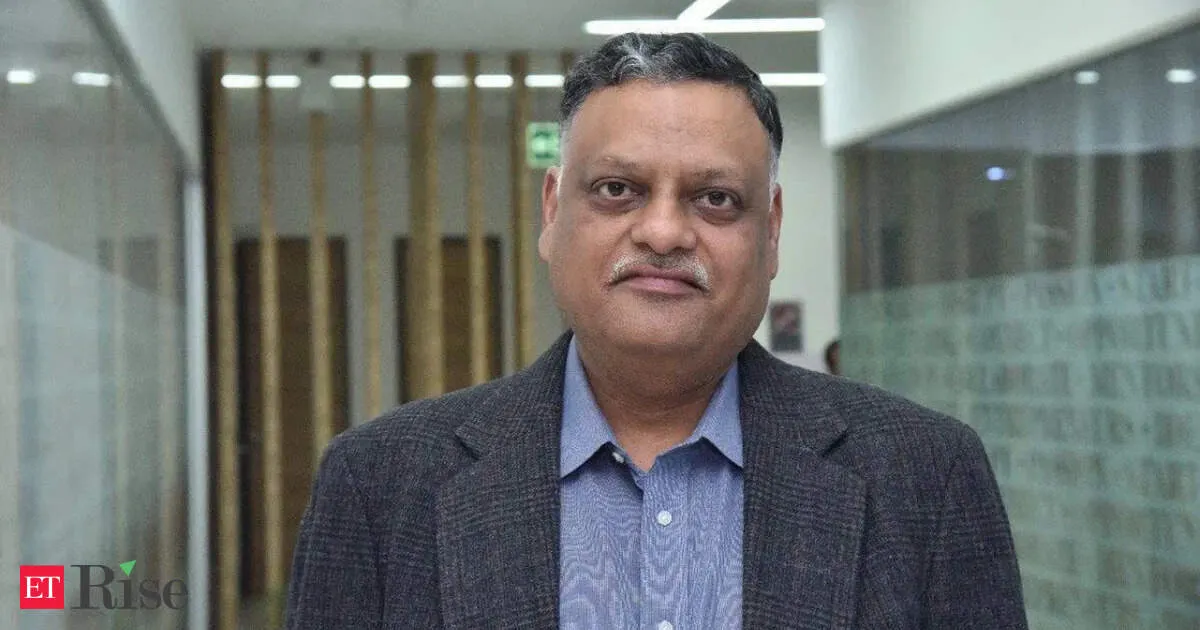
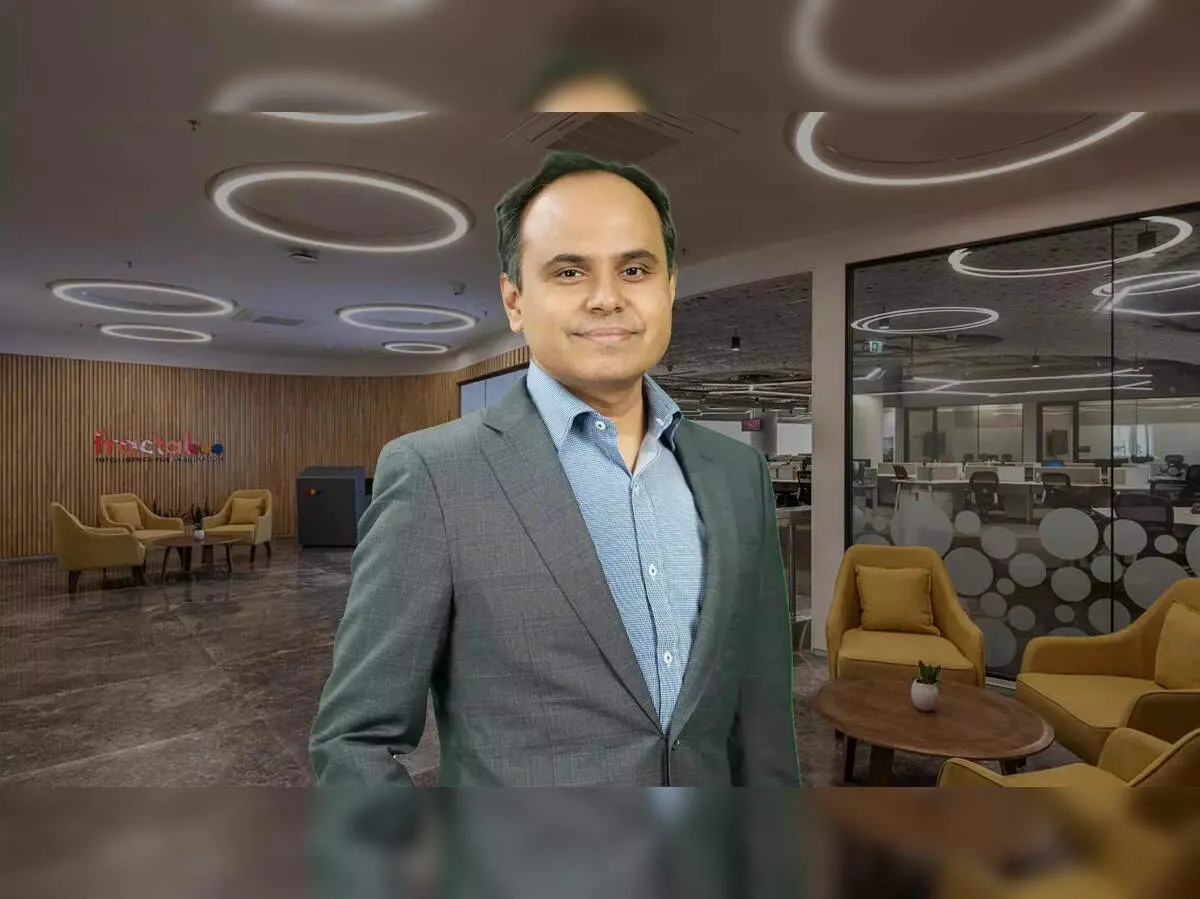
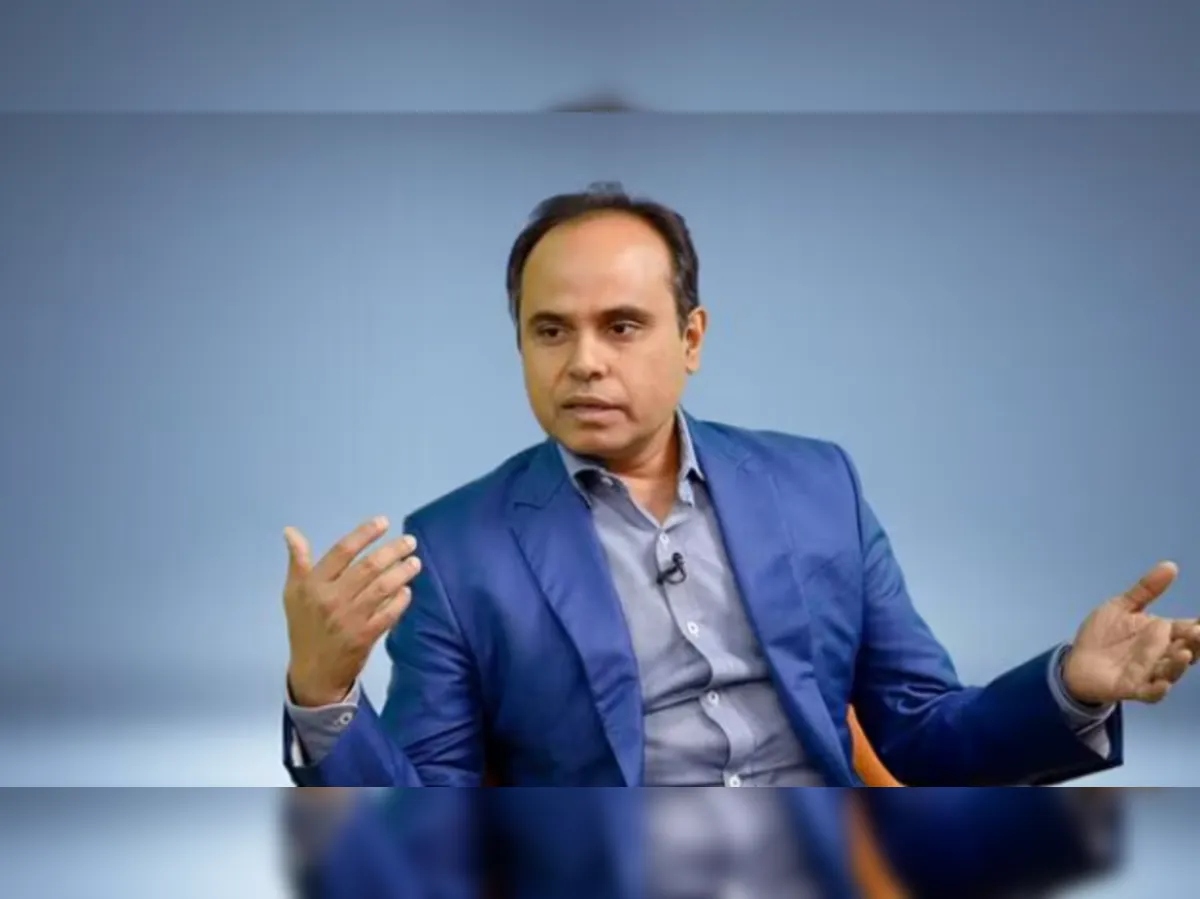
Nasscom Chair Srikanth Velamakanni says India’s tech industry should treat artificial intelligence as an accelerator, not a job-killing threat. Taking the helm amid geopolitical turmoil and AI-driven disruption, he argues that technology will keep hiring and help companies adapt. His message reframes AI’s impact as a growth lever for India’s IT services sector.
Never miss a story
Set alerts for the topics and sources you care about. Download Beige for free.
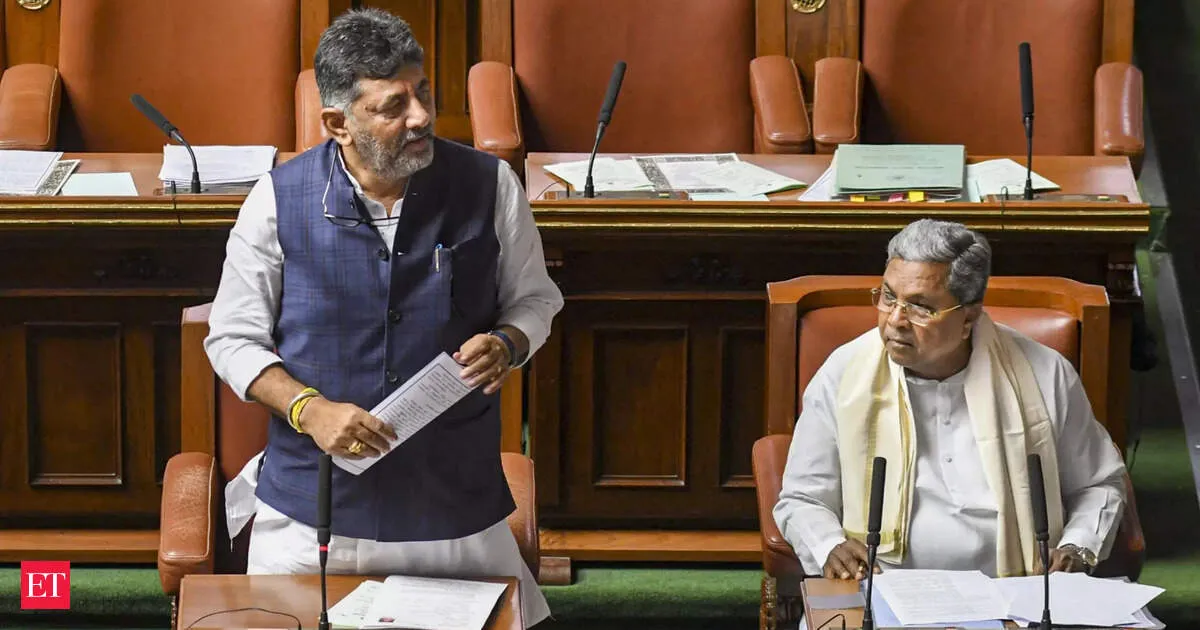
Karnataka’s new job reservation bill, announced by Siddaramaiah, reserves roles for local candidates and has already triggered Nasscom’s backlash, especially from major employers like Google and Intel. The law is enforced through a nodal agency, with penalties ranging from ₹10,000 to ₹25,000 and daily fines for repeat violations. Companies may need training plans, exemptions, and must keep 25% management and 50% non-management reserved slots.
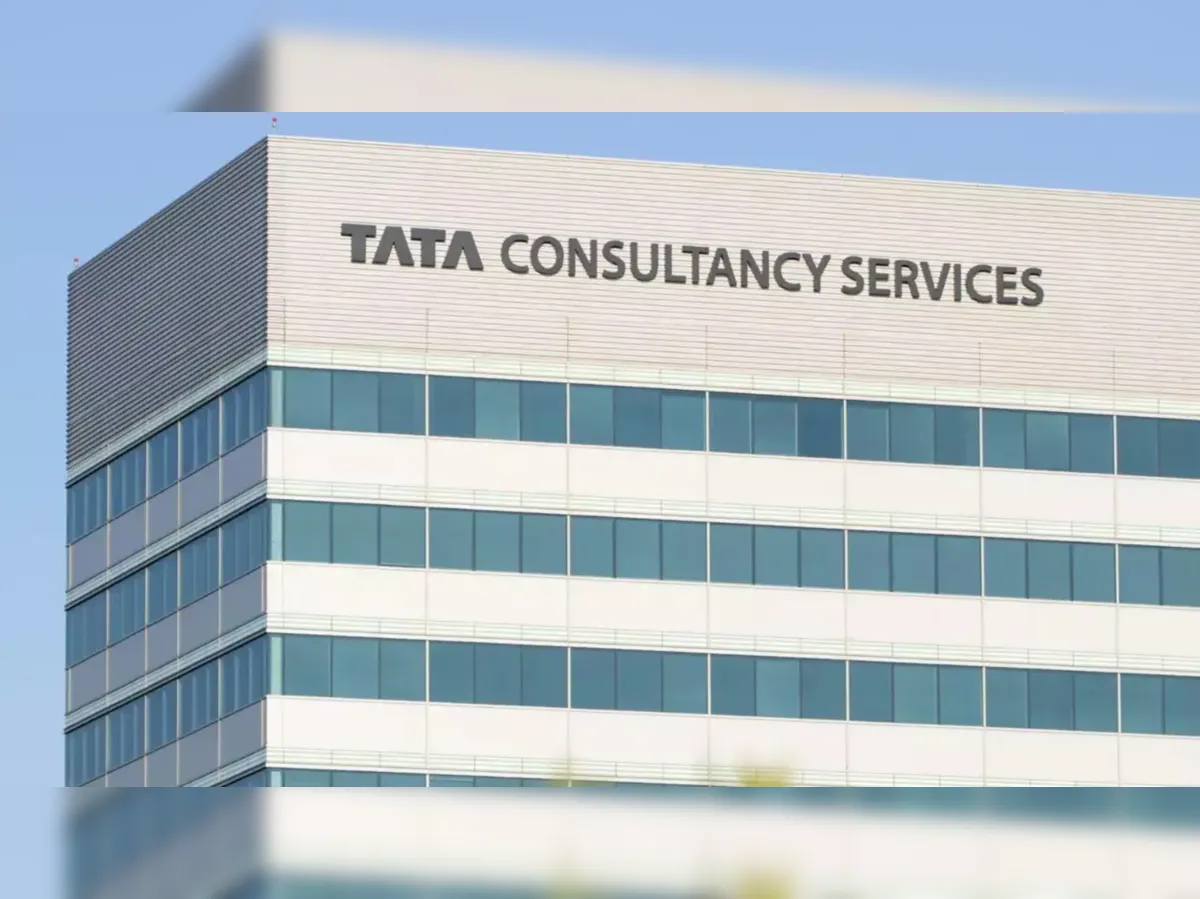
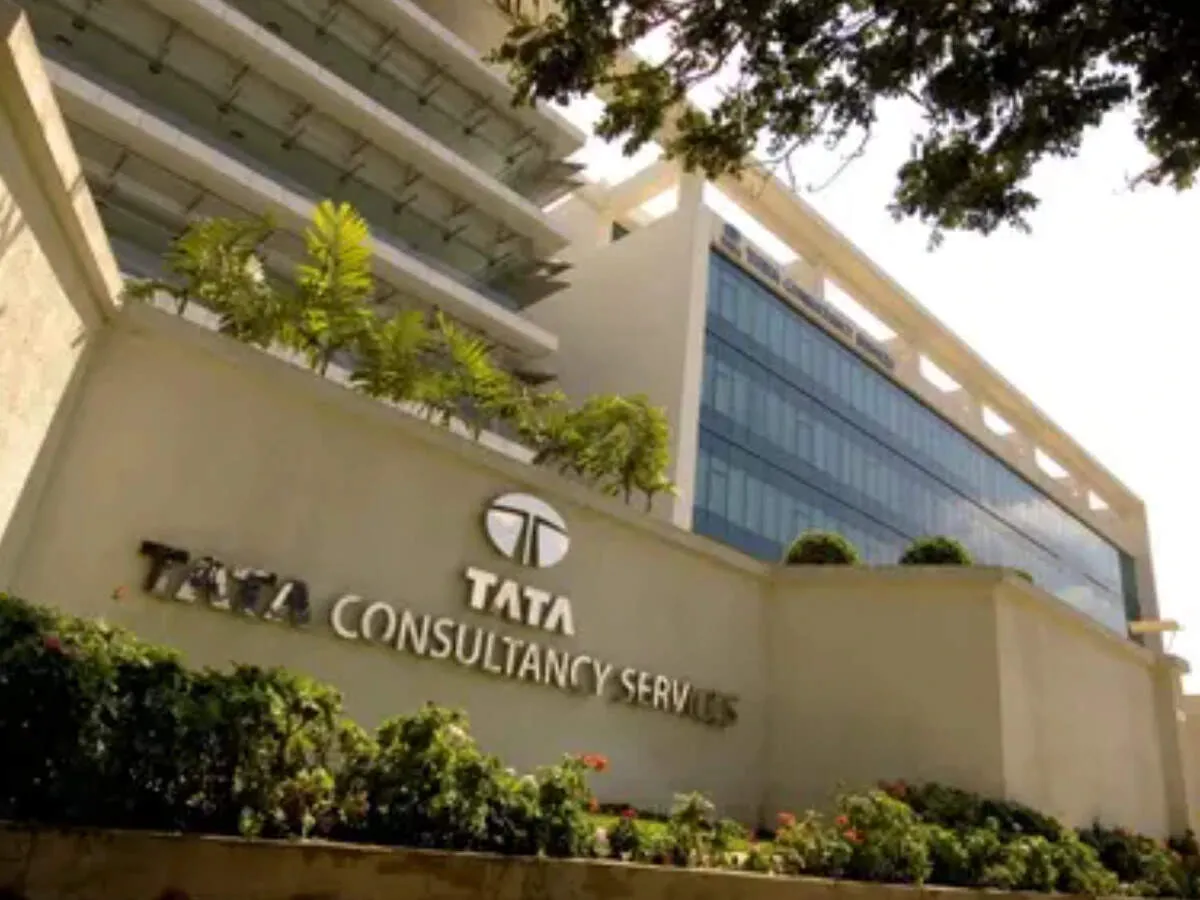
Nasscom says IT firms must act swiftly and decisively in harassment cases, backing a strict, non-negotiable approach to misconduct. The statement comes as Tata Consultancy Services faces allegations of sexual harassment, religious misconduct, and coercion at its Nashik office. Employees were suspended during an investigation, while police arrested seven people and formed an SIT to dig deeper.
Nasscom’s new chairperson Srikanth Velamakanni says AI is triggering a structural shift across India’s technology sector. He points to near-term challenges such as adjusting hiring practices, while stressing major opportunities as demand for tech talent accelerates. Geopolitics may complicate timelines, but the industry is preparing for widespread AI adoption.
Nasscom Foundation has partnered with IBM to upskill more than 87,000 marginalised youth nationwide through the IBM SkillsBuild programme. The initiative offers free, future-ready training in areas such as AI, cybersecurity, cloud, data analytics and professional skills, with mentorship and hands-on learning to help participants gain real workplace readiness.
Reading on mobile?
Open Beige in the app for a smoother experience — free on iOS and Android.
Nasscom has appointed Srikanth Velamakanni, a Fractal cofounder, as its new Chairperson, succeeding Sindhu Gangadharan. Known for expertise in AI and analytics, Velamakanni is expected to push rapid transformation across service sectors by scaling artificial intelligence adoption and innovation. The move signals a renewed focus on technology-led competitiveness for India’s digital economy.
Nasscom has reiterated a zero-tolerance stance on harassment after allegations involving Tata Consultancy Services and Infosys. The industry body said firms have strict internal rules and act quickly, adding the reported cases appear isolated and do not indicate a broader pattern across the sector. Infosys separately confirmed its zero-tolerance policy for harassment.
Swipe through stories, personalise your feed, and save articles for later — all on the app.