SpaceX shareholders have approved the board recommended 5 for 1 stock split, according to Bloomberg. Shareholders were emailed that the stock’s fair market value would be adjusted to $105.32 per share from $526.59. The split is expected to be processed during the week of May 18 and completed by May 22. Separately, Reuters reports SpaceX is aiming to list on Nasdaq as early as June 12, with plans to pursue a massive capital raise at a valuation around $1.75 trillion.
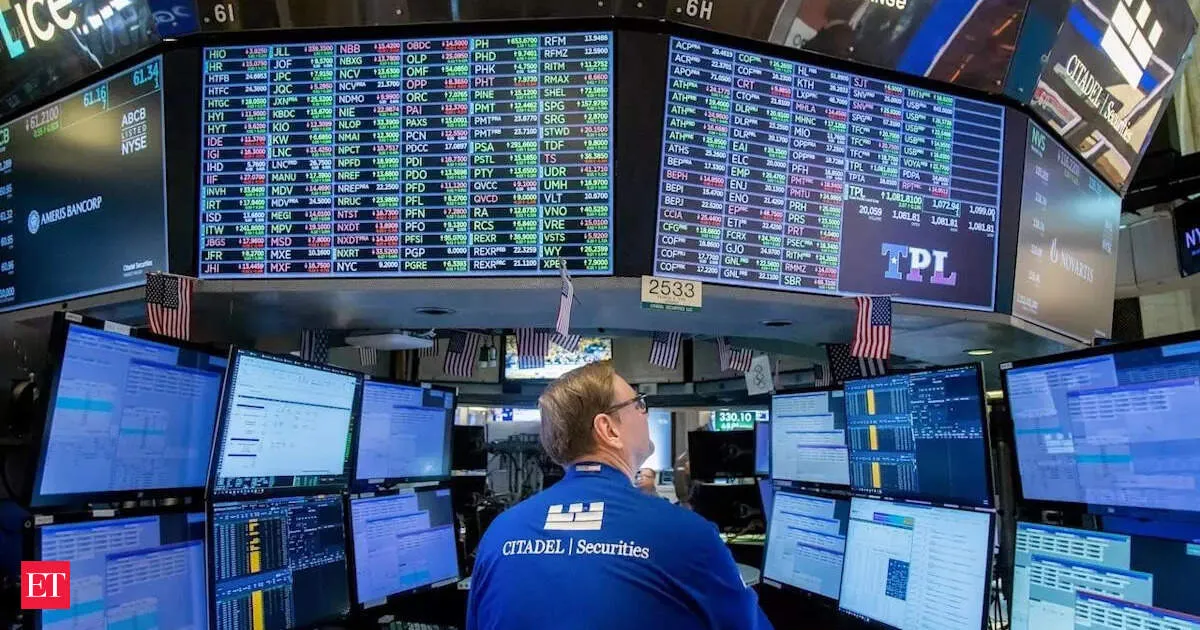
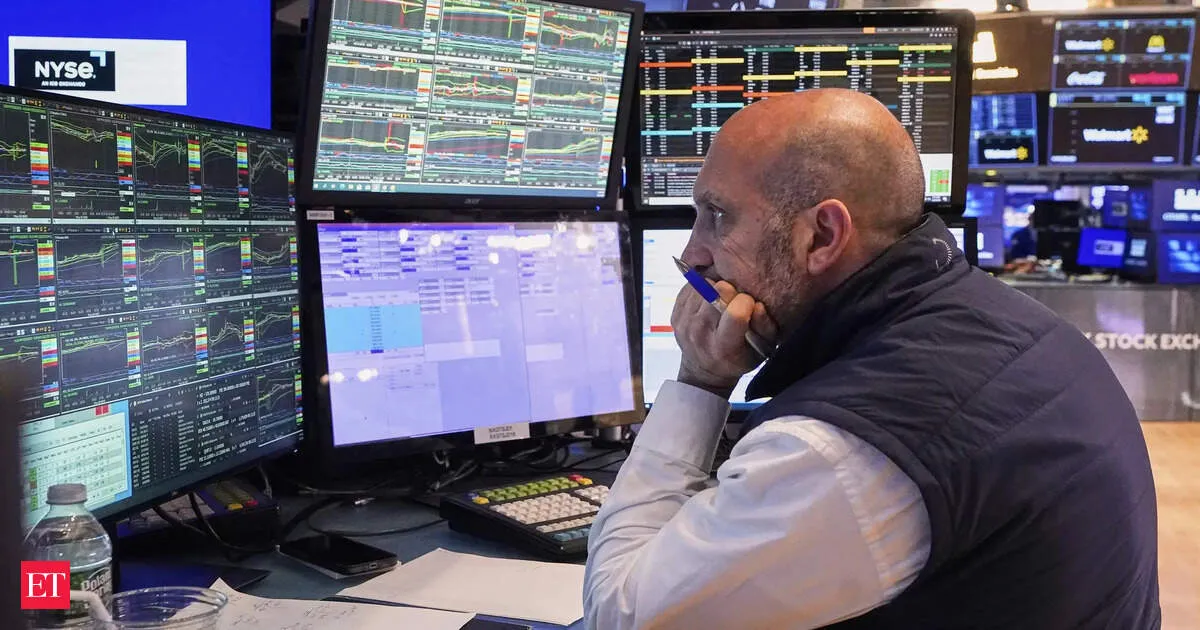
Wall Street reversed its recent momentum on Friday, pushing the S&P 500, Nasdaq, and Dow Jones lower as investors retreated from a stretched technology rally. The sell-off gathered pace alongside rising Treasury yields, with the 30-year yield moving above 5.1% amid inflation worries. Oil surged after Trump’s comments on Iran, lifting West Texas and Brent above key thresholds. Market hopes were also dampened by a Trump-Xi summit that delivered fewer breakthroughs than traders expected.
Your news, in seconds
Get the Beige app — every story in 60 words, updated hourly. Free on iOS & Android.
SpaceX has accelerated its IPO plans, with pricing expected as early as June 11 and a potential Nasdaq debut by June 12, sources told Reuters. The company is moving to make its prospectus public as early as next Wednesday, launching a roadshow around June 4. This schedule pulls the process forward from a previously expected late-June timeframe. A faster-than-expected SEC review of its filing is cited as a key driver, while Nasdaq 100 index inclusion remains part of the strategy.
Cerebras, an AI chipmaker founded in 2015, made a stunning Nasdaq debut with its shares jumping about 90%. Priced at $185 in its IPO, the stock opened at $350, quickly pushing the company’s valuation to over $75 billion. The move highlights surging investor demand for AI infrastructure, with subscriptions reported at more than 20 times the available shares. The debut also underscores how fiercely Nvidia, AMD and Intel are competing for the AI hardware buildout.
US chip startup Cerebras Systems roared into public trading, with shares jumping more than 80% on Nasdaq and briefly more than doubling earlier in the session. The company reached a market value of about $80 billion during the trading debut. Around 1730 GMT, Cerebras was trading at $332.51, after having surged to roughly $385 at one point. The strong debut reflects continued investor demand for companies tied to the artificial intelligence spending and chip investment boom.
Cerebras has begun trading on the Nasdaq Global Select Market under the ticker CBRS, marking its U.S. stock market debut. The move puts the chipmaker’s growth plans directly in front of investors, but debut stocks can be volatile. Here’s what the listing means, and the key factors to watch before deciding whether CBRS belongs in your portfolio.
Never miss a story
Set alerts for the topics and sources you care about. Download Beige for free.
Geothermal startup Fervo Energy stunned investors in its Nasdaq debut, jumping 33.3% on the first day and valuing the company at about $10.21 billion. The move follows an IPO that raised $1.89 billion. The timing is notable as U.S. power demand rises with AI and data center buildouts, intensifying the push for new energy supply.
US stocks closed mixed on May 12 as cooling tech momentum pulled the S&P 500 and Nasdaq lower, while the Dow edged higher. West Texas Intermediate crude jumped amid renewed US-Iran tensions, adding pressure to energy costs. Fresh data showed April CPI rising to its highest level since May 2023, keeping consumer inflation concerns front and center.
The Nasdaq 100 tumbled more than 2% in Tuesday trading, extending its sharpest sell-off in weeks as April CPI confirmed inflation is no longer cooling. The rise pushed CPI to its highest level since May 2023, rattling investors and weighing on the Dow and S&P 500. Traders now face growing uncertainty over rates and market direction.
US stocks opened lower on Tuesday as the S&P 500 and Nasdaq weighed a hotter-than-expected April inflation print and growing uncertainty over the Middle East conflict. Investors appeared to dial back expectations for a fast resolution even as they recalibrated interest-rate bets, pushing sentiment cautiously down at the start of the session.
Reading on mobile?
Open Beige in the app for a smoother experience — free on iOS and Android.
U.S. markets closed higher on Friday, with the S&P 500 and Nasdaq setting fresh record highs. The rally was fueled by a sharp surge in AI-linked names, including Nvidia and memory and storage players like Micron and Sandisk. A stronger-than-expected jobs report also signaled a resilient labor market, helping investors look past rising geopolitical concerns.
Odyssey Therapeutics, an autoimmune disease-focused biotech, surged 11.1% in its Nasdaq debut to a $899.9 million valuation. The company raised $279 million in its IPO, surpassing its target, a result that points to renewed investor appetite for biotech listings. Founder Dr. Gary D. Glick’s track record adds extra confidence to the story.
U.S. stocks rose sharply at Friday’s open after a robust employment report eased fears that the labor market was cooling. Investors leaned into the momentum as chipmaker shares rebounded, lifting sentiment across the board. Early gains were broad, with the Dow, S&P 500, and Nasdaq all moving higher in response to the data-driven turn.
Suja Life, the organic juice maker backed by Paine Schwartz, saw its shares fall 14.3% in its Nasdaq debut. The IPO valued the company at $695.3 million, signaling a cautious mood in consumer markets where capital allocation is tightly scrutinized. Suja sells cold-pressed juices and functional sodas as larger players lean into healthy drinks, highlighted by PepsiCo’s interest in Poppi.
Follow your favourite sources
Track sources, tags and categories — all in the Beige app.
Wall Street is splitting in two. The Dow Jones slipped slightly as Thursday trading began, while the S&P 500 and Nasdaq climbed to record territory. The rally is being powered by broad tech strength and a surge in AI-linked stocks, while older-economy concerns and shifting market bets keep drag on the Dow. Oil moves also add to the uneven mood.
US markets ended mixed as the S&P 500 and Nasdaq rose, but the Dow Jones slipped, underscoring a widening performance split. Analysts point to support from technology stocks, ongoing earnings momentum, shifting oil prices, and persistent geopolitical risks. With inflation still a key concern and global uncertainty rising, they expect continued wild swings in coming months, pushing investors to stay nimble.
The S&P 500 and Nasdaq climbed to fresh record highs as AI-linked chip names, including Intel, rallied alongside encouraging quarterly results. With a U.S.-Iran ceasefire holding, investors also saw geopolitical tension cool off. Market optimism was reinforced by forecasts pointing to strong year-over-year earnings growth across S&P 500 companies.
US stocks surged as the Dow gained over 350 points, the S&P 500 pushed to fresh highs, and the Nasdaq climbed nearly 250 points. The rally was powered by Intel reaching an all-time high alongside broad strength in tech and semiconductors. Oil prices fell sharply, with WTI dropping around 3%, while select companies like Pfizer and Anheuser-Busch posted stronger-than-expected results.
Stay informed on the go
Bite-sized news from 100+ trusted sources, right in your pocket.
Wall Street ended mixed as the Dow and S&P 500 fell while the Nasdaq climbed, with traders weighing the Fed decision, oil moves, and standout technology earnings. Energy stocks gained, but utilities and materials lagged. After the close, futures rose following a sharp jump in Alphabet shares, shifting sentiment—but tomorrow’s direction now hinges on inflation data and corporate outlook amid global tensions.
US stocks climbed to record highs as strong earnings and lower crude prices lifted the S&P 500 and Nasdaq. The rally marks the longest weekly gain streak since October 2024, defying the usual May softness. Analysts point to solid results—Q1 earnings growth of 27.8%—with 83% of companies beating estimates, keeping momentum in focus.
Swipe through stories, personalise your feed, and save articles for later — all on the app.