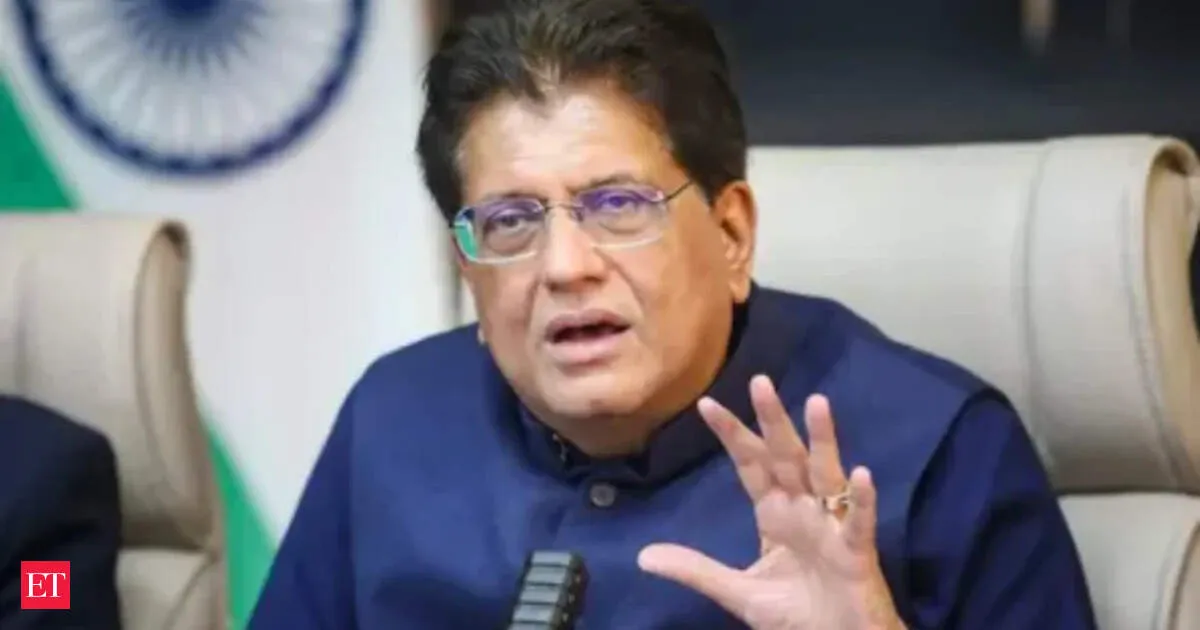
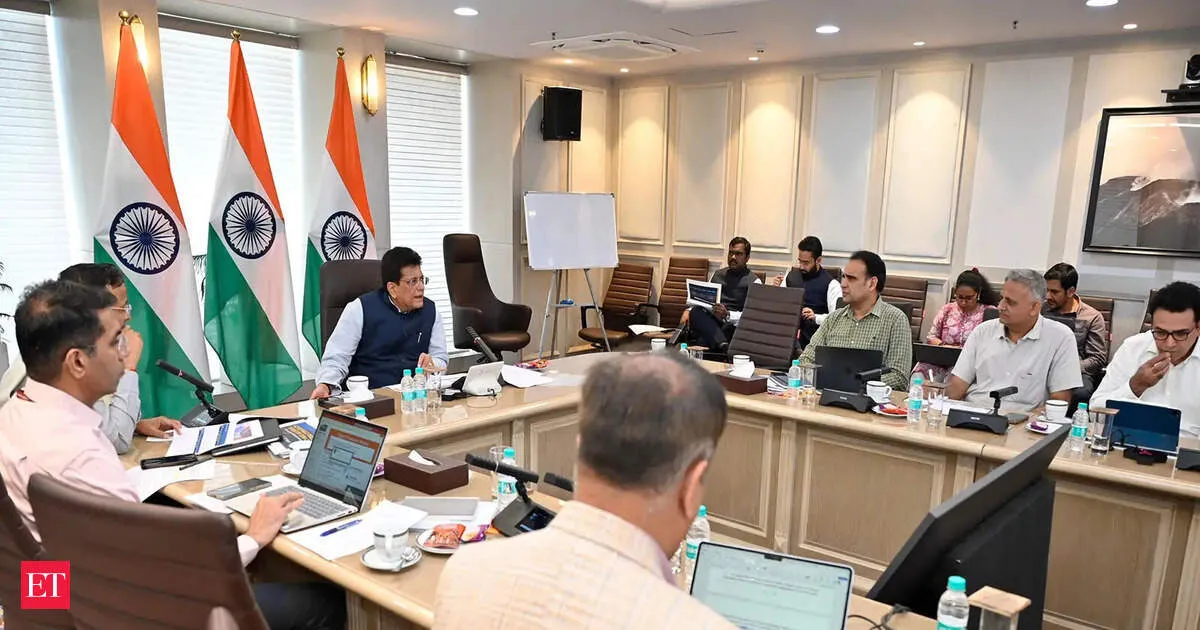
The Union Commerce and Industry Ministry is planning to co-locate its scattered regional offices in Mumbai into a single location to boost efficiency and reduce administrative costs. After a meeting with senior officials, Minister Piyush Goyal said around 20 offices across 12 organisations currently operate at different sites, occupying lakhs of square feet and carrying separate housekeeping, security and admin expenses. The plan aims to create a one-stop ecosystem for exporters, MSMEs and startups, with modern conferencing to connect businesses to 46 organisations.
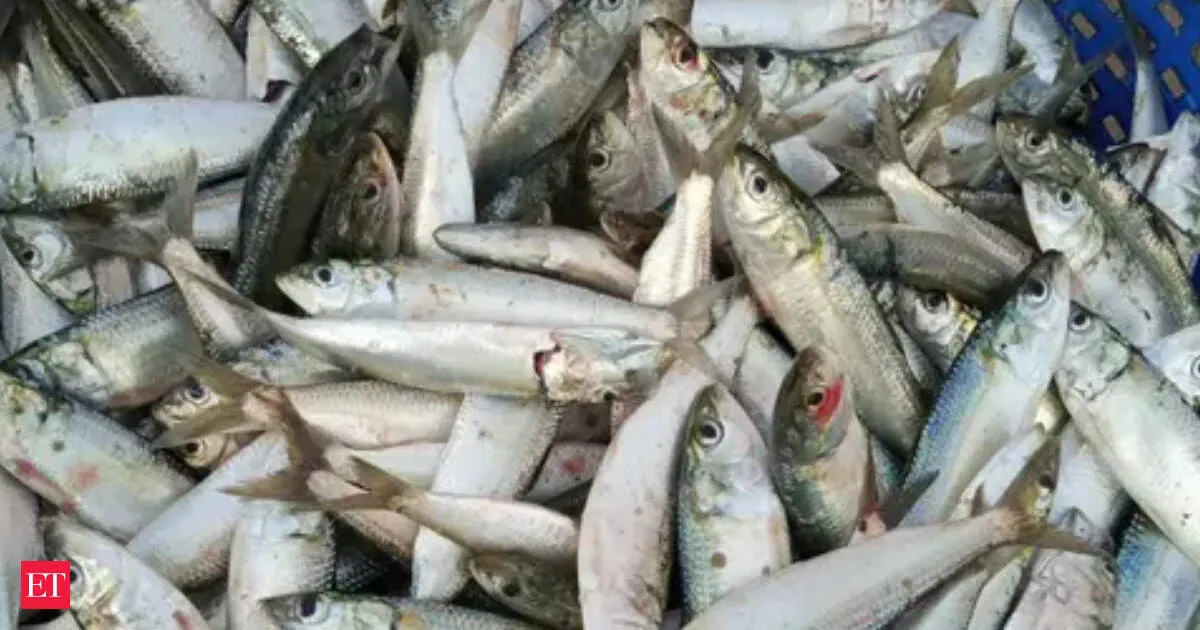
India’s Fisheries Department will explore a production-linked incentive (PLI) scheme for MSMEs in the seafood sector, aiming to improve global competitiveness and accelerate exports. The plan, discussed in a high-level meeting between commerce and industry minister Piyush Goyal and fisheries minister Rajiv Ranjan Singh, targets a major shift toward value-added seafood and a larger export base. Export-oriented infrastructure and sustainability measures are part of the roadmap, alongside strengthening sanitary and phytosanitary compliance from production to packing.
Your news, in seconds
Get the Beige app — every story in 60 words, updated hourly. Free on iOS & Android.
Zoho Corporation has invested Rs 70 crore in ONDC, aiming to strengthen India’s sovereign technology and make digital commerce easier for MSMEs. The company says the funding will help small businesses widen their reach and scale faster. ONDC, supported by financial institutions and government bodies, reportedly handled 218 million transactions in FY26.
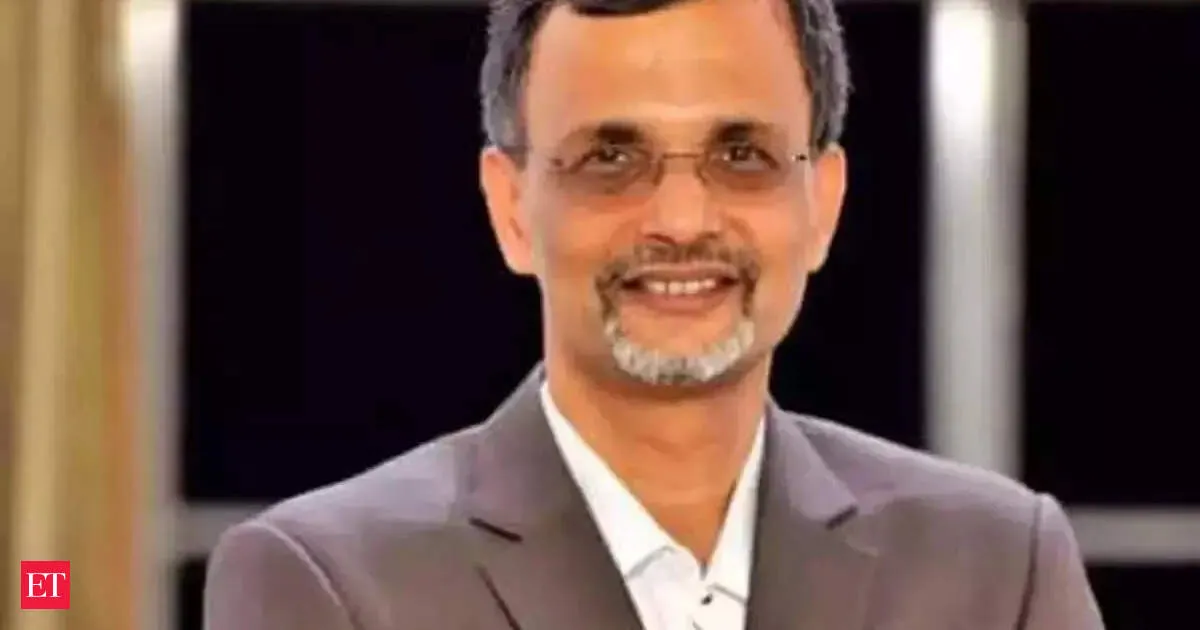
Chief Economic Advisor V Anantha Nageswaran asked large companies to release working capital to MSMEs without delays. He said quicker payments can ease MSMEs’ working-capital crunch and reduce their funding costs, which often climb when invoices stretch. The appeal targets payment timelines as a lever to improve liquidity across the MSME ecosystem.
India has launched Emergency Credit Line Guarantee Scheme 5.0 to shield MSMEs hit by the Iran war fallout. The programme offers eligible businesses a collateral-free working capital top-up of up to 20% of their prior year peak utilisation, backed by a 100% government guarantee for smaller MSMEs. Loans come with a one-year principal moratorium and five-year repayment tenure.
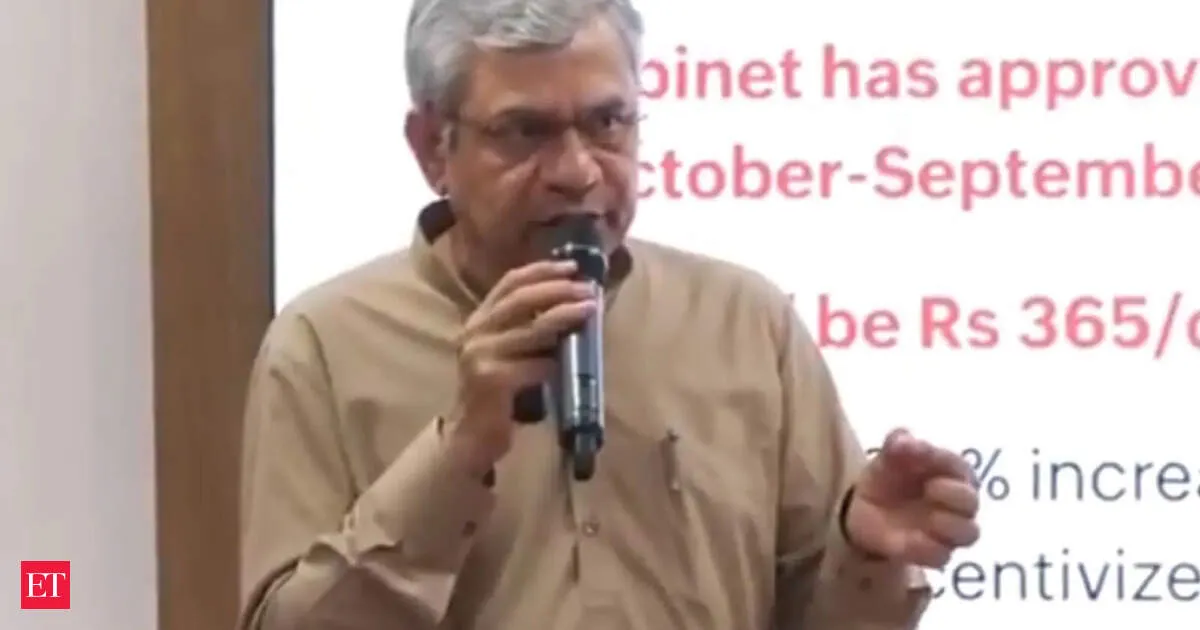
The Cabinet has approved ECLGS 5.0, an Emergency Credit Line Guarantee Scheme aimed at shielding airlines and MSMEs from mounting economic strain amid Gulf war-related uncertainty. The package is set to unlock significant additional credit. In parallel, the government has also cleared plans for two semiconductor units, railway infrastructure, and a ship repair facility to spur industrial capacity and jobs.
Never miss a story
Set alerts for the topics and sources you care about. Download Beige for free.
The Union Cabinet has cleared Emergency Credit Line Guarantee Scheme 5.0 to help businesses hit by liquidity stress during the West Asia crisis. The plan provides credit guarantee coverage for both MSMEs and non-MSMEs, with direct support for the airline sector. The government says the move will help maintain operations, protect jobs, and keep domestic production running despite global disruptions.
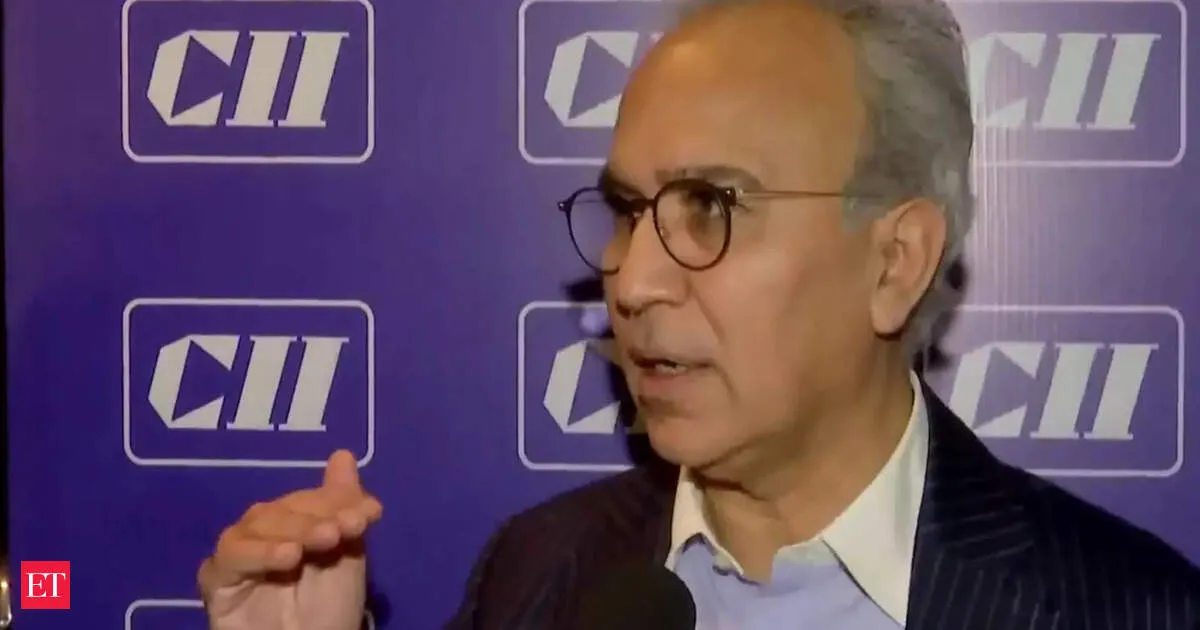
India’s growth outlook is at risk as a prolonged West Asia crisis could push GDP growth below 6.5 per cent, CII President Rajiv Memani cautioned. He pointed to oil prices staying elevated beyond USD 100 per barrel as a key drag on economic activity, while interest rates are unlikely to ease quickly. CII also called for targeted support for MSMEs.
An IMF working paper says Indias digitalisation of public administration has raised productivity in MSMEs, with the biggest gains in states that rolled out more reforms. The study credits simpler digital systems for reducing compliance costs, improving transparency, and enabling faster growth for smaller firms—while also helping narrow productivity differences across the country.
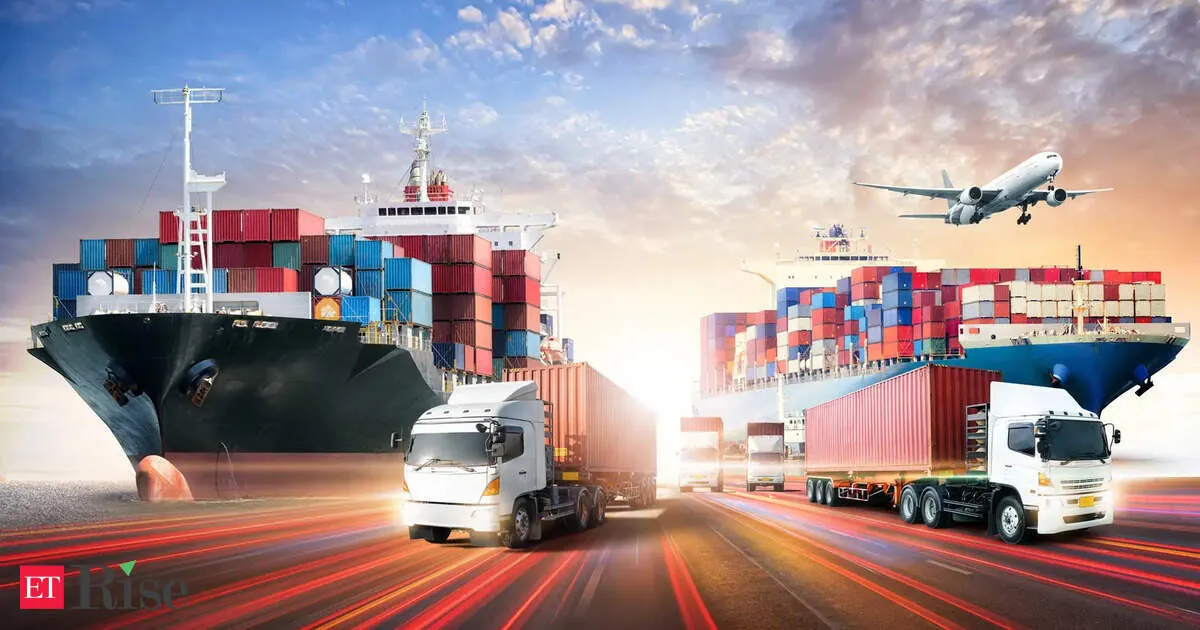
Union Minister Piyush Goyal reviewed measures to strengthen India’s exports, stressing better implementation, coordination, and monitoring. The plan prioritises MSMEs and agricultural exports while upgrading the Government e-Marketplace to enable transparent public procurement. The effort targets wider participation from MSMEs, startups, and women entrepreneurs to support broader growth and competitiveness.
Reading on mobile?
Open Beige in the app for a smoother experience — free on iOS and Android.
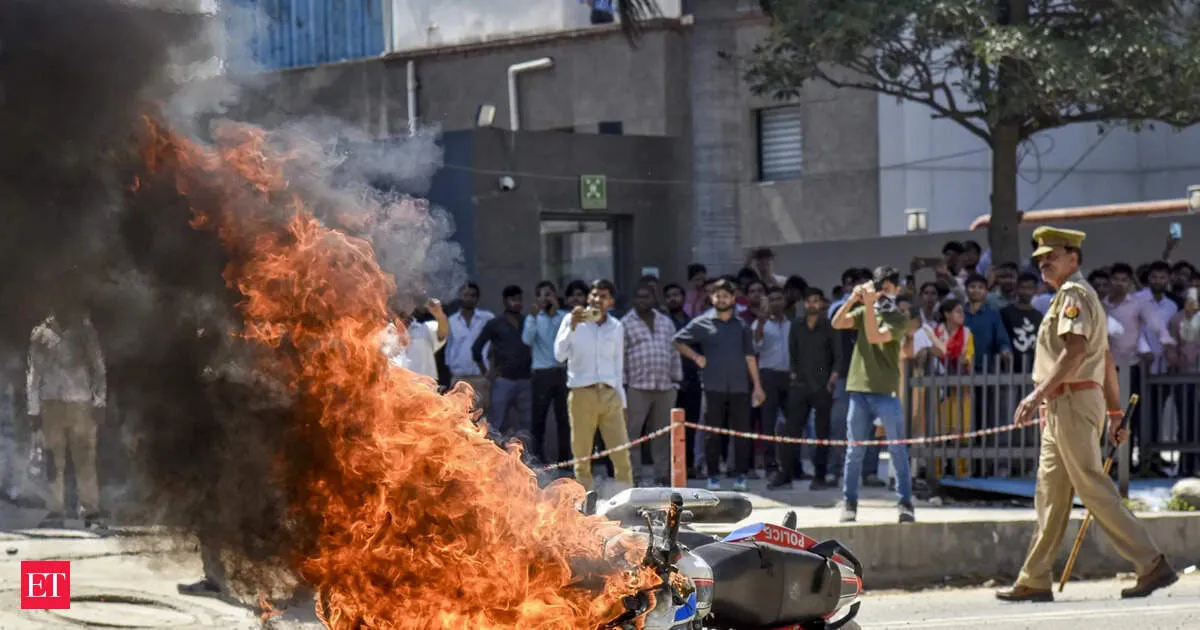
Protests by Noida factory workers have thrust India’s minimum wage debate back into focus. With inflation steadily eroding purchasing power, many workers say wage hikes are not translating into better living standards. Wage growth varies across states and gaps remain, while more households lean on borrowing. Analysts call for a more granular minimum-wage approach plus targeted support for MSMEs and migrant workers.
India’s cybersecurity watchdog CERT-In says frontier AI is reshaping cybercrime by automating vulnerability discovery and enabling complex, multi-stage attacks. With limited security infrastructure, micro, small and medium enterprises are flagged as the highest-risk targets. The warning highlights how AI can dramatically lower barriers for attackers, increasing the urgency for MSMEs to strengthen defenses.
India has outlined a two phase Digital Public Infrastructure roadmap aimed at reaching a 30 trillion economy by 2047. DPI 2.0 runs from 2025 to 2035 to build capable citizens, while DPI 3.0 spans 2035 to 2047 to spur prosperity through innovation. The plan targets MSMEs, farmers, education, and health, pushing local economic growth.
The Federation of Indian Export Organisations (FIEO) says the India–New Zealand free trade agreement will expand market access for Indian goods and services, with MSMEs expected to benefit most. The pact is designed to diversify export destinations, improve competitiveness, and strengthen bilateral economic ties, with FIEO suggesting trade volumes could potentially double over time.
Follow your favourite sources
Track sources, tags and categories — all in the Beige app.
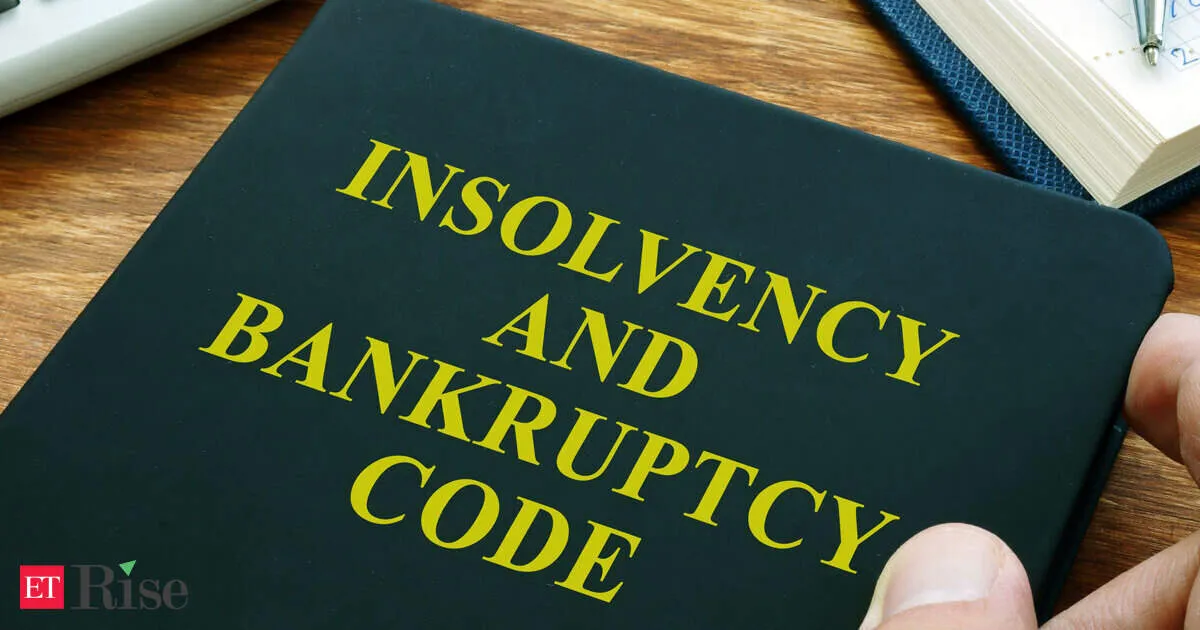
The Centre has promulgated an ordinance amending the Insolvency and Bankruptcy Code to introduce pre-packaged insolvency for MSMEs. Under the change, a firm prepares a restructuring plan in coordination with creditors before formal insolvency proceedings start. The goal is to reduce delays and overall costs by front-loading negotiations and speeding up resolution.
The government’s push to expand TReDS aims to unlock faster invoice financing for MSMEs, but experts warn that RBI’s onboarding easing may not solve the core issue. Credit ratings remain a key requirement, creating uncertainty about eligibility and slowing participation. For many smaller firms, this means the promised liquidity access still feels out of reach.
Devesh Sachdev has joined credit platform GLAAS as a co-founder, investing USD 5 million. The startup targets embedded credit for MSMEs across India, building on Sachdev’s earlier Fusion Finance experience. GLAAS is also strengthening its NBFC, Gromor Finance, and expanding its partner network to scale lending through existing business ecosystems.
Swipe through stories, personalise your feed, and save articles for later — all on the app.