India’s Centre has tightened FY27 performance norms for central public sector enterprises, linking accountability to measurable outcomes. CPSEs can lose full marks if they miss mandatory CSR activity targets or breach MSME procurement and payment requirements, including failing to disclose unpaid bills in annual reports. The evaluation also penalises gaps in succession planning through mark deductions, and adds a heavier focus on R&D and innovation, especially for firms with import dependence. The Centre circulated the guidelines this month under a committee chaired by the cabinet secretary.
Uttar Pradesh CM Yogi Adityanath compared the current West Asia crisis to the COVID era, urging citizens to adopt a “collective responsibility” mindset to protect fuel, food, and fertiliser supplies. Speaking at the “9 Defining Years of Transforming UP” conclave, he pushed self-reliance through public transport, renewable energy, carpooling, electric vehicles, and rural biogas community kitchens. He also touted major UP gains since 2017, including infrastructure expansion, rising agricultural output, and tripled per capita income, positioning the state as an investment hub.
Your news, in seconds
Get the Beige app — every story in 60 words, updated hourly. Free on iOS & Android.
Andhra Pradesh’s minister Nara Lokesh says MSMEs will drive employment growth, targeting 20 lakh jobs through decentralized development via industrial clusters. The push also includes simplifying business processes and a fast-track plan to list 100 local companies on the National Stock Exchange within three months, aiming to boost growth, visibility, and investment in the state’s SME sector.
Air Marshal Ashutosh Dixit says India’s next phase of military strength depends on AI, cyber warfare and drones, not just conventional platforms. He also urges MSMEs to position themselves as long-term national security partners, pointing to a massive ₹10 lakh crore opportunity within the expanding defence ecosystem as modernization accelerates.
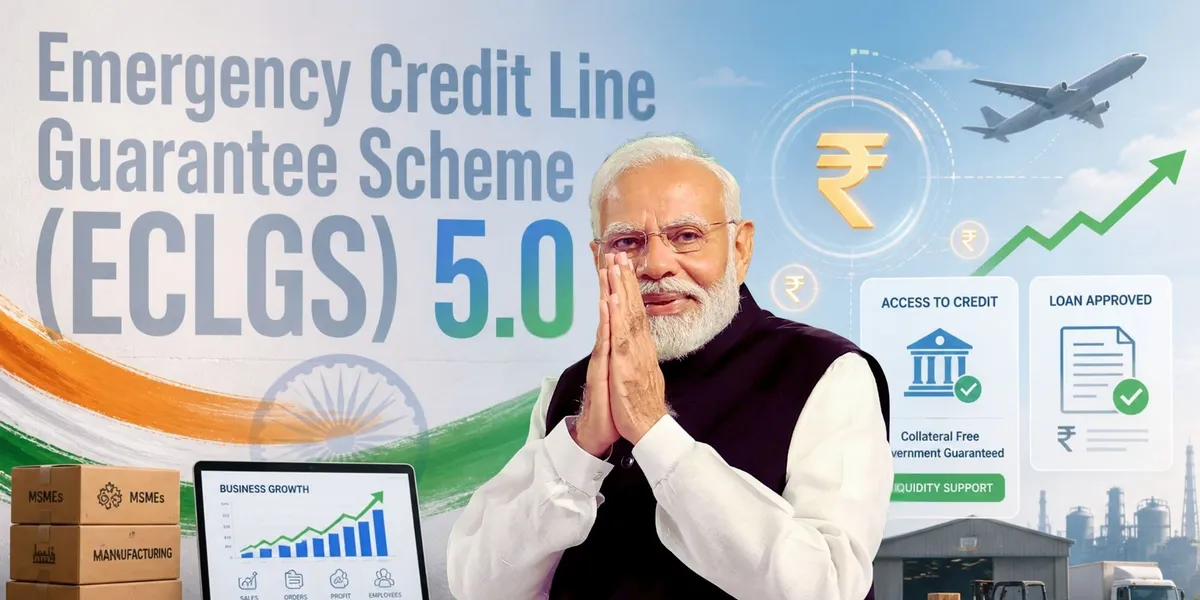
The government’s Emergency Credit Line Guarantee Scheme 5.0 is designed to strengthen credit availability, especially via mid-sized banks with heavy exposure to micro, small and medium enterprises. By using government guarantees to reduce lender risk, the scheme is expected to unlock more lending and improve the flow of funds to a sector central to jobs and growth.
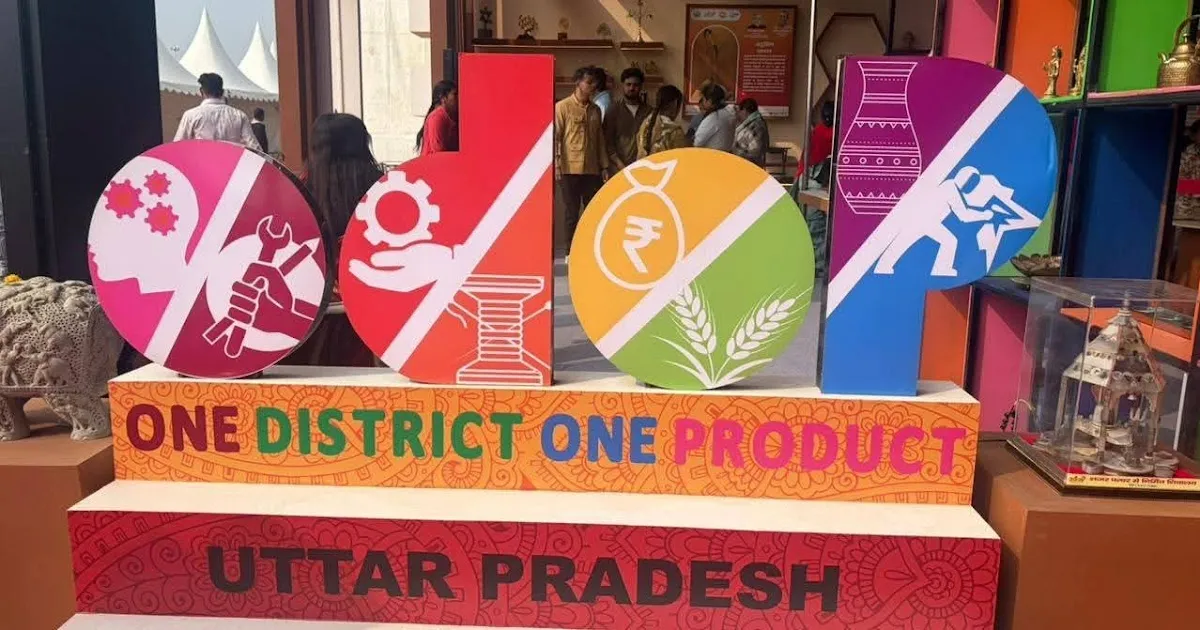
In a review of 16 Common Facility Centres (CFCs) under the ODOP scheme, Uttar Pradesh Chief Minister Yogi Adityanath flagged concern that benefits were reaching too few artisans and ordered wider access. The plan pairs up to 90% government subsidy with training, modern machinery, design and testing, plus awareness drives, outreach tools, and a Citizen Charter at each centre.
Never miss a story
Set alerts for the topics and sources you care about. Download Beige for free.
Bank of Baroda plans to grow its corporate lending 10% by FY27, backed by a Rs 50,000 crore loan pipeline, especially strong in investment lending demand. The bank says it will lean on external benchmark lending rates to protect margins even as deposit costs remain a key pressure point. Asset quality is reported as solid, with strength in MSMEs.
State Bank of India is aiming to keep its net interest margin above 3% in FY27, banking on easing funding costs as deposits are repriced. But if CASA growth stays slower than credit expansion, SBI may have to rely more on costlier term deposits. To protect margins, it plans faster retail and MSME loan growth while strengthening fee income.
India’s private capital expenditure jumped 67% to Rs 7.7 lakh crore in September 2025, signaling a revived investment cycle. Manufacturing led the increase, while services also contributed meaningfully. The Confederation of Indian Industry (CII) unveiled a five-point action plan to sustain growth, including proposals on fuel excise, energy conservation, and improving payment flows for MSMEs.
India is spearheading its BRICS chairship push to strengthen MSMEs across member nations, focusing on improving access to finance and expanding fintech-driven credit. BRICS partners are exchanging approaches to tackle persistent funding and growth barriers for small businesses. The effort is designed to build more competitive MSME ecosystems that can spur investment, productivity, and job creation globally.
Reading on mobile?
Open Beige in the app for a smoother experience — free on iOS and Android.
The Prime Minister’s Employment Generation Programme has generated jobs for over 36 lakh people and helped set up more than four lakh new businesses. Implemented by KVIC, the initiative reportedly spent its entire budget. Notably, many of the new enterprises are in rural areas, strengthening local economies and supporting more balanced growth across regions.
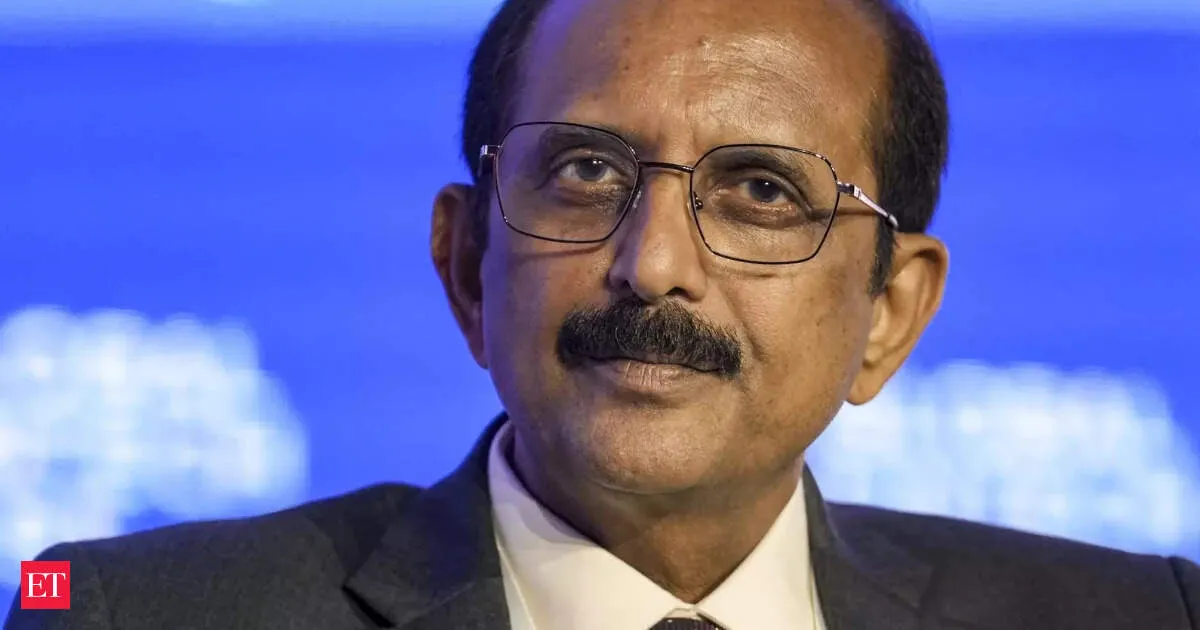
The government has launched ECLGS 5.0 to support MSMEs and the airline sector, providing extra credit of Rs 2.55 lakh crore. State Bank of India is expected to play a major role, with Chairman CS Setty indicating SBI could contribute roughly Rs 70,000 crore to Rs 80,000 crore, aiming to accelerate recovery and sustained lending.
ECLGS 5.0 is designed to cushion MSMEs from fallout tied to the US Iran war, offering relief intended to ease immediate stress. But industry voices are questioning whether the scheme truly helps businesses in practice, warning that moratorium terms could delay payments without reducing long term pressure. The real test: how workable these conditions are for small firms.
The Union Cabinet has approved ECLGS 5.0, a new Emergency Credit Line Guarantee Scheme aimed at easing credit access for MSMEs and airlines hit by disruptions tied to the West Asia crisis. The government expects up to Rs 2.55 lakh crore in credit support, including Rs 5,000 crore for airlines, backed by guarantees, capped lending rates, and extended repayment timelines.
Follow your favourite sources
Track sources, tags and categories — all in the Beige app.
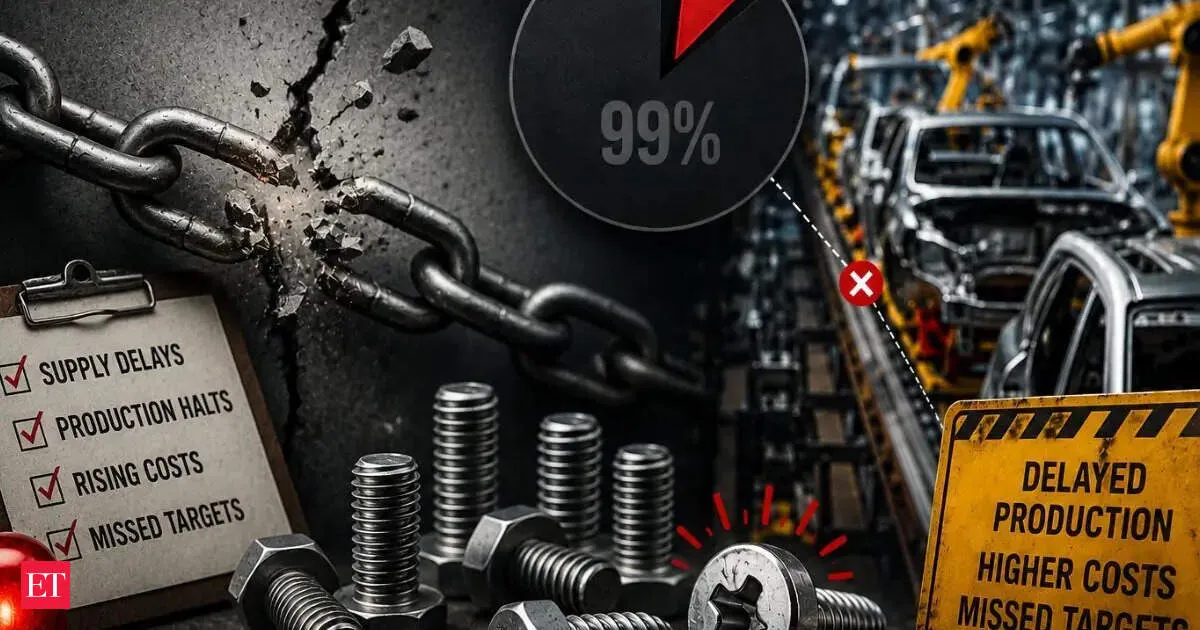
A new analysis warns that tight regulations on fasteners are creating disproportionate manufacturing headaches for India’s makers. The result: higher costs, tighter supply, and downstream disruptions in automotive and construction—industries that rely on “small but critical” components. The report argues for a simpler, risk-based compliance approach for safety-critical fasteners to protect Make in India goals.
Jammu & Kashmir Bank posted a 36% jump in Q4 profit, helped by improved asset quality and stronger operating profit. Annual profit reached a record high as advances and deposits grew steadily. The bank pointed to sustained demand and a sharper lending focus on retail, MSMEs, and agriculture to support growth and resilience.
India is preparing a roadmap to upgrade apprenticeship programmes for micro, small and medium enterprises through reforms in policy, regulations and financing. A group training model is emerging as a leading option, aimed at scaling access to practical workplace skills. The effort targets equipping young people with job-ready competencies by 2047, aligning MSMEs and training institutions.
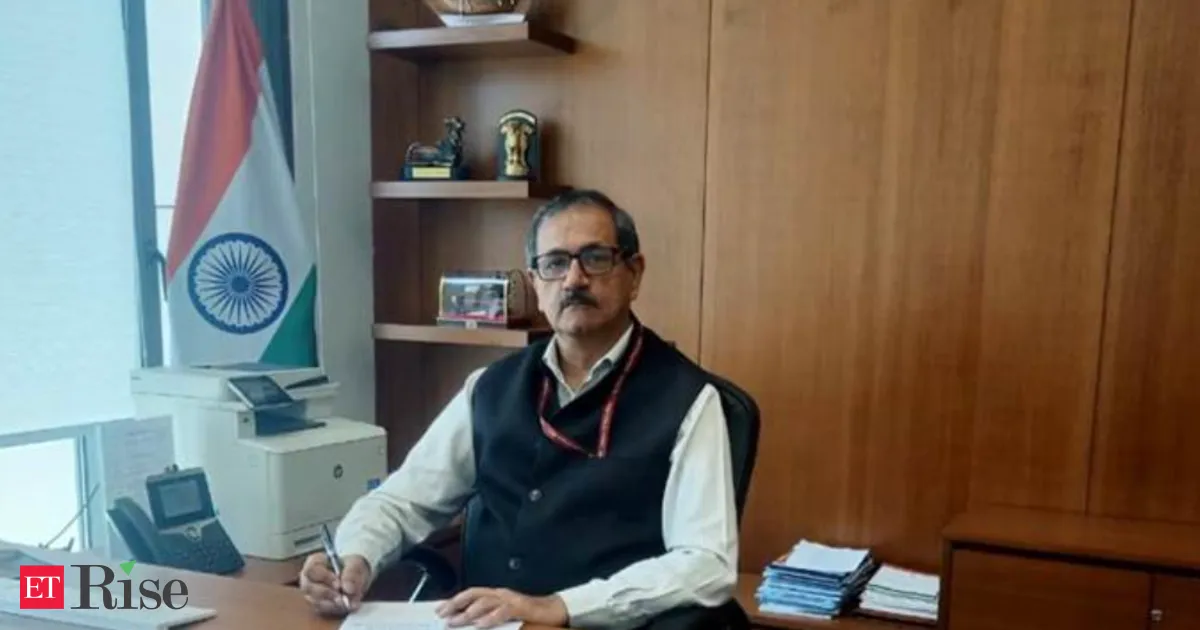
Bharat Khera has assumed charge as the MSME Secretary, backed by over three decades of administrative experience. He previously worked in key central government roles, including the Ministry of Defence and the Cabinet Secretariat, and also held significant positions in the Himachal Pradesh government. His appointment signals continuity of experienced civil service leadership for the MSME sector.
Stay informed on the go
Bite-sized news from 100+ trusted sources, right in your pocket.
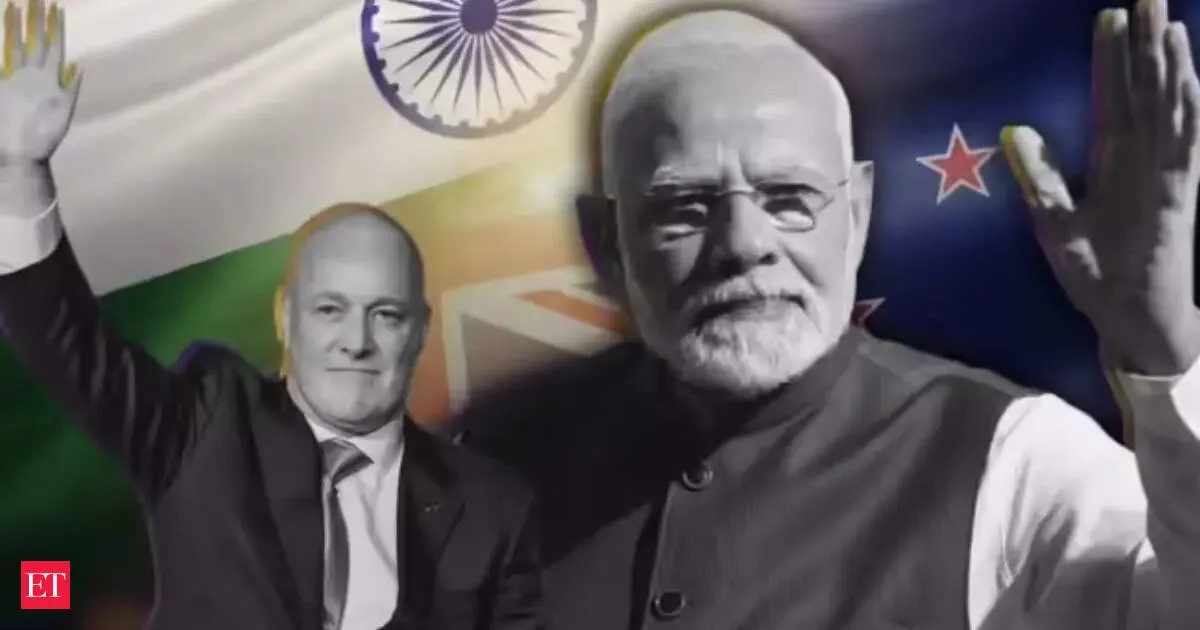
India’s engineering exports to New Zealand are expected to double within five years, with shipments projected to reach USD 280–300 million. The shift is driven by a new free trade agreement that offers zero-duty market access for all Indian goods, aiming to strengthen the engineering sector and expand opportunities for MSMEs through easier, cheaper exports.
Drip Capital says it has surpassed $9 billion in MSME cross-border trade finance, using an AI-powered platform for faster funding and risk management. The company positions the move as a response to India’s large MSME credit gap, aiming to help small businesses access working capital and support steady growth in global markets.
Swipe through stories, personalise your feed, and save articles for later — all on the app.