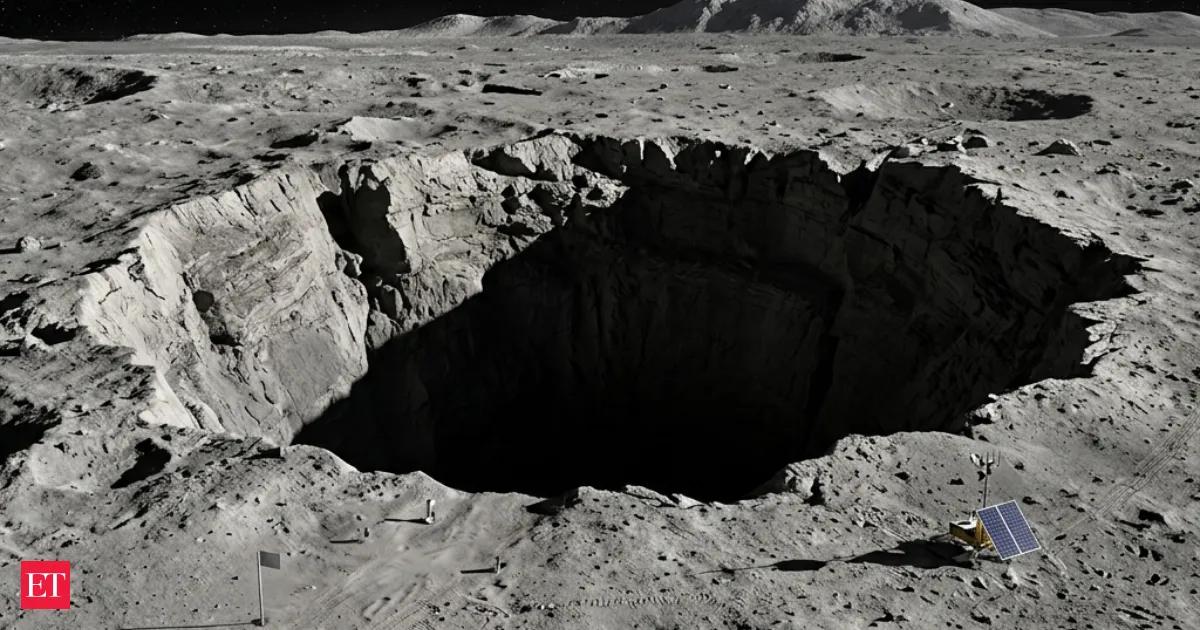
Scientists are turning to lunar lava tubes as promising shelter sites for future astronauts. These underground tunnels can offer strong protection from harmful radiation and extreme temperature swings. Researchers also suspect the tubes may hold valuable resources such as water ice, which could support long-term missions. With underground habitats potentially more practical than surface bases, study efforts are accelerating.
US President Trump signaled that NASA could attempt a Moon landing before his term ends while meeting the Artemis 2 crew. The comments blend political timing with the realities of deep-space engineering, with Trump also asking whether the office itself allows a president to go to space. The remark follows the crew’s historic mission milestones.
Your news, in seconds
Get the Beige app — every story in 60 words, updated hourly. Free on iOS & Android.
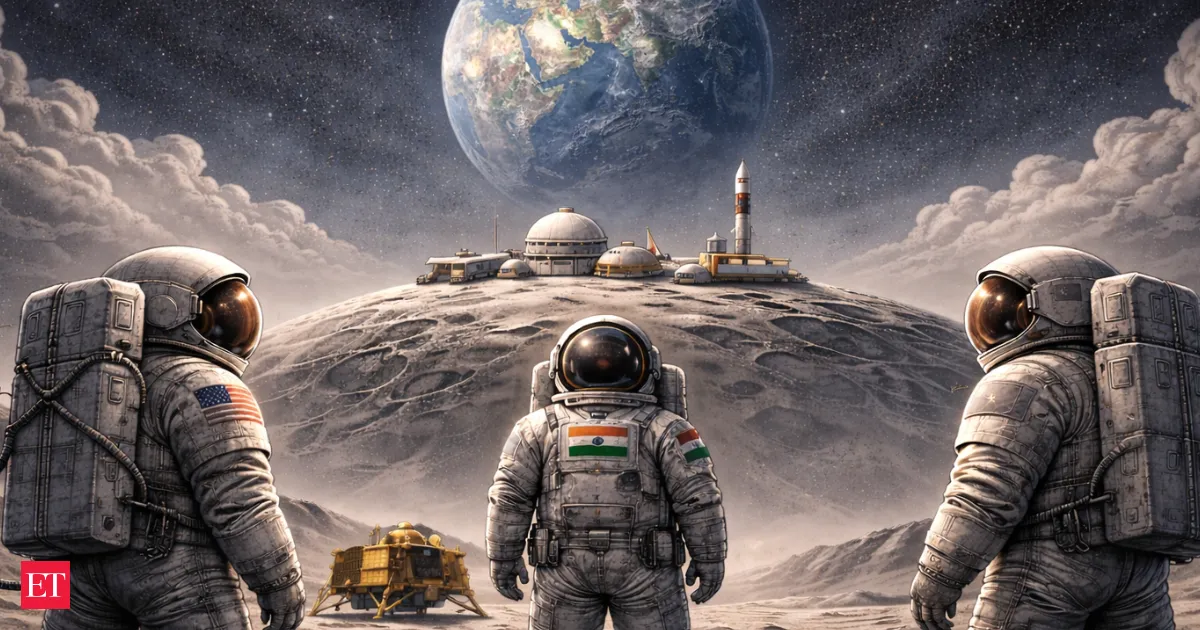
A fresh lunar race is accelerating as the US Artemis push for crewed Moon landings collides with China’s 2030 goal. Beyond who plants flags, both sides are racing to shape the governance framework for future lunar activity. India is also ramping up, targeting a Moon landing by 2040 as the “new space order” takes shape.
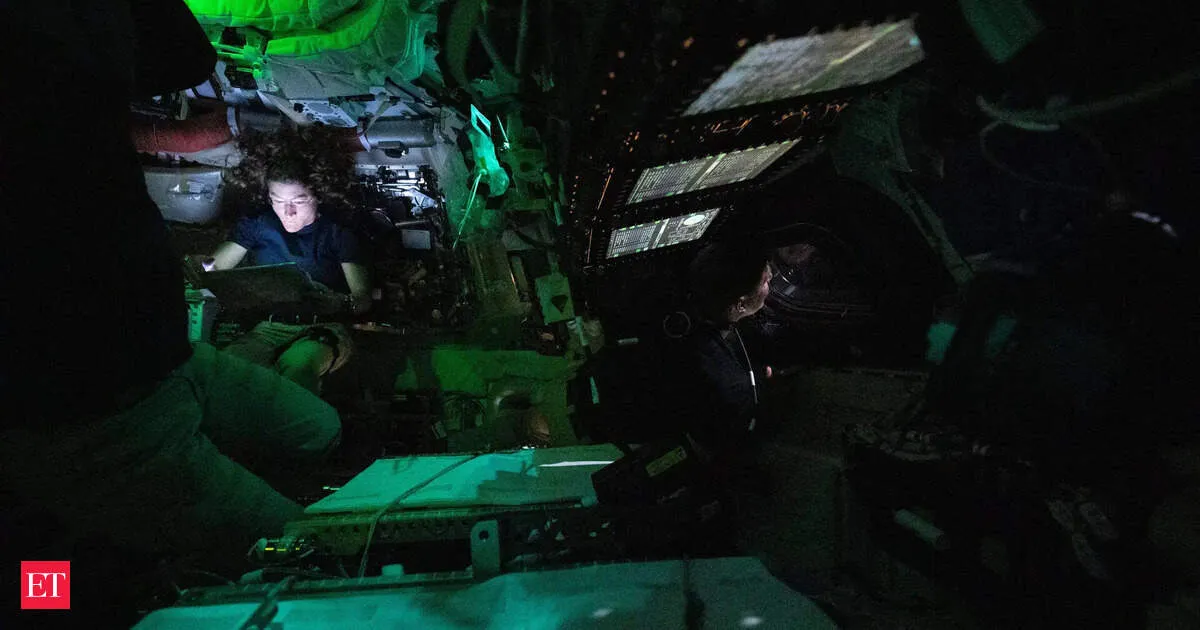
Artemis astronauts on a Moon flyby will rely on their eyes as a primary scientific instrument, trained like field observers rather than just technology operators. Building on Apollo’s legacy, they’ll examine lunar sites and phenomena, focusing on subtle color variations to infer composition and history. Mission reports are expected to deliver unusually detailed human descriptions of the lunar surface.
Artemis II astronauts are back on Earth after a safe, record-setting splashdown in the Pacific following a historic lunar mission. The crew pushed distances far beyond previous missions and delivered fresh, unprecedented views of the Moon’s far side. NASA now moves closer to future lunar landings and a sustainable base, with the diverse crew already becoming a global inspiration.
NASA’s Artemis II astronauts have moved into the Moon’s gravitational reach as their mission approaches a record-breaking Earth distance. On the dark-side approach, they’re set for stunning visuals: a lunar eclipse alongside the dramatic sight of Earth rising above the lunar horizon—turning the deep-space journey into a rare celestial event.
Never miss a story
Set alerts for the topics and sources you care about. Download Beige for free.
America’s Artemis 2 is now bound for lunar orbit, positioning a future landing and potential human settlement. Editorially, the bigger story is competition: nations want footholds before rules solidify, and resource extraction could turn the moon into a commercial staging ground for Mars missions. The mission’s “dream” is also a strategic rush.
Swipe through stories, personalise your feed, and save articles for later — all on the app.