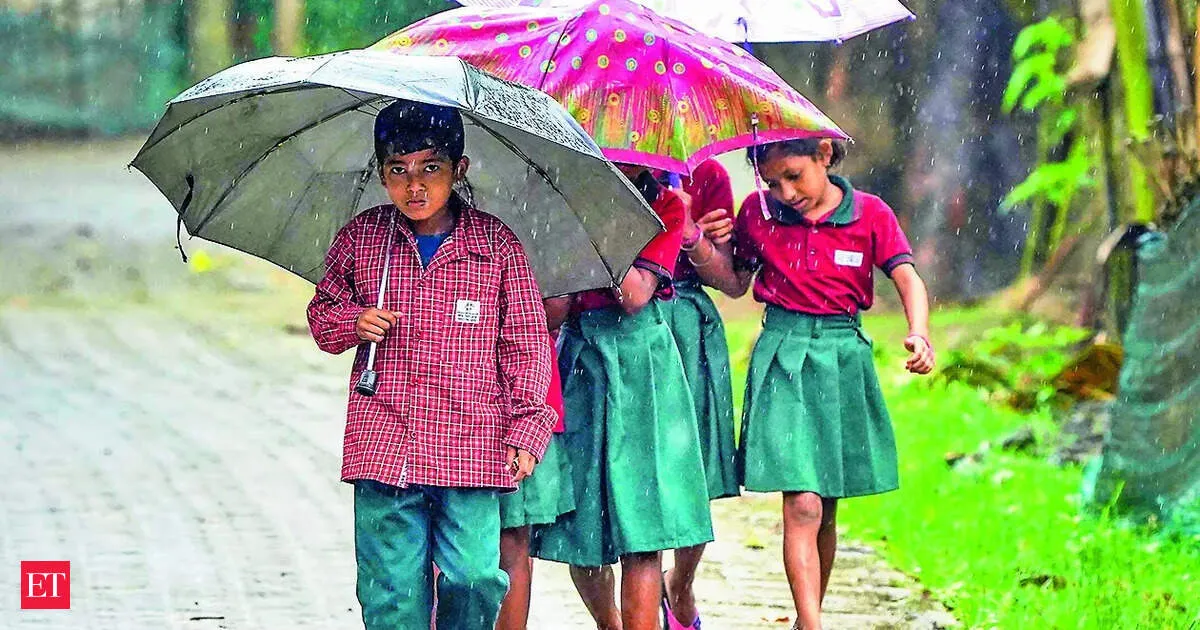
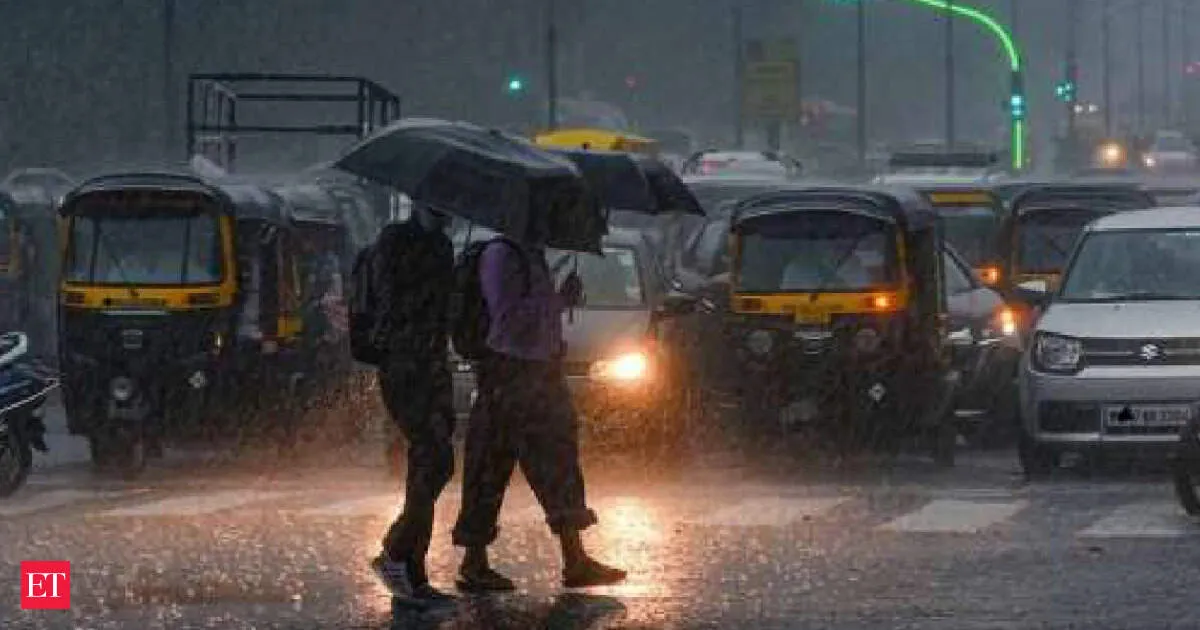
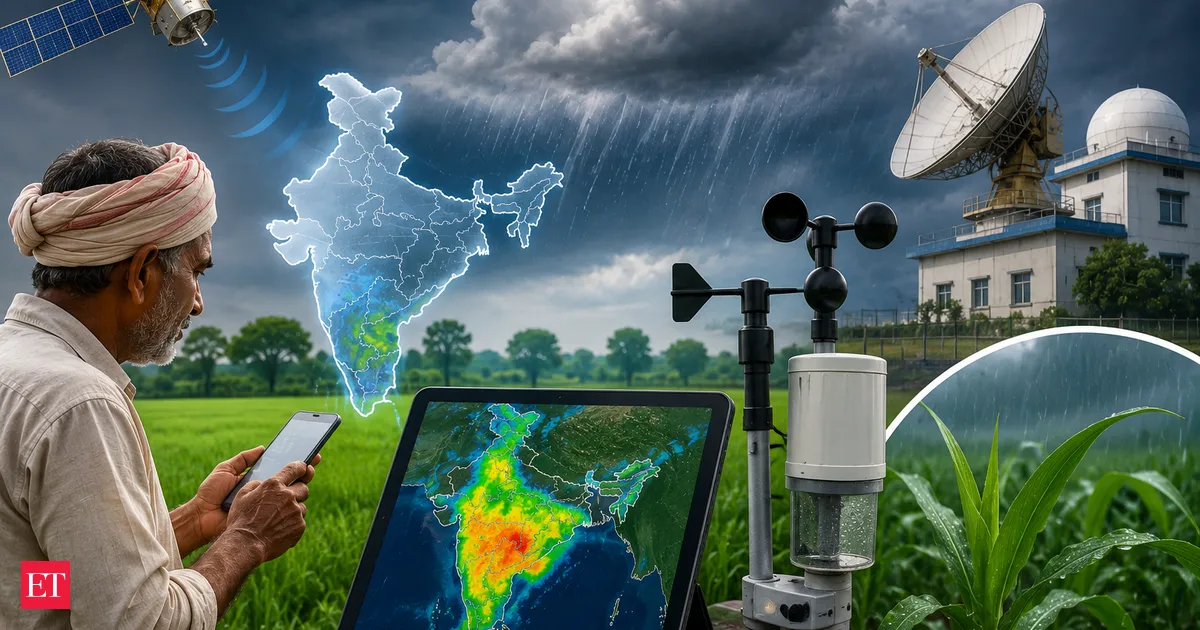
India’s southwest monsoon is expected to begin over Kerala on May 26, six days earlier than the normal June 1 date, according to IMD. The early onset matters because it kickstarts sowing of kharif crops such as rice, pulses, oilseeds, cotton and sugarcane. But the season comes with a warning: IMD forecasts 2026 rainfall at 92% of the long-period average, citing El Nino concerns. Meanwhile, heatwave to severe heatwave conditions persist over northwest and central India.
Forecasters are warning that a powerful Super El Niño could form in 2026, following the decline of current La Niña conditions. Reports cite around a 70% chance of El Niño developing by June, with major climate agencies linking El Niño to higher global temperatures and major weather disruption. If a super event emerges, experts fear India’s monsoon could weaken, with rainfall potentially falling to about 92% of the long-period average, straining agriculture worldwide and fueling food inflation.
Your news, in seconds
Get the Beige app — every story in 60 words, updated hourly. Free on iOS & Android.
The India Meteorological Department (IMD) expects the Southwest Monsoon to set in over Kerala on May 26, about five days ahead of its usual June 1 onset. IMD says the timing could shift up to four days earlier or later. Favourable conditions are already building over the south Bay of Bengal, the Andaman Sea, and the Andaman and Nicobar Islands, where the monsoon typically begins around May 20. IMD also projects seasonal rainfall of 80 cm versus a long-term average of 87 cm, citing El Nino.
Northeast Frontier Railway has begun installing automatic weather stations at monsoon-vulnerable stretches to strengthen safety and disaster readiness. Three stations are already operational, with six more in installation and expected to be completed by the end of May. The network, built in coordination with the India Meteorological Department, will deliver real-time, location-specific data for faster preventive actions during floods, landslides, and other adverse conditions. Stations will cover key routes in Assam, Mizoram, and Manipur.
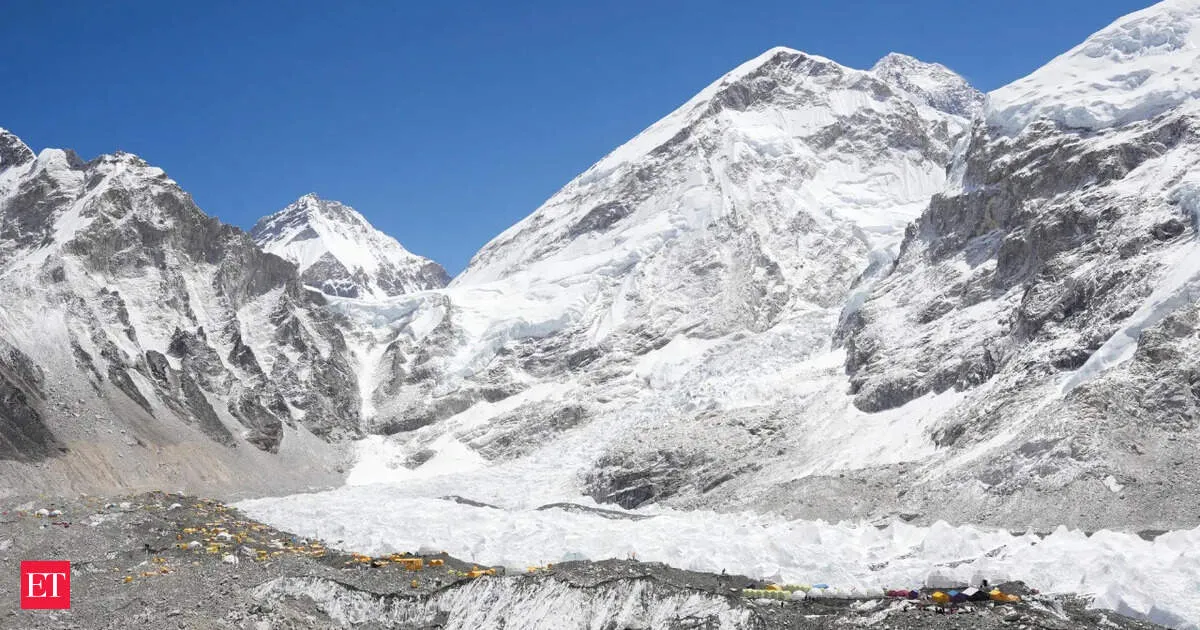
An ICIMOD analysis says the Hindu Kush Himalaya region saw 10 major disasters affecting about 1.2 million people in 2025, with floods and landslides driven by intense monsoon rains across Bangladesh, India, Nepal, and Pakistan. The report warns the growing threat stems from more frequent multi-hazard events occurring together. While deaths and people affected have declined after 2013, analysts caution that data gaps remain. Economic losses were over $6 billion in 2024, highlighting huge stakes for preparedness.
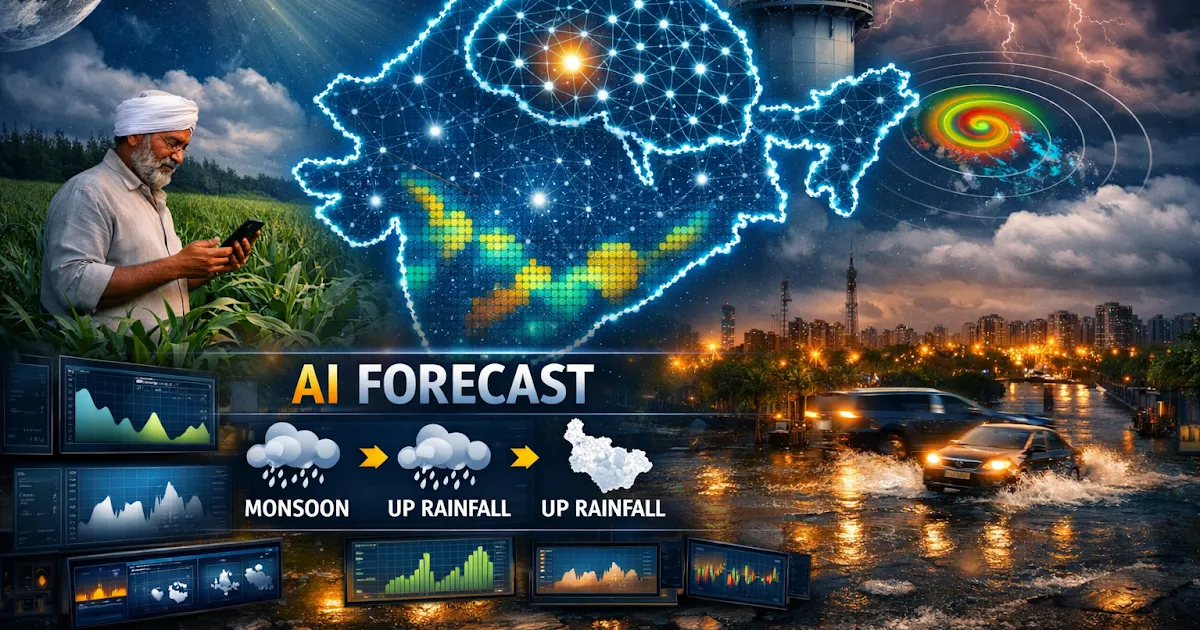
India Meteorological Department has launched an AI-enabled monsoon advance forecasting system, along with a high-resolution spatial rainfall forecast for Uttar Pradesh. The services are designed to deliver precise, location-specific rainfall information up to four weeks in advance. IMD says this will help farmers and other stakeholders make better decisions as monsoon planning depends on timely and accurate weather forecasts.
Never miss a story
Set alerts for the topics and sources you care about. Download Beige for free.
Global rice production is forecast to fall for the first time in a decade as declines in India, Myanmar, and the US collide with record consumption and trade. That mix is expected to reduce global stockpiles just as costs rise, with higher fertilizer and energy bills and possible monsoon disruptions in India adding further risk to supplies.
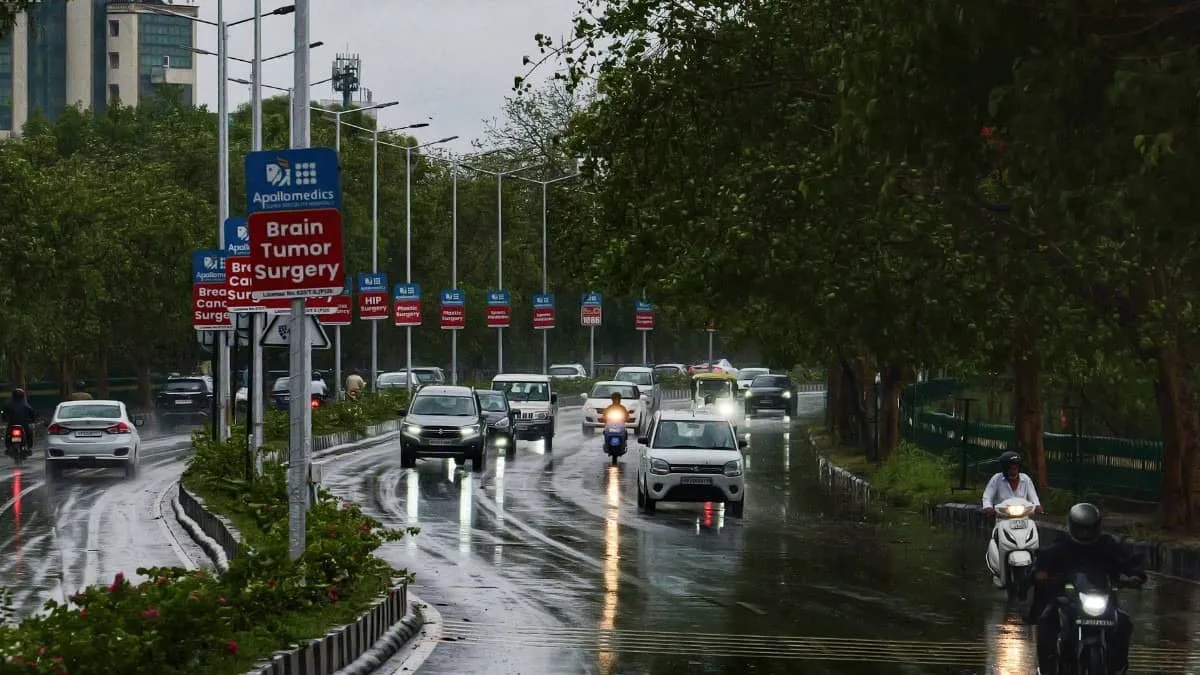
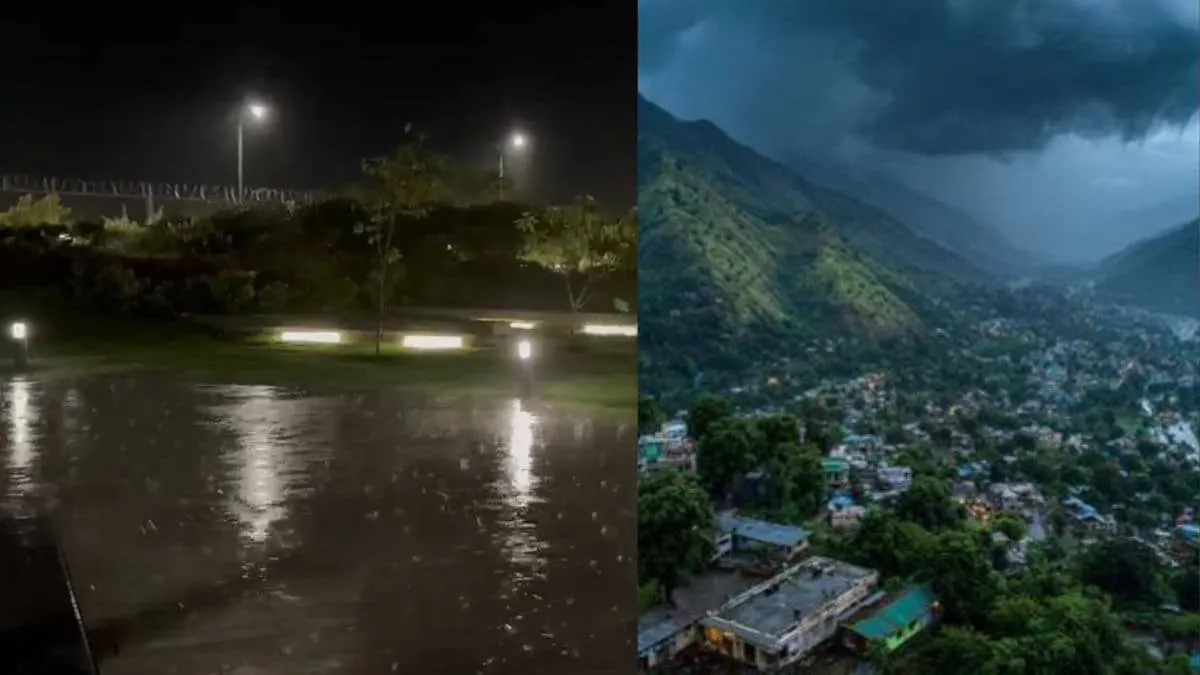
Delhi, Varanasi and Raipur are seeing rain and storm activity as the southwest monsoon is forecast to advance over parts of the Bay of Bengal and Andaman Sea. The development comes despite severe heatwave conditions persisting across northwestern and central India, highlighting how quickly weather patterns are shifting across regions. IMD updates are key for next-day disruptions.
India has unveiled two AI-enabled weather services: an advance monsoon forecast for 16 states and 3,000+ sub-districts, and a 1 km resolution rainfall model piloted in Uttar Pradesh. Built with IMD, IITM Pune and NCMRWF, the systems deliver hyper-local, probabilistic guidance up to four weeks and ten days ahead—supporting farmers, disaster response and infrastructure planning.
As India’s monsoon season intensifies, metro construction sites across Bengaluru, Mumbai, and Pune are running into unexpected flooding and waterlogging along key corridors. From drainage gaps to disrupted timelines, contractors are forced to redesign schedules, rethink alignment choices, and manage recurring water risks. The result: delays that ripple into cost and commuter expectations.
Reading on mobile?
Open Beige in the app for a smoother experience — free on iOS and Android.
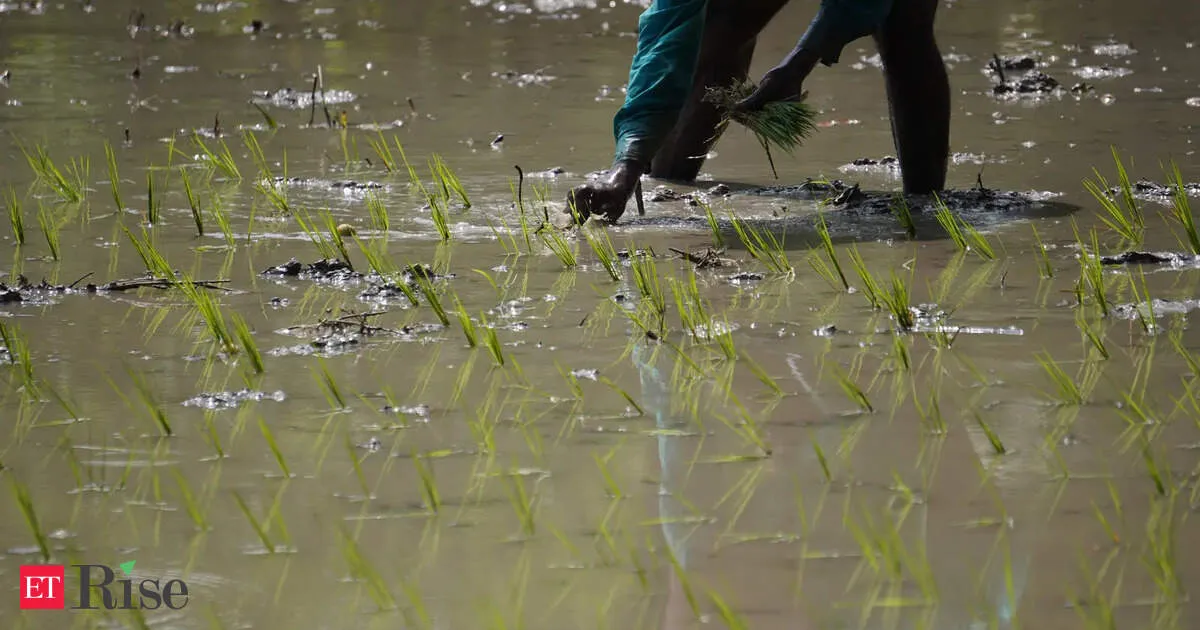
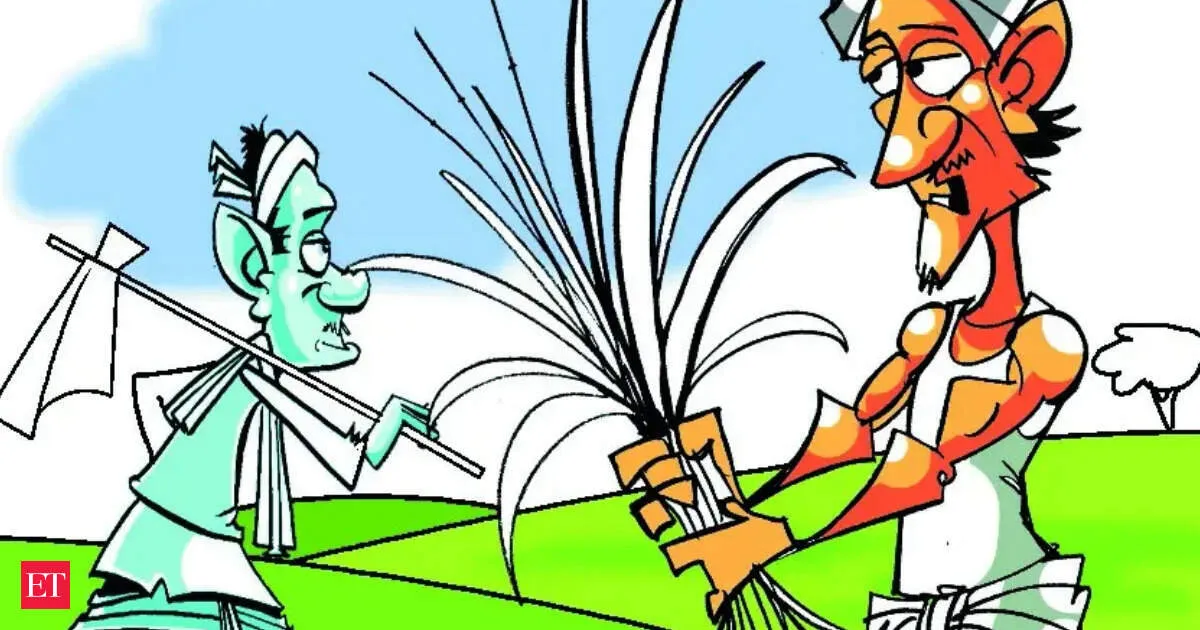
With kharif season nearing, farmers are increasingly turning to soybean and pulses like urad and masur, driven by fears of erratic monsoons and potential fertilizer shortages. After a recent surge, maize planting is expected to fall as growers prefer crops that need less fertilizer and carry lower risk in unpredictable weather.
The Brihanmumbai Municipal Corporation (BMC) has ordered a 10% cut in Mumbai’s water supply starting May 15. The decision follows a sharp fall in the city’s seven lakes to 23.5%, driven by rising temperatures and growing worries that the monsoon could arrive late and below average. The BMC linked the outlook to El Nino conditions.
HSBC expects India’s growth to cool to 6% in FY27, citing an energy crisis and insufficient rainfall. The same pressures are forecast to lift inflation, putting the Reserve Bank under pressure. HSBC says the RBI could raise rates twice this fiscal year, with the impact expected to hit the formal sector, rural households, and small businesses hardest.
India’s growth is projected to cool in FY27 to 6.7% as the lift from recent tax cuts fades and crude oil prices rise. BMI warns these pressures could weigh on consumption and investment while nudging inflation higher. With weak economic momentum already visible, an Iran-linked oil shock and a potentially weaker monsoon add fresh downside risks.
Follow your favourite sources
Track sources, tags and categories — all in the Beige app.
Ahead of the monsoon, Prime Minister Narendra Modi urged stronger water conservation and more prudent management, pressing farmers to shift to better irrigation practices. He also promoted the government’s Mission LiFE for environmentally responsible living. Modi further credited India’s youth for leadership in digital payments, infrastructure and startups, adding that broad social participation is essential to meet national goals.
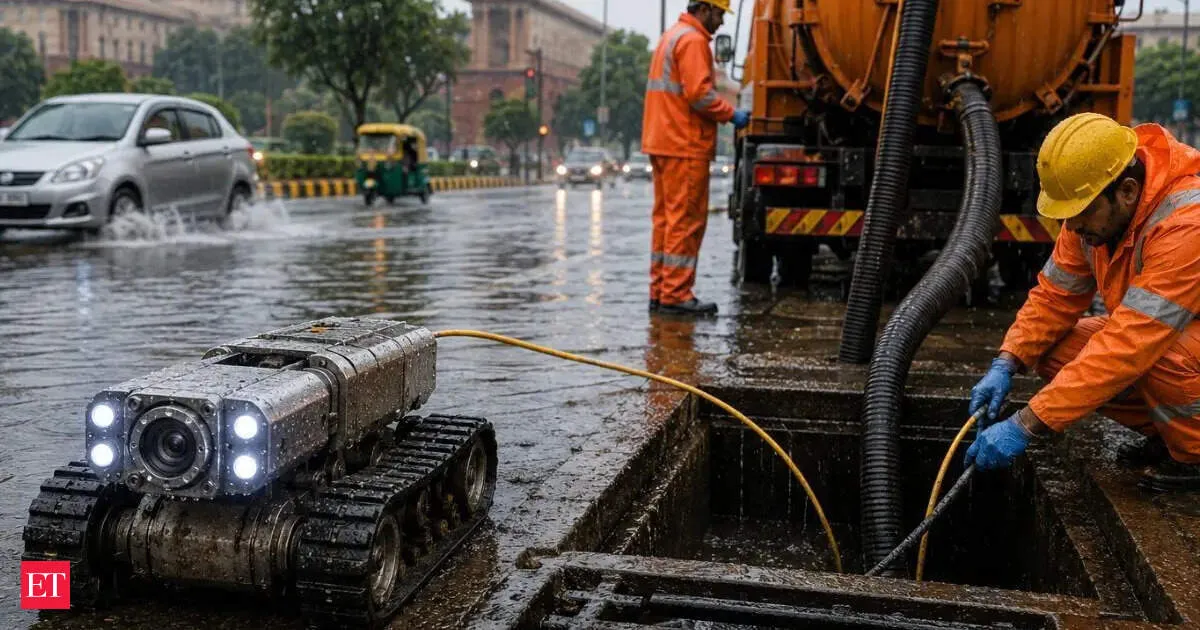
NDMC has launched a technology-driven Monsoon Action Plan 2026 to reduce waterlogging across Delhi. The plan uses robotic drain surveys, GIS mapping and CCTV monitoring to track problem areas faster and improve desilting operations. Officials say vulnerable waterlogging points have already been reduced, strengthening preparedness for the coming rainy season.
India’s southwest monsoon may be on track this year, with IMD forecasts pointing to heavy rainfall and storms across parts of southern India over the next week. Weather agencies say intensifying pre-monsoon showers and shifting atmospheric patterns over Australia are aligning in a way that could support timely monsoon onset, offering early relief from the heat.
India’s retail inflation is forecast to climb to 3.8% in April from 3.4% in March, driven by higher fuel and LPG costs tied to the US Iran conflict, a Reuters poll says. Food inflation is expected to stay relatively soft, keeping the rate near the RBI’s 4% target, but high crude and a potential weak monsoon may lift prices later. Wholesale inflation could rise to 4.4%.
Stay informed on the go
Bite-sized news from 100+ trusted sources, right in your pocket.
The IMD expects the Southwest Monsoon to reach the Andaman and Nicobar Islands around May 20. With forecasts pointing to below average rainfall, farmers face uncertainty as the kharif sowing window starts in June. Timing and uneven rain distribution could delay planting of pulses and oilseeds, with potential knock-on effects for food inflation.
Nestle India said macro headwinds are rising, including Iran war-related risks, inflation pressure, and expectations of a weak monsoon. The company plans higher advertising, technology and capital expenditure to manage uncertainty, while maintaining price discipline. Even with these challenges, Nestle India reported strong growth in the March quarter and reiterated its focus on volume-led growth in core categories.
Swipe through stories, personalise your feed, and save articles for later — all on the app.