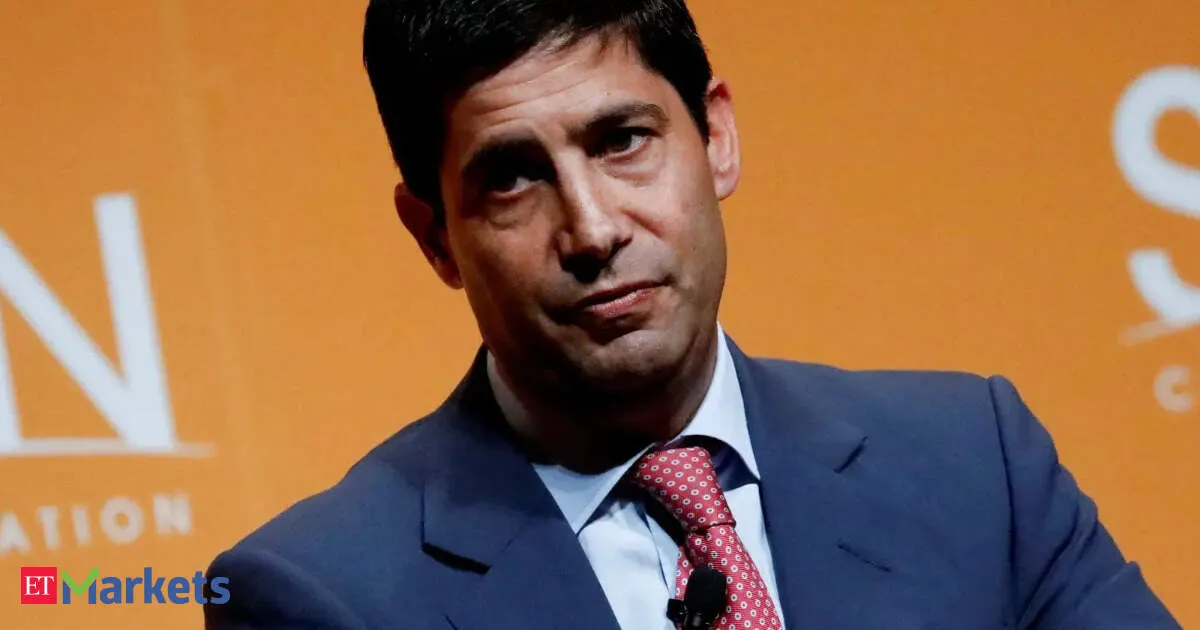
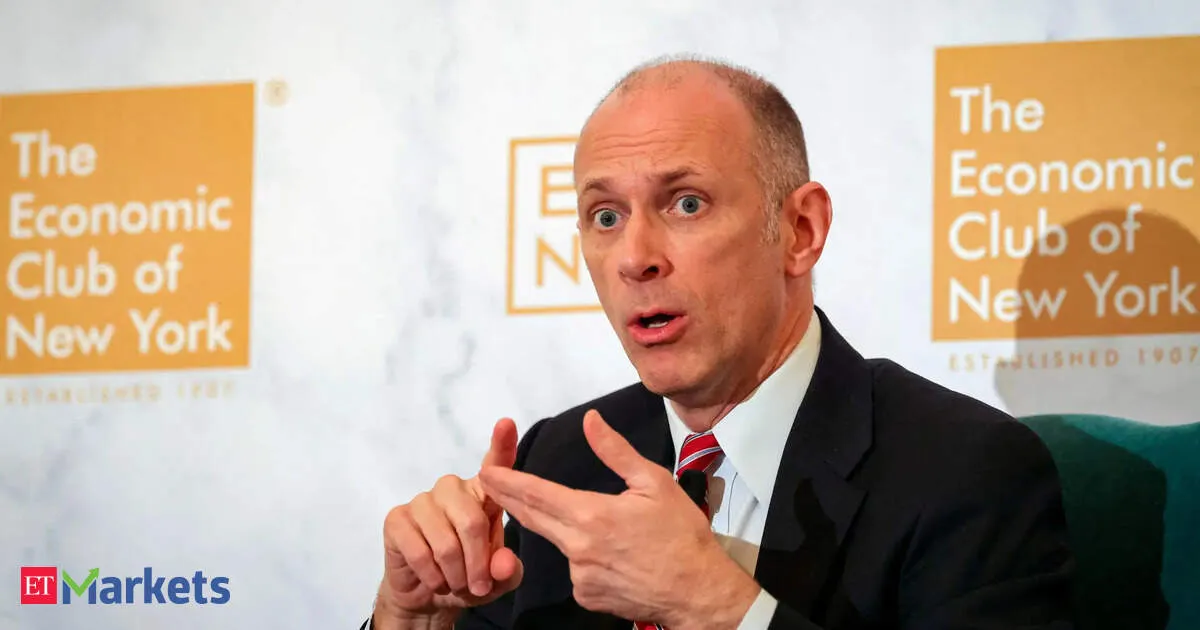
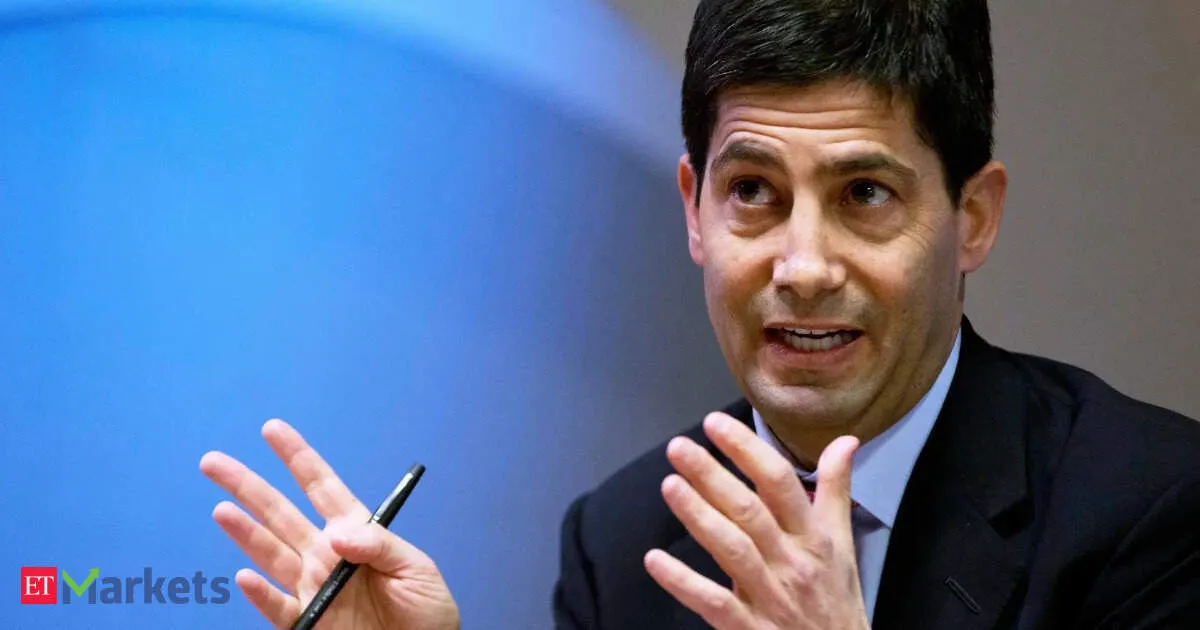
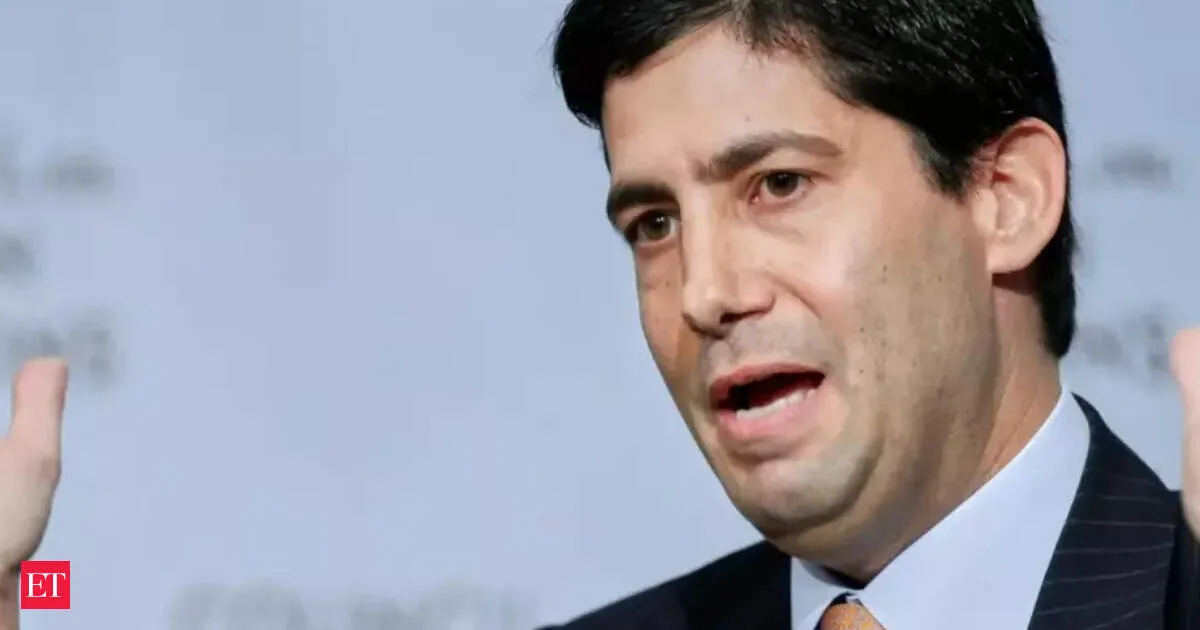
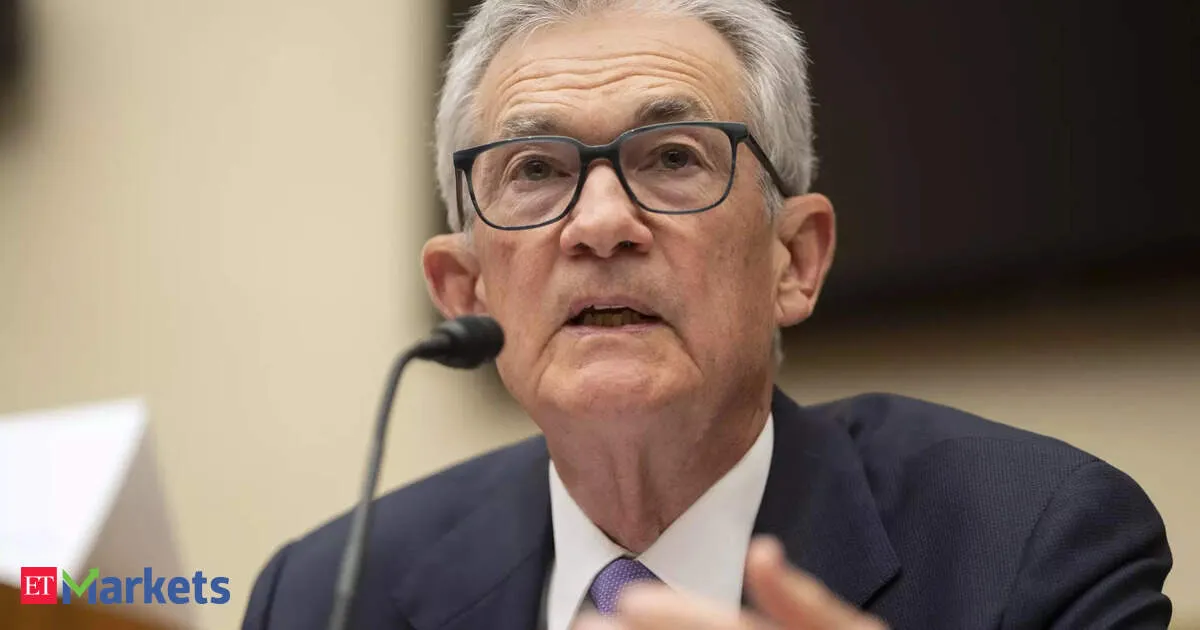
Fifteen years after leaving the Federal Reserve over disagreements on aggressive bond buying, Kevin Warsh is reportedly set to return as Fed chair with a reform agenda. Warsh has long criticized the Fed’s large asset purchase programs that ballooned its balance sheet to roughly $6.7 trillion, and the leadership shift is sparking fresh debate on rates, transparency, and AI’s economic impact.
With RBI’s June meet approaching, economists are split: only a small share expects a policy rate hike this fiscal year, while most forecast a prolonged pause. Still, a majority expects inflation to run above RBI’s FY27 forecast, and bond markets are already reflecting the possibility of tighter monetary policy.
Your news, in seconds
Get the Beige app — every story in 60 words, updated hourly. Free on iOS & Android.
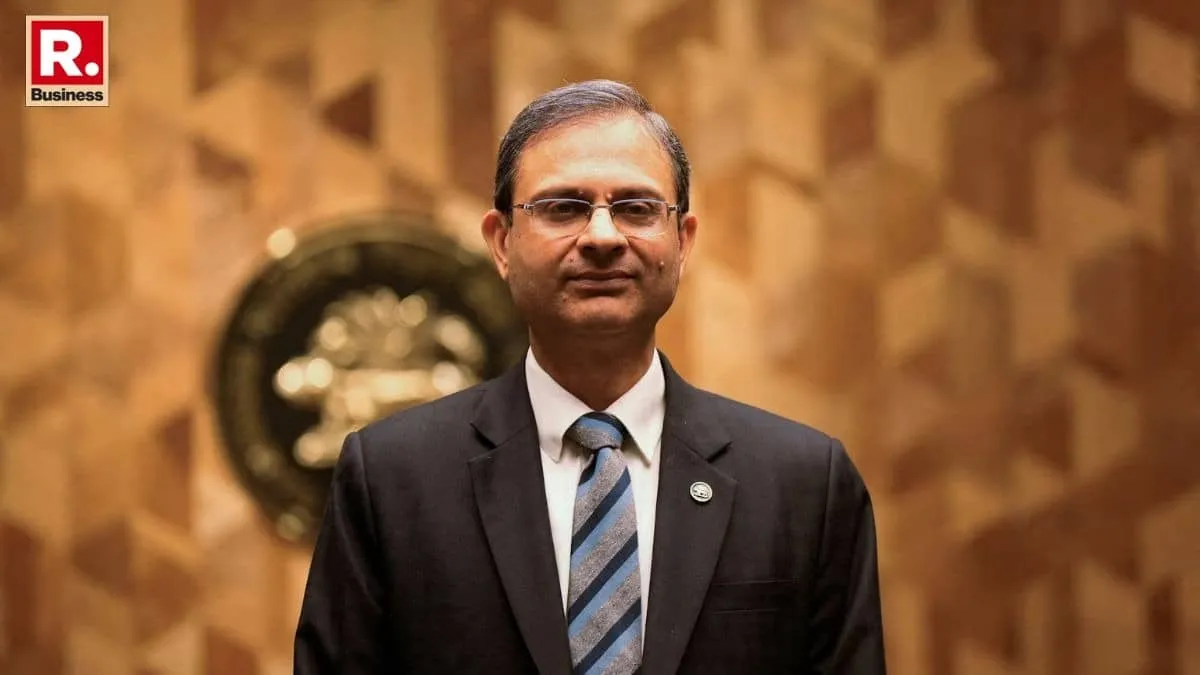
RBI Governor Sanjay Malhotra cautioned that a retail fuel price hike is “only a matter of time” if the Middle East conflict continues. He said the central bank can look through temporary supply shocks from oil price spikes linked to the Iran war, but will step in if inflation pressures become entrenched.
The US Senate has confirmed Kevin Warsh as a Federal Reserve governor, setting up a crucial period for the central bank amid political pressure. Warsh is now preparing to shape the Fed’s priorities and has signaled interest in reshaping how the Fed coordinates with the US Treasury. A Fed chair vote is expected on Wednesday.
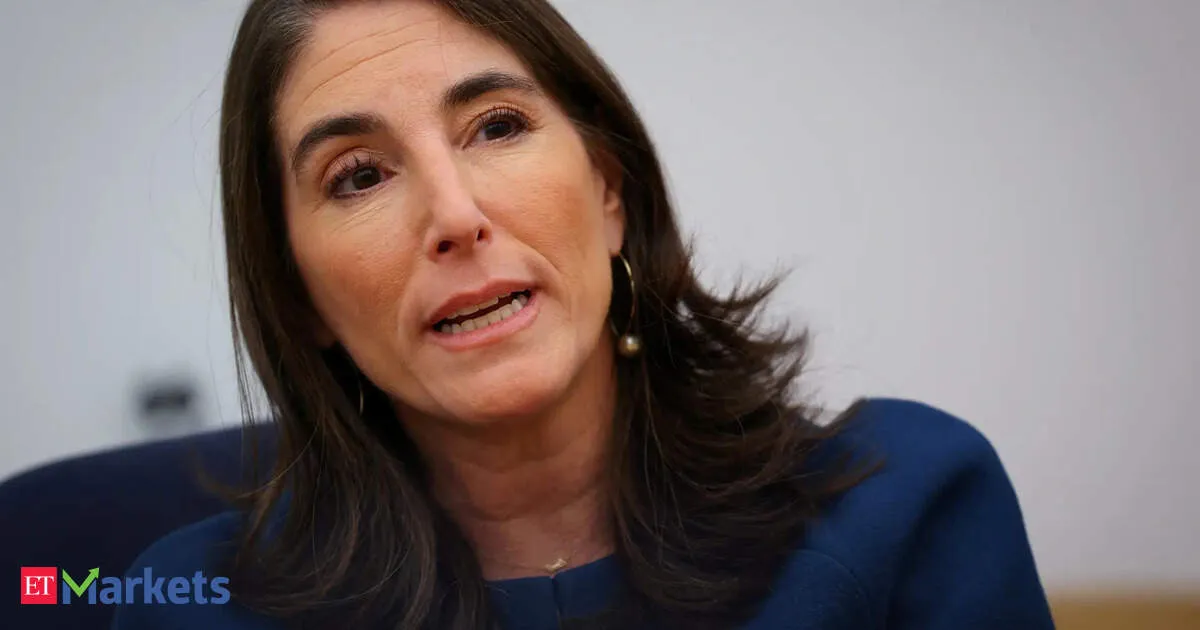
Federal Reserve official Mary Daly said the central bank remains committed to its 2% inflation target and that higher energy prices have not yet affected medium- and long-term inflation expectations. She added that current policy remains slightly restrictive, while a potential resolution to the U.S.-Iran conflict could further reduce inflation pressures in the outlook for markets.
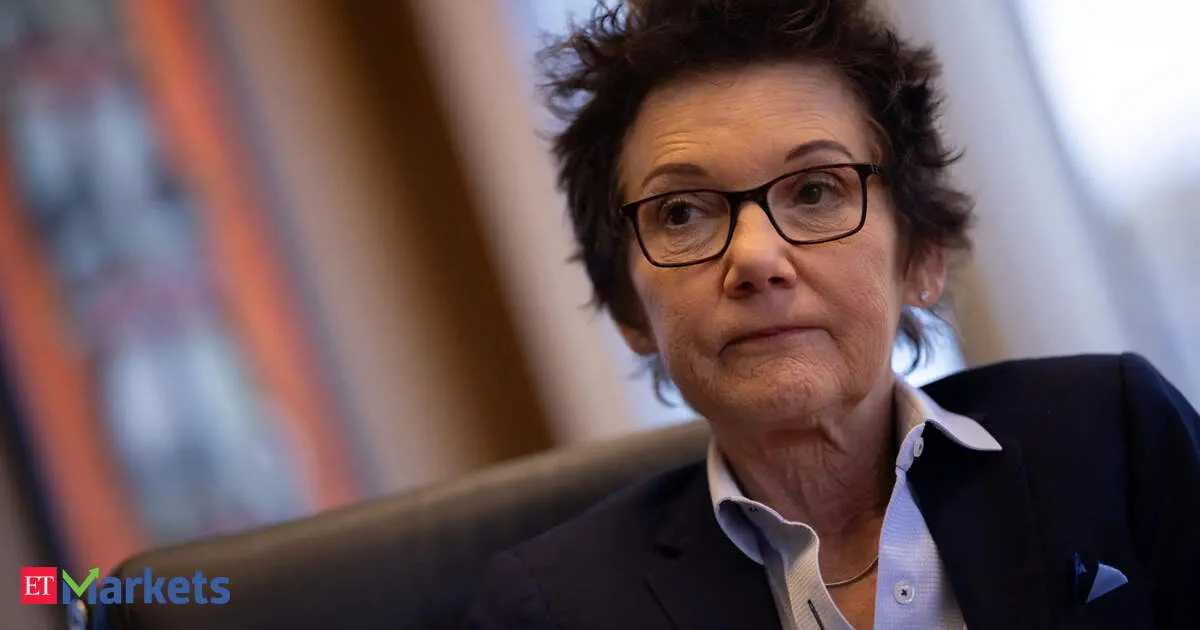
Federal Reserve Bank of Cleveland President Beth Hammack said interest rates are likely to remain unchanged for an extended period, citing major economic uncertainty. She warned that inflation could become a persistent mindset for consumers and businesses, noting that people have effectively endured about a decade of inflation within just five years—making it harder for policy makers to reset expectations.
Never miss a story
Set alerts for the topics and sources you care about. Download Beige for free.
Incoming Fed leader Kevin Warsh says curbing the release of Federal Reserve meeting transcripts could improve the quality of debate behind monetary policy. In an upcoming book, Warsh argues the transparency practice—used for decades—may actually weaken deliberations needed for better decisions, echoing his broader push to overhaul the Fed’s approach and structure.
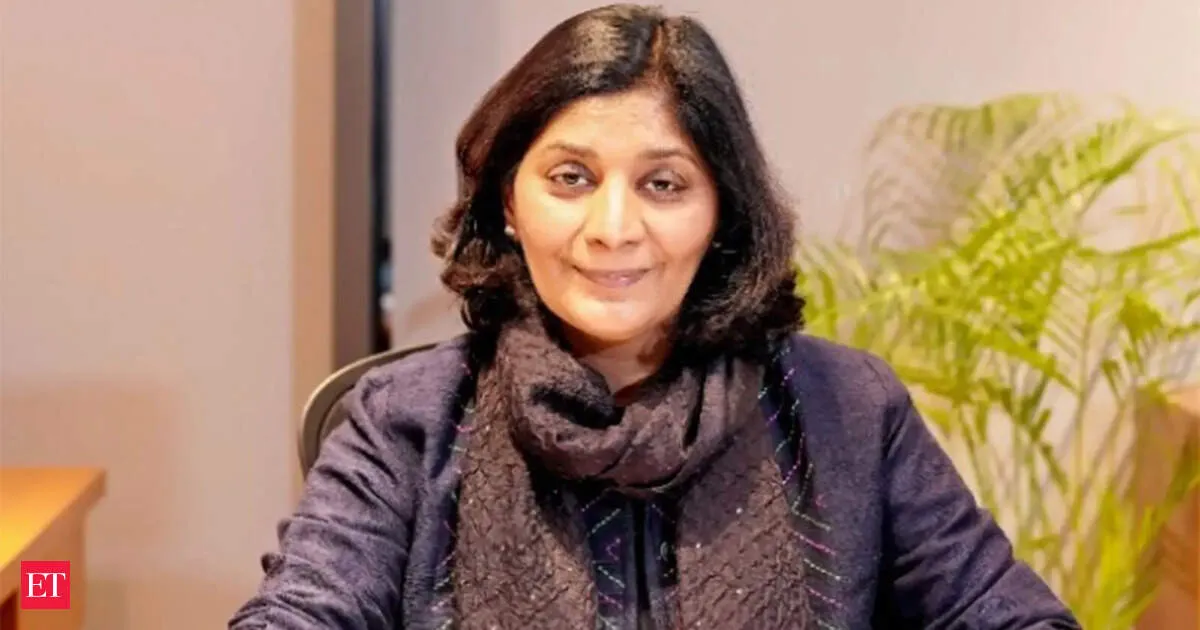
RBI Deputy Governor Poonam Gupta said India could consider lowering its inflation target and narrowing the tolerance band, but only if robust growth and stable inflation persist over the next five years. Still, ongoing global shocks might force the central bank to keep the current flexibility. The final call will follow changing economic conditions.
Moody’s says India is positioned as one of the more resilient emerging markets to handle global shocks, pointing to stable monetary policy, inflation expectations that stay anchored, and exchange rates that can adjust. It also flags contained currency depreciation and limited credit spread widening versus more vulnerable peers, while noting higher debt remains a constraint despite ongoing reforms and buffers.
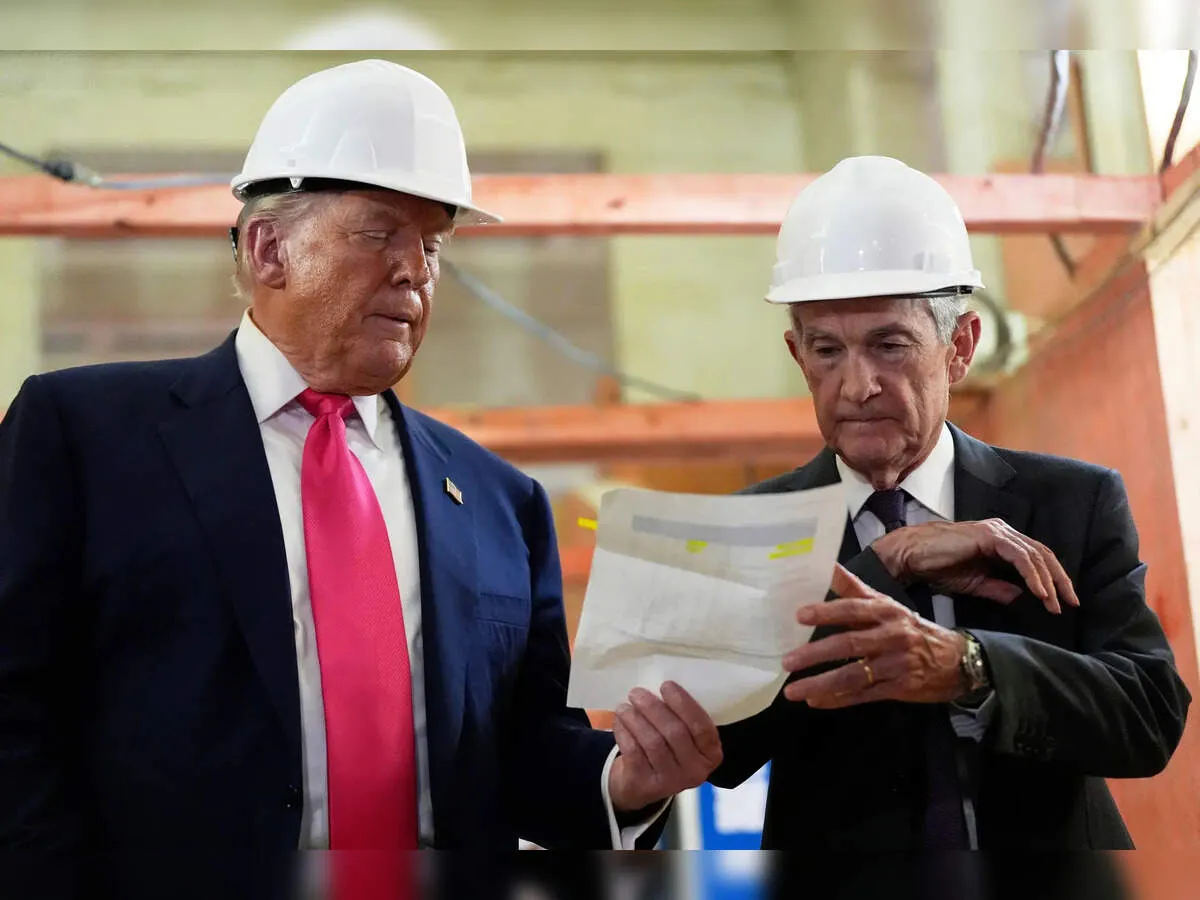
The US Federal Reserve is heading for a key leadership change as Donald Trump nominates Kevin Warsh to replace Jerome Powell when his term ends May 15, pending Senate approval. The decision could reverberate through global markets by reshaping expectations for interest rates and monetary policy—raising urgent questions about how independent the Fed will be under Warsh.
Reading on mobile?
Open Beige in the app for a smoother experience — free on iOS and Android.
Rohit Jain has been appointed deputy governor of the Reserve Bank of India for a three-year term starting May 3. Jain, currently an executive director at the central bank, will succeed T Rabi Sankar, who has recently retired. The change reshuffles key RBI leadership as monetary policy and banking oversight enter a new phase.
Federal Reserve Bank of Cleveland President Beth Hammack dissented against the Fed’s decision to keep an easing bias, saying it is no longer appropriate due to uncertainty in the economic and inflation outlook. Her stance highlights a growing internal debate on whether policy messaging should lean toward rate cuts while key indicators remain difficult to read.
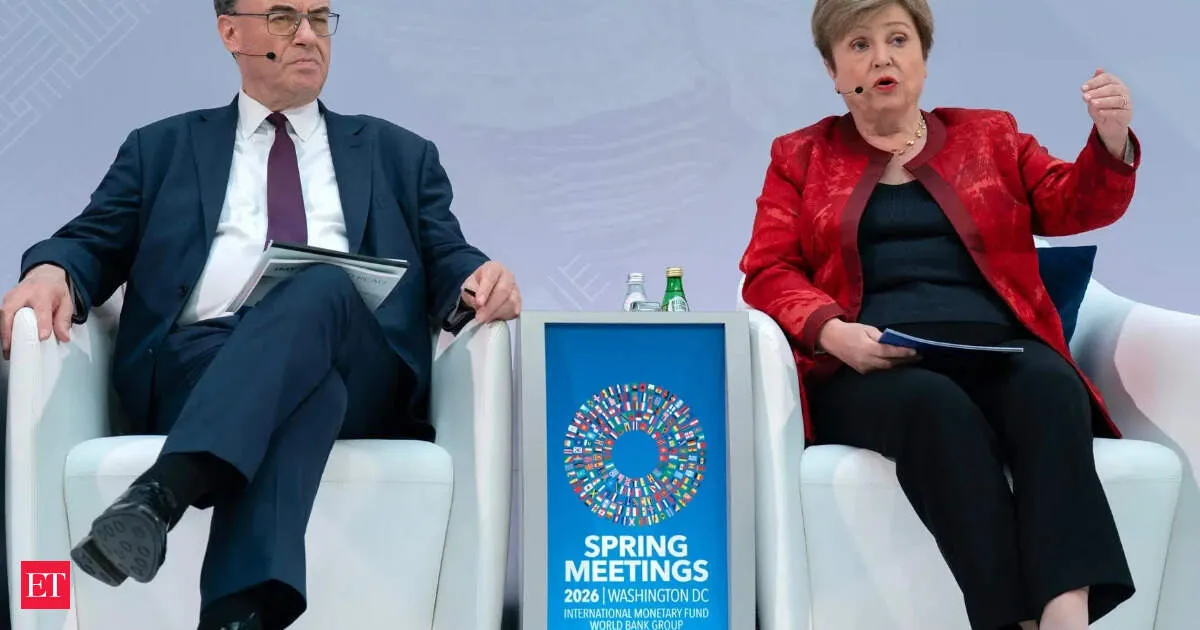
The IMF has warned Asian countries to keep their economic policies balanced amid escalating Middle East energy disruptions linked to the Iran conflict. It urged governments to build buffers for future shocks and favor targeted financial support rather than broad fuel subsidies. The IMF also cut its global growth outlook, warning that a prolonged crisis could trigger an additional slowdown.
Ahead of Kevin Warsh taking the helm, the US Federal Reserve is already wrestling with sharp internal disagreement among policymakers. In the meantime, the Fed has chosen to keep its policy rate unchanged. Warsh’s stated approach is to push for more open debate inside the institution, but the current split suggests the fight over the next steps may start immediately.
Follow your favourite sources
Track sources, tags and categories — all in the Beige app.
Federal Reserve Chair Jerome Powell stressed that the Fed must remain independent and insulated from political pressure to best serve the American people. Ahead of the leadership transition, he also congratulated Kevin Warsh as he advanced through the Senate Banking Committee, signaling confidence in the successor’s path toward taking the helm.
The RBI has launched the May 2026 round of its inflation expectations survey of households, designed to capture people’s subjective assessments of price movements and inflation. The exercise, built around individual consumption baskets, will cover 19 cities and aims to strengthen the data RBI uses for monetary policy inputs.
Bitcoin is holding near recent highs around $78K while Ethereum remains steady near $2,300, but the rally is losing steam after a strong rebound. Global crypto market capitalization dipped slightly as geopolitical tensions and uncertainty in monetary policy weighed on risk appetite. Despite mixed altcoin moves, investors appear to be concentrating capital in leading coins, treating Bitcoin as a macro hedge-like alternative.
A survey of bankers suggests India’s banks are set for robust non-food credit growth of about 11–13% in January–June 2026. Improving balance sheets and steady economic activity are expected to lift lending, with retail and SME segments driving most of the expansion. Industrial credit is projected to recover more gradually, while monetary policy is widely seen as likely to stay stable.
Stay informed on the go
Bite-sized news from 100+ trusted sources, right in your pocket.
Department of Economic Affairs Secretary Ajay Seth said monetary and fiscal authorities are taking steps to moderate inflation despite domestic and global headwinds. He stressed that policy action is being calibrated to control price pressures while keeping growth momentum intact. Seth framed the approach as “whatever it takes,” signaling continued coordination to balance inflation containment with economic expansion.
Indian bond yields fell about 0.15% on Wednesday, slipping to below the key 7% mark as investors drew comfort from a conditional ceasefire in West Asia. The move also followed the Reserve Bank of India holding its policy rate steady, reinforcing expectations that monetary policy would remain unchanged for now.
Swipe through stories, personalise your feed, and save articles for later — all on the app.