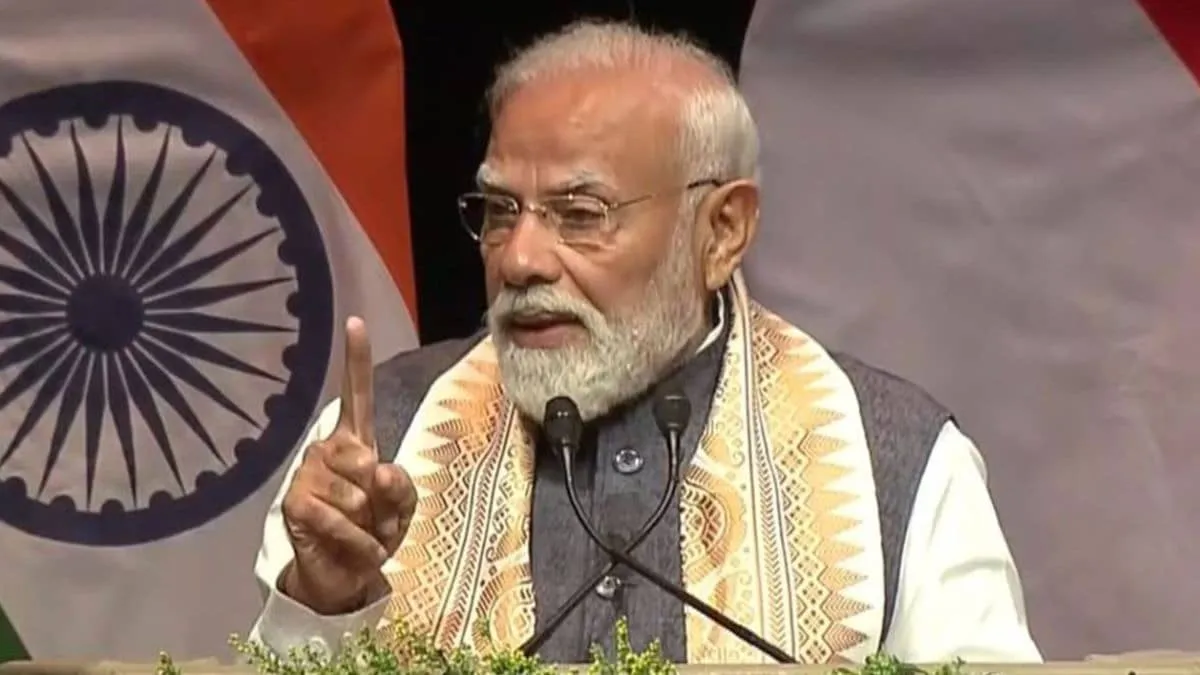
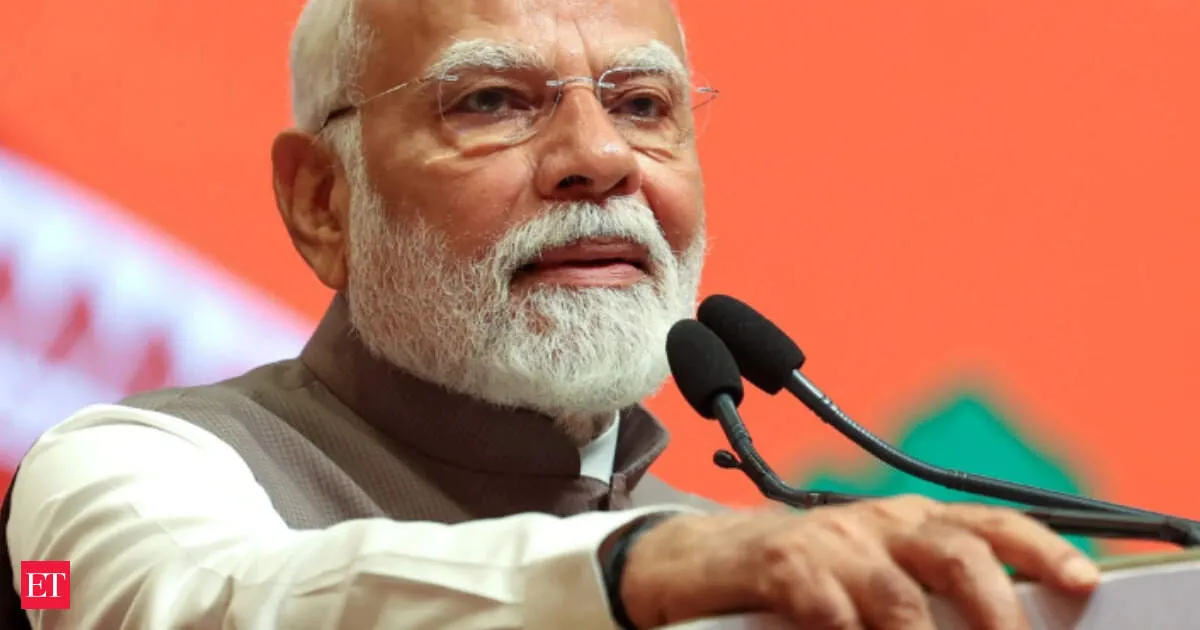
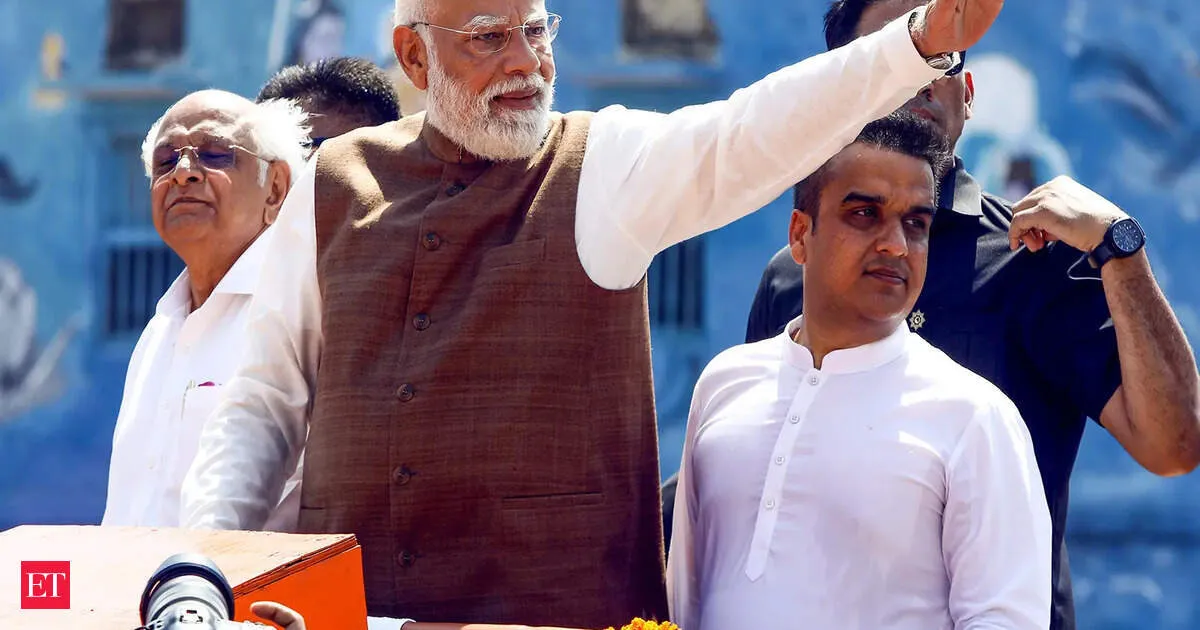
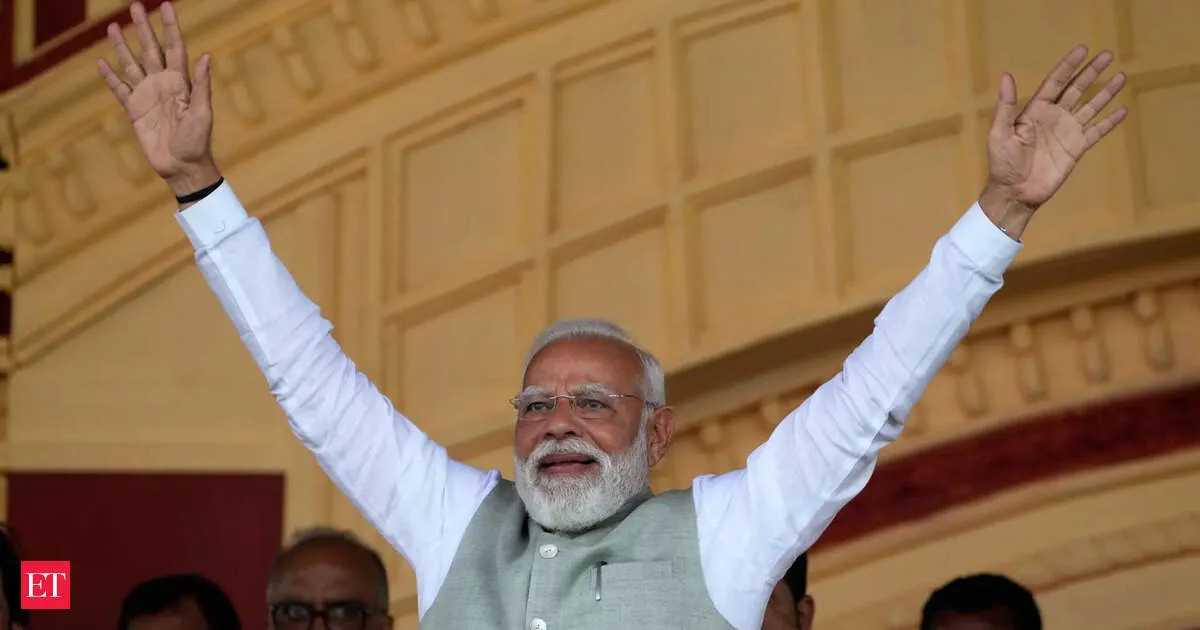
Speaking in The Hague during his five-nation tour, Prime Minister Narendra Modi said India and the Netherlands are building a “trusted, transparent and future-ready” supply chain to withstand repeated global shocks. He framed the current era as a “decade of disasters,” pointing to the COVID-19 pandemic, escalating wars and an emerging energy crisis. Modi warned that if countries fail to respond quickly, decades of development gains could be wiped out, driving large populations into poverty.
Prime Minister Narendra Modi denied reports claiming the government plans to impose a surcharge or tax on foreign travel, calling the claims “totally false” and having “not an iota of truth.” Responding on X, he said there is no question of restricting international travel and reiterated commitments to improve ease of doing business and ease of living. The clarification comes after Modi’s earlier appeal to tackle global disruptions, supply chain strain, and rising prices linked to conflict-driven energy costs.
Your news, in seconds
Get the Beige app — every story in 60 words, updated hourly. Free on iOS & Android.
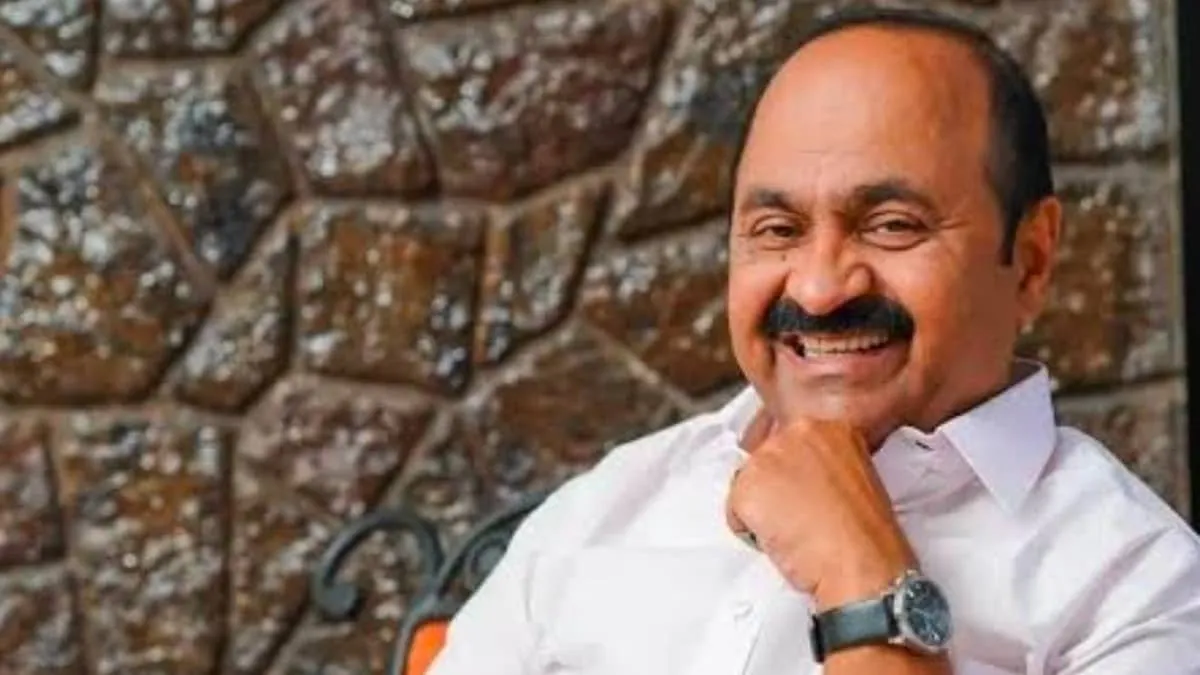
Kerala Chief Minister-elect VD Satheesan has directed the State Police Chief to scale back his security even before taking the oath. He asked that public travel not be disrupted or roads blocked during his movement and that restrictions near the official residence be ended. Satheesan also requested a sharply smaller convoy, limited to a single pilot vehicle. The move echoes Prime Minister Narendra Modi’s recent call for a restrained approach, citing pressure to cut fuel consumption.
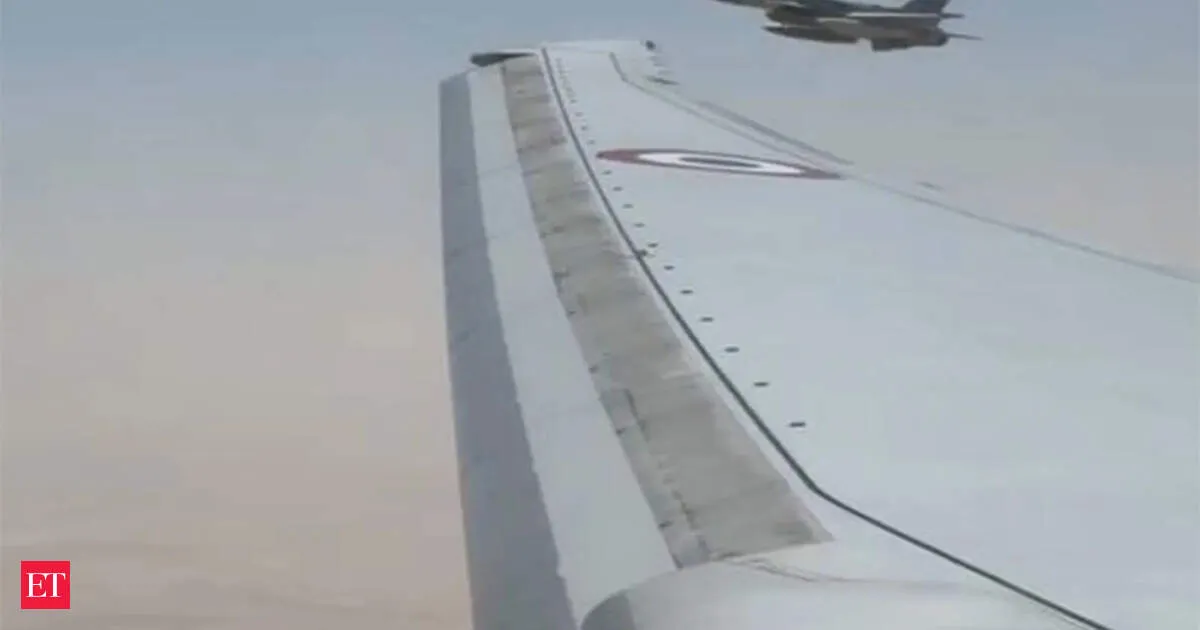
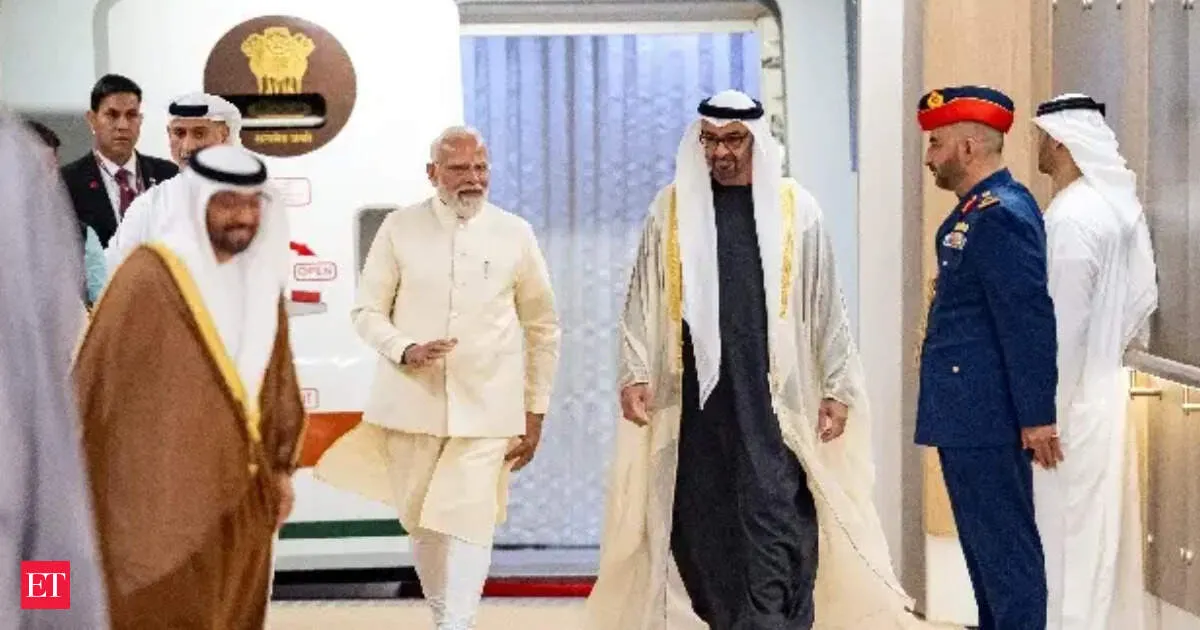
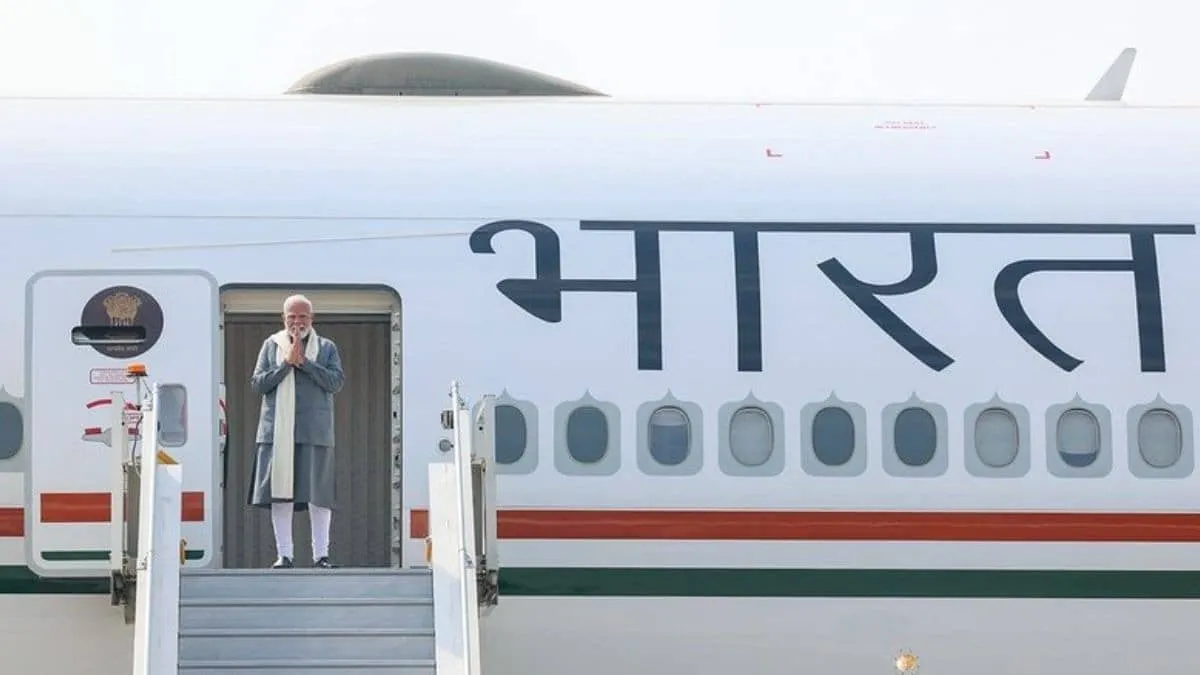
Prime Minister Narendra Modi began a five-nation tour from May 15-20 with his first stop in the UAE, landing in Abu Dhabi for meetings with President Sheikh Mohamed bin Zayed Al Nahyan. UAE F-16 jets escorted Modi’s aircraft as it entered the country’s airspace, followed by a guard of honour. The agenda highlights energy cooperation alongside regional and international issues. Modi then travels to the Netherlands, Sweden, Norway and Italy, focusing on technology, defence, AI and green initiatives.
Prime Minister Narendra Modi met UAE President Sheikh Mohamed bin Zayed Al Nahyan in Abu Dhabi, pledging India’s “all possible support” to bring peace in West Asia shortly after arriving for his five-nation tour. Modi condemned attacks on the UAE while praising the country’s restraint. Discussions are expected to center on the India-UAE Comprehensive Strategic Partnership, with energy security likely taking center stage amid concerns over oil supplies and maritime trade routes, alongside wider regional geopolitical shifts.
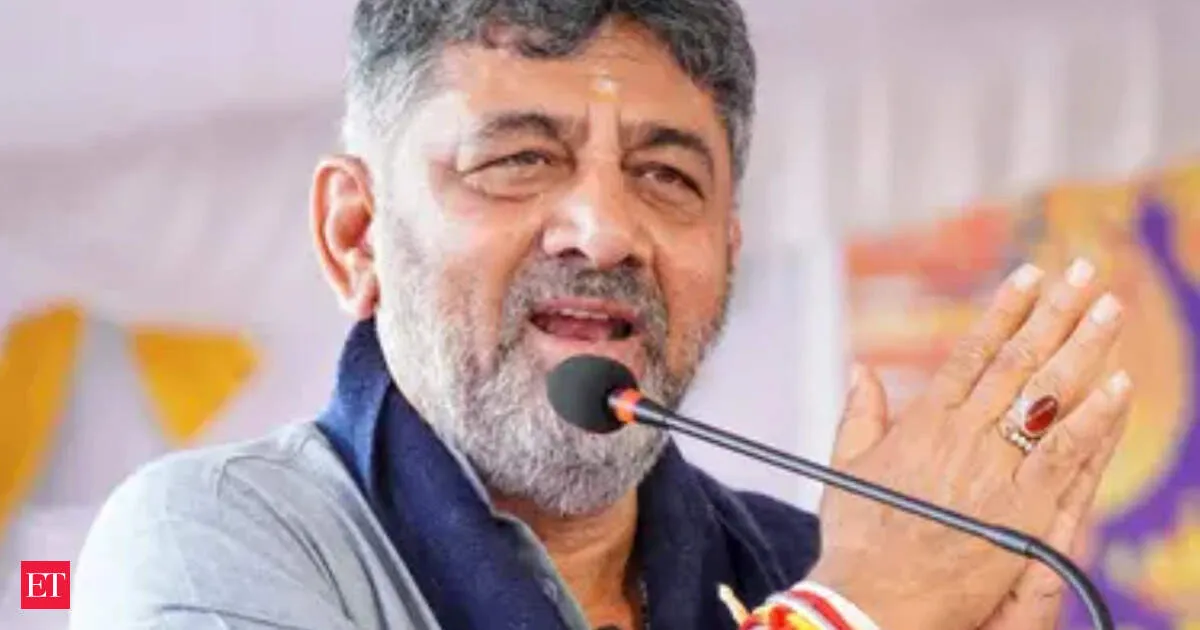
Karnataka Deputy Chief Minister DK Shivakumar attacked Prime Minister Narendra Modi over measures asking citizens to save fuel and delay gold purchases, calling the petrol and diesel price hike a “gift” in a “tragic situation.” He said such appeals are unrealistic because people earn and live their lives accordingly. Prices rose Rs 3 per litre for both fuels on Friday—the first increase in over four years—amid retailer losses tied to global crude costs after the West Asia conflict.
Never miss a story
Set alerts for the topics and sources you care about. Download Beige for free.
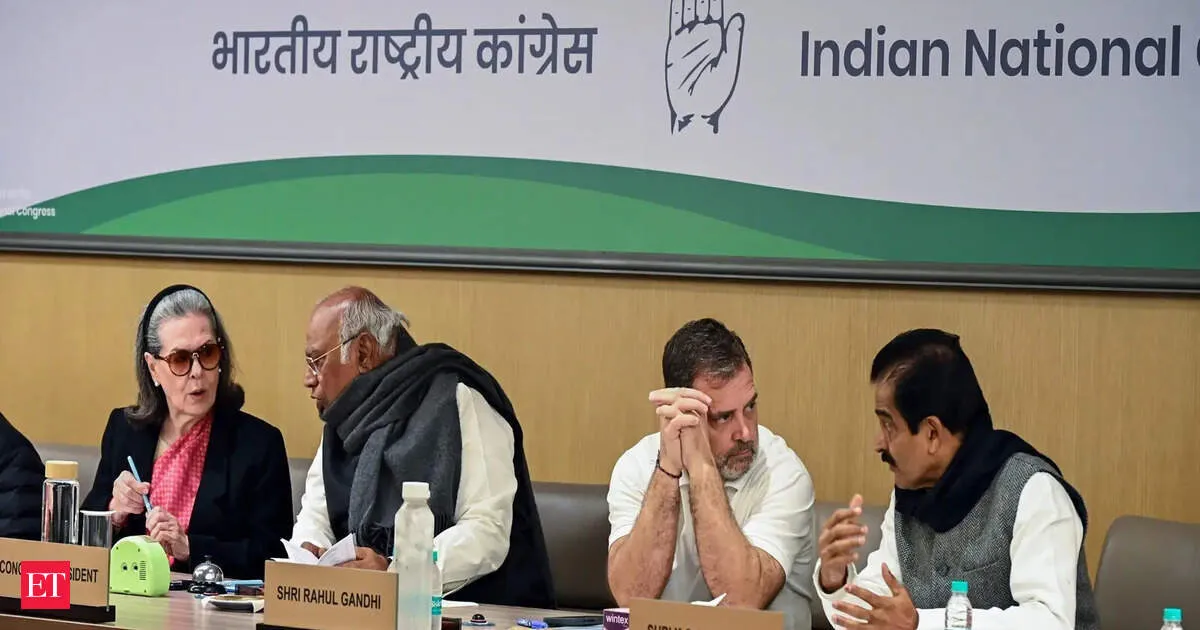
Congress launched a sharp attack on Prime Minister Narendra Modi after the Centre raised petrol and diesel prices by Rs 3 per litre, arguing it signals a “vasooli” or extortion campaign once assembly elections ended in four states and a union territory. The party also pointed to a Rs 2 per litre increase in CNG. Delhi saw petrol climb from Rs 94.77 to Rs 97.77 and diesel from Rs 87.67 to Rs 90.67. Opposition leaders tied the hike to inflation amid the West Asia energy shock.
Prime Minister Narendra Modi will travel May 15-20 to the UAE, Netherlands, Sweden, Norway, and Italy in a tightly timed push for energy security amid West Asia tensions and the closure of the Strait of Hormuz, which has rattled global fuel markets. The tour starts in Abu Dhabi for energy-focused talks with UAE President Mohamed bin Zayed Al Nahyan. It then moves to the Netherlands for broader strategic cooperation, and to Sweden and Norway for the 3rd India-Nordic Summit on green hydrogen, the blue economy, and Arctic ties.
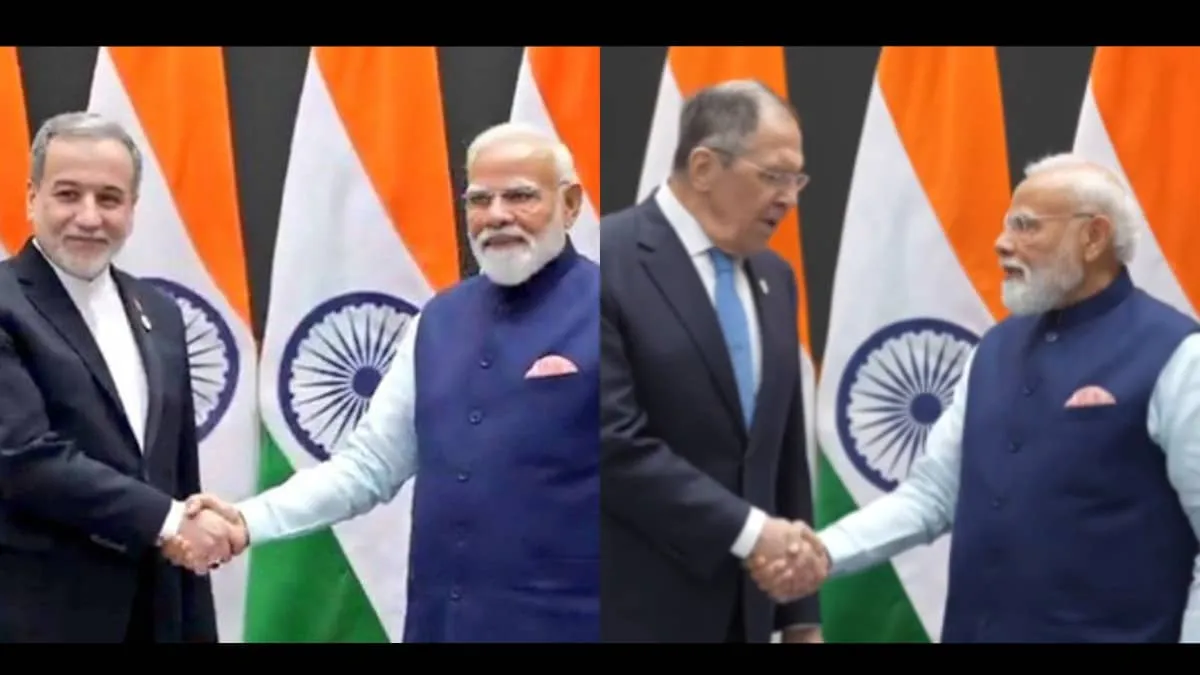
As West Asia remains volatile, Prime Minister Narendra Modi met Iran’s Abbas Araghchi and Russia’s Sergey Lavrov in New Delhi during the BRICS foreign ministers’ meeting. Araghchi used unusually sharp language, accusing the US of “bullying” and urging member states to unite against what he called a US-imposed world order, even as no peace pathway is in view.
Prime Minister Narendra Modi is set to visit the UAE to discuss long-term energy supply arrangements and ways to expand India’s strategic oil reserves. Sources say the trip seeks to reduce exposure to disruptions tied to global conflicts. Modi will meet UAE President Sheikh Mohamed bin Zayed Al Nahyan to explore deeper energy cooperation and broader bilateral issues during a wider five-nation tour.
Reading on mobile?
Open Beige in the app for a smoother experience — free on iOS and Android.
Prime Minister Narendra Modi’s upcoming visit to the UAE is expected to focus on energy security, with sources pointing to likely agreements on Liquefied Petroleum Gas and Strategic Petroleum Reserves. The cooperation comes as the UAE moves on from OPEC+, and officials say the talks will also strengthen trade and investment while addressing priorities for the Indian diaspora.
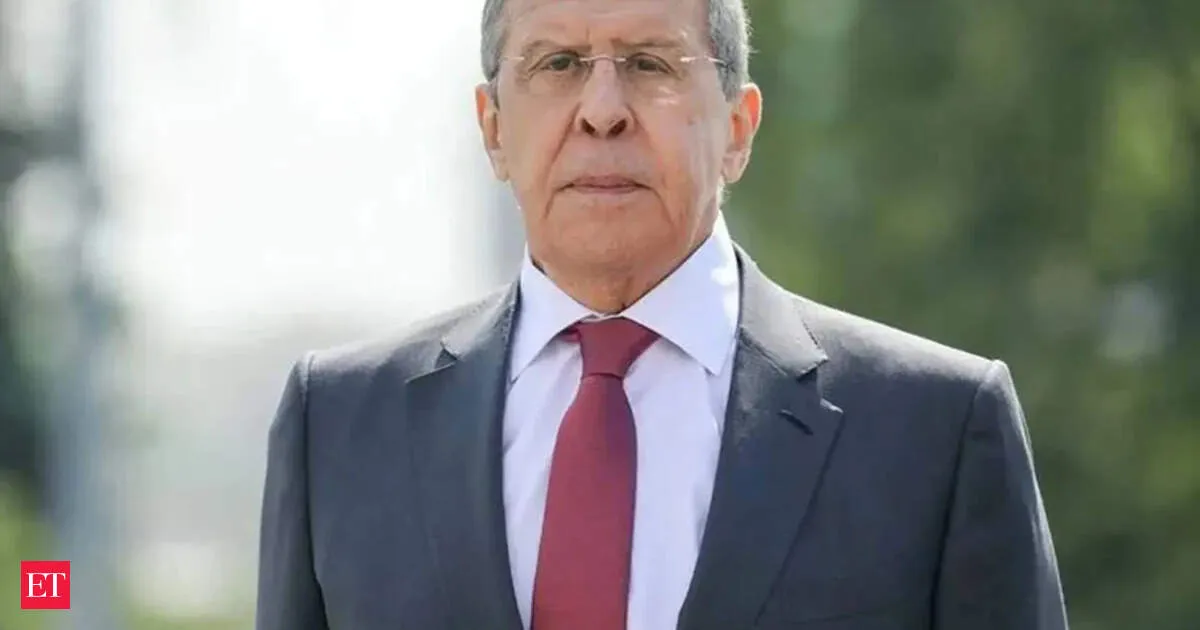
Russian Foreign Minister Sergey Lavrov told India that all energy supply agreements will be completed, citing deep-rooted friendship between the two countries. He also praised Prime Minister Narendra Modi for his leadership and emphasized that “unfair competition” will not disrupt Russia’s energy deals with India, signaling continuity amid external pressures.
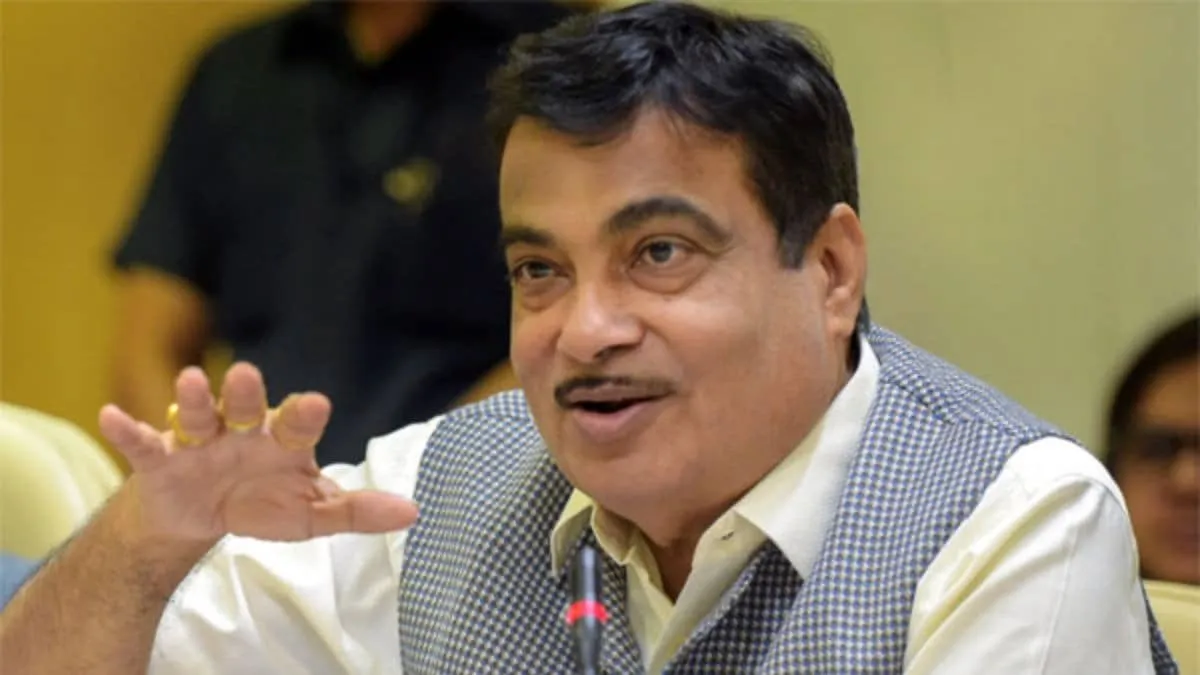
Union Minister Nitin Gadkari will travel by bus instead of a large VIP convoy during his upcoming Maharashtra inspection tour, trimming his convoy size by half. The step is intended to reduce fuel consumption, ease traffic, and limit public inconvenience, aligning with Prime Minister Narendra Modi’s austerity and energy-conservation push. Officials say it’s meant to lead by example as global energy concerns grow.
Prime Minister Narendra Modi’s push for austerity is spreading through BJP-led governments, with union ministers and chief ministers downsizing convoy sizes and trimming non-essential travel. The effort is aimed at conserving fuel and encouraging responsible living amid wider global energy uncertainties, signaling that the austerity message is now shaping day-to-day official movement.
Follow your favourite sources
Track sources, tags and categories — all in the Beige app.
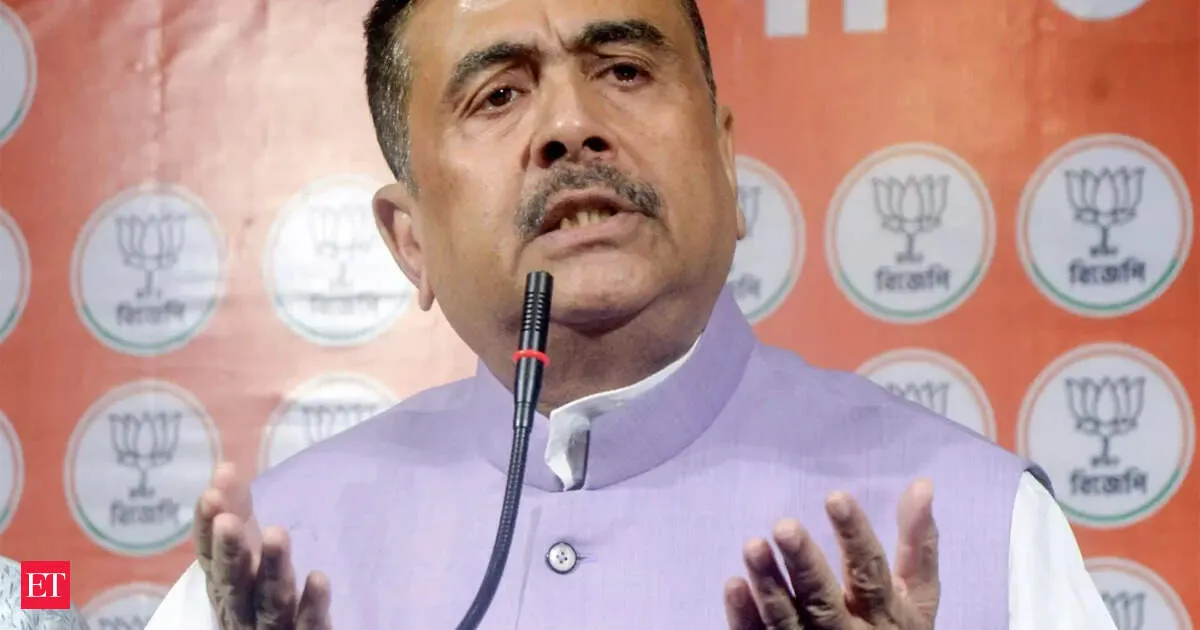
West Bengal CM Suvendu Adhikari has ordered an immediate reduction of his convoy, keeping only essential security vehicles. The move mirrors Prime Minister Narendra Modi’s push to curb VVIP convoy excesses. Adhikari said his journey began with prayers after the oath-taking of BJP MLAs, and the new guideline took effect right away.
Prime Minister Narendra Modi has directed the Special Protection Group to cut his official convoy vehicles by nearly half, signaling a wider government austerity drive. The order also pushes for greater use of electric vehicles and is prompting officials to explore additional fuel-saving steps such as metro travel and carpooling across ministries.
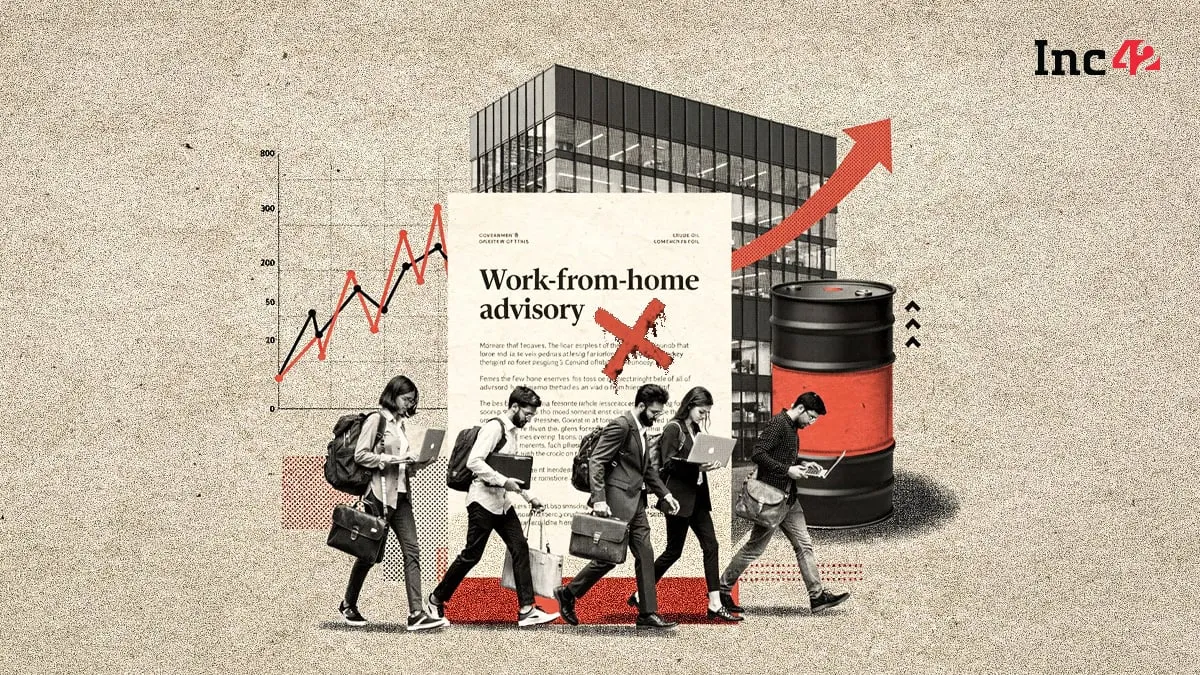
Prime Minister Narendra Modi’s WFH advisory amid West Asia tensions has sparked debate in corporate India, but many Indian startups are holding back. Founders across Delhi NCR, Bengaluru and Mumbai cite pandemic lessons: remote work allegedly slowed execution, complicated collaboration, and made office culture harder to reverse—plus many are stuck with long-term leases.
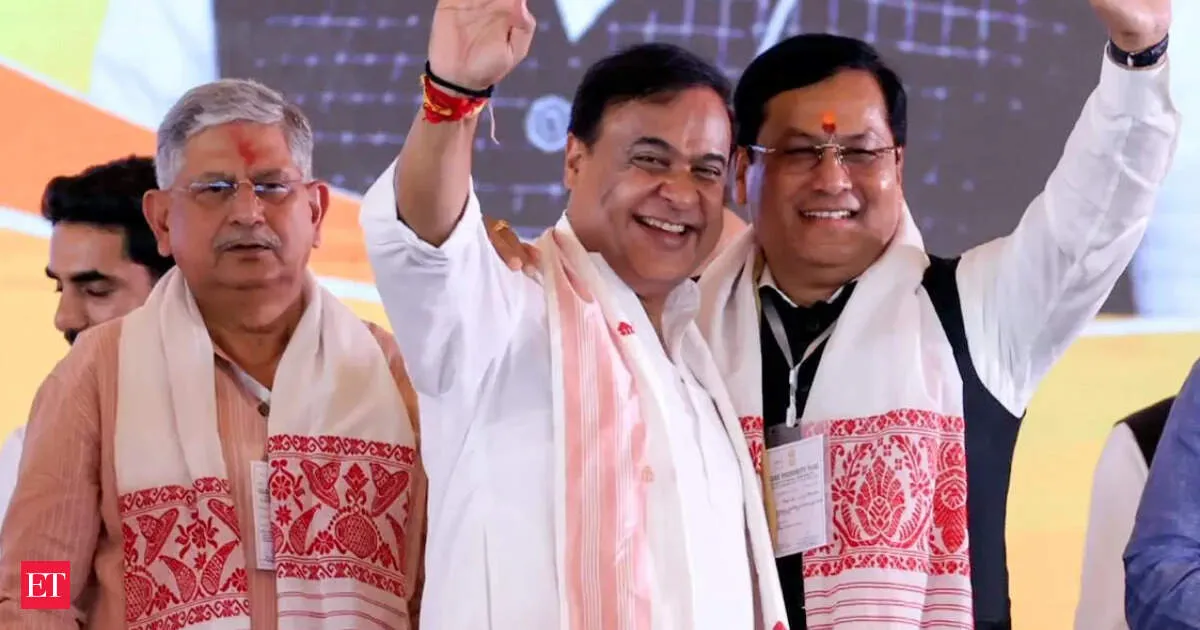
Assam is signaling a new phase of development and prosperity under Prime Minister Narendra Modi and Chief Minister Himanta Biswa Sarma, Union Minister Sarbananda Sonowal said. He highlighted safeguarding native land rights and tackling immigration challenges as central priorities, framing the effort as a bid for harmony, stability, and long-term growth.
Stay informed on the go
Bite-sized news from 100+ trusted sources, right in your pocket.
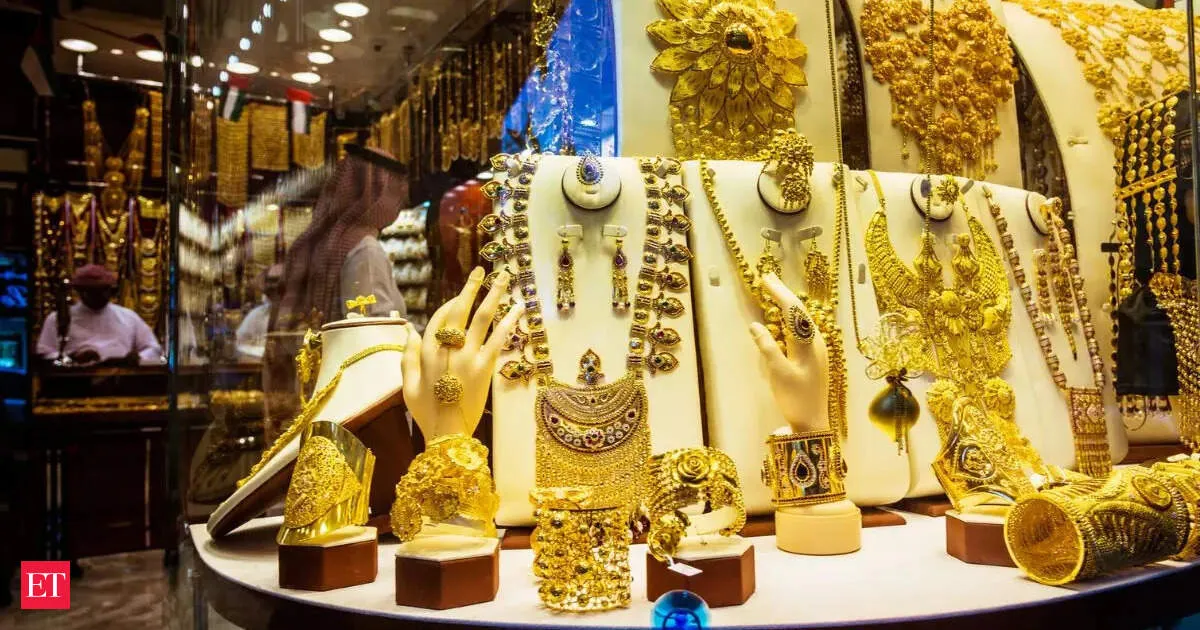
Malabar Gold & Diamonds has backed Prime Minister Narendra Modi’s push for responsible gold use, urging an overhaul of the Gold Monetisation Scheme. The jeweller wants higher public participation and more mobilisation of idle gold by integrating organized jewelers, lowering minimum deposit quantities, and introducing flexible redemption options to reduce import dependence and support India’s economy.
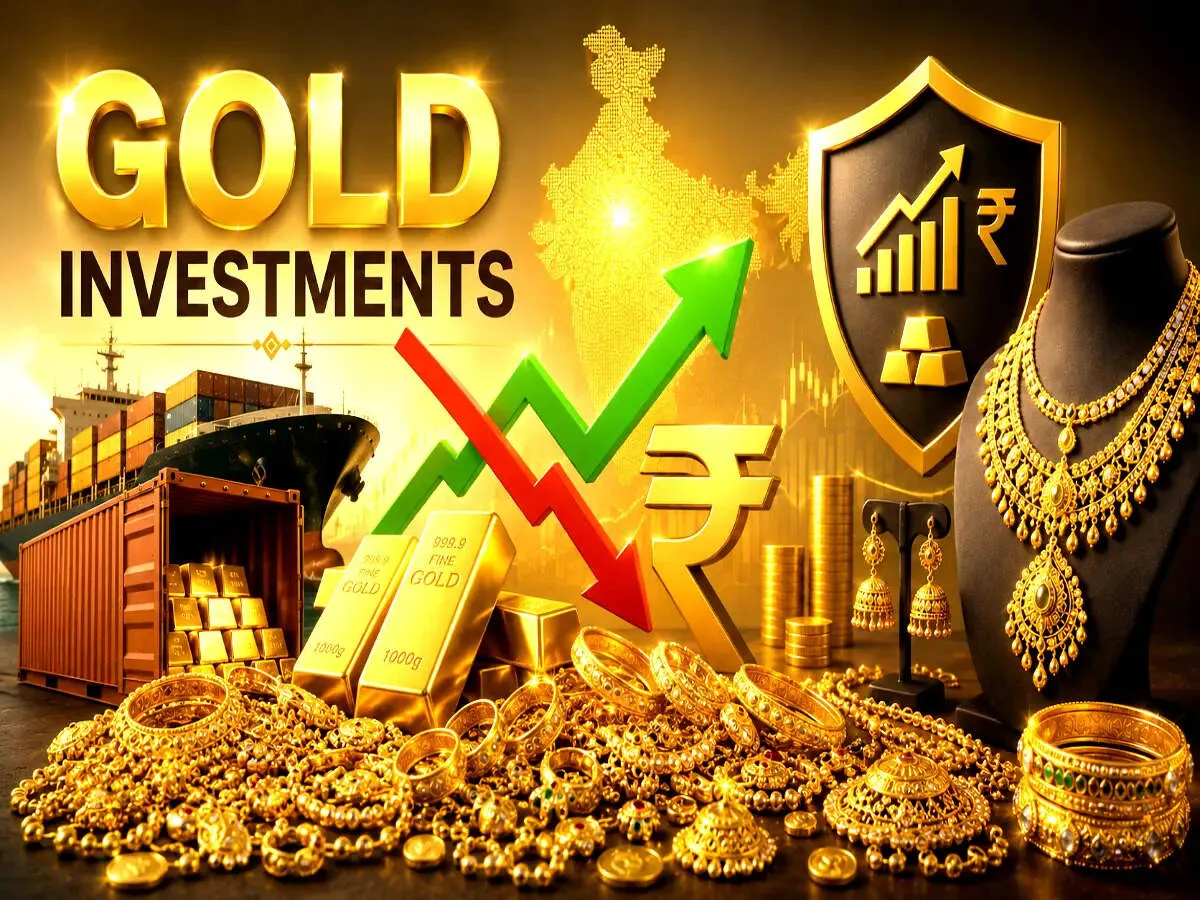
Prime Minister Narendra Modi asked people to postpone gold purchases to help curb India’s import bill amid West Asia tensions. The gold industry worries about demand shocks and job losses. Experts broadly advise existing investors to hold, while new buyers consider digital gold. They also point to domestic gold recycling and potential tax-law changes to reduce import pressure without harming livelihoods.
Swipe through stories, personalise your feed, and save articles for later — all on the app.