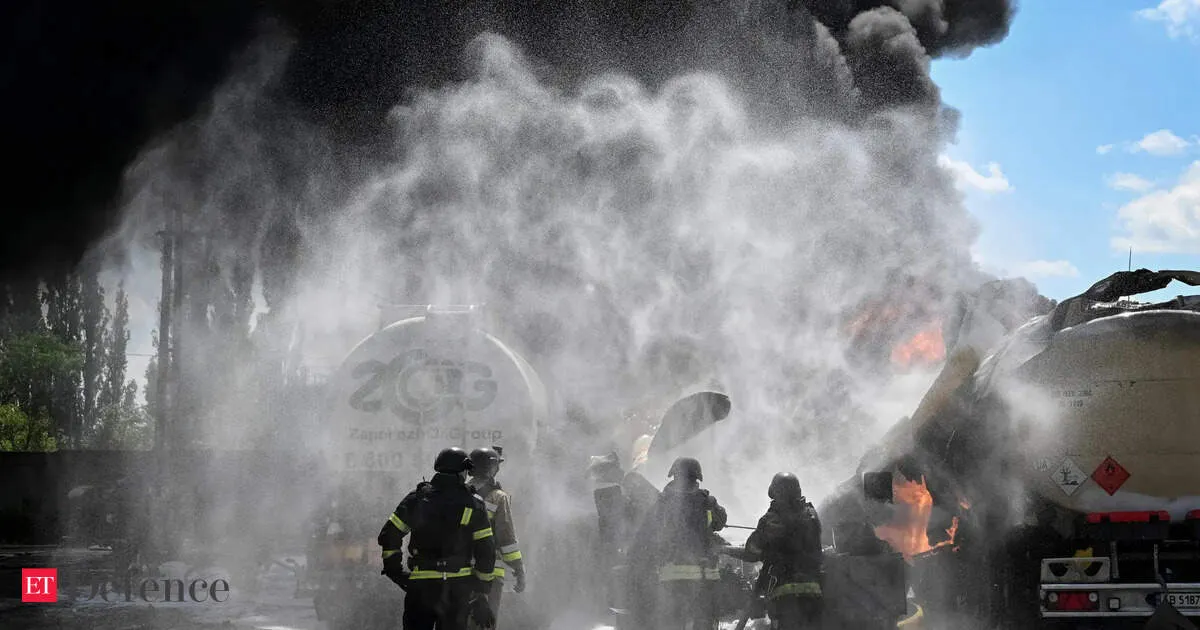
A major Russian barrage over Kyiv highlighted a grim split in Ukraine’s air defenses: drones are largely stopped, but ballistic missiles are the stubborn problem. In a seven-hour attack, Russia launched 675 drones and 56 missiles; Ukraine’s network jammed and shot down all but 22 drones, but 15 missiles still penetrated. Officials say the gap is driven by a shortage of Western anti-missile systems and scarce, extremely expensive interceptor ammunition, worsened by US spending in the Middle East.
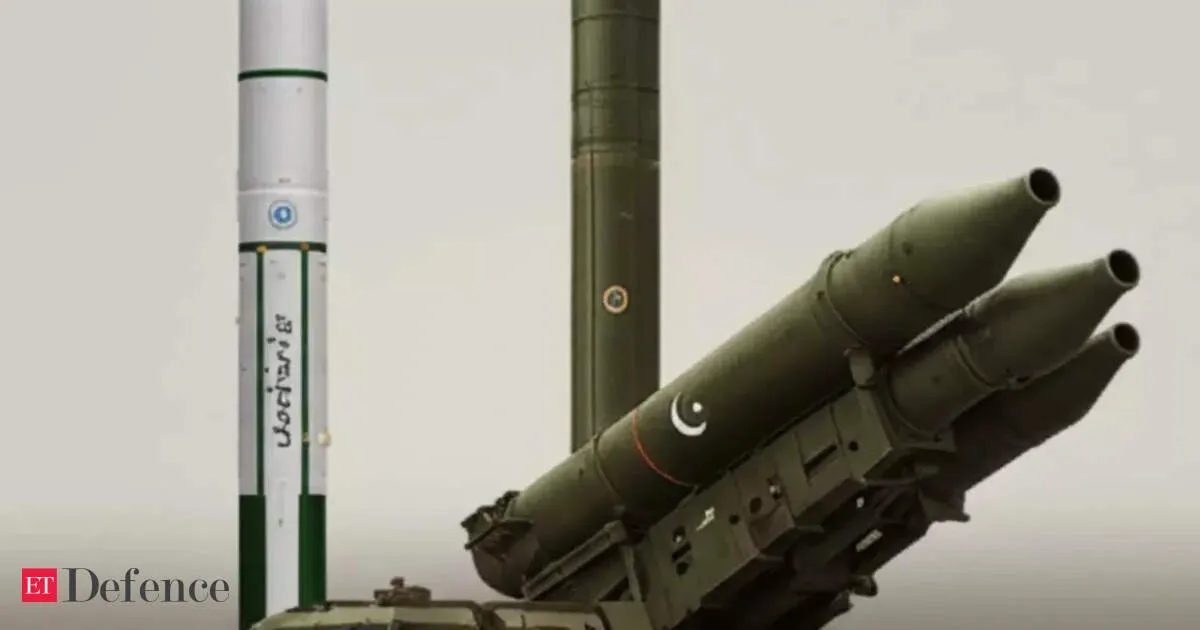
Pakistan says it has successfully test-fired its indigenously developed Fatah-4 ground-launched cruise missile. The military described the system as an advanced weapon built for long-range, precision strikes, marking another milestone in Pakistan’s missile development efforts. Details on range, accuracy, and trial parameters were not provided in the brief report, but the test signals continued progress.
Your news, in seconds
Get the Beige app — every story in 60 words, updated hourly. Free on iOS & Android.
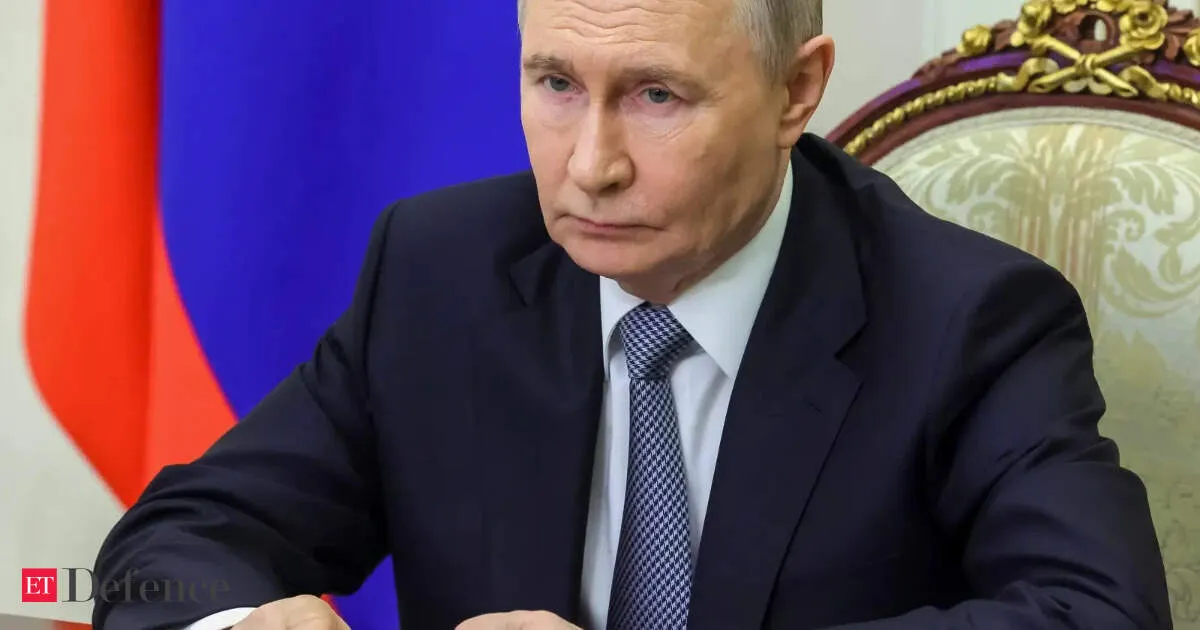
As the year closes, President Vladimir Putin says Russia will deploy the new Sarmat nuclear missile. After repeated delays, the long-awaited system is being framed as the world’s most formidable missile, capable of striking targets thousands of miles away. The rollout signals a step up in Russia’s nuclear strategy and geopolitical leverage.
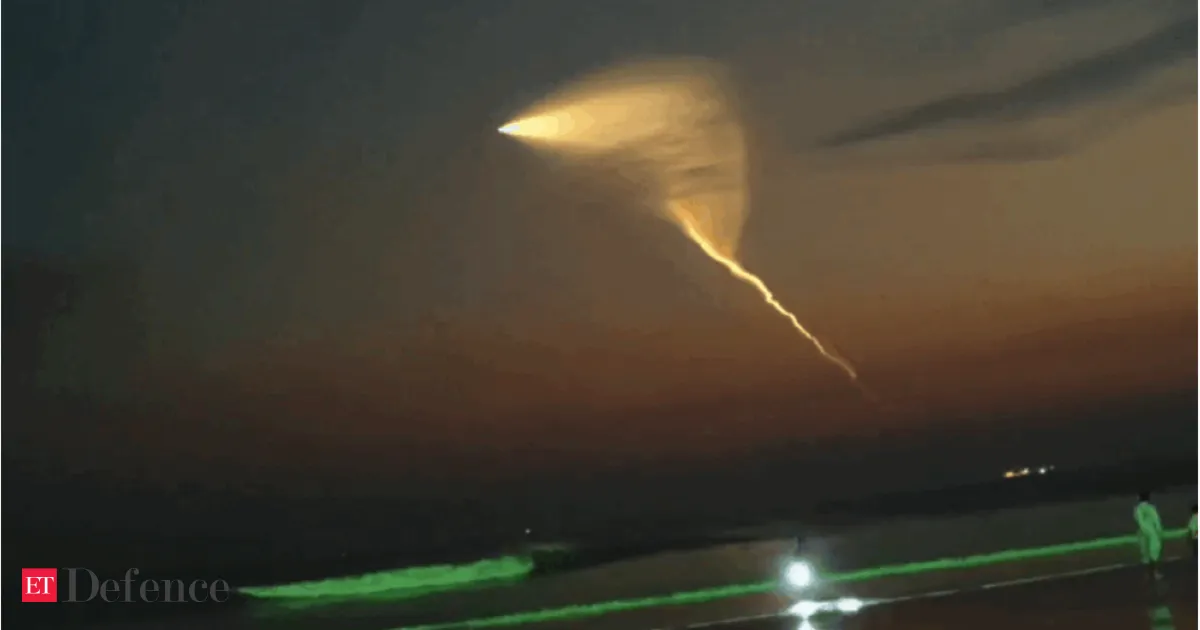
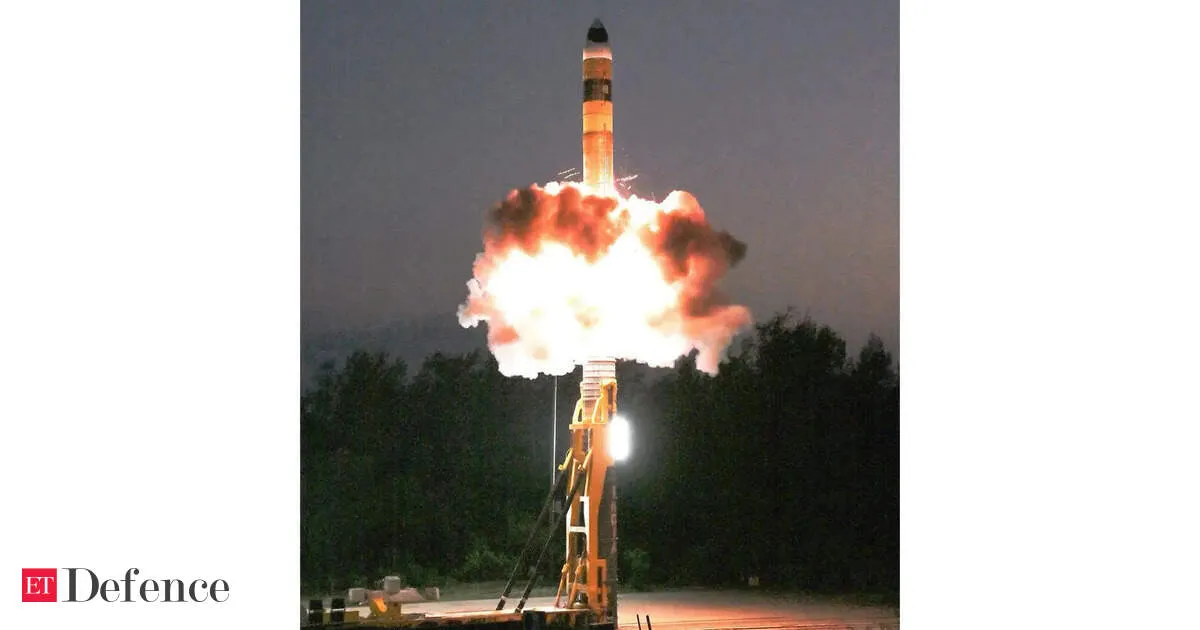
India has successfully flight-tested an advanced Agni-5 missile using MIRV technology under “Mission Divyastra.” The test demonstrated the system’s ability to engage multiple targets simultaneously, strengthening India’s strategic deterrence and defence readiness. Analysts say the development further elevates India’s standing among countries with advanced intercontinental strike capabilities, reshaping long-term security planning.
India says it successfully tested an Advanced Agni missile fitted with a MIRV system on May 8, 2026. Officials report the missile released multiple payloads that struck different targets across the Indian Ocean region, demonstrating the ability to hit several strategic locations with a single launch. The Defence Minister congratulated DRDO and the Indian Army for the milestone.
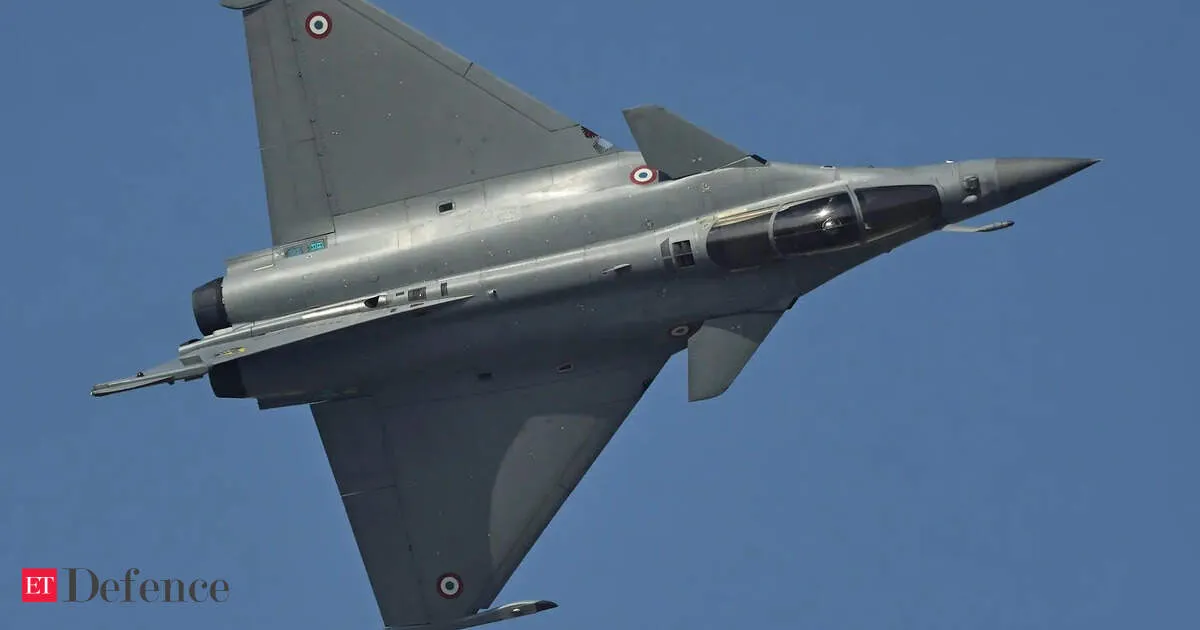
India is rapidly expanding its military capabilities in the wake of Operation Sindoor, with major deals moving toward finalisation. Planned acquisitions include additional Rafale fighter jets and indigenous submarines, while new air defence initiatives such as Mission Sudarshan Chakra target emerging threats. The push also leans heavily on drones, electronic warfare, satellite surveillance, and improving long-range missile strike options.
Never miss a story
Set alerts for the topics and sources you care about. Download Beige for free.
MBDA and the Indian Air Force have signed an agreement to set up a local facility for maintaining, repairing, and overhauling IAF’s MICA missiles. The IAF will operate the hub, while MBDA will supply the required machinery, tools, and training. Officials say the project strengthens India’s self-reliance drive and improves missile sustainment and operational readiness.
India has confirmed it is in discussions with Vietnam regarding the potential sale of the BrahMos missile system. The development signals strengthening defence cooperation and could reshape regional security dynamics if negotiations progress. Details on timelines, scope, and pricing were not provided in the brief confirmation, leaving room for speculation on what a potential package may include.
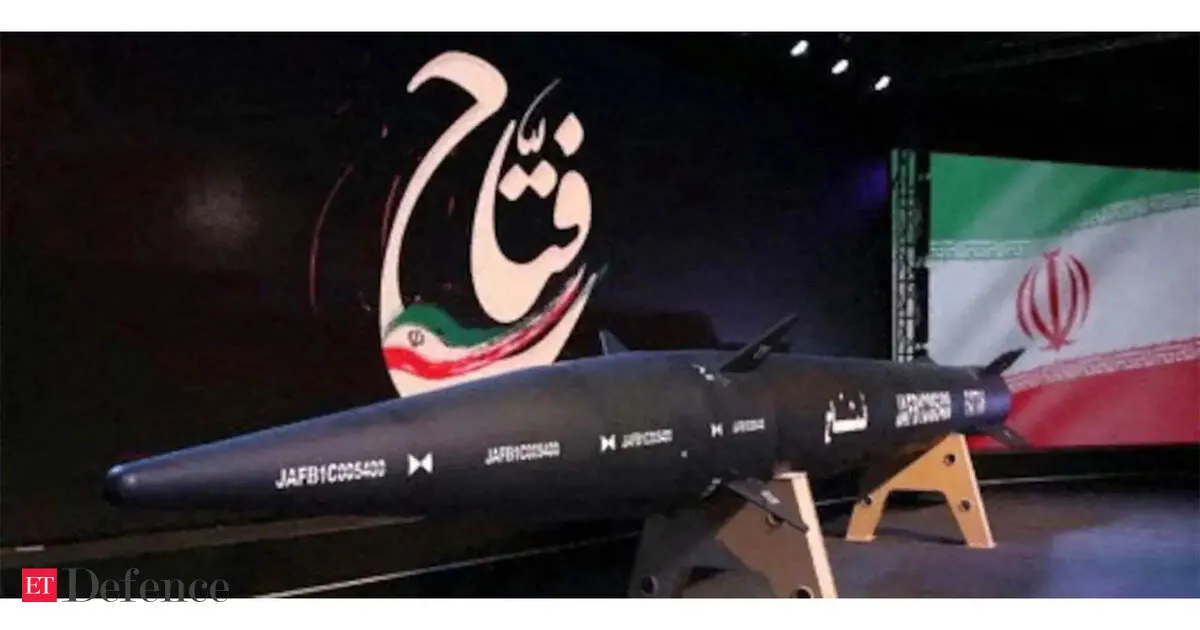
Iran’s Supreme Leader Mojtaba Khamenei vowed to protect the country’s nuclear and missile programmes, framing U.S. pressure as part of a wider attempt to curb Iran amid an uneasy ceasefire. As a U.S. blockade tightens the squeeze on Iranian oil exports, Tehran keeps the Strait of Hormuz shut, heightening fears of escalation in the Persian Gulf.
Iran’s Supreme Leader Mojtaba Khamenei says the country will defend its nuclear and missile capabilities, calling them national assets. In the same message, he signals a “new phase” for the Persian Gulf—imagining a future with reduced American influence—and warns foreign powers against interference, urging Gulf states to share a common destiny.
Reading on mobile?
Open Beige in the app for a smoother experience — free on iOS and Android.
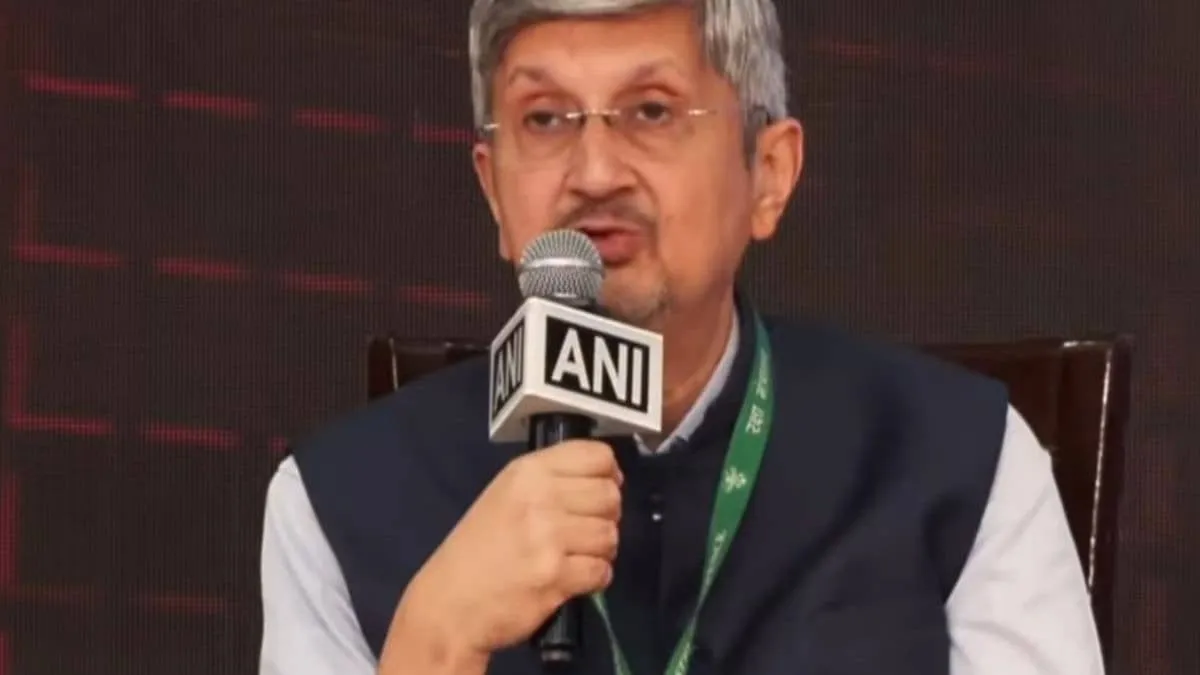
DRDO Chairman Samir V Kamat says India’s LR-AShM hypersonic glide missile programme is in an advanced stage, with initial trials expected soon. Speaking at ANI’s National Security Summit 2.0, he explained how hypersonic glide vehicles differ from cruise missiles and outlined plans for a multi-layered conventional strike force aimed at next-generation deterrence and precision.
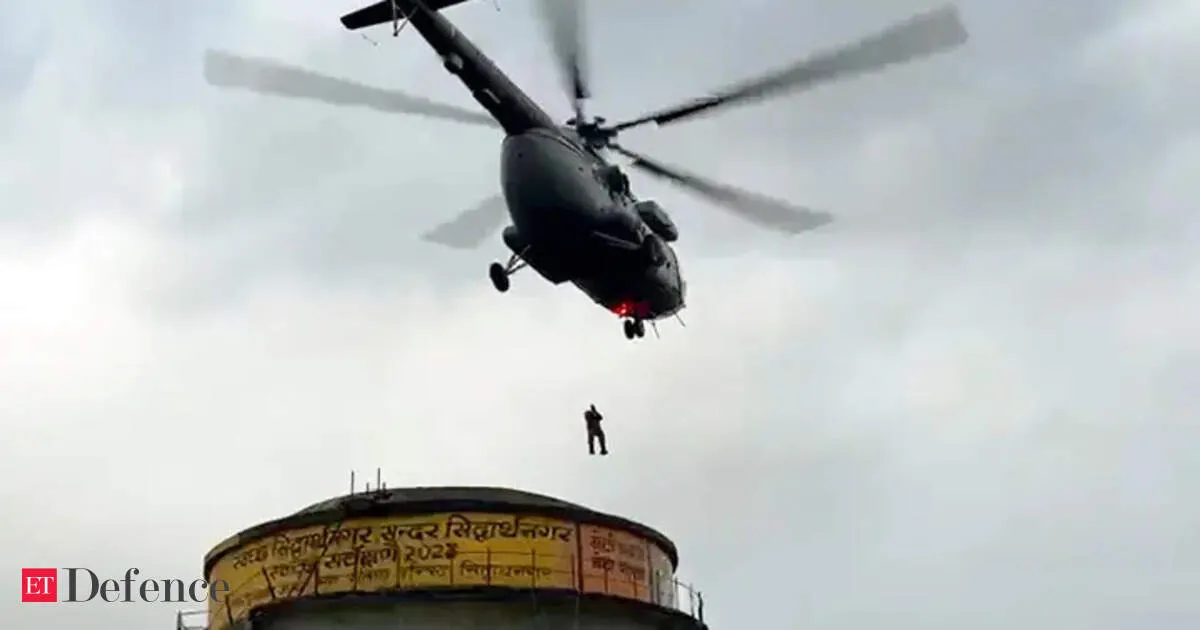
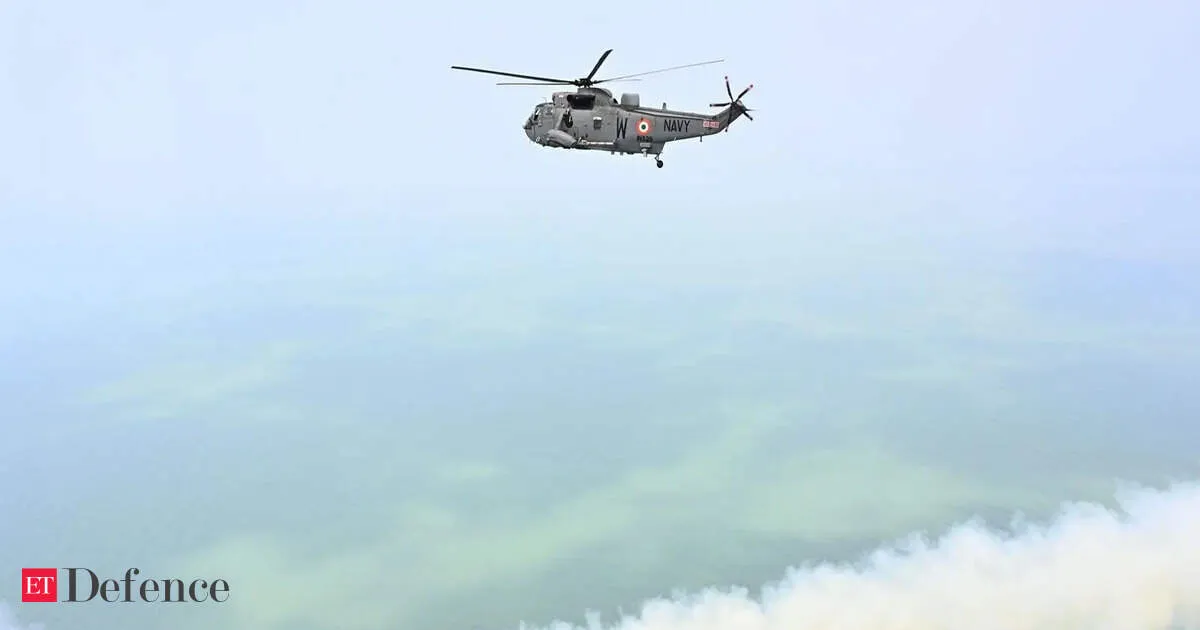
DRDO and the Indian Navy conducted a maiden successful salvo launch of the NASM-SR air-launched anti-ship missile system. During the trial, two missiles were fired in quick succession from the same helicopter, marking the first salvo launch for this advanced class of weapon and demonstrating rapid multi-shot capability against maritime targets.
Iran’s military delivered a pointed message as its foreign minister arrived in Islamabad, stressing that a large share of its missile capability has not been used. The armed forces also claimed control over skies in occupied territories, while highlighting indigenous defence production and resilience. Tehran framed the Strait of Hormuz as leverage and pointed to domestic rallies supporting the posture.
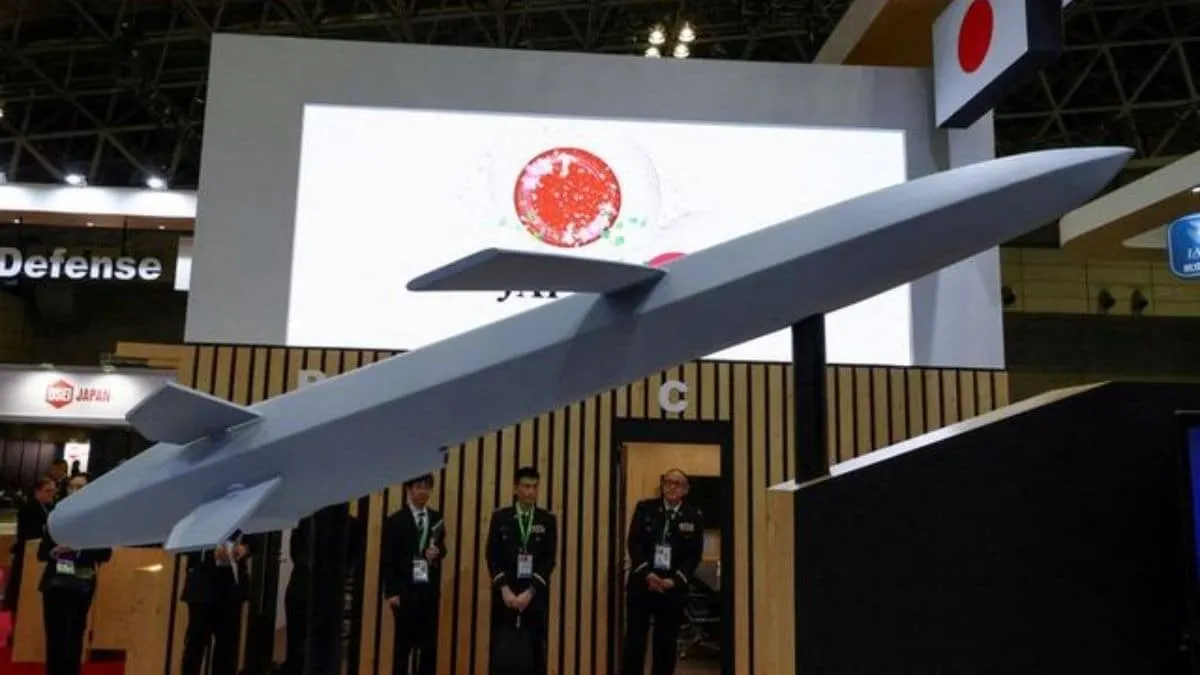
Japan has announced its biggest defense export rules overhaul in decades, scrapping long-standing restrictions on overseas arms sales. The change is designed to strengthen Japan’s defense industrial base and enable exports including warships, missiles, and other weapons. Tokyo is responding to rising global demand, with countries such as Poland and the Philippines highlighted as key potential buyers.
Follow your favourite sources
Track sources, tags and categories — all in the Beige app.
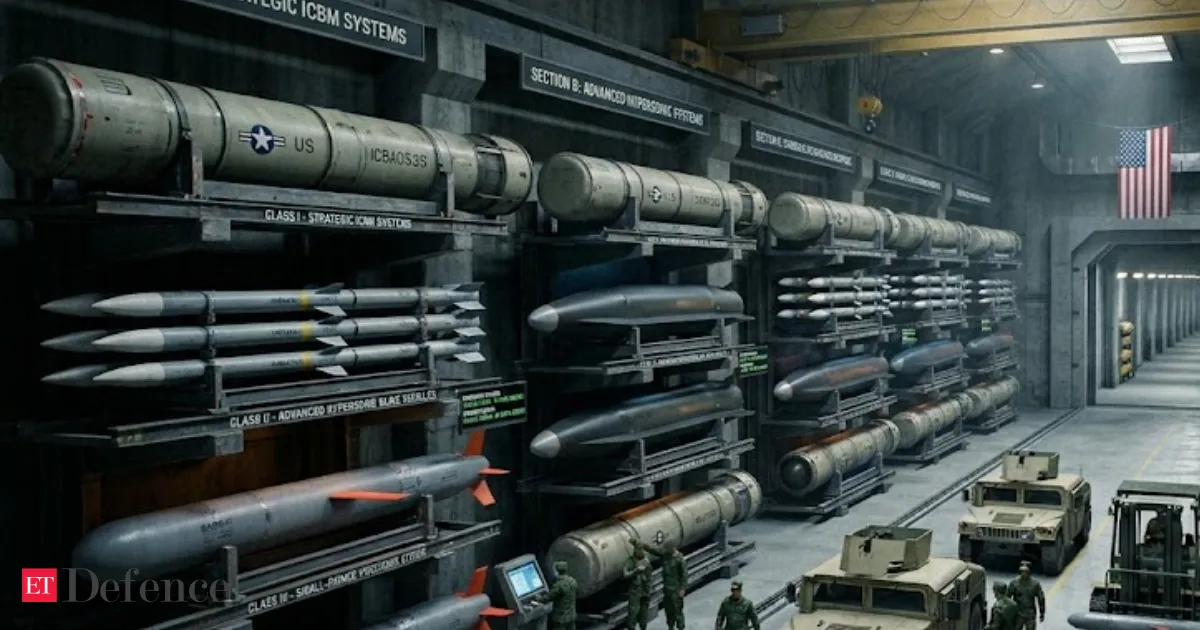
A new report warns the US has significantly depleted missile reserves following its conflict with Iran, raising near-term concerns about shortages in ammunition for future major wars. Experts say rebuilding these key missile systems will take several years, and current stockpiles may not be sufficient if the US faces a near-peer rival such as China.
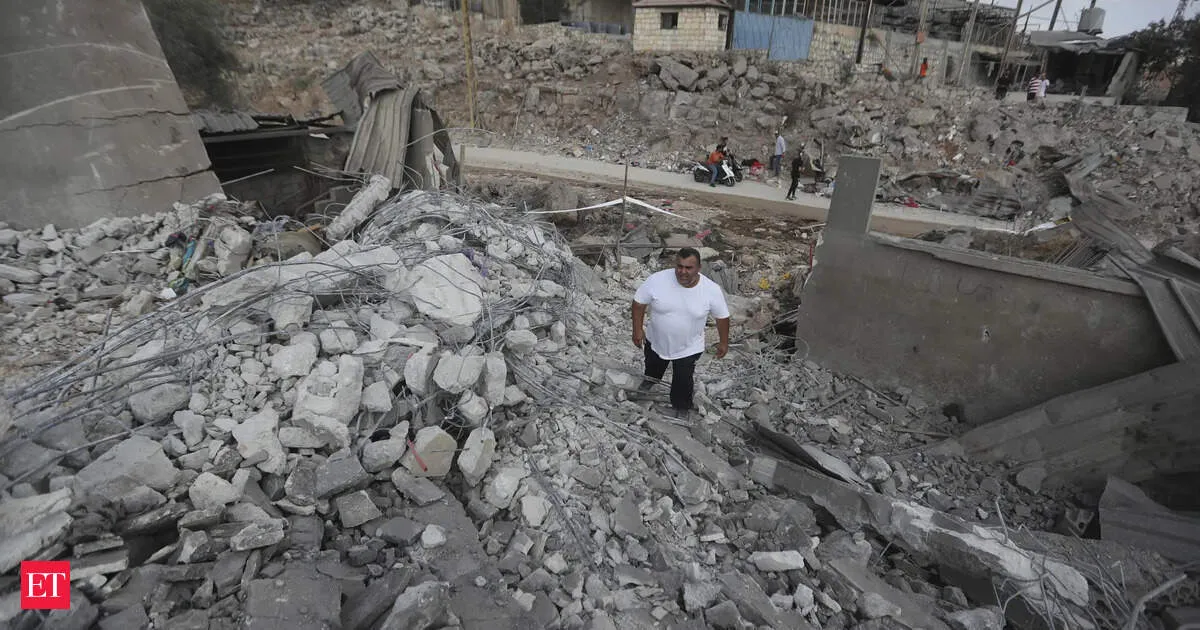
Tensions in West Asia surged as Hezbollah launched rockets and drones at Israel following the assassination of a Hezbollah commander by Israeli forces. In response, Israel carried out preemptive strikes targeting rocket launch sites in southern Lebanon. Israel also escalated defenses, issuing civil defense instructions and declaring a state of emergency amid concerns of a widening conflict.
Swipe through stories, personalise your feed, and save articles for later — all on the app.