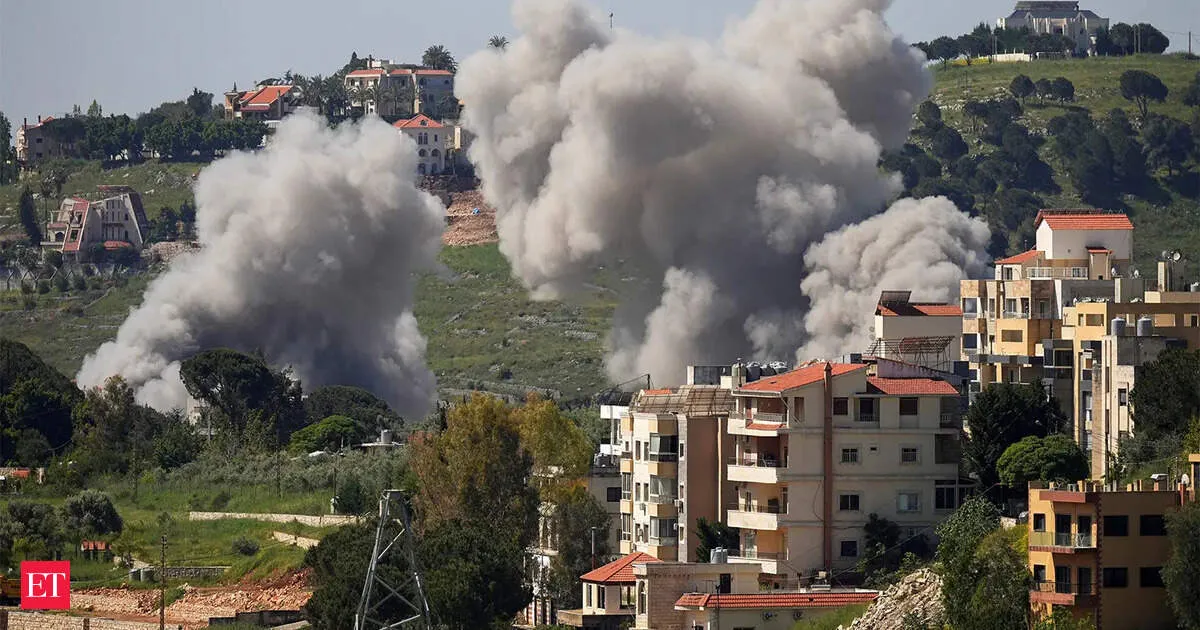
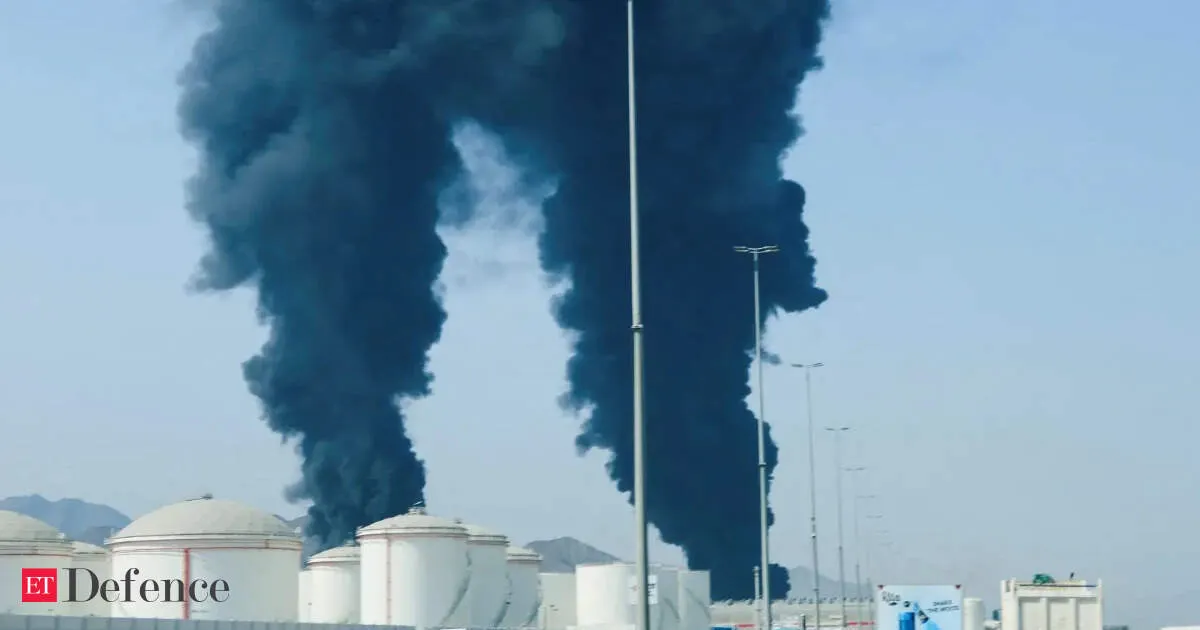
At the BRICS Foreign Ministers’ Meeting in New Delhi, the UAE rejected Iran’s accusations that Abu Dhabi was directly involved in aggression against Tehran during the West Asia conflict. UAE Minister of State Khalifa Shaheen Al Marar said the claims will not affect its “principled positions” or sovereign decision-making, while the UAE accused Iran of repeated strikes on Emirati infrastructure. Abu Dhabi also cited near 3,000 intercepted ballistic missiles, cruise missiles and drones, and warned against actions that it says obstruct maritime routes and target civilian facilities.
The UAE has rejected Iran’s accusations that Abu Dhabi plays an active role in the Middle East war, calling Tehran’s narrative an attempt to justify Iranian terrorist attacks. After Iran’s foreign minister told a Telegram audience that the UAE is a partner in aggression and warned that U.S. bases can’t ensure security, UAE minister Khalifa bin Shaheen Al Marar said the country has faced repeated attacks. He cited about 3,000 missile and drone strikes and stressed the UAE can deter aggression without external protection.
Your news, in seconds
Get the Beige app — every story in 60 words, updated hourly. Free on iOS & Android.
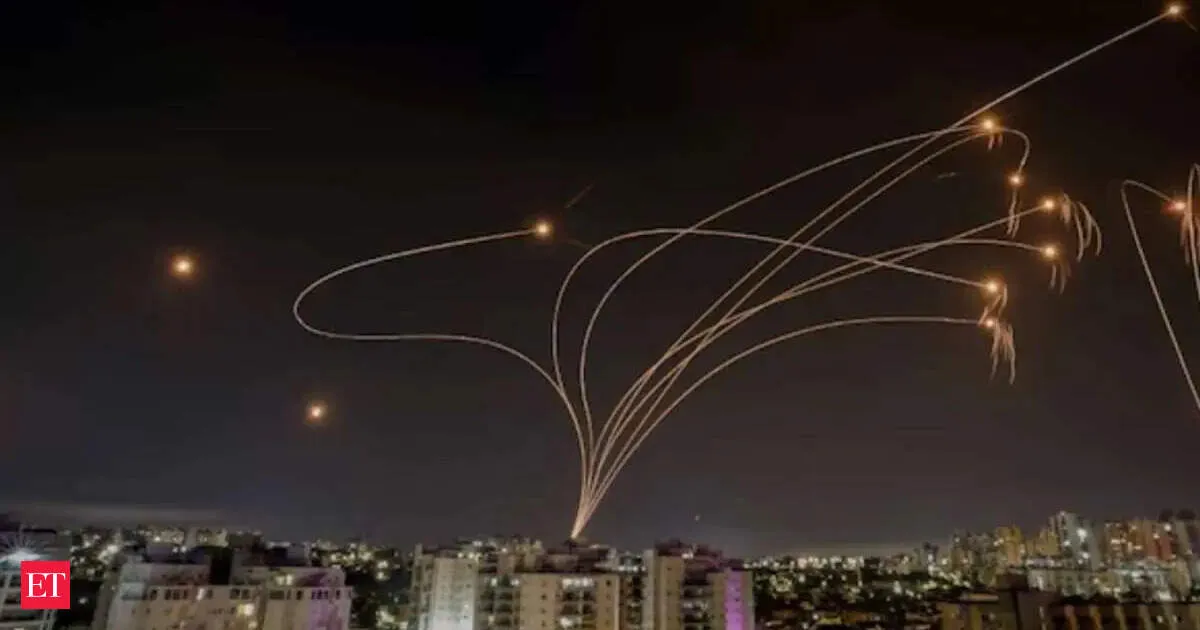
UAE air defences reportedly scrambled to respond to a missile and drone assault from Iran, even as US forces intercepted Iranian attacks aimed at three US Navy ships. The US also struck Iranian facilities linked to the assault, with no ships hit. The flare-up underlines how fragile the April 8 US Iran ceasefire remains.
The UAE says its air defenses are confronting missile and drone attacks originating from Iran, describing the situation as a major escalation after a period of calm. The foreign ministry warns the strikes pose a direct threat to national security and says the UAE reserves the right to respond. The statement raises regional tensions and questions over next steps.
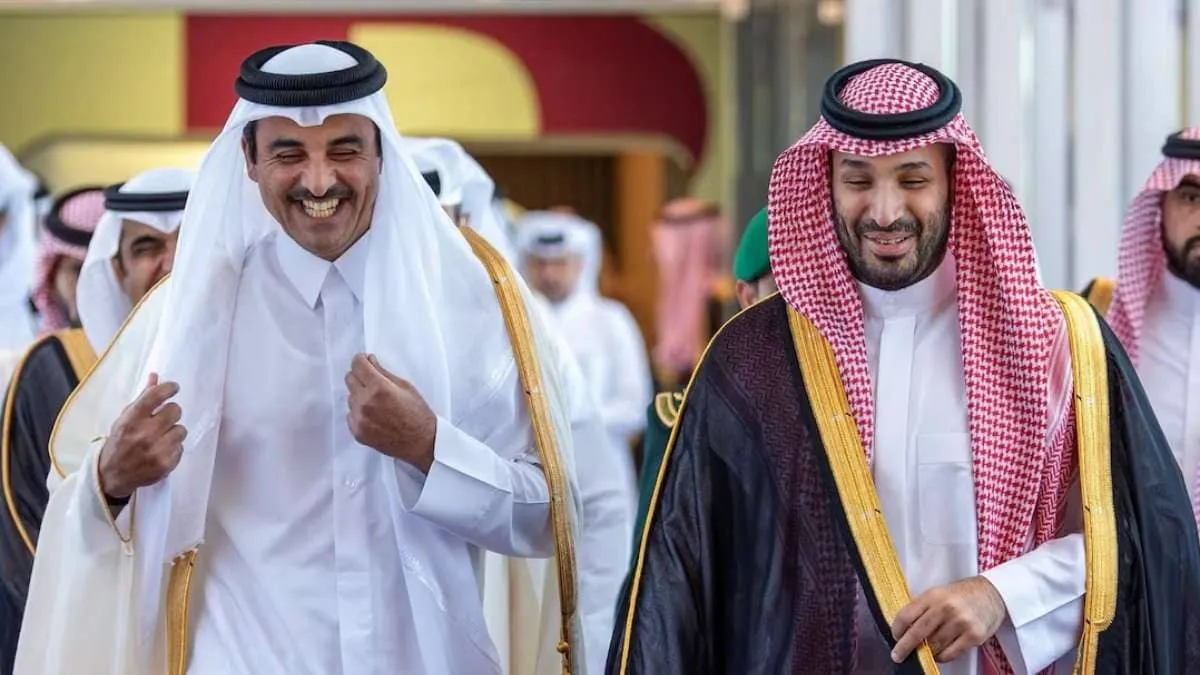
Gulf leaders gathered in Saudi Arabia to coordinate responses to missile and drone attacks attributed to Iran, with tensions rising after Tehran targeted U S military installations in the Gulf. The meeting comes as Iran disrupts navigation around the Strait of Hormuz, keeping global shipping and regional security on edge and prompting urgent discussion across GCC capitals.
Swipe through stories, personalise your feed, and save articles for later — all on the app.