The Middle East conflict is reverberating through global markets by pushing oil prices higher and weakening currencies, tightening financial conditions worldwide. Asia, with heavy reliance on imported energy, is especially exposed as energy costs feed into food inflation and consumer spending pressures. Investors are now watching how central banks balance these geopolitical shocks against inflation control and economic stability.
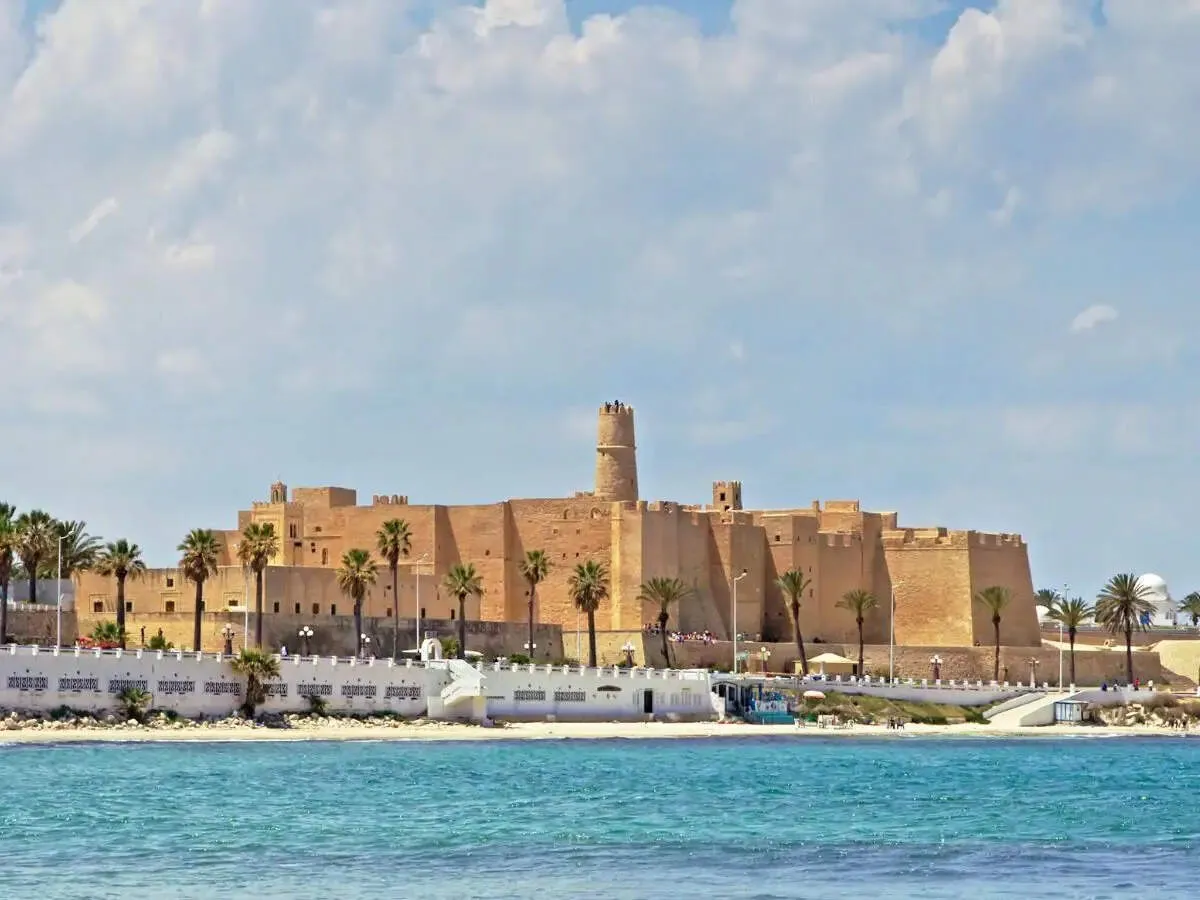
Tunisia’s summer tourism season, which usually starts strong in May, is getting an uneasy launch as the Middle East conflict disrupts travel demand. Officials say Djerba delivered resilience with a record 1.2 million visitors last year, up 5%. But the region’s wider instability is creating uncertainty for this year’s booking momentum.
Your news, in seconds
Get the Beige app — every story in 60 words, updated hourly. Free on iOS & Android.
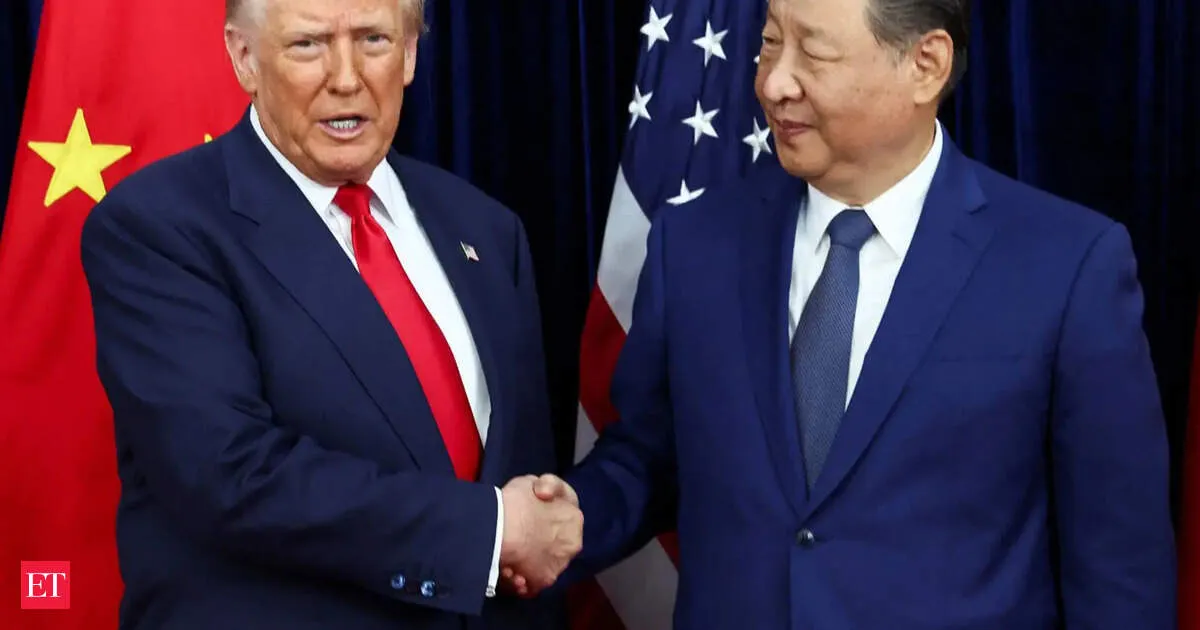
US President Donald Trump plans to “apply pressure” on Chinese leader Xi Jinping over Iran during a Beijing visit this week, a senior administration official said. Trump arrives Wednesday evening, after postponing the trip in March due to the ongoing Iran war. The move signals Washington’s push for a deal aimed at bringing an end to the Middle East conflict.
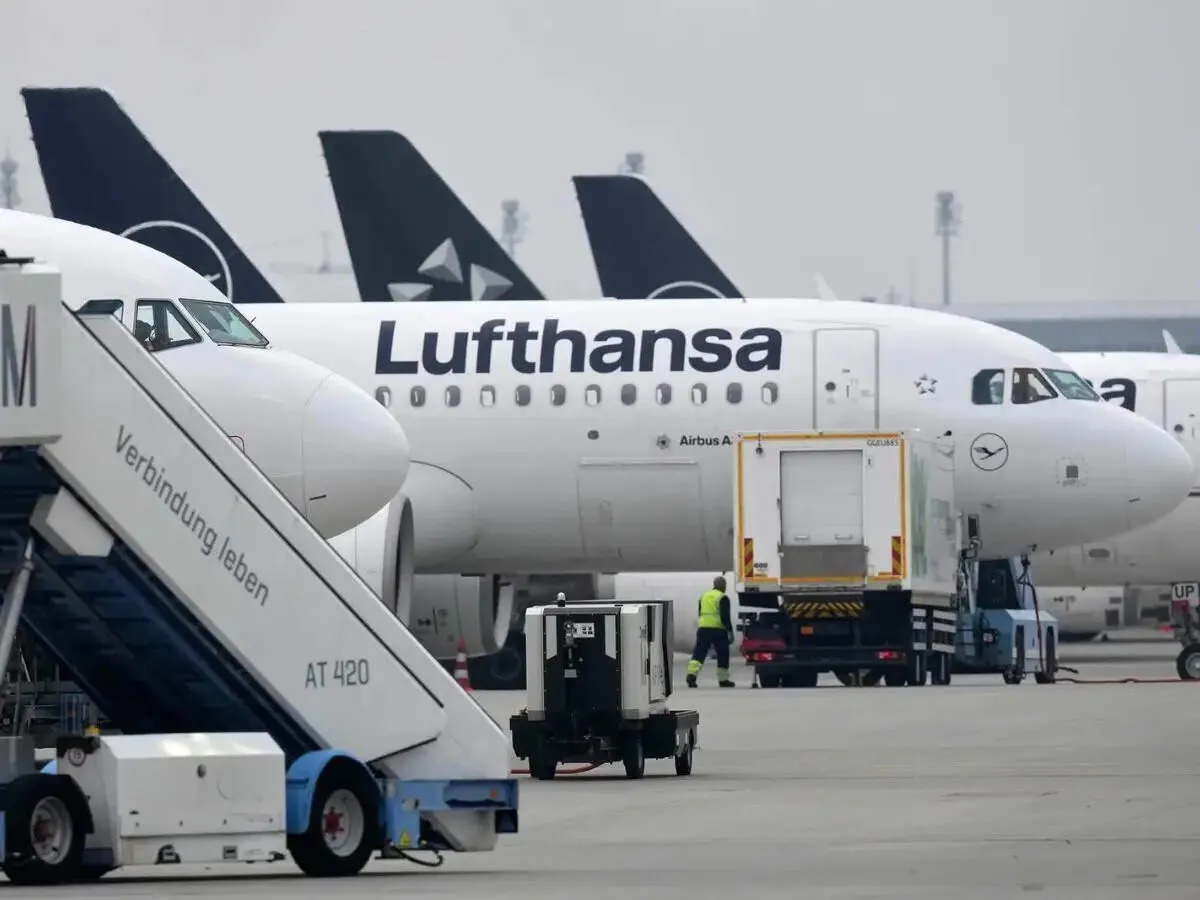
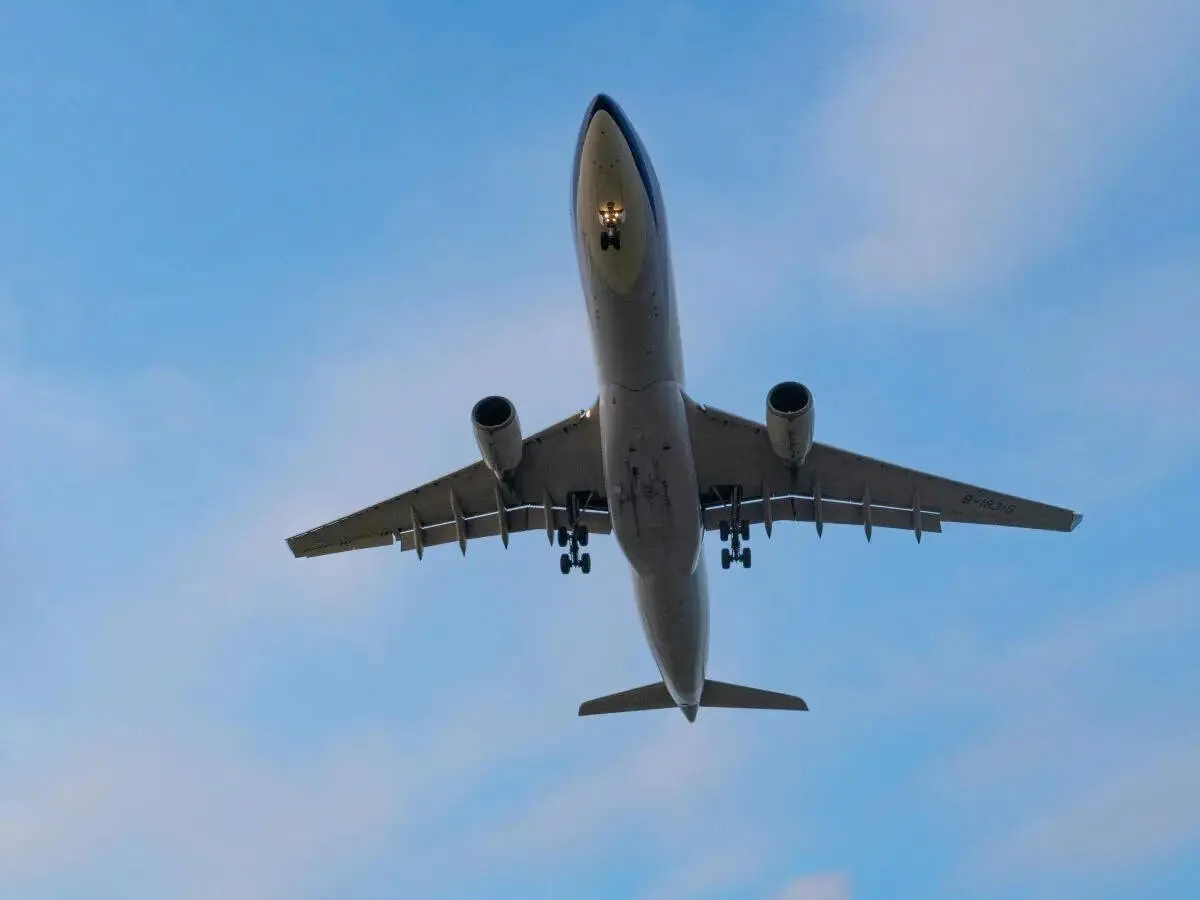
Lufthansa says the Middle East war is increasing risks to its financial performance, even while keeping its full year outlook. The airline notes that no kerosene supply restrictions are expected at its hubs right now. However, it warned that fuel availability could be reduced later in the year, adding pressure to operations and costs.
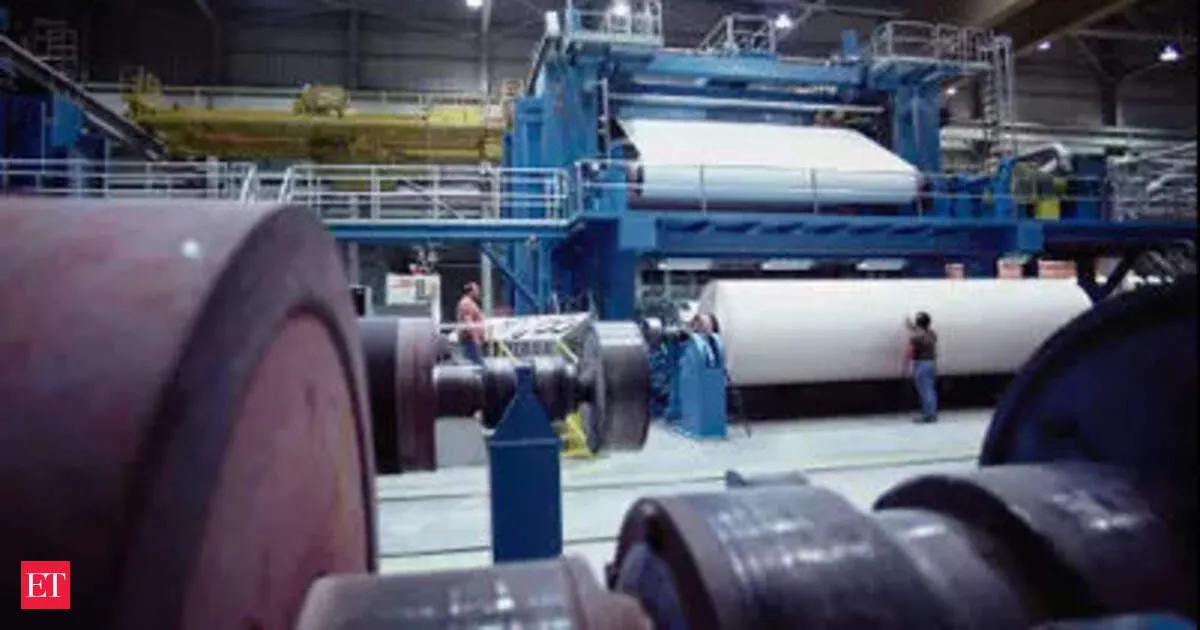
US manufacturing activity held steady in April, according to survey data, even as firms faced growing uncertainty from the Middle East conflict. The key twist: a prices measure surged to 84.6, the highest since April 2022, signaling renewed inflation pressure. The survey suggests businesses are coping with demand but struggling with cost signals.
Nigerian airlines kept operating on Thursday after averting a shutdown sparked by soaring jet fuel prices. The spike, intensified by the Middle East war, is hitting an industry across Africa’s biggest crude producer. Even with increased jet fuel output from Nigeria’s Dangote refinery, data reviewed by AFP suggests fuel costs remain stubbornly high—raising questions about how much room there is to lower prices.
Never miss a story
Set alerts for the topics and sources you care about. Download Beige for free.
Thailand’s finance ministry says the country’s economic growth and tourist arrivals are expected to fall this year as the Middle East conflict pushes global energy prices higher. With the US-Israel campaign against Iran underway for two months, tourists from Europe and the Middle East have declined, driven by the rise in fuel costs that makes travel more expensive.
Several low-cost carriers including Ryanair, Transavia and Volotea are cutting flight schedules after jet fuel prices climbed sharply amid the Middle East war. Ryanair is reducing services to and from Berlin from October, pointing to overall high costs and taxes rather than directly naming fuel prices, signaling tighter capacity for budget travelers soon.
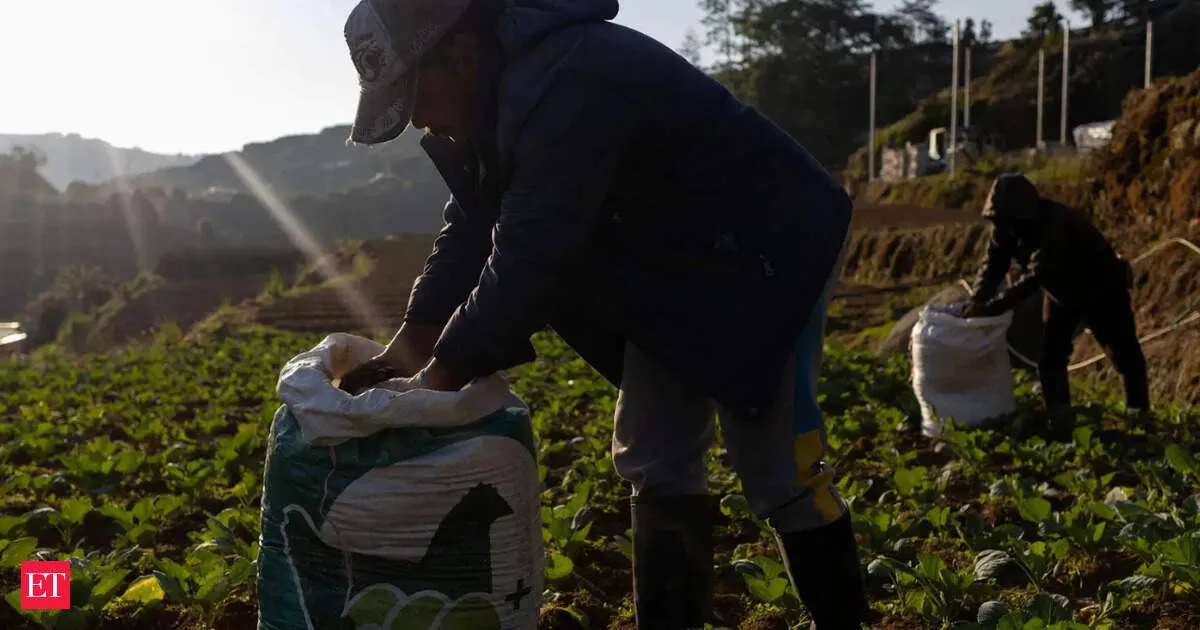
India’s fertiliser production fell nearly a quarter in March, driven by disruptions to imported natural gas linked to the Middle East conflict. Since gas is a core input for producing urea—the key fertiliser powering much of India’s agriculture—the shock highlights how directly global energy disruptions can ripple into farm supply and food costs.
Electric vehicle demand is surging across Southeast Asia as shoppers rush to dealerships to sidestep runaway fuel prices. Since the Middle East war began, crude has climbed by roughly 50%, briefly pushing above $100 per barrel, tightening budgets at the pump. EVs are emerging as the cheaper, shielded alternative for cost-conscious buyers.
Reading on mobile?
Open Beige in the app for a smoother experience — free on iOS and Android.
Swipe through stories, personalise your feed, and save articles for later — all on the app.