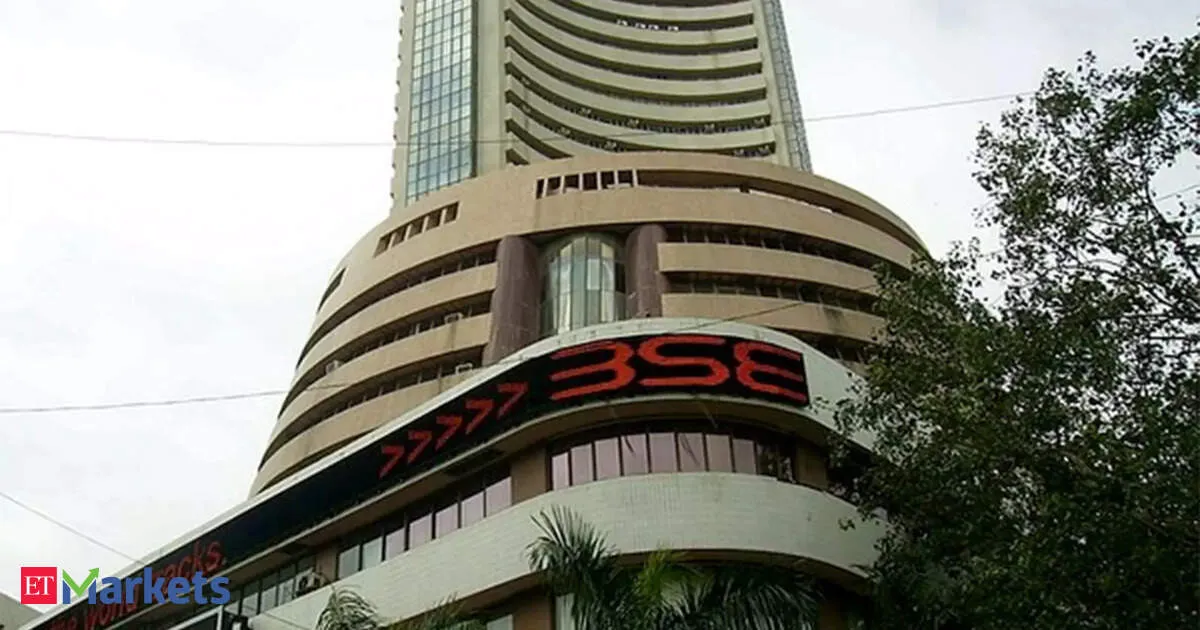
Indian markets opened lower and extended losses as the rupee slid to a fresh record low. The move was tied to higher oil prices amid Middle East tensions, following US President Trump’s rejection of an Iran peace proposal. Weakness spread across sectors with IT stocks leading declines, as global uncertainty and foreign institutional selling added to bearish sentiment.
With uncertainty rising across the Middle East, Indian IT firms are accelerating remote and hybrid work to protect employees and keep operations flexible. Alongside this shift, companies are upgrading energy efficiency across campuses. Nasscom, backing a $315 billion technology industry, says it is closely monitoring geopolitical developments that could affect work patterns and business continuity.
Your news, in seconds
Get the Beige app — every story in 60 words, updated hourly. Free on iOS & Android.
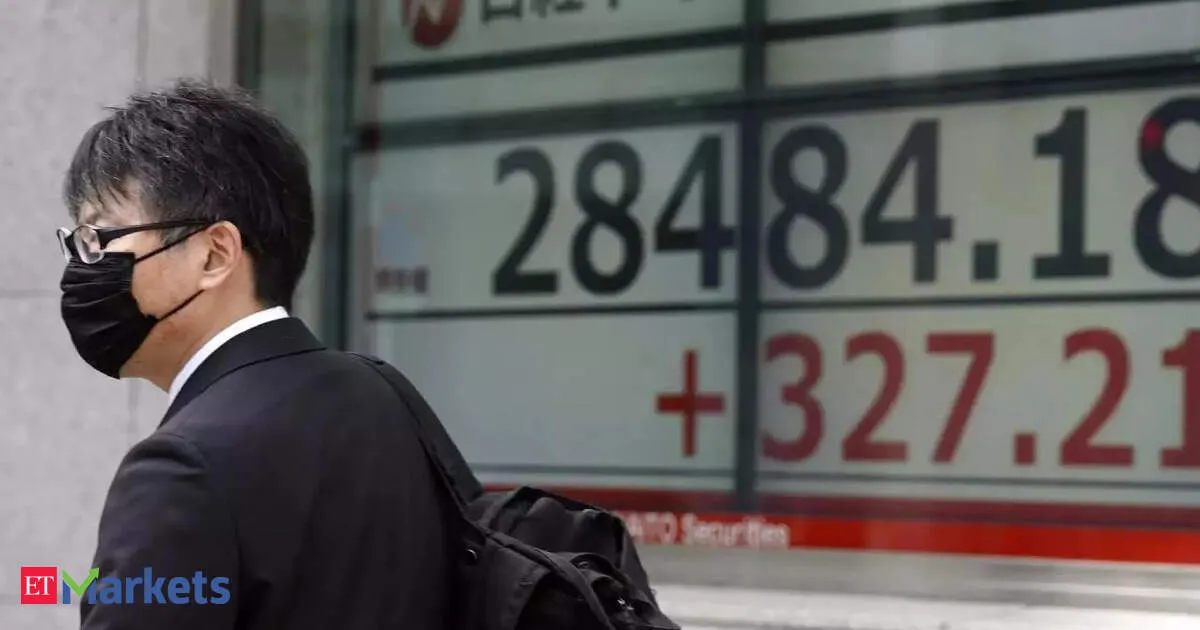
Asian markets rose as AI and tech stocks led the climb, with investors appearing to look past Middle East risks despite oil moving higher. Even as inflation worries linger and crude prices add pressure, sentiment stays supported by expectations that corporate profits will benefit from AI spending. Still, traders aren’t fully calm as volatility risk remains.
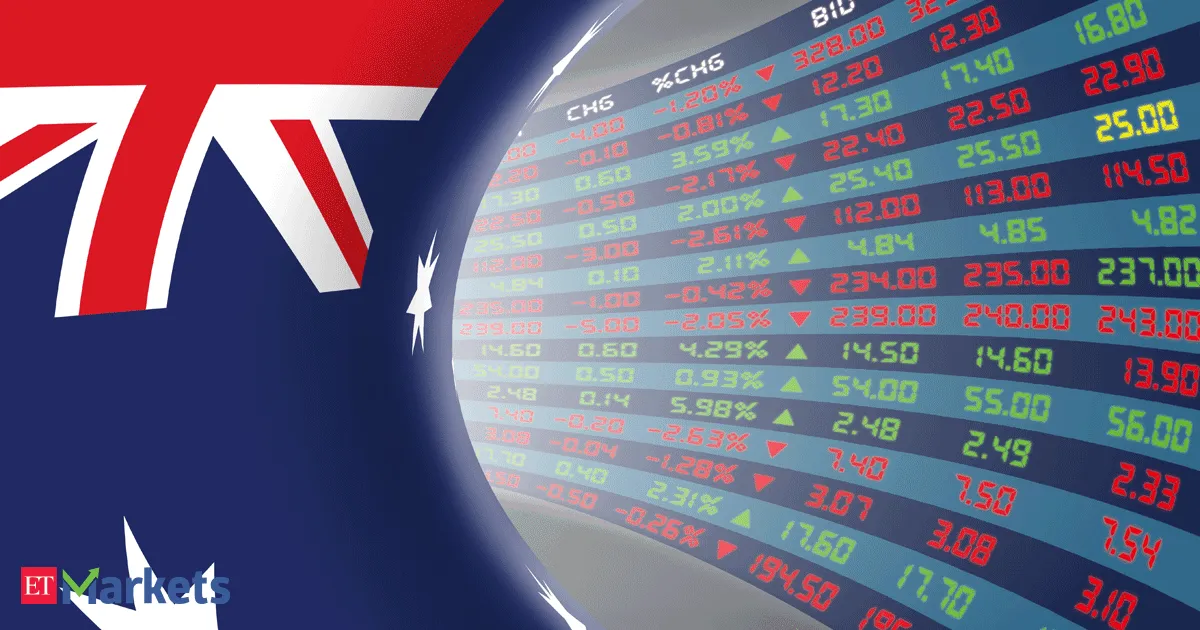
Australian shares dropped 1.5% on Friday, wiping out earlier gains as renewed US Iran tensions dented global risk appetite. Miners and banks led the fall, while Tabcorp slid further amid money laundering investigations. The market setback also arrived despite a busy week for the Reserve Bank of Australia’s interest rate moves.
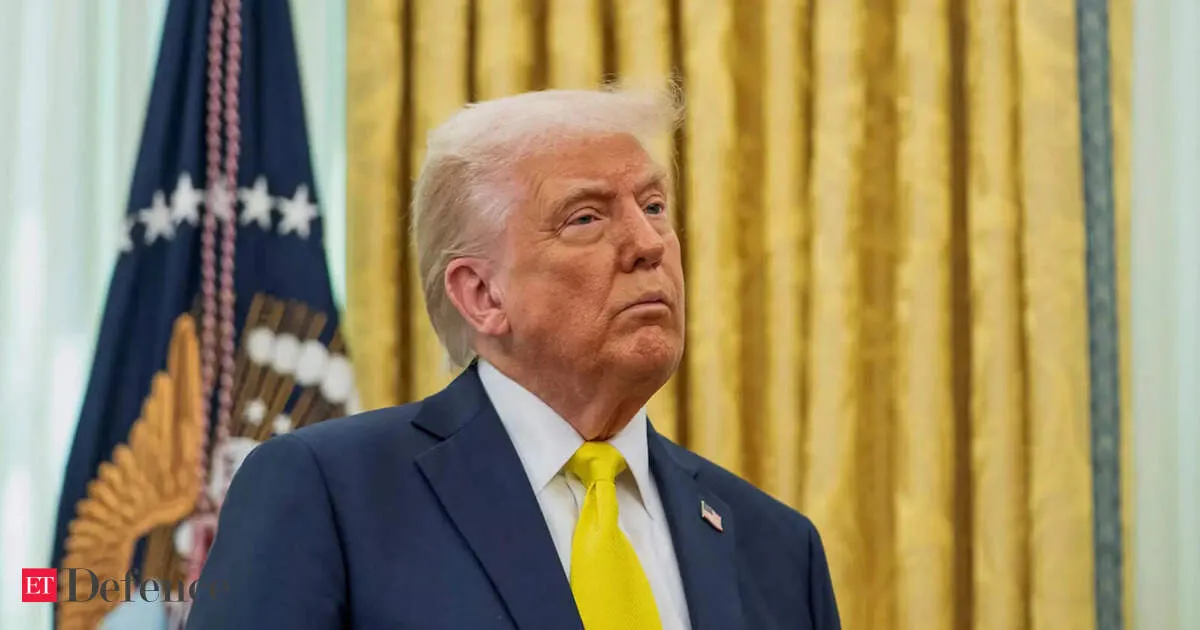
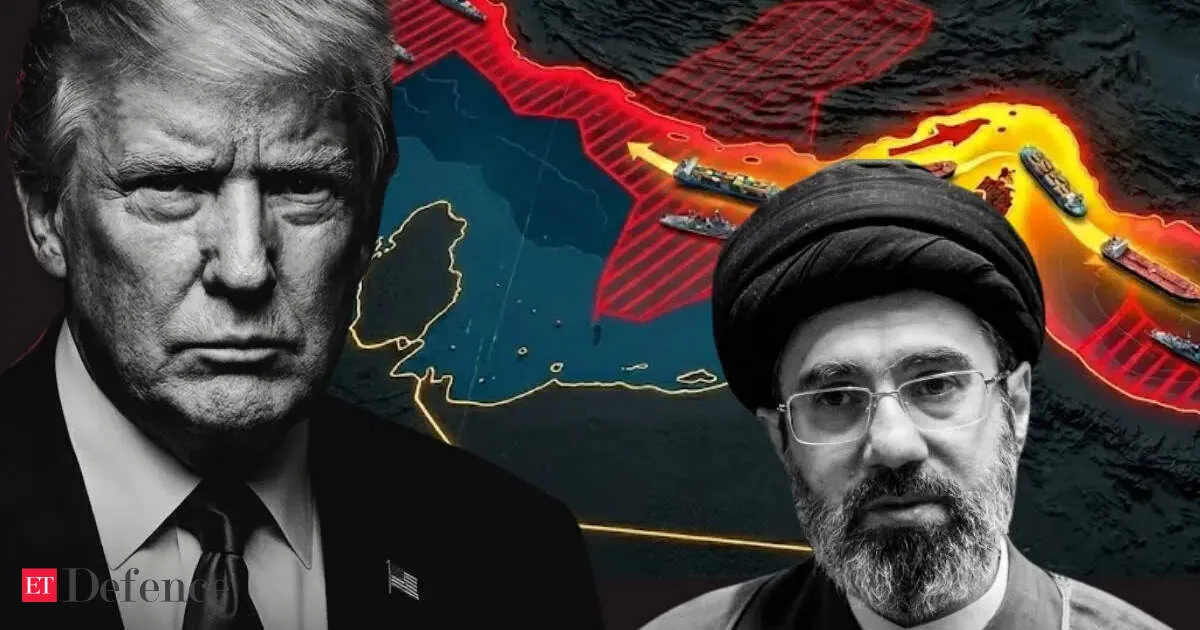
President Donald Trump confirmed that three US destroyers transited the Strait of Hormuz even after an exchange of fire with Iranian forces. The US Navy reportedly opened fire after an incident involving an Iranian oil tanker, while Iran’s IRGC claimed it targeted the American vessels. Trump said Iranian boats were destroyed and missiles intercepted.
Snap reported weaker ad revenue in the first quarter, blaming ongoing Middle East tensions and slower growth in North America. The company also ended its partnership with AI provider Perplexity. Despite the financial pressure, Snap highlighted a bright spot: daily active users rose, suggesting engagement is holding even as advertisers tighten spending.
Never miss a story
Set alerts for the topics and sources you care about. Download Beige for free.
Iran has denied carrying out missile or drone attacks on the UAE, even as the US promotes its maritime security push in the Strait of Hormuz under “Operation Freedom.” With analysts warning of escalating Gulf tensions, shipping disruption, and potential oil-market fallout, the explainer unpacks competing claims, naval activity, and the role of “Project Freedom” in the unfolding crisis.
India’s retail car sales hit an all-time high in April, with passenger vehicles rising sharply as rate cuts, easier financing, and strong rural demand boosted buying. But dealers and industry watchers are bracing for a tougher road ahead, warning that Middle East tensions and rising fuel prices could cool demand in the coming months and pressure inventory management.
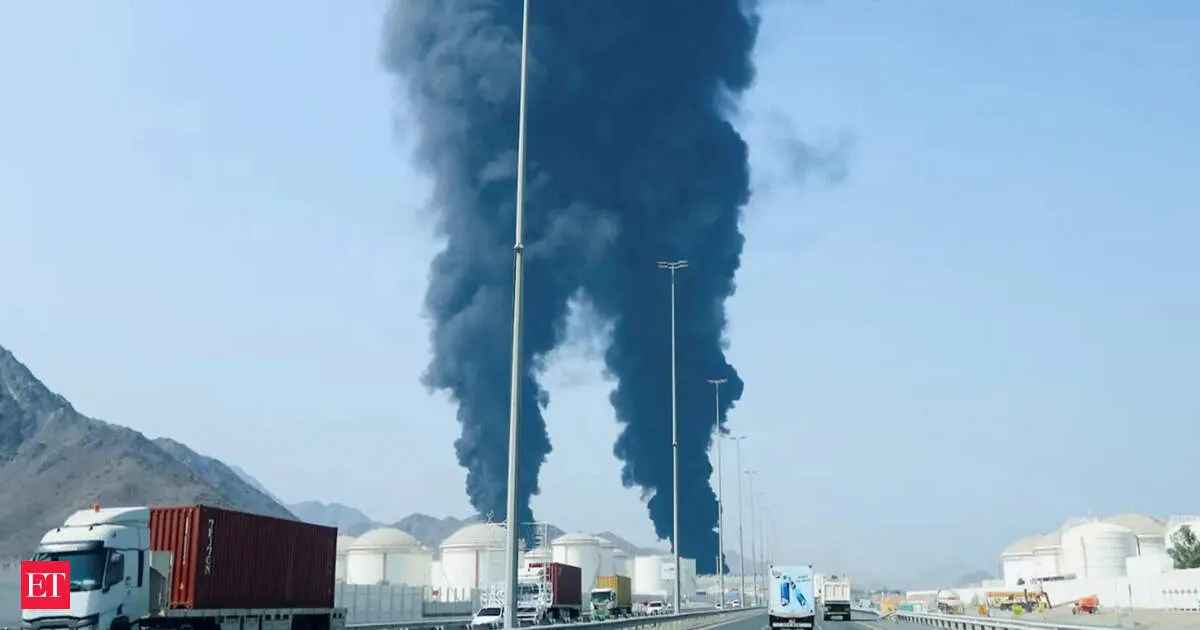
Iran has denied any role in a drone strike on UAE oil facilities, blaming instead what it calls US “military adventurism.” Iran says its navy fired warning shots at US warships in the Strait of Hormuz, while the US claims it destroyed Iranian military boats. The exchange raises fears of escalation during a fragile Middle East war ceasefire.
With tensions rising in the Middle East, the US is reportedly weighing whether to position its Dark Eagle hypersonic missile in the region. The move follows Iranian claims about a revolutionary “mystery weapon” that could reshape military balance. Analysts say both sides are using deterrence messaging as the situation around key waterways stays volatile.
Reading on mobile?
Open Beige in the app for a smoother experience — free on iOS and Android.
Even as Middle East tensions simmer and Nifty50 slips, India’s smallcap stocks have surged as much as 56% over two months. Institutional desks flag stretched valuations and potential earnings risks, but domestic retail investors seem to be pricing in a fast resolution, creating a sharp divergence from the broader market mood.
Iran’s Army rejects the idea that fighting has ended, insisting the West Asian conflict remains a war even after a US ceasefire. In comments by spokesman Amir Akraminia, Tehran claims full operational control of the Strait of Hormuz and says its forces are ready to anticipate and repel ground invasions while targeting hostile aircraft, projecting confidence of victory.
Oil prices are rising while gold falls as Middle East tensions disrupt shipping and limit flows through the Strait of Hormuz. Gold is slipping as investors focus on upcoming central bank guidance, inflation signals, and economic data. With global stocks edging up, traders now look to inflation, interest rates, earnings, and diplomacy to predict whether Brent and WTI keep climbing or swing wildly.
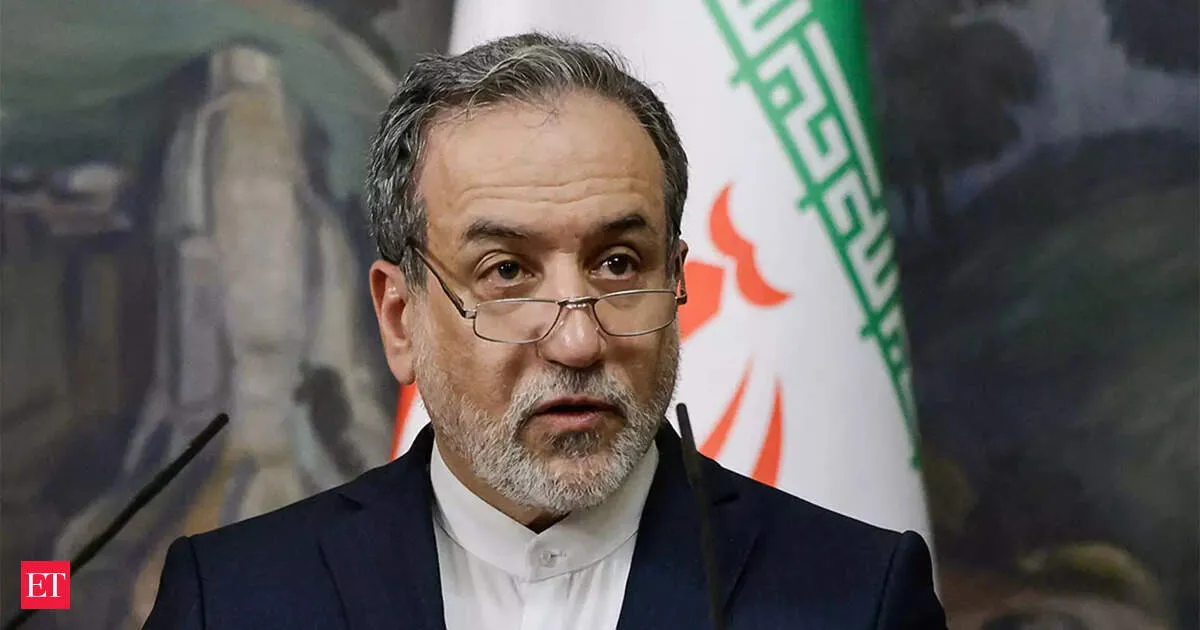
Iran’s Foreign Minister Abbas Araghchi is set to travel to Pakistan for talks focused on regional developments and a possible ceasefire. Pakistan is acting as mediator between Iran and the United States ahead of renewed negotiations, as the conflict disrupts energy shipments via the Strait of Hormuz. The US has extended an oil transport waiver, influencing global prices.
Follow your favourite sources
Track sources, tags and categories — all in the Beige app.
UK inflation climbed to 3.3% in March from 3.0% in February, driven by higher fuel prices linked to intensifying Middle East tensions. The reading came in slightly above expectations, raising concern about additional inflation pressure ahead. Even so, the Bank of England is widely expected to keep interest rates steady in the near term.
Oil prices surged as tensions in the Middle East intensified, with Iran releasing footage of commandos boarding a cargo ship in the Strait of Hormuz. Reports of forces engaging hostile targets added to fears of renewed conflict. Analysts warn that a breakdown in U.S.-Iran talks could push prices to fresh yearly highs, tightening global inventories.
Swipe through stories, personalise your feed, and save articles for later — all on the app.