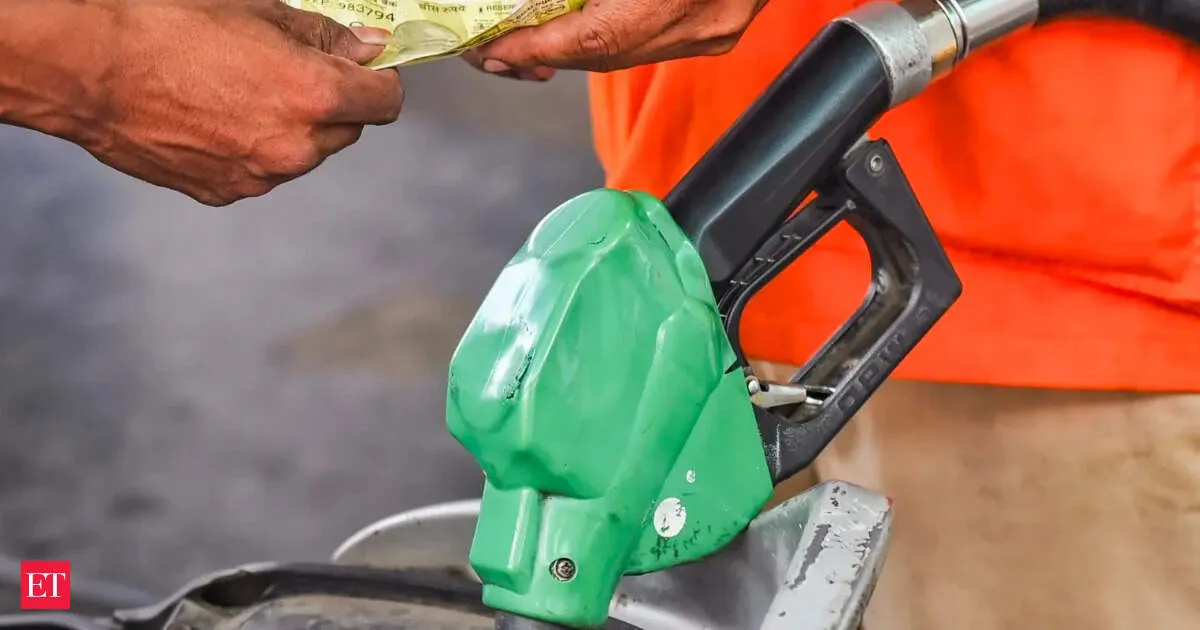
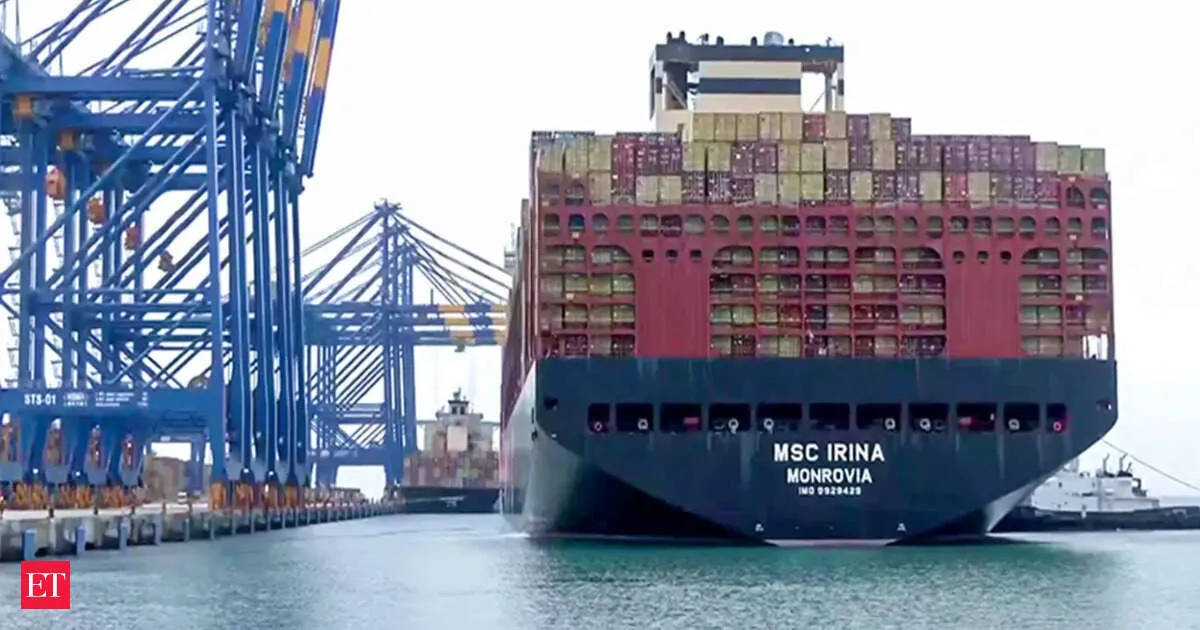
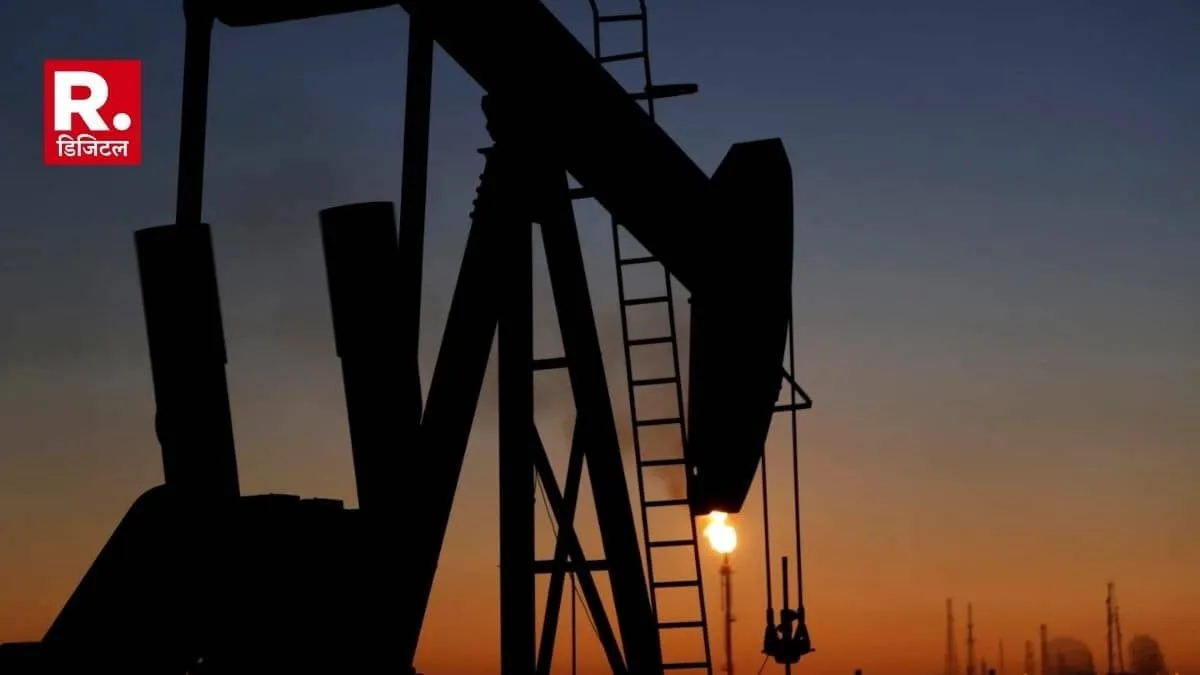
With Brent crude climbing to around $100 a barrel from $73 since the Middle East unrest began on February 28, India’s core sectors face fresh cost pressure. New Supply and Use Tables from the statistics ministry show petroleum products embedded in intermediate inputs across industries. Iron ore is the biggest standout, with petroleum accounting for 56.7% of intermediate consumption in 2023-24, followed by mining at 56% and land transport at 54.7%, putting multiple supply chains at risk.
U.S. stock futures tracking the Nasdaq and S&P 500 dropped more than 1% as Treasury yields jumped amid rising inflation worries tied to the Middle East conflict. The 10-year Treasury yield hit 4.54%, the highest since early June 2025, while bond markets priced in faster rate hikes and weaker growth. Even after Wall Street’s AI-fueled record closes, Brent crude climbed almost 3% to about $109 as the Strait of Hormuz remained closed, pressuring oil-heavy sectors like airlines.
Your news, in seconds
Get the Beige app — every story in 60 words, updated hourly. Free on iOS & Android.
India’s merchandise trade deficit widened to $28.38 billion in April, beating Reuters’ $26.5 billion forecast, as imports surged and energy costs rose amid conflict in the Middle East. Exports rose to $43.56 billion, but imports climbed to $71.94 billion from $59.59 billion. Services trade offered partial support, lifting estimated overall exports of goods and services to $80.80 billion. The rupee took pressure and policymakers intervened, while Modi urged fuel conservation and curbs on non-essential imports and travel.
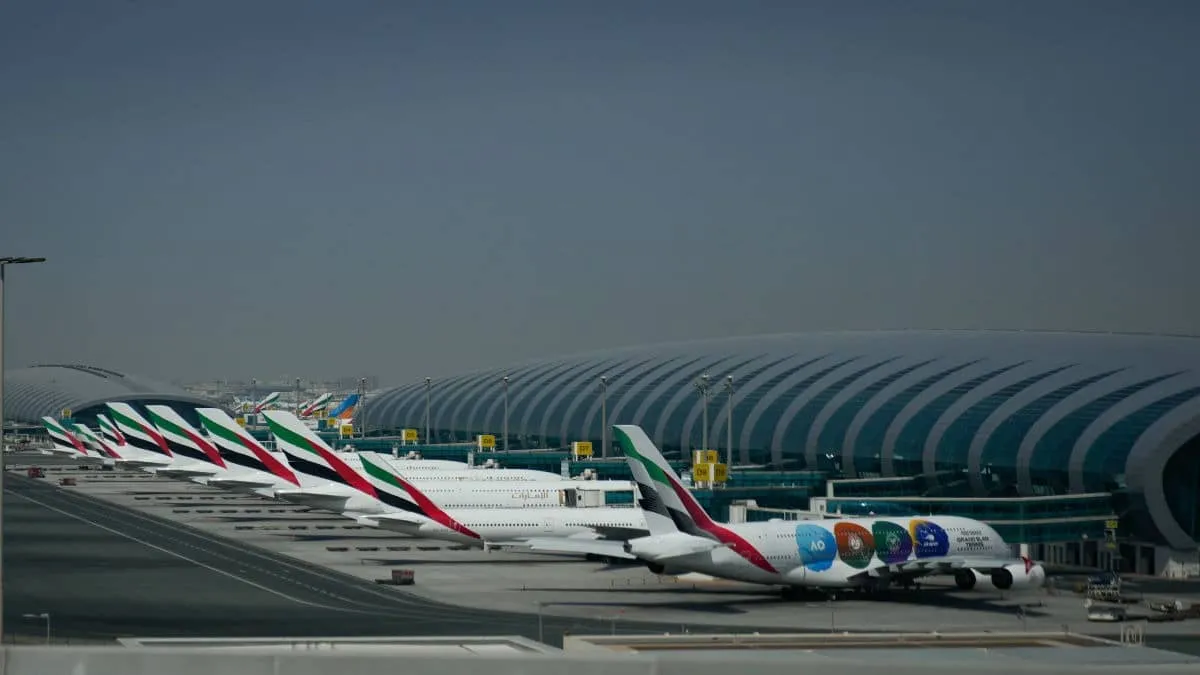
Air India is facing a potential record $2.12 billion loss as the Iran war and Pakistan’s airspace ban force thousands of flight cuts. In the scramble for seats, Lufthansa Group and Cathay Pacific are expanding capacity, aiming to capitalize on strong Indian travel demand. Their moves could lift foreign carriers’ share to 58.4%, intensifying pressure on Air India’s international network.
Haldia Petrochemicals (HPL) is sourcing naphtha from Oman after a supply shortfall from Kuwait and Qatar tied to the Middle East conflict. Shipping data and an industry source indicate HPL is rerouting imports to keep production steady, with Oman loading ports positioned just outside the conflict zone and better suited to current logistics disruptions.
Dubai’s key ADNOC Gas processing complex is set to return to full capacity only by 2027, pushed back by attacks and wider Middle East instability. The operator reported a 15% income drop amid regional disruption and market pressures. Economists warn that a Strait of Hormuz blockade could rack up additional losses, delaying full restoration further.
Never miss a story
Set alerts for the topics and sources you care about. Download Beige for free.
London Heathrow said passenger numbers fell in April after the Middle East conflict disrupted global air travel. The airport, Europe’s busiest, pointed to the ongoing impact on certain markets and short-term changes to travelers’ plans. The drop highlights how quickly regional conflict can ripple into international aviation demand and schedules.
The West Asia conflict is denting demand for entry-level motorcycles in India, with Bajaj Auto expecting growth to fall sharply from over 20% to about 7-9%. At the same time, electric scooters are accelerating as fuel prices and rising commodity costs push consumers toward EVs. Bajaj Auto’s Chetak sales are surging, signaling a tougher road ahead for petrol bikes.
A new S&P assessment says India’s economy is taking a hit as Middle East conflict ripples into energy prices and supply. Higher fuel costs are straining public and private finances, while rising bond yields, stubborn inflation, and a weakening rupee weigh on growth prospects. Analysts urge faster reforms and stronger energy and food security through self-sufficiency and diversification.
Reliance Industries is ramping LPG output by more than 100% after Middle East conflict disrupted key import routes, worsening India’s fuel shortage. The shift is reshaping refinery operations at Jamnagar, where the alkylation plant is running at minimal capacity and exports may take a hit. While tighter global markets could lift margins, investors watch for earnings pressure and risks from ongoing instability.
Reading on mobile?
Open Beige in the app for a smoother experience — free on iOS and Android.
Pakistan’s economy is under fresh pressure as conflict in the Middle East drives oil prices higher, feeding double-digit inflation and straining public and private finances. Analysts warn growth could slow sharply, while the already weak stock market underlines investor stress. With imports a key risk, Pakistan’s current account deficit could widen and foreign reserves may be depleted faster than expected.
UN climate chief Simon Stiell says the war in West Asia is triggering an oil price shock that is squeezing the global economy and accelerating the transition to renewable energy. Speaking at an IEA energy transition meeting in Paris, Stiell described a “fossil fuel cost crisis” that has effectively tightened its grip, giving renewables an unexpected boost.
AWL Agri Business says its input costs have jumped 20% as the Middle East conflict disrupts fuel, chemicals, and packaging supplies. The company is updating prices to offset the spike, following similar moves by other FMCG players. It is also pushing wider distribution and boosting online sales to protect volume growth despite higher costs.
The U.S. dollar rose after hopes of progress in U.S.-Iran talks faded, leaving markets focused on geopolitical risk. The Japanese yen was pinned near 160 ahead of the Bank of Japan’s policy decision. Oil prices climbed as the Strait of Hormuz stayed effectively closed, and traders turned to upcoming central bank meetings for clues on economic damage and interest-rate paths.
Follow your favourite sources
Track sources, tags and categories — all in the Beige app.
The dollar edged higher as markets awaited the Federal Reserve’s rate decision and digested spillover risks from the ongoing Middle East conflict. Trading stayed subdued in thin Asian hours, keeping most currencies in narrow bands. The yen lingered around 160 per dollar, with traders alert to potential Japanese intervention even as the Bank of Japan signaled a tougher stance.
Israel launched fresh strikes in Lebanon’s Khiam and Yohmor al-Shaqif even after a ceasefire extension was announced. The renewed attacks come following exchanges between Israeli forces and Hezbollah fighters, with Israeli airstrikes in southern Lebanon reported to have killed at least six people. Hezbollah retaliated by targeting an Israeli armoured personnel carrier, raising fears of further escalation.
Euro area business activity fell as the services sector weakened, with analysts pointing to spillovers from the Middle East conflict. At the same time, US retail sales rose, suggesting consumers in the US are still spending despite global pressures. The contrast highlights how regional shocks are hitting demand unevenly across major economies.
The US Federal Reserve is widely expected to hold interest rates steady next week, even as inflation pressures remain. Economists cite persistent energy prices and ongoing uncertainty from the Middle East conflict, which has disrupted supply chains. While oil and gasoline may have peaked, high costs continue to hit both consumers and businesses, shaping the Fed’s cautious outlook.
Stay informed on the go
Bite-sized news from 100+ trusted sources, right in your pocket.
Diet Coke is getting harder to find in India as summer demand collides with a global aluminium shortage. Producers rely on aluminium cans, but rising demand and disruptions linked to Middle East conflict are tightening supplies. With e-commerce stocks also wavering, the drink has turned into a Gen Z-style “missing product” moment, sparking questions about what happens when can supply falters.
India’s benchmark 10-year bond yield is expected to record its largest quarterly rise in four years. Escalating oil prices linked to the Middle East conflict are fanning inflation worries, which could pressure government borrowing costs. Banks may also see margins under strain as markets prepare for a tougher new fiscal year with higher yield expectations.
Swipe through stories, personalise your feed, and save articles for later — all on the app.