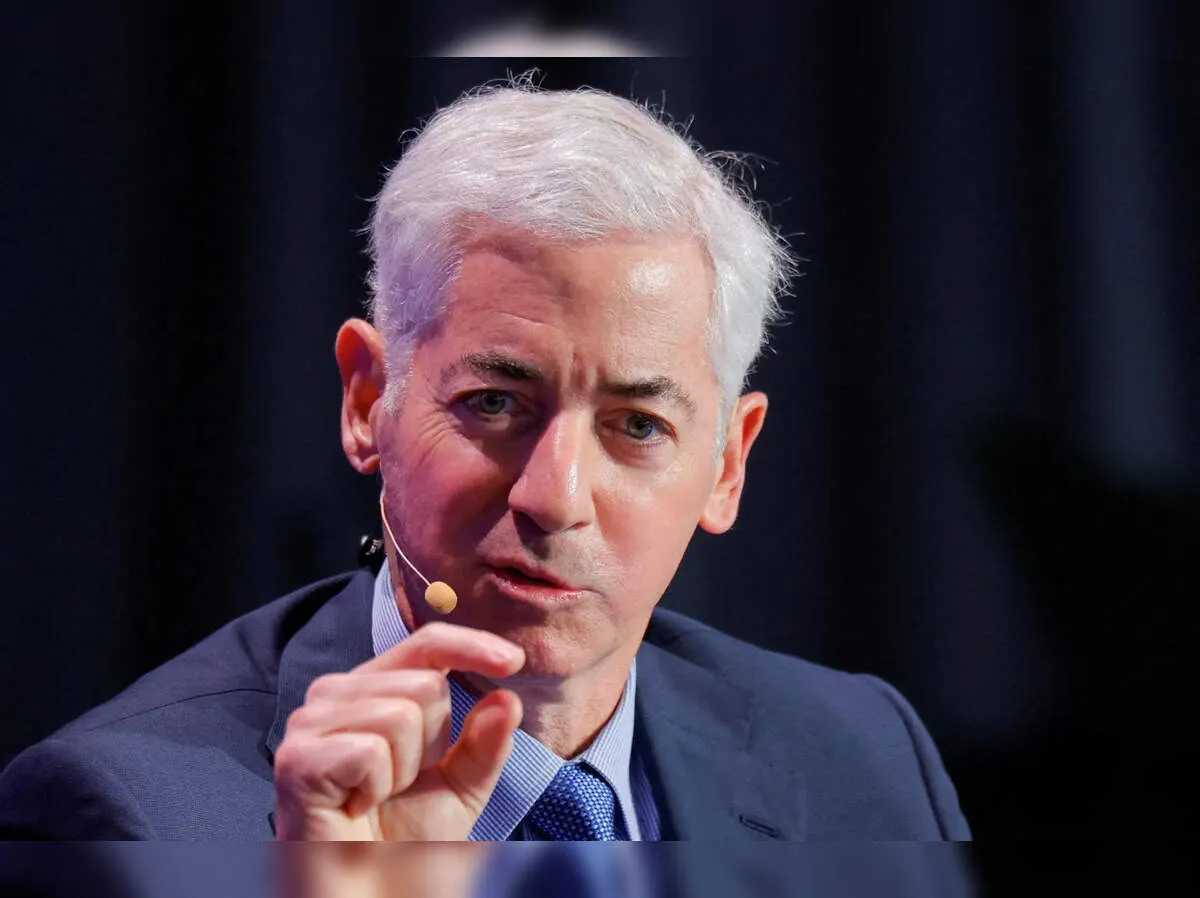
Bill Ackman’s Pershing Square says it is disclosing a new position in Microsoft, arguing the company is priced far below what its enterprise franchises can deliver. Ackman points to Azure cloud and the Microsoft 365 productivity suite, including the $30-a-month Copilot AI assistant. Pershing built the stake from February after disappointment in December-quarter results triggered a 15% stock slide, citing slower cloud growth and heavy capital spending.
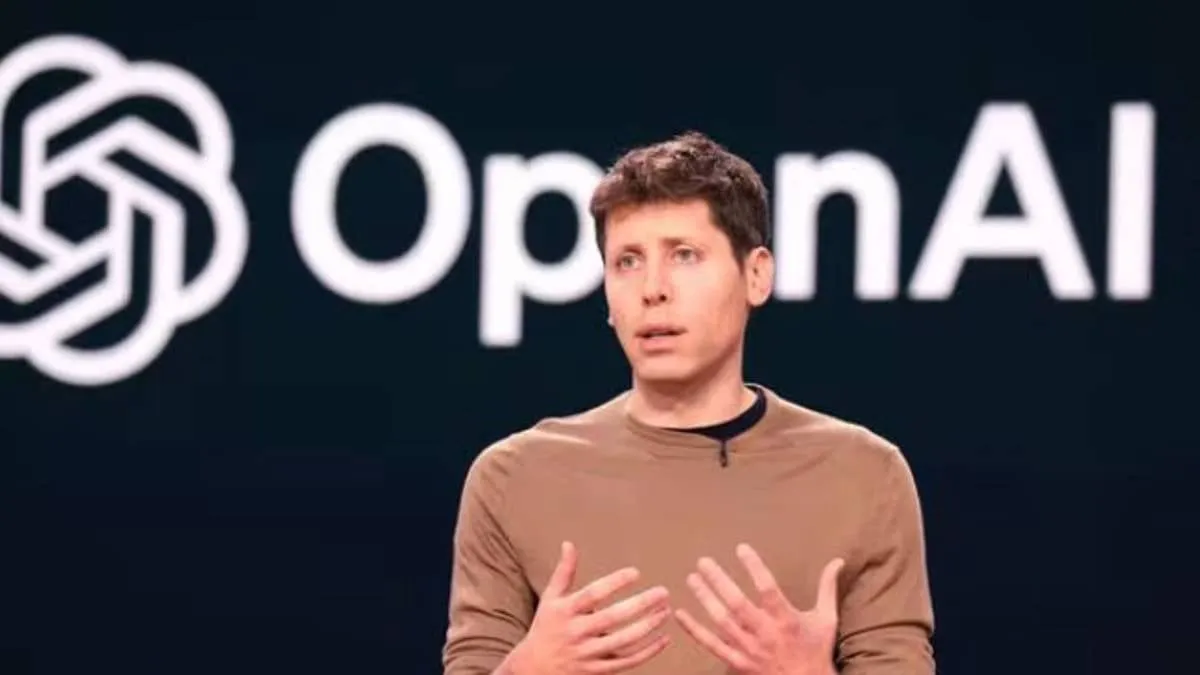
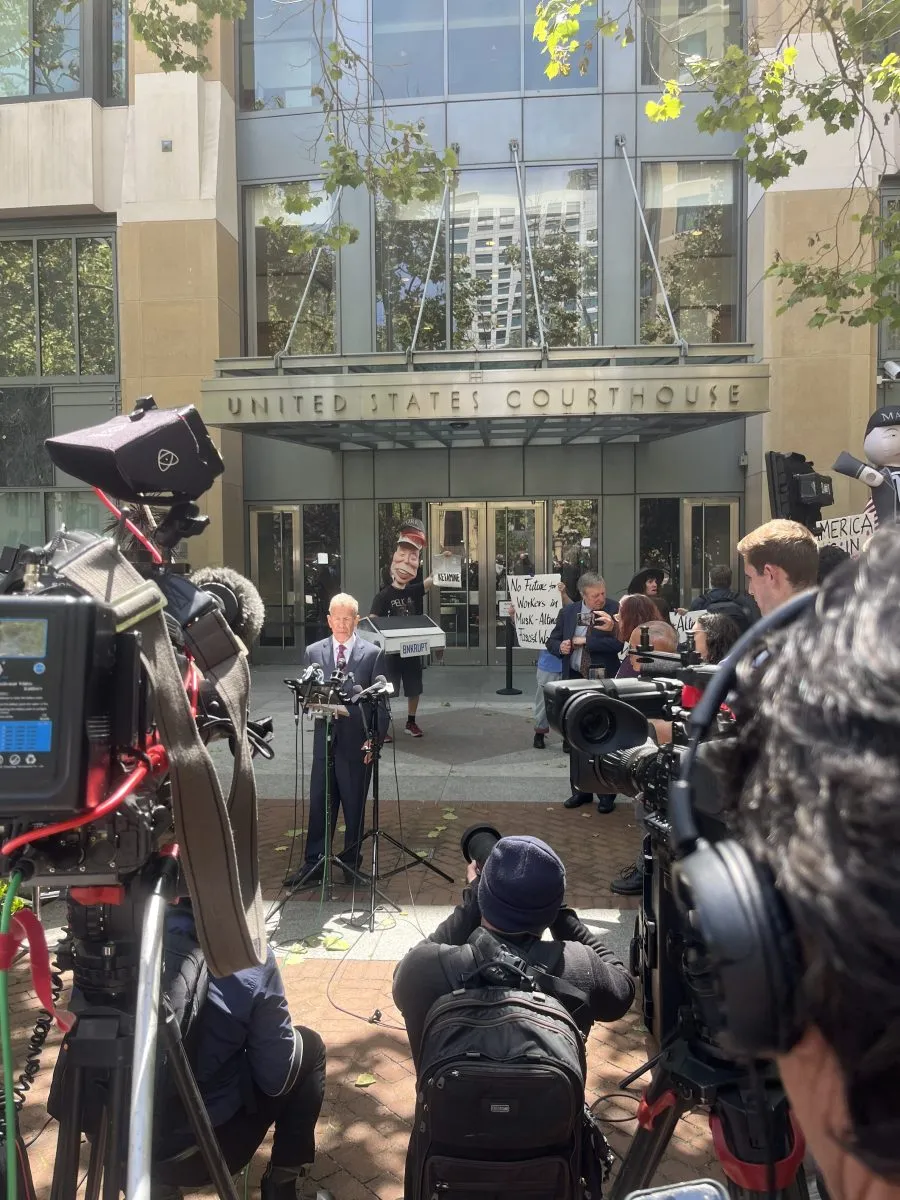
In closing arguments near the end of an Oakland federal trial, Elon Musk’s lawyers attacked OpenAI CEO Sam Altman’s credibility, arguing he misled investors and jurors in a dispute over whether OpenAI turned its nonprofit mission into an insiders’ profit engine. Musk claims he was manipulated into donating $38 million and wants about $150 billion in damages, alongside removal of Altman and Greg Brockman. OpenAI counters that Musk sought control and sued too late, blaming “selective amnesia.”
Your news, in seconds
Get the Beige app — every story in 60 words, updated hourly. Free on iOS & Android.
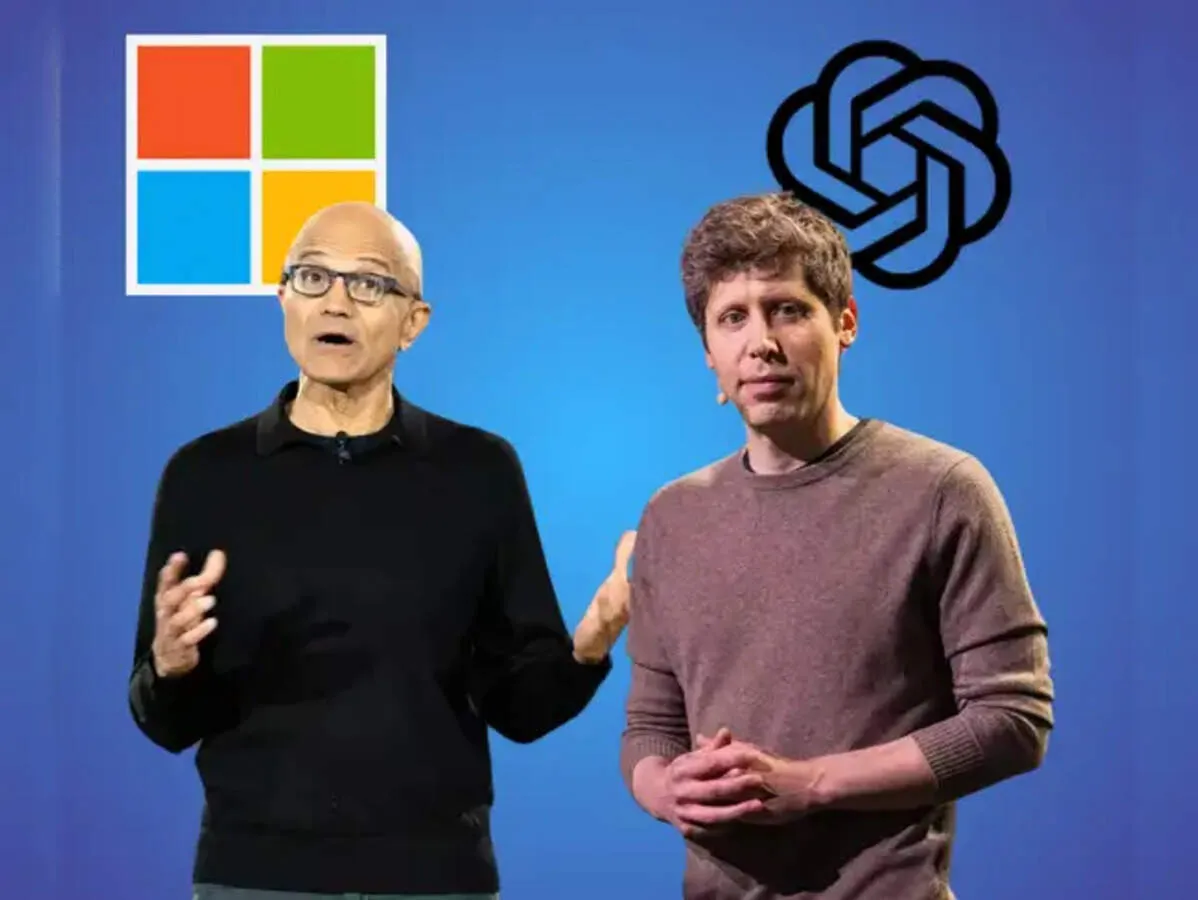
Nine California jurors are deliberating in Elon Musk’s case against OpenAI’s founders and Microsoft, but the courtroom fight boils down to a few specific legal questions. Jurors must weigh whether OpenAI breached a charitable trust tied to Musk’s donations, whether executives were unjustly enriched via OpenAI’s for-profit arm, and whether Microsoft knowingly aided any breach. OpenAI counters with statute of limitations, unreasonable delay, and “unclean hands,” while both sides prepare hearings on what a plaintiffs’ win could mean for OpenAI’s structure.
Britain’s Competition and Markets Authority has opened an antitrust investigation into Microsoft’s dominance in business software, using its “strategic market status” powers. The probe will assess whether bundling Windows, Word, Excel, Teams, Copilot and other products is uncompetitive, and it will also scrutinize AI integration and cloud market practices, including licensing. The review does not assume wrongdoing, but could trigger targeted remedies. It is set to conclude by February.
Britain’s Competition and Markets Authority has opened an antitrust investigation into Microsoft’s dominance in business software. The probe will examine whether bundling products such as Windows, Word, Excel, Teams, Copilot and others weakens competition. If regulators determine Microsoft holds “strategic market status,” targeted enforcement action could follow.
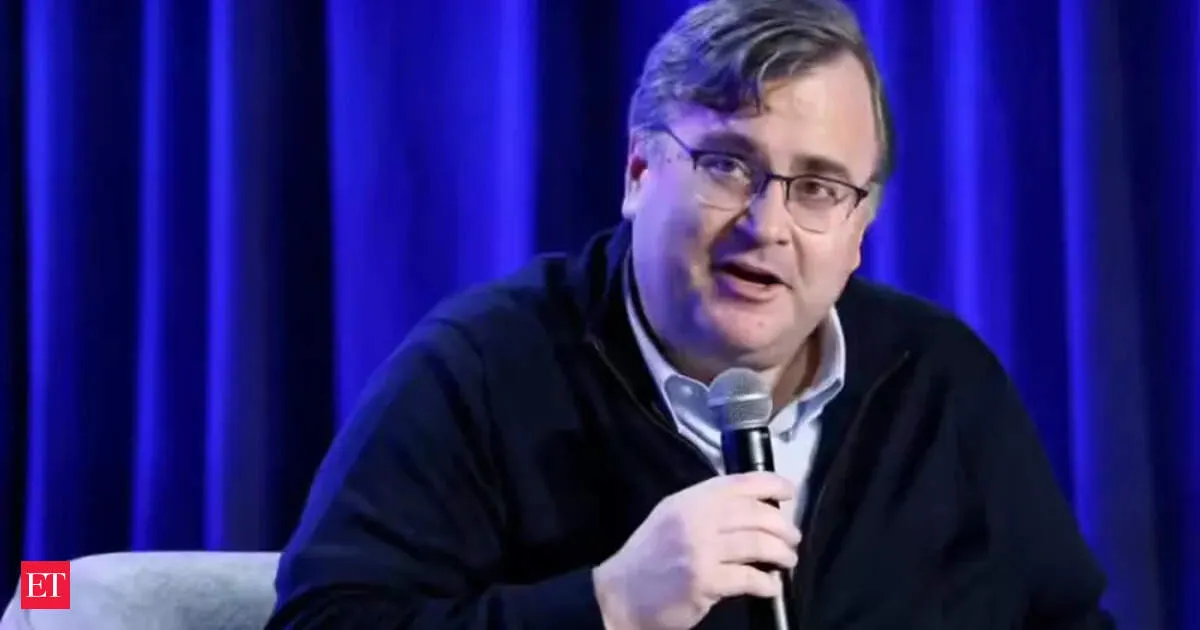
LinkedIn, owned by Microsoft, announced layoffs across engineering, marketing and other teams, prompting a debate about whether AI is behind job losses. Co founder Reid Hoffman urged people to avoid assuming all tech cuts are AI driven, pointing instead to pandemic era overhiring as a major, often overlooked cause. The company says it will pursue stronger profitability by prioritizing key work and infrastructure investment.
Never miss a story
Set alerts for the topics and sources you care about. Download Beige for free.
Microsoft researchers warn that “delegated work” with frontier LLMs can quietly degrade documents across long, iterative workflows. Using the DELEGATE-52 benchmark across 52 domains, they found top models corrupt about 25% of document content after 20 rounds. Worse, agentic tools and realistic distractor files increase errors, often via rare but massive distortions humans can miss.
Microsoft is reportedly hunting for AI startups it could acquire, aiming to strengthen its talent pool and build an advanced AI model independently. The company’s discussions are said to include Inception, a startup focused on developing novel large language model approaches. The strategy signals a shift toward owning more of the next wave of AI progress.
LinkedIn, the Microsoft owned professional network, is expected to announce layoffs on Wednesday affecting roughly 5% of its workforce. The job cuts are tied to a company reorganization that shifts employees toward growing business areas. LinkedIn’s revenue rose 12% in the last quarter, and the company says the layoffs are not driven by AI replacing jobs.
Satya Nadella testified in Elon Musk’s lawsuit in California, defending Microsoft’s $13 billion OpenAI partnership. Nadella said Musk never personally contacted him to oppose Microsoft’s investment. He also criticized OpenAI’s board over Sam Altman’s ouster, arguing the relationship was driven as a commercial deal, not charity—turning the focus back on Microsoft’s role.
Reading on mobile?
Open Beige in the app for a smoother experience — free on iOS and Android.
OpenAI has reportedly capped its revenue-sharing payments to Microsoft at $38 billion, according to The Information. The move suggests the partnership’s financial upside for Microsoft is now limited, even if OpenAI’s earnings keep rising. The report does not detail the trigger or whether additional terms adjust future economics beyond the cap.
US officials removed details from a government website about an agreement with Microsoft, Google, and xAI. The arrangement reportedly let government scientists test new AI models for security flaws before they were released publicly. The deletion comes as national security concerns over advanced AI intensify, but officials have not clarified why the information was taken down.
Microsoft CEO Satya Nadella is set to testify Monday in Elon Musk’s lawsuit against OpenAI. The case hinges on newly disclosed Microsoft emails from January 2018, which Musk argues track how funding coincided with OpenAI’s move from a philanthropic model to a for-profit AI power. Nadella is expected to argue Microsoft only supported the shift once profitability became plausible.
Microsoft’s planned data center in Kenya is reportedly facing delays after disagreements with the government over guaranteed payment terms. The project, backed by a partnership with G42 for a $1 billion investment, still needs further structuring due to the facility’s scale and additional discussions on power requirements. Talks are ongoing, but timelines remain unclear.
Follow your favourite sources
Track sources, tags and categories — all in the Beige app.
Microsoft has launched its first-ever voluntary retirement programme for eligible US employees, potentially affecting about 8,750 people as the company restructures. Staff meeting an age plus service threshold can opt to leave, with expanded healthcare support, severance tied to tenure, and accelerated vesting. The move comes alongside changes to performance and compensation reviews.
Microsoft’s latest report says generative AI is now used by 17.8% of the world’s working-age population, but the adoption gap keeps growing. In Q1 2026, 27.5% of people aged 15–64 in developed countries used generative AI, versus 15.4% in the developing world. The divide widened by 1.5 percentage points from late 2025.
Adtech unicorn InMobi has acquired San Francisco-based app marketing and analytics platform MobileAction, though it did not reveal deal value. The acquisition aims to boost InMobi’s iOS user acquisition via organic growth and AI-powered optimisation. MobileAction will continue operating independently, with its US, Europe and Turkey teams joining InMobi. InMobi also plans product and go-to-market investment across US, APAC and MENA.
Newly revealed texts paint a picture of turmoil inside OpenAI right after Sam Altman was fired. Mira Murati warned Altman that the board was immovable even if employees walked out. Microsoft CEO Satya Nadella stepped in, while Altman discussed an acquisition. In the end, the board’s position collapsed and Altman returned quickly.
Stay informed on the go
Bite-sized news from 100+ trusted sources, right in your pocket.
Microsoft’s rapid push to expand data centers for AI workloads is raising concerns about whether it can meet its clean power targets. As new sites require large, immediate electricity volumes, the company may face delays or tradeoffs in scaling renewable procurement and grid partnerships—putting a cornerstone sustainability goal under pressure.
Microsoft is reportedly weighing changes to its 2030 renewable energy goal as AI-driven data center expansion boosts electricity demand. Bloomberg says the company may delay or abandon parts of its climate commitments because securing the power needed for new infrastructure is proving difficult. Discussions are ongoing, highlighting how the AI boom is reshaping corporate energy plans.
Swipe through stories, personalise your feed, and save articles for later — all on the app.