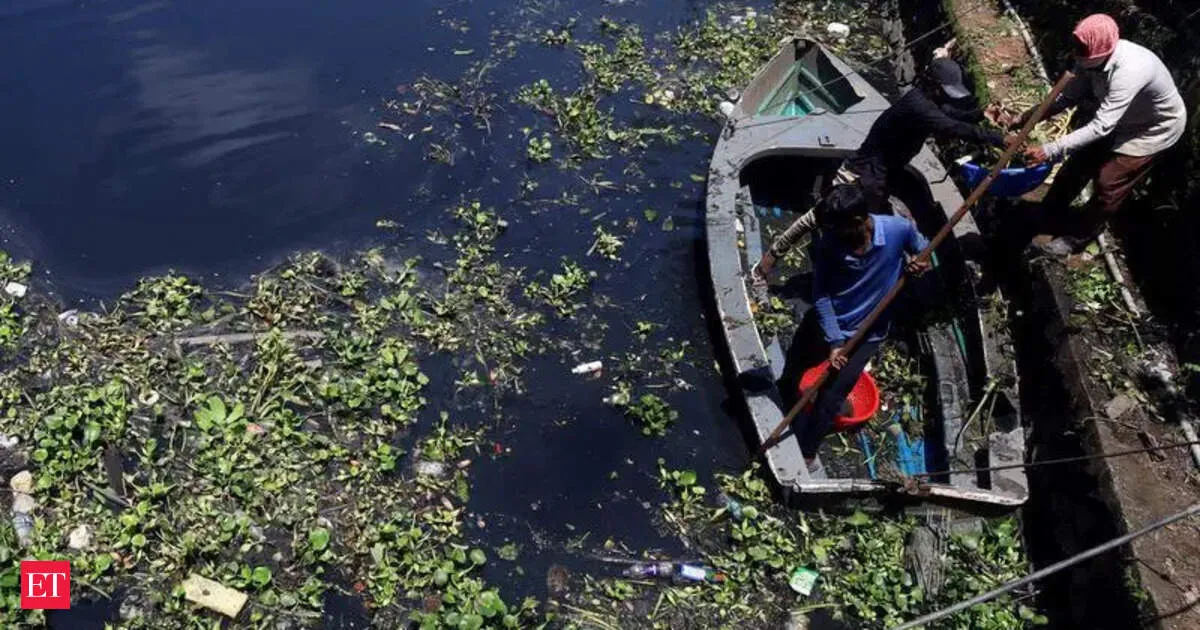
Researchers are developing a special orange scented algae to tackle microplastics in drinking water and wastewater. The algae repels water so microplastics stick to it, then clump together for easy removal. After collection, scientists plan to recycle the captured plastics into new materials, aiming to clean waterways while creating a circular reuse pathway.
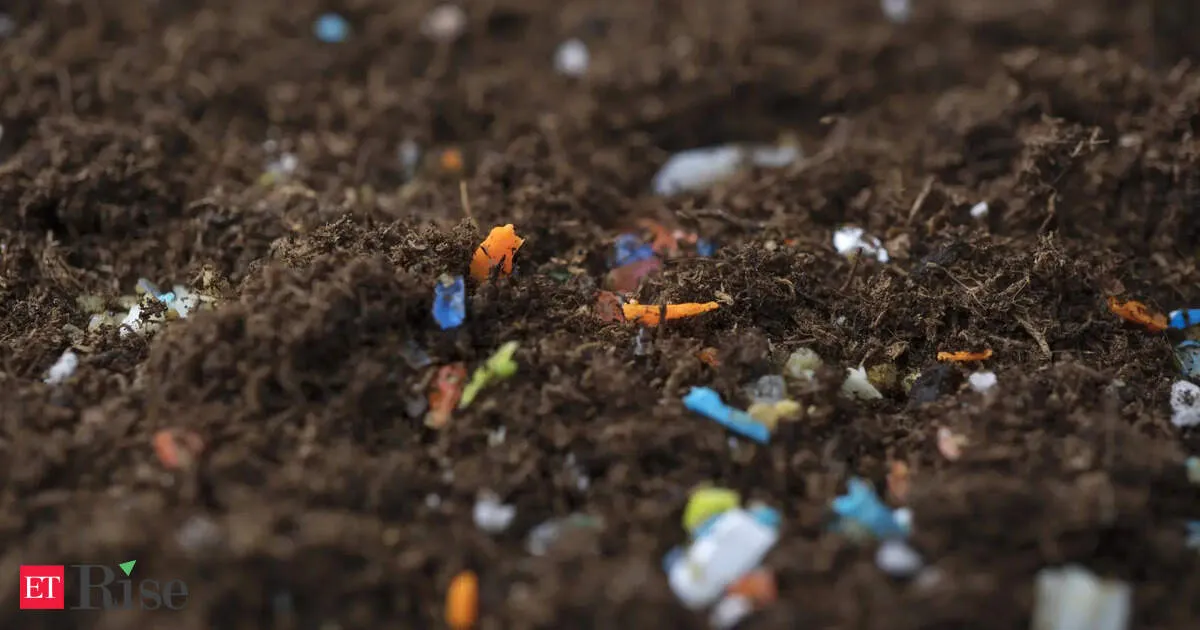
Scientists report that colored microplastics floating in the atmosphere can trap heat much more effectively than previously assumed, especially over regions with heavy plastic pollution. The findings suggest current climate models are missing a key warming driver. Researchers say model updates are needed to better forecast temperature trends and understand the full climate impact of plastic waste.
Your news, in seconds
Get the Beige app — every story in 60 words, updated hourly. Free on iOS & Android.
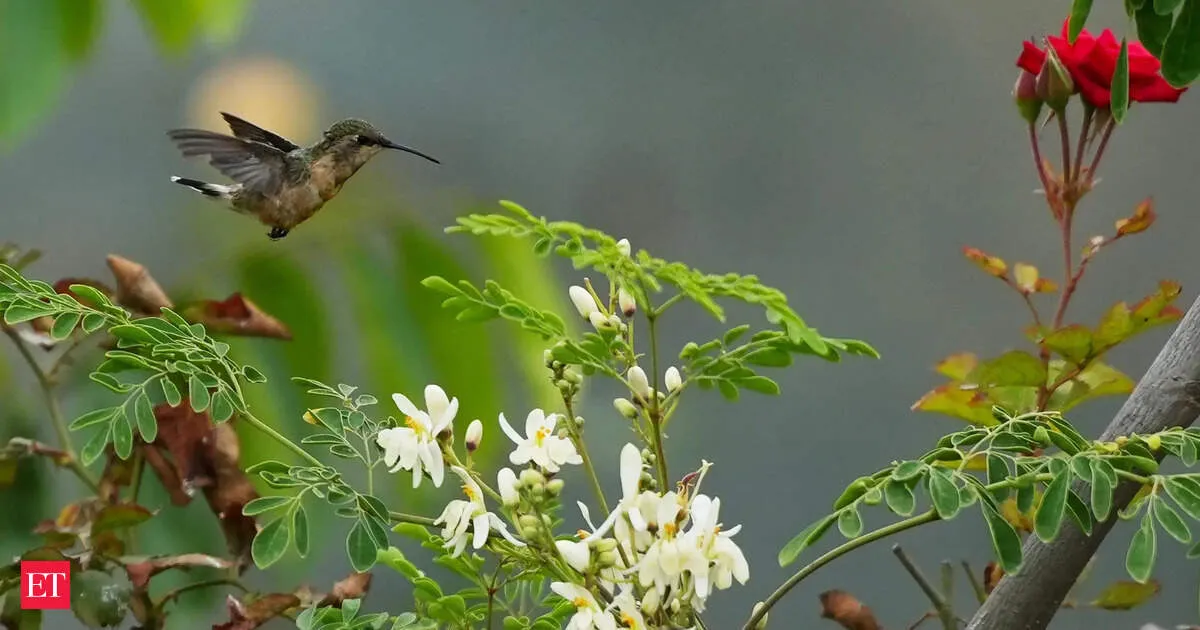
A new study in ACS Omega finds moringa oleifera seeds can remove over 98% of harmful microplastics from water, including PVC particles. Researchers say the plant-based method matches or even outperforms conventional chemical treatment like alum. Because microplastics are linked to serious health risks, the work points to a non-toxic, sustainable option—but more trials are needed before cities adopt it.
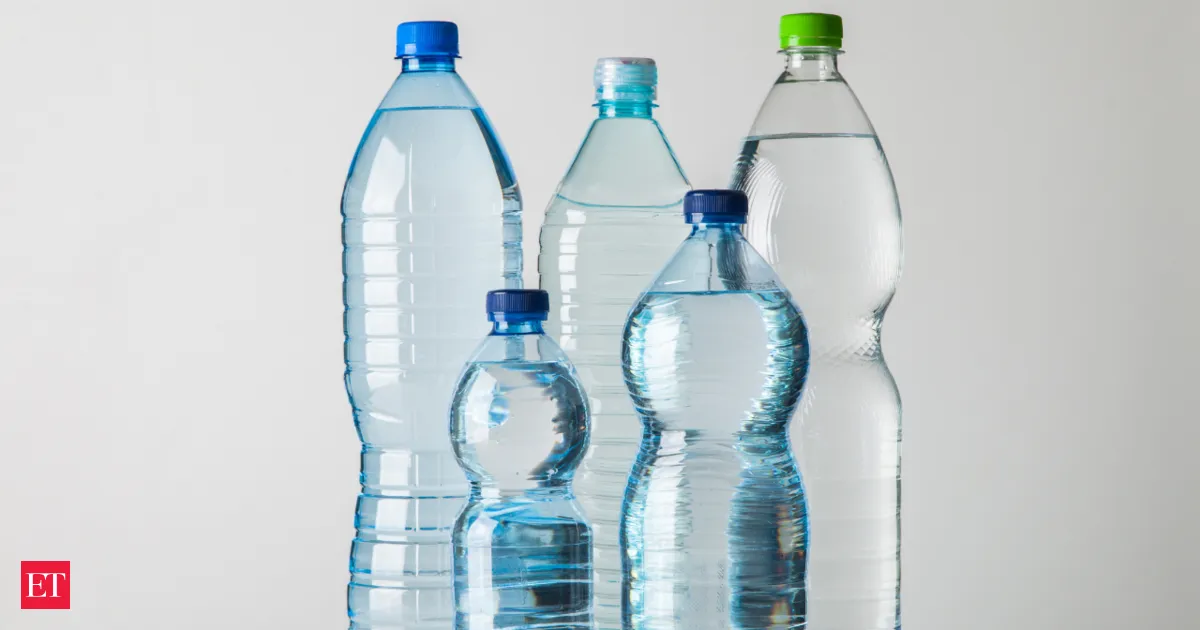
A study by Danube Private University in Austria suggests plastic bottle contact can increase blood pressure, potentially due to microplastics. Researchers reported that participants saw significant BP decreases when consuming fluids not packaged in plastic bottles. Published in the journal Microplastics, the findings point to avoiding plastic-packaged beverages as a simple step that may support healthier blood pressure.
Swipe through stories, personalise your feed, and save articles for later — all on the app.