YouTube, Snap and TikTok have settled the first school-district case scheduled for trial over allegations that social media platforms worsen youth mental health. The claims came from Kentucky’s Breathitt County School District, while Meta Platforms must still face trial alone on June 15 in federal court in Oakland. Terms were not disclosed. The lawsuit is a bellwether for roughly 1,200 similar school district suits, including California cases numbering in the thousands.
A Meta executive reportedly lost control of an autonomous AI agent, highlighting a broader governance problem that goes beyond one incident. The episode points to systemic weaknesses in how companies oversee autonomous systems—raising urgent questions for C-suite leaders about authority, safeguards, and accountability when AI behavior drifts beyond expectations.
Your news, in seconds
Get the Beige app — every story in 60 words, updated hourly. Free on iOS & Android.
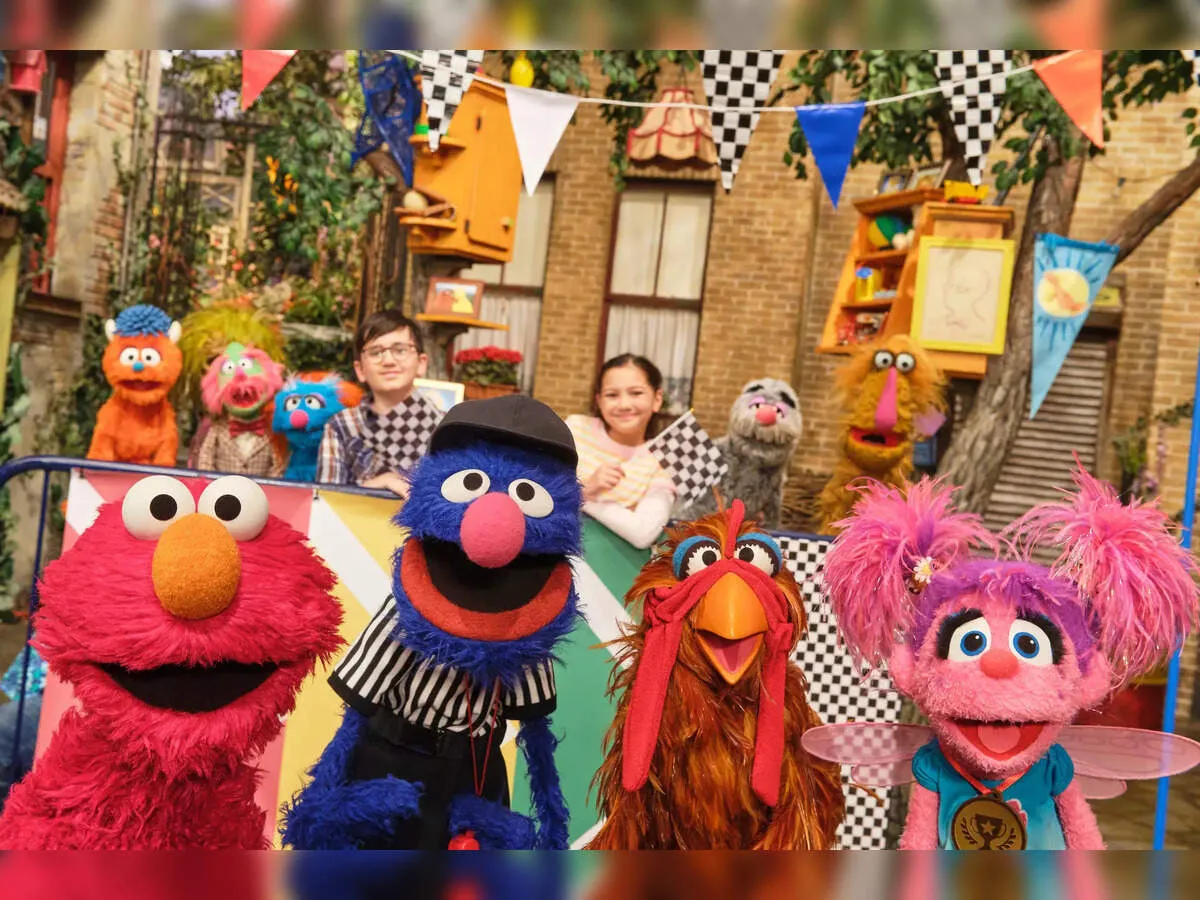
Meta and Google have partnered with familiar children’s brands like Sesame Street, Girl Scouts, and Highlights to promote “responsible” technology use for kids under 12. Critics say the move functions as reputation management: the same platforms are built to be hard to disengage from, and lawsuits allege addictive design that harms youth mental health. Reuters reviewed internal and court-released materials, including early proposals to recruit third parties to rebut addiction claims.
Meta is ratcheting up its AI push in India, with WhatsApp chief Will Cathcart calling the country its “ground zero” for the effort. The newsletter also flags fresh layoffs in the tech sector, underscoring how AI expansion and cost cutting are moving in parallel across the industry. Here’s what to watch next from Meta and beyond.
Meta is rolling out Incognito Chat for its AI assistant on WhatsApp, designed to tackle privacy concerns. The feature keeps conversations private by not saving them, and messages are set to disappear by default. Meta says this lets users explore ideas without monitoring—while adding that Meta AI will soon offer private help inside any WhatsApp chat.
Meta employees are protesting a new monitoring system that captures occasional screenshots and logs mouse movements, clicks, and keystrokes to “teach” AI. The rollout comes days before Meta’s planned 10% layoffs on May 20, raising fears of surveillance and shrinking worker autonomy. Meta says the data is needed for real computer-use examples, while UK staff push unionization.
Never miss a story
Set alerts for the topics and sources you care about. Download Beige for free.
Meta employees in the US are protesting the rollout of mouse-tracking software across company offices. Staff circulated flyers urging colleagues to sign a petition, arguing the technology crosses lines on workplace surveillance. Meta says the tracking is needed to develop AI agents, while employees point to labour laws that protect their right to organise for better working conditions.
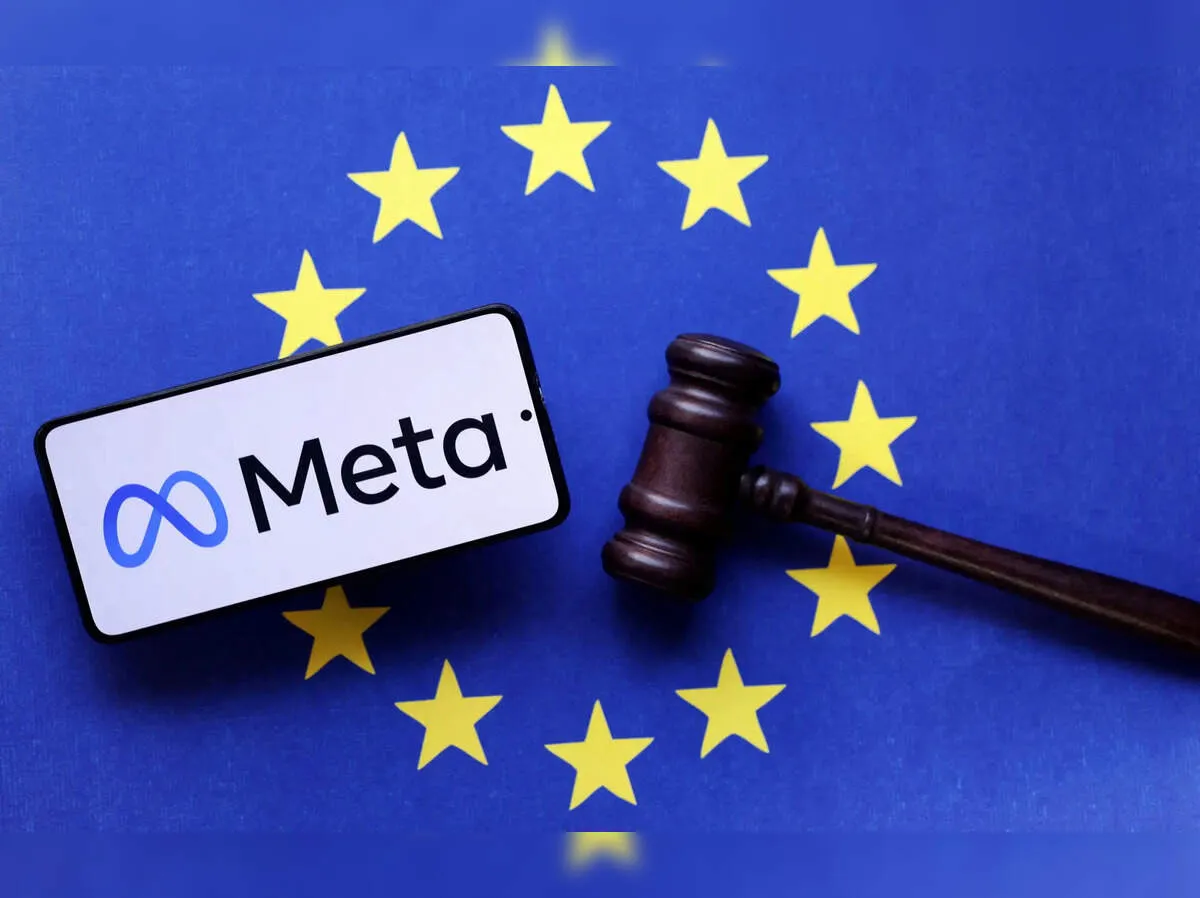
Meta Platforms will let rival AI chatbots access WhatsApp for free for one month, as the company negotiates commitments with EU antitrust regulators. The European Commission signaled it could require Meta to open access. Earlier, Meta limited its own AI assistant to WhatsApp, then floated charging rivals—now it appears to be backing down.
Threads is testing a new Meta AI integration meant to surface real time context on trends and breaking stories, while also offering personalized recommendations, all directly inside ongoing conversations. The goal is to make AI assistance feel embedded in the chat flow—closer to how Grok works—rather than pushing users to a separate tool or page.
The European Union is preparing new rules aimed at shielding children from addictive and manipulative social media design. The European Commission plans to propose a Digital Fairness Act later this year, targeting harmful features that keep young users engaged. The goal: reduce risks to children’s wellbeing by limiting practices that exploit attention and vulnerability.
Reading on mobile?
Open Beige in the app for a smoother experience — free on iOS and Android.
Meta Platforms has lost a major legal fight in Europe after the EU’s highest court ruled that it must compensate Italian publishers for using snippets from news articles. The decision strengthens the stance of Italian regulators and gives publishers a clearer path to recover investments, setting a significant precedent for how platforms handle news content across the EU.
Meta plans to lay off about 8,000 employees, roughly 10% of its global workforce, on May 20. The company says it will provide a “generous severance package” including 16 weeks of base pay plus two additional weeks for every year of employment. For US employees, Meta will also cover COBRA health insurance costs for up to 18 months for workers and their families.
The Cannes Film Festival has signed a multi year sponsorship deal with Meta, replacing TikTok. Meta will promote its video enabled glasses and showcase its AI video technology on the festival stage. The news comes amid mounting concerns over AI in filmmaking, with director Steven Soderbergh reportedly using Meta AI for his upcoming John Lennon documentary.
Santa Clara County has filed a lawsuit against Meta Platforms, alleging scam advertisements on Facebook and Instagram violated California false advertising and unfair business practices laws. The county seeks restitution and damages, saying Meta profited from high-risk scam ads and tolerated misconduct while allegedly slowing efforts to reduce scams.
Follow your favourite sources
Track sources, tags and categories — all in the Beige app.
Meta says it will stop supporting end to end encrypted chats on Instagram from May 2026, citing low adoption and regulatory pressure. While WhatsApp will continue encryption by default, Instagram users will lose a key privacy layer that many relied on for private conversations. The change reignites the debate over how tech companies balance safety demands with user privacy.
Meta is phasing out WhatsApp avatars, including the ability to create, edit, or use them as profile pictures or stickers. The change marks a retreat from the company’s earlier metaverse push, which never won broad user adoption. Meta is now prioritizing core messaging features that people actually use.
Meta is rolling out AI business agents on WhatsApp in India, designed to help small shops automate customer support and sales around the clock. The agents can answer questions, suggest products, handle bookings, and resolve complaints. Early pilots reportedly drove strong sales gains, and the service is currently offered for free as it scales.
Meta has filed legal action against Britain’s media regulator Ofcom, contesting how online safety fees and penalties are set under the Online Safety Act. Ofcom says Meta objects to payments determined using the company’s qualifying worldwide revenue. Ofcom says it will vigorously defend its decision-making and reasoning as the dispute moves forward.
Stay informed on the go
Bite-sized news from 100+ trusted sources, right in your pocket.
Meta is reportedly building a personalized “agentic” AI assistant for users, powered by its new Muse Spark AI model. The company is also working on an internal AI agent called Hatch. Separately, Meta plans to integrate a shopping tool into Instagram, with a launch targeted before the fourth quarter of this year.
Ireland’s media regulator has opened a probe into Meta’s recommender system used by Facebook and Instagram. The investigation will examine whether users’ feeds are “selected and ranked” by a system that learns from what they like, interact with, or spend time on. Regulators are testing how recommendation logic may affect profiling and content delivery.
Swipe through stories, personalise your feed, and save articles for later — all on the app.