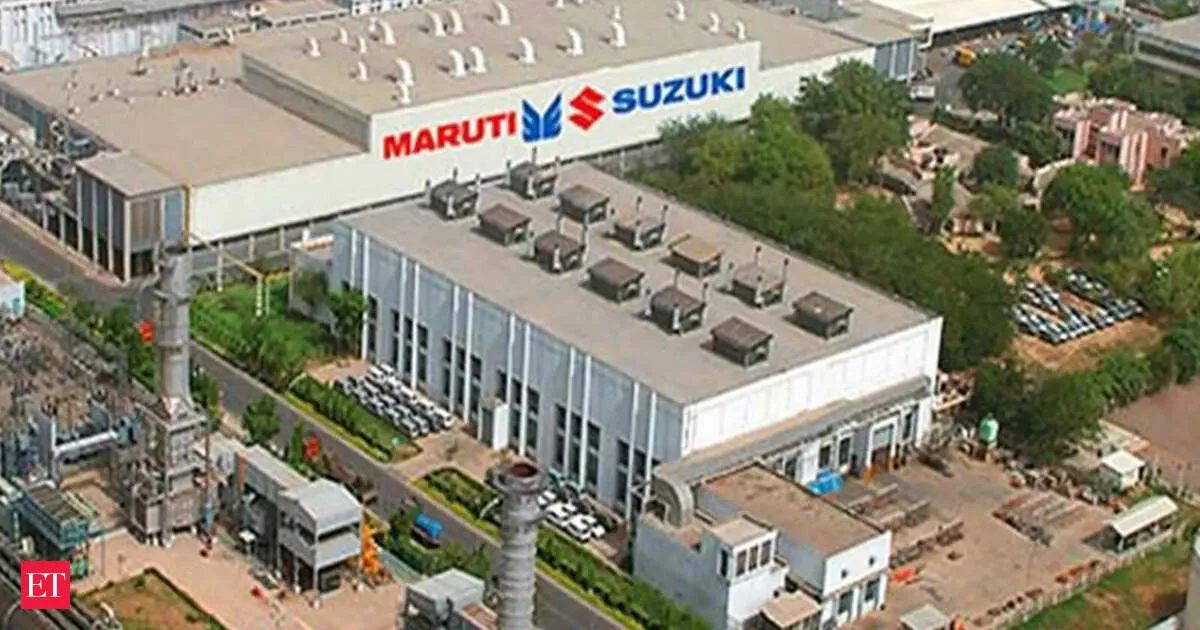
Carmakers are swinging for growth with a combined Rs 40,000-crore capex push. Maruti Suzuki plans a record Rs 14,000 crore investment in FY27 to add annual capacity for 500,000 cars, while Hyundai Motor India has earmarked Rs 7,500 crore for two new SUVs and higher output from its Talegaon plant. The bets signal confidence in demand and product expansion.
Maruti Suzuki is earmarking Rs 1,372 crore for green logistics infrastructure, aiming to raise rail-based vehicle dispatches to 35% by FY 2030-31. The company says the move will cut carbon footprint and fuel consumption. It also highlights that rail dispatches have already surged over the past decade, crossing 30 lakh units.
Your news, in seconds
Get the Beige app — every story in 60 words, updated hourly. Free on iOS & Android.
Maruti Suzuki India has selected six startups for its accelerator program to build new technology-driven business solutions for automotive operations. The partnership targets smarter plant safety and higher efficiency, with an expectation that product development cycles will shrink. It also aims to strengthen material traceability and improve customer engagement, helping the company modernize operations and prepare for what’s next.
A decade after Nexa’s launch, Maruti Suzuki is gearing up for Nexa 2.0 to pull in aspirational younger buyers. But Nexa’s premium positioning is being stress tested by capacity constraints and heavy dependence on a handful of models. The big question: has Nexa built a durable brand identity—or merely upgraded the showroom experience while scaling stays tight.
Maruti Suzuki shares are down nearly 25% from their January peak, wiping out about Rs 1.28 lakh crore as investors grapple with margin pressure and worries over market share. While brokerages are split on the outlook, near-term challenges remain. Still, steady sales momentum, a healthy order backlog, and expected margin improvement could help the stock recover in upcoming quarters.
India’s auto sector logged strong year-on-year growth in April, overcoming a sequential dip blamed on high March bases and earlier supply disruptions. Maruti Suzuki gained month-on-month, buoyed by GST benefits and broad demand. Tractor and two-wheelers stayed firm, but auto ancillaries face margin pressure as commodity costs rise, with tougher FY27 conditions looming.
Never miss a story
Set alerts for the topics and sources you care about. Download Beige for free.
Maruti Suzuki, Bajaj Auto and other auto stocks jumped as strong April sales data boosted investor sentiment. The rally lifted the Nifty Auto index by more than 1%, with gains led by major automakers outperforming expectations. Traders are now watching whether the sales momentum can extend beyond April and sustain the current optimism.
Maruti Suzuki expects strong growth this financial year even as global challenges persist, with demand in local markets running ahead of available supply. The company says it will ramp up production to clear pending orders, while new capacity additions come online. Maruti also plans to introduce fresh products and grow faster than the industry, supported by favorable economic conditions.
Maruti Suzuki expects double digit growth in FY27, driven by firm domestic demand that is currently outstripping supply. The automaker is expanding production capacity to clear pending orders, while recent GST cuts and lower interest rates continue to support sales. To reduce geopolitical risk from West Asia tensions, it is also diversifying its export markets.
Maruti Suzuki India has kicked off FY27 with a record April performance, selling 2,39,646 units and growing 33.29% year-on-year. The small car segment played a major role, while domestic sales hit an all-time high, signaling strong demand at the start of the new fiscal year.
Reading on mobile?
Open Beige in the app for a smoother experience — free on iOS and Android.
Maruti Suzuki expects 10% volume growth in FY27, aided by new production lines and steady demand, notably from rural markets. Still, RC Bhargava cautions that margin recovery will be gradual as the firm manages input cost pressures. Exports are expected to remain stable, keeping the company broadly positioned for the year ahead.
Maruti Suzuki shares surged nearly 4.5% on Wednesday, hitting an intraday high of ₹13,537 and beating the Nifty 50. The move came after record FY26 earnings, triggering a wave of upgrades from major brokerages that raised target prices. Analysts pointed to a stronger product mix led by SUVs and margin expansion as key drivers of the stock’s breakout run.
Maruti Suzuki shares rose about 4% after its Q4 update delivered strong revenue and record sales for the March quarter. Even with a dip in profit, investor reaction turned positive on expectations of healthy volume growth. Analysts remain divided: some flag potential upside, while others warn about risks to market share.
Maruti Suzuki’s March-quarter net profit fell as mark-to-market losses, rising input costs, and production constraints weighed on results. The auto major is now expanding capacity and expects margin improvement by FY30, supported by new SUV launches and accelerating EV momentum. Even with short-term pressure, FY26 delivered record volumes and strong sales.
Follow your favourite sources
Track sources, tags and categories — all in the Beige app.
Maruti Suzuki’s March-quarter net sales surged 29% to Rs 50,078.70 crore, topping Rs 50,000 crore for the period. However, standalone net profit fell 7% to Rs 3,590.5 crore, down from Rs 3,857.3 crore a year ago, driven mainly by higher commodity costs and mark-to-market impact.
Maruti Suzuki is set to commit a record Rs 14,000 crore capex in FY27 to expand manufacturing capacity and clear a growing order backlog. With current facilities running at full capacity, the automaker will add new production lines in Haryana and Gujarat, prioritizing demand recovery for small cars.
Maruti Suzuki is doubling down on small cars to drive growth in India’s price-sensitive market, aiming for volume even as rising costs squeeze fourth-quarter profits. While demand stays resilient, the automaker is also expanding its SUV lineup and exploring new export markets, betting that scale and affordability will protect long-term momentum despite margin pressure.
Maruti Suzuki has announced a record dividend of Rs 140 per share for FY26, with the total payout reaching Rs 4,401.6 crore. The record date for eligible shareholders is August 7, while dividend payment is scheduled for September 9, subject to approval at the AGM. The hike comes as a sharp jump from the prior year’s dividend.
Stay informed on the go
Bite-sized news from 100+ trusted sources, right in your pocket.
Indian markets rebounded on Monday, snapping a recent losing streak. The Nifty reclaimed its short-term moving average near 23,950, with analysts watching whether it can sustain the level to push toward 24,600–24,800. Investors are also tracking Q4 updates and company-specific developments, with Maruti Suzuki, Coal India, Trent, and Adani Total Gas in focus.
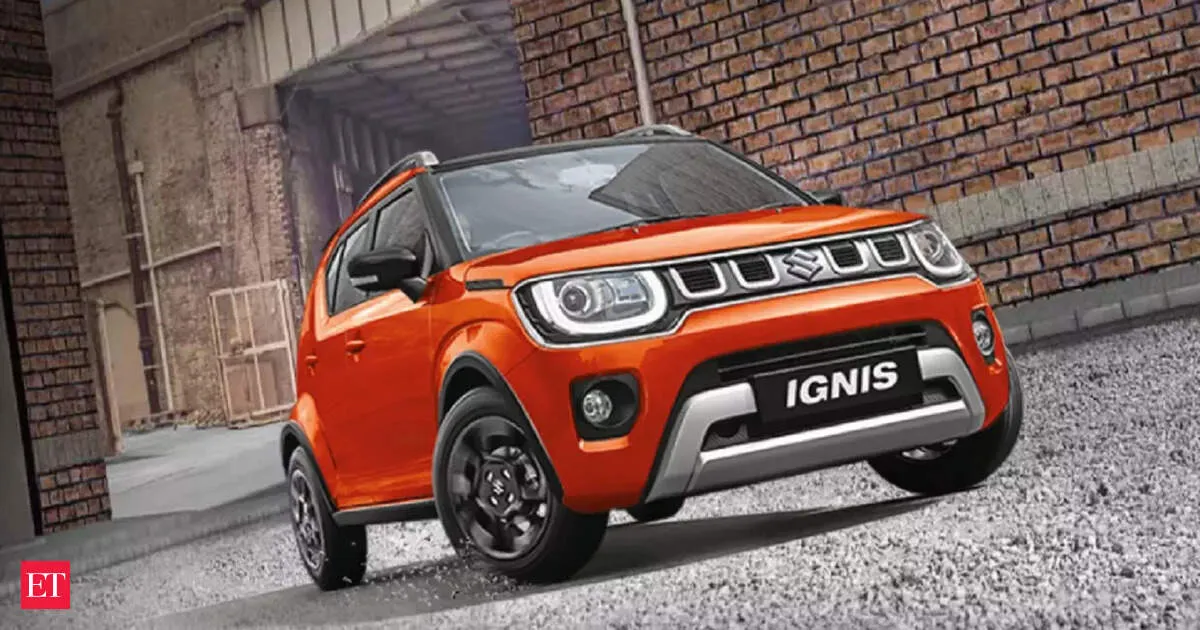
Maruti Suzuki has reportedly discontinued the Ignis in India after continued weak sales and shrinking demand. Production has been halted for more than a month, and bookings have also been stopped. Even a price revision failed to revive interest, with February sales falling nearly 50% year-on-year, signaling a shift toward a Punch-like micro SUV.
Swipe through stories, personalise your feed, and save articles for later — all on the app.