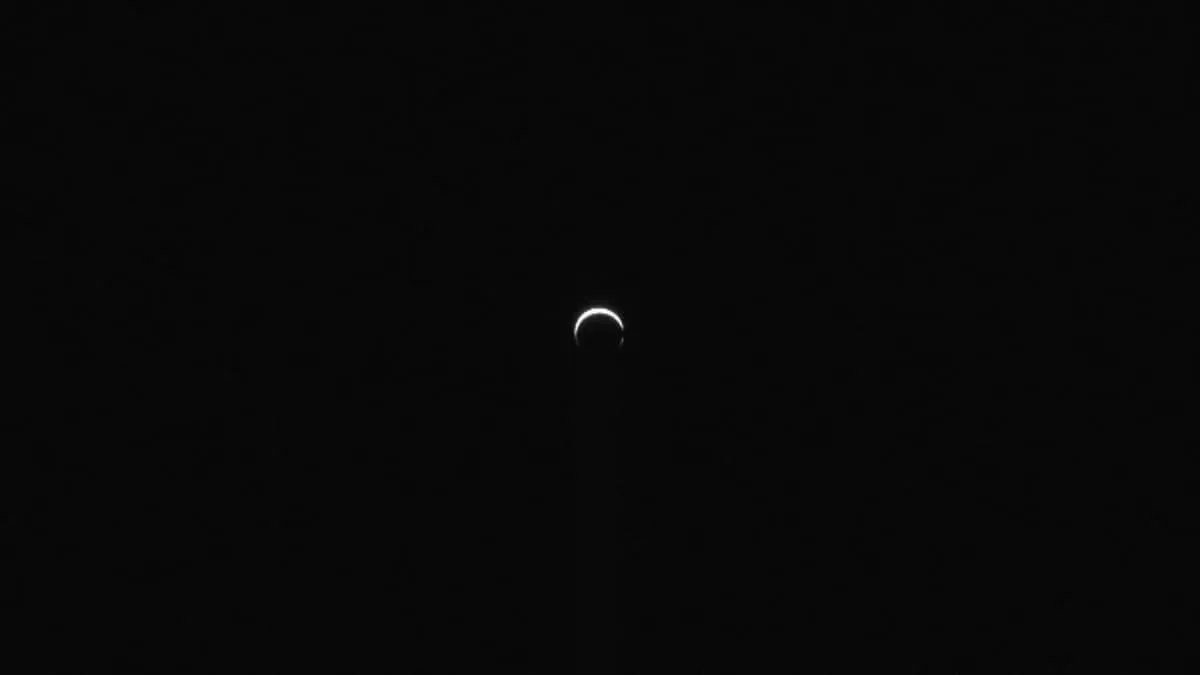
NASA’s Psyche spacecraft is making a high-speed practice swing past Mars to harness a gravity boost toward a rare metal asteroid. Named after the target, the robotic explorer will perform a slingshot at about 12,333 mph, snapping thousands of images along the way. The main rendezvous is planned for 2029, turning Mars flyby data into mission-critical prep.
NASA’s Perseverance rover has released a stunning 360-degree natural-color panorama from the rim of Jezero Crater, a spot nicknamed “Crocodile Bridge.” Built from 980 photos, the image highlights some of the oldest rocks in the solar system and is expected to sharpen scientists’ understanding of Mars’ early geological past and hidden history.
Your news, in seconds
Get the Beige app — every story in 60 words, updated hourly. Free on iOS & Android.
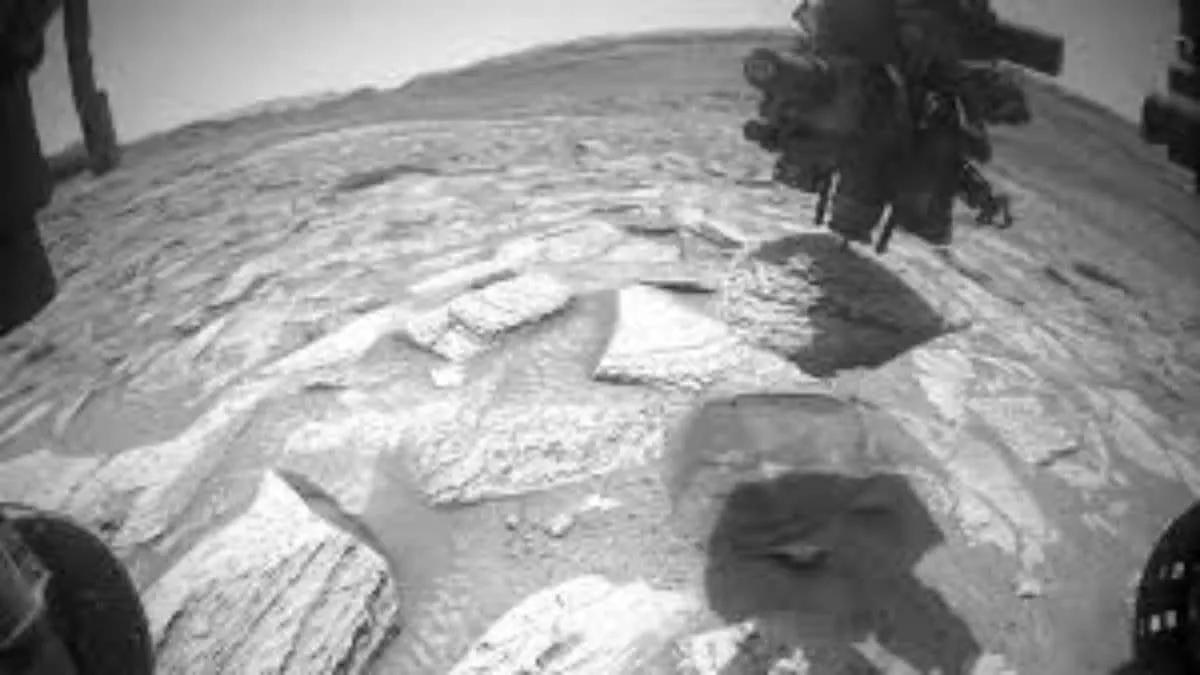
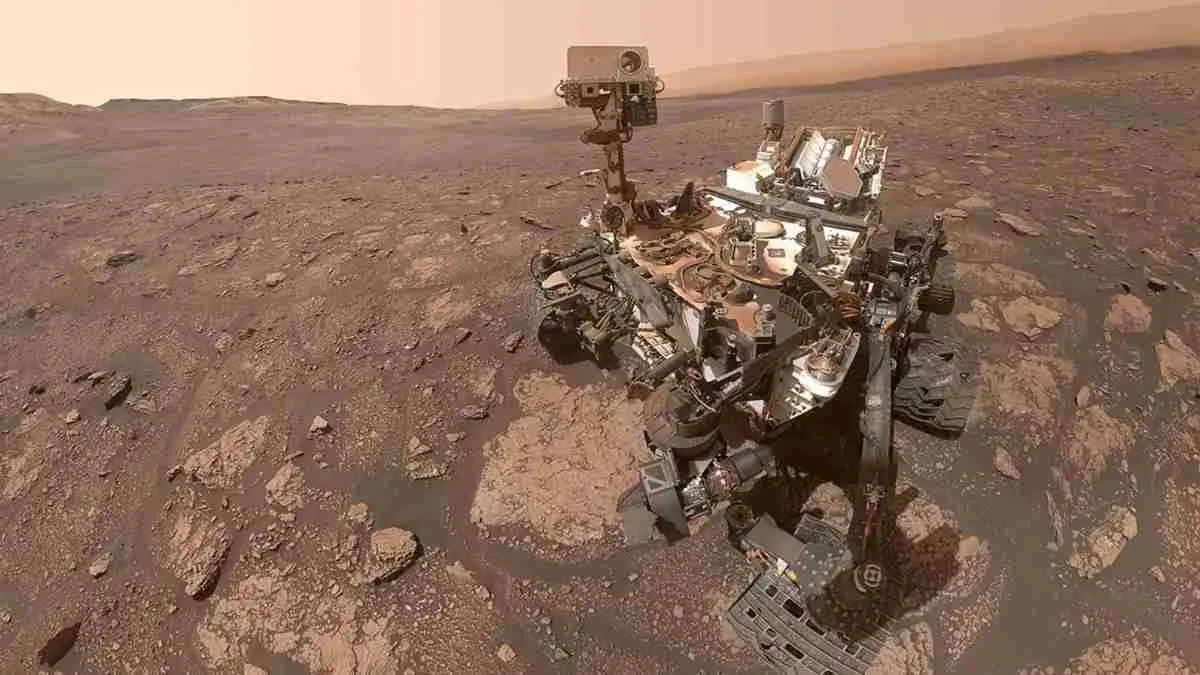
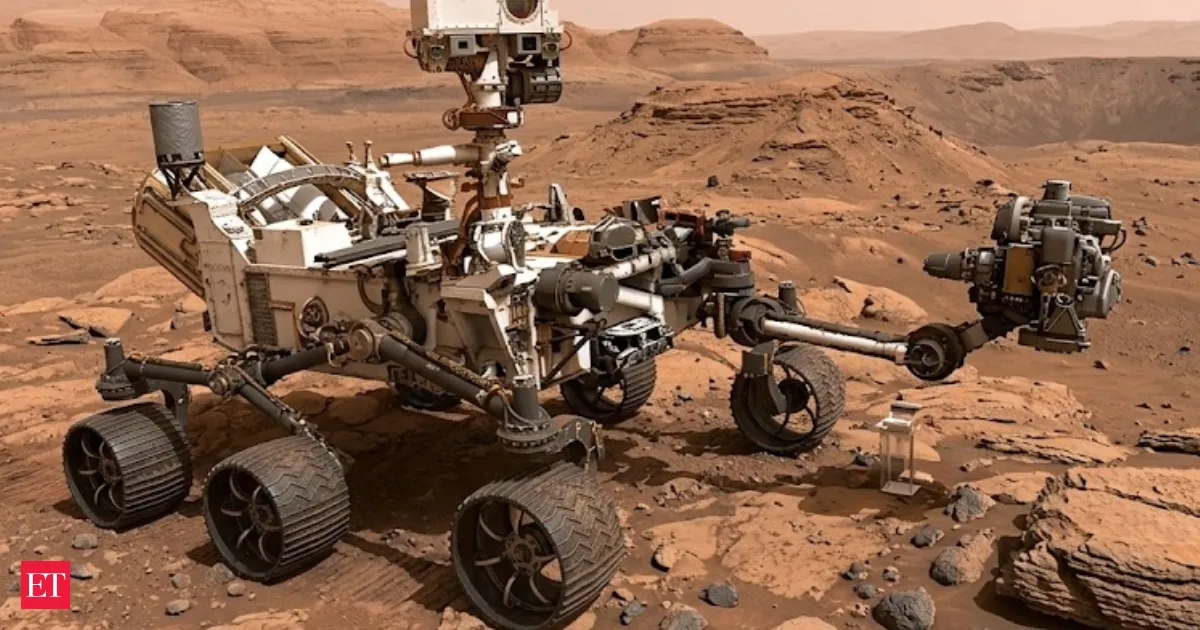
NASA’s Curiosity rover hit a rare “hostage” scenario on Mars when a massive rock called Atacama became stuck to its drill arm. The sampling mission effectively paused for nearly a week after the drill couldn’t retract or reposition, forcing controllers to wait out the complication before resuming operations.
In trial testimony, Elon Musk’s pursuit of OpenAI is tied to a far-reaching Mars colonisation ambition. The court heard Musk wanted complete control of OpenAI and looked to raise roughly $80 billion to build a Martian city. With the lawsuit under way, the case could influence how AI companies are governed, while OpenAI signals major computing investments.
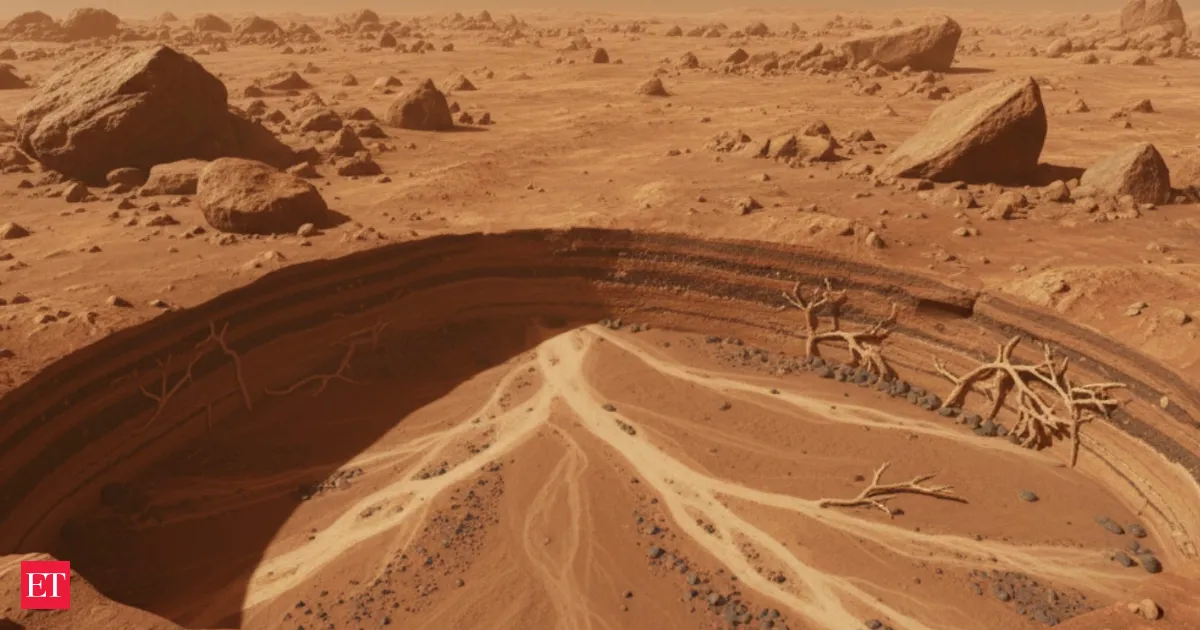
NASA’s Perseverance rover has found a buried river delta beneath Mars, with sediment layers showing water flowed long enough to deposit material repeatedly. Instead of a planet briefly wet in isolated bursts, Mars likely cycled through multiple sustained wet periods. The result rewrites its ancient climate story and strengthens the hunt for past life.
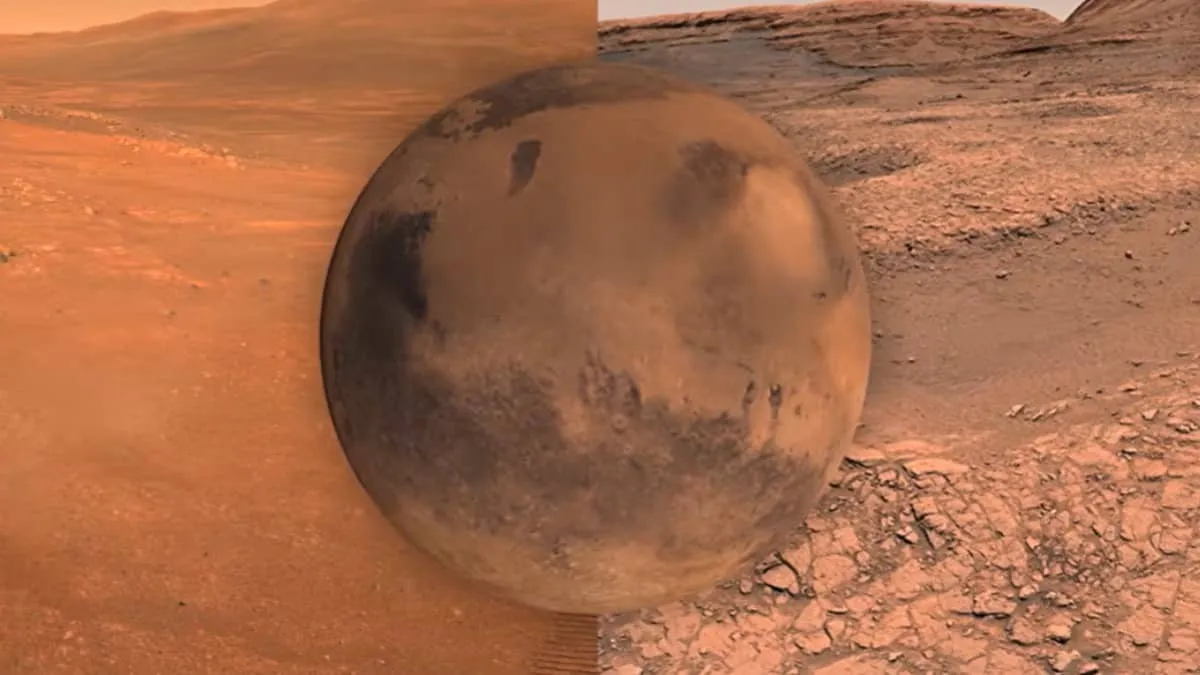
NASA’s Curiosity and Perseverance rovers have shared two stunning 360-degree panoramas captured from opposite sides of Mars. The views stitch together the planet’s violent past, ancient water landscapes, and the lingering mystery of whether microbial life ever took hold. By exploring “time-traveling” layers of history, the rovers aim to narrow where life’s clues might still remain.
Never miss a story
Set alerts for the topics and sources you care about. Download Beige for free.
A Mars image that looked like a perfect square from a 2001 NASA flyover sparked speculation about artificial structures. But later, sharper views from the Mars Reconnaissance Orbiter revealed the “square” was actually an uneven cliff face. The lesson: angles and lighting can turn ordinary terrain into baffling shapes that go viral fast.
SpaceX’s board has approved a new compensation plan for Elon Musk that links his pay to major, hard-to-reach milestones. The targets include creating a permanent human colony on Mars and running large data centers in space, aligning incentives with the company’s long-term vision. The announcement also signals SpaceX is weighing an initial public offering.
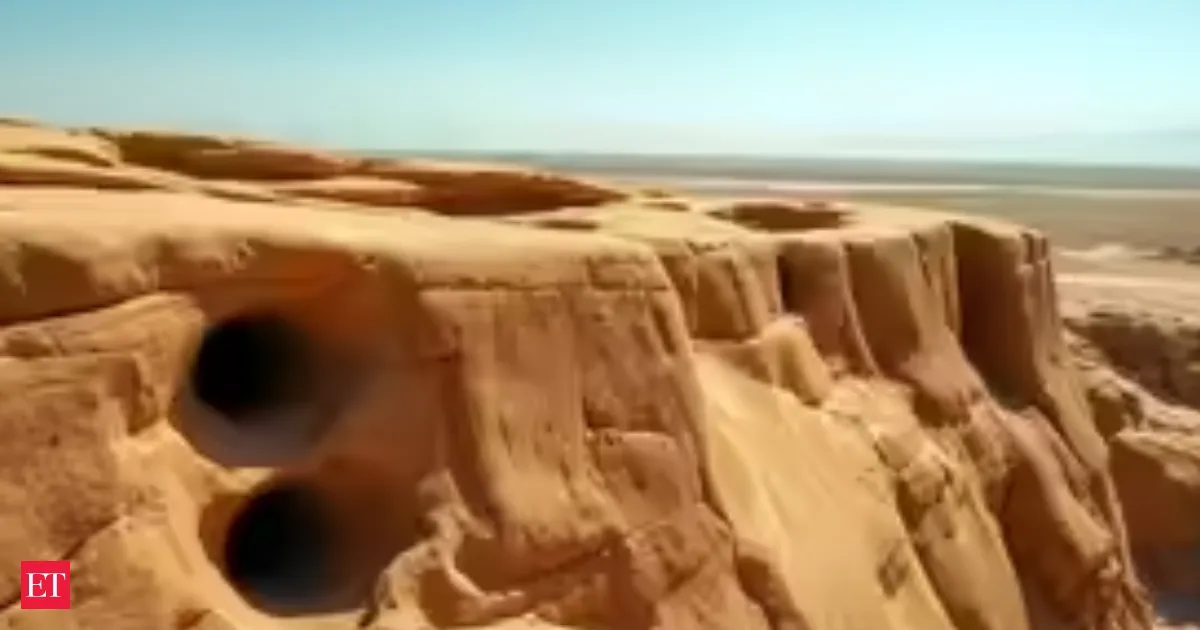
Geologists studying desert rocks report tiny, highly organized tunnels that appear inconsistent with typical natural geological processes. Instead, chemical traces in the formations point to the possibility that living organisms may have built them. If confirmed, the finding could reshape how scientists understand life in harsh environments and influence future searches for extraterrestrial life on worlds like Mars.
ISRO chief says Chandrayaan-4 will focus on bringing lunar samples back, while Chandrayaan-5 is expected to carry a heavier, more robust lander designed for a longer operational life. Beyond the Moon, ISRO is also looking at a Venus mission, a major Mars landing, and aims to have a fully operational space station by 2035, signaling a faster, bolder roadmap.
Reading on mobile?
Open Beige in the app for a smoother experience — free on iOS and Android.
NASA says its Curiosity rover has detected the most diverse set of organic molecules ever found on Mars, including multiple compounds not previously seen on the planet. The findings come from an ancient rock sample drilled by Curiosity and bolster the case that Mars once had conditions favorable for life, even as researchers stress that this is not direct proof of biology.
NASA’s Curiosity rover has detected more than 20 organic molecules, including structures resembling proto-DNA, in Mars’ Gale Crater. Scientists say the chemistry strengthens evidence that Mars once had environments capable of supporting life. Some of the organics may even have been delivered by meteorites, adding a fresh pathway to how life-building materials could arrive and persist.
Swipe through stories, personalise your feed, and save articles for later — all on the app.