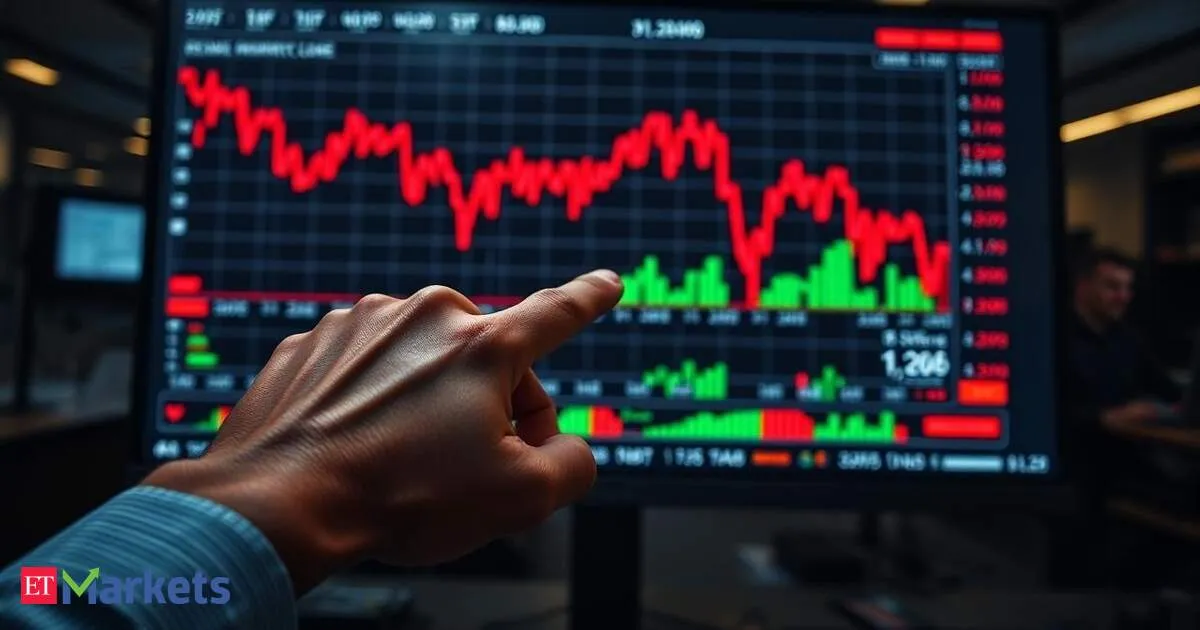
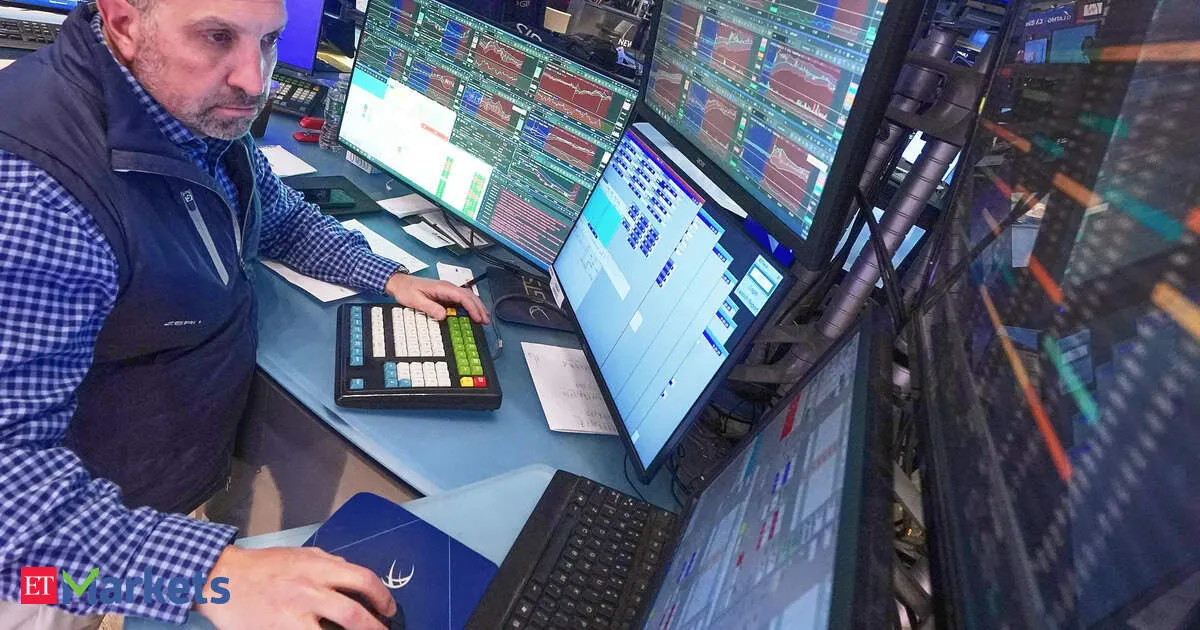
Australian shares ended little changed on Friday, finishing a volatile week where investors weighed a federal budget proposal to curb negative gearing. The change raised fears of weaker mortgage demand, clouding banks’ outlook even as financials gained 1% after earlier losses. Real estate stocks rose on expectations that first-home buyer support could offset the impact. Outside Australia, investors tracked US China talks and Middle East tensions, while miners slipped 3.1% on softer iron ore and copper prices.
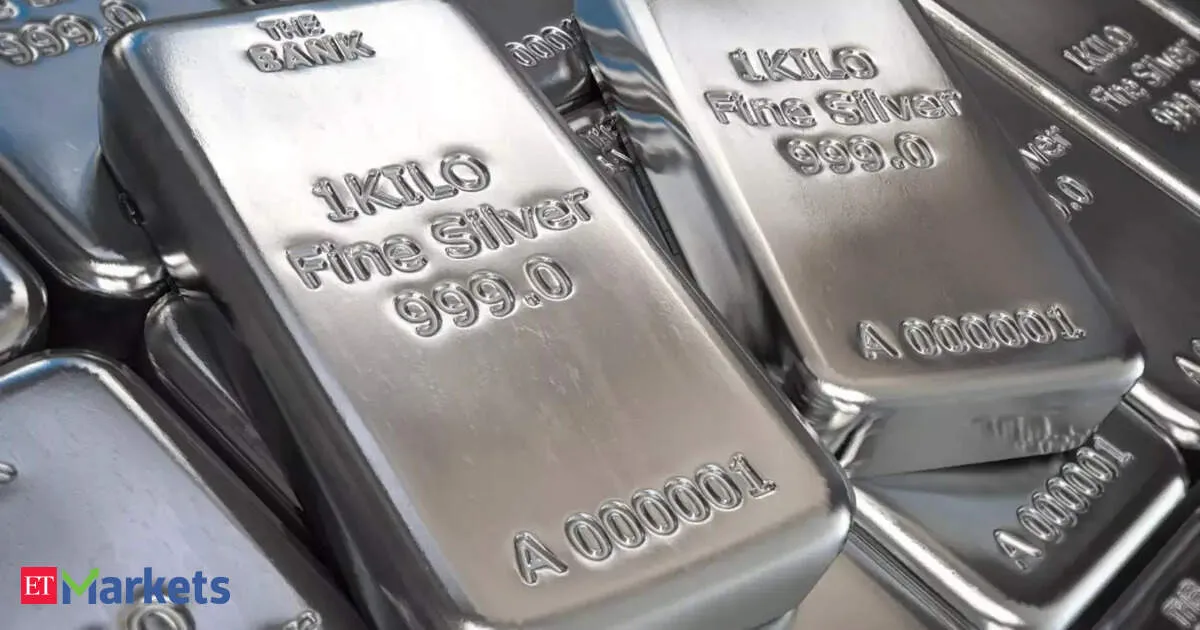
Silver prices on MCX crashed, losing up to Rs 17,500 in a day and falling back below levels seen before the recent customs duty increase. The move followed weaker demand at higher prices, a softer industrial outlook, and a global picture clouded by growth concerns. With safe-haven buying fading and import duties jumping sharply, silver has entered a highly volatile phase.
Your news, in seconds
Get the Beige app — every story in 60 words, updated hourly. Free on iOS & Android.
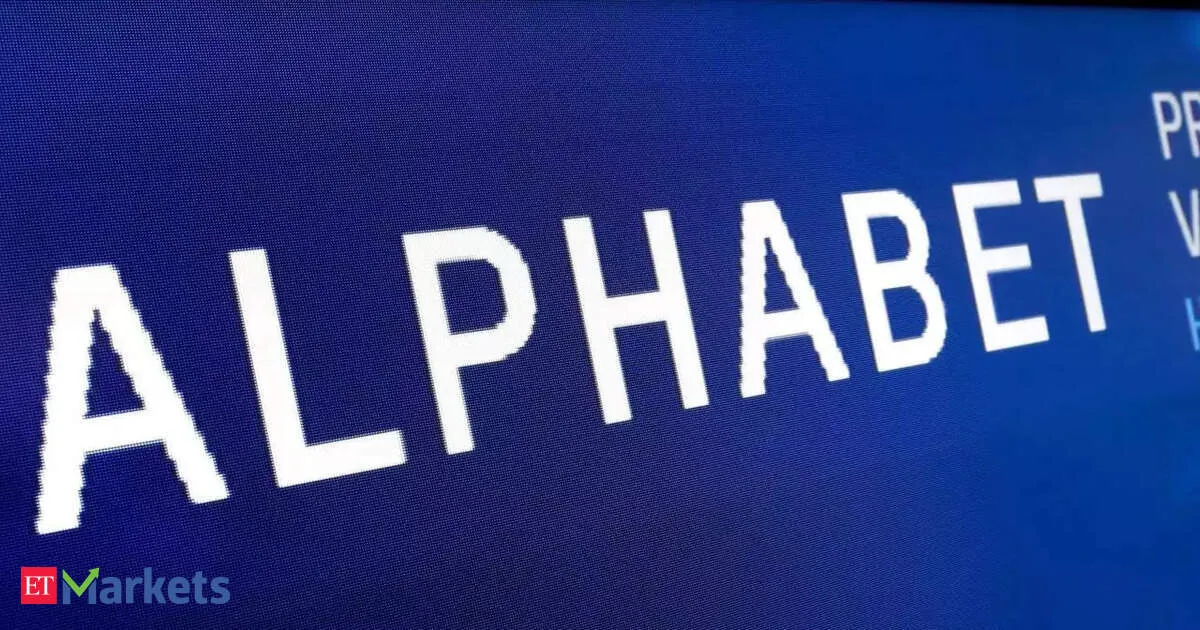
Alphabet has launched its first yen-denominated bond sale, issuing 576.5 billion yen (about $3.6 billion), the largest such offering by any foreign company. The debt helps fund the company’s major AI investment push and broader efforts to diversify funding sources beyond prior euro, sterling, Canadian dollar, and Swiss franc issues. Underwriters say demand was strong domestically and internationally, surpassing Berkshire Hathaway’s 2019 yen record. Bonds are set to mature from 3 to 40 years, with coupons ranging 1.965% to 4.599%.
Indian sugar producer shares fell up to 7% on Thursday after the government prohibited sweetener exports, adding immediate pressure to an already strained market. Analysts linked the move to surging domestic sugar prices alongside weaker sugarcane expectations in Maharashtra and Karnataka, with El Nino seen as a risk for further shrinkage. While the ban is expected to weigh on near-term earnings, investors point to capacity expansions aimed at the government’s 20% ethanol blending targets as a medium-term support.
US chip startup Cerebras Systems roared into public trading, with shares jumping more than 80% on Nasdaq and briefly more than doubling earlier in the session. The company reached a market value of about $80 billion during the trading debut. Around 1730 GMT, Cerebras was trading at $332.51, after having surged to roughly $385 at one point. The strong debut reflects continued investor demand for companies tied to the artificial intelligence spending and chip investment boom.
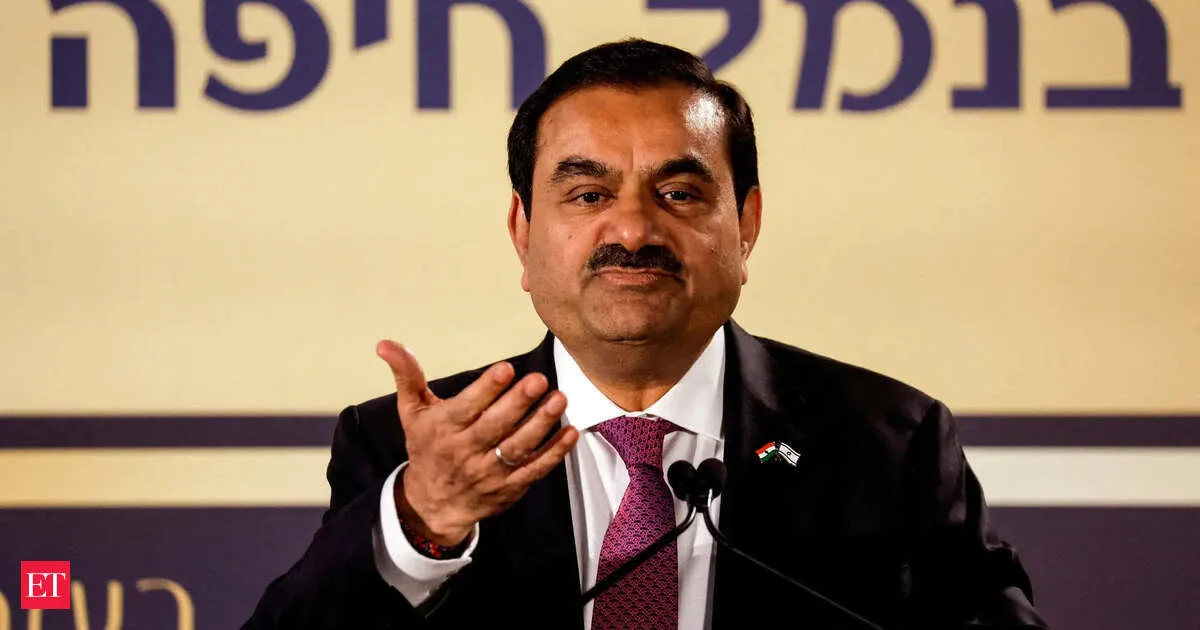
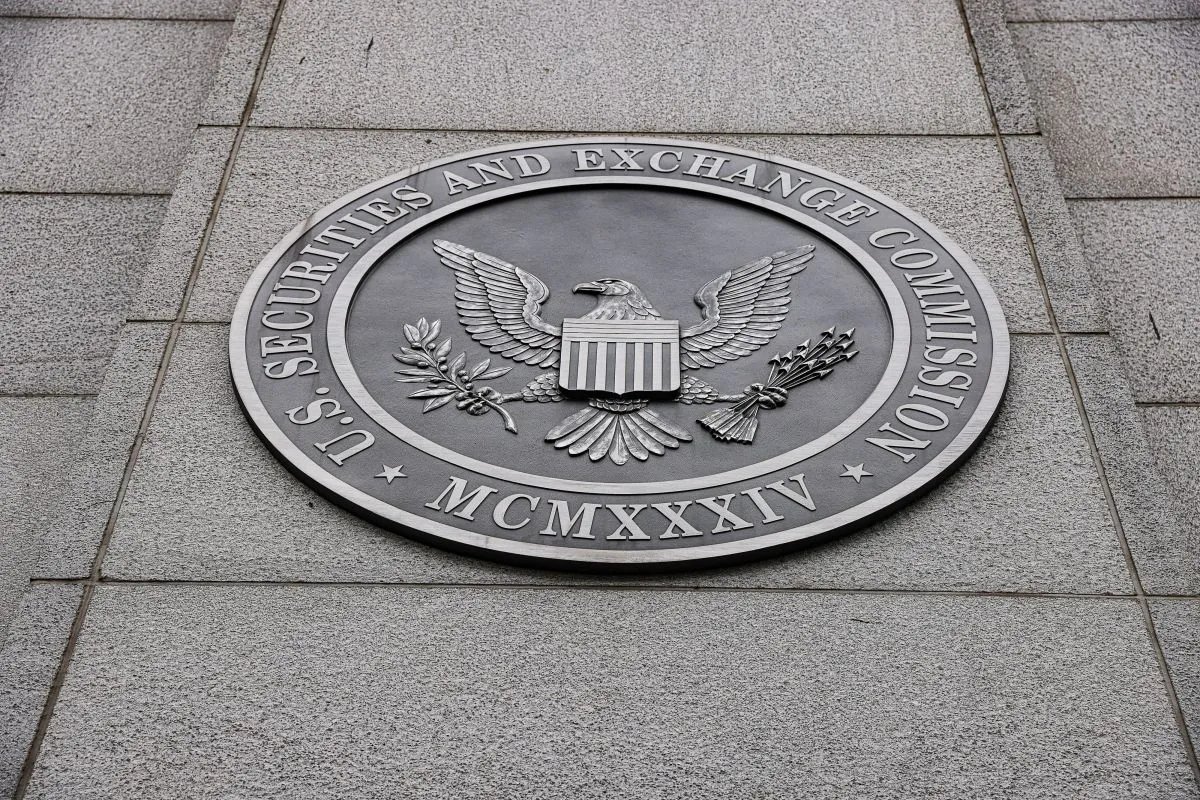
US authorities are reportedly nearing a resolution to fraud matters involving Asia’s richest person Gautam Adani. The US Justice Department could announce as early as this week that it is dropping criminal fraud charges that have hovered over Adani for more than a year, sources said. Separately, the Securities and Exchange Commission is working to settle a parallel civil fraud case filed in November 2024, likely involving a monetary penalty. Ending both cases could clear the way for Adani’s return to international capital markets and faster expansion.
Never miss a story
Set alerts for the topics and sources you care about. Download Beige for free.
Gold edged higher as a weaker US dollar boosted demand, while markets tracked potential outcomes from Trump Xi meetings. Investors also kept an eye on signals tied to the Iran war, seeking clues on risk and policy shifts. Spot gold inched up to about $4,706.70 per ounce, reflecting cautious optimism alongside geopolitical uncertainty.
Bagmane Prime Office REIT, backed by Jhunjhunwala and Blackstone, made its NSE debut at Rs 103.50, about 3.5% above its IPO price. The Bengaluru-focused offering raised Rs 3,405 crore and drew strong subscription. Its portfolio is noted for high occupancy and major tenants such as Google and Amazon, fueling investor demand on listing day.
Emergency medical services provider GMR, backed by KKR, opened on the NYSE with a sharp drop. Shares fell about 10%, dragging its market capitalization to roughly $3.01 billion. The slump followed a strategic reduction in IPO pricing, underscoring the market’s cautious reaction to the company’s public debut.
r/WallStreetBets has delivered its sharpest backlash yet against an SEC proposal that would let public companies report only twice a year. Retail traders argue the move would reduce transparency, slow reactions to losses, and tilt power toward insiders who see results first. The proposal is now facing louder pushback before any final rulemaking.
Reading on mobile?
Open Beige in the app for a smoother experience — free on iOS and Android.
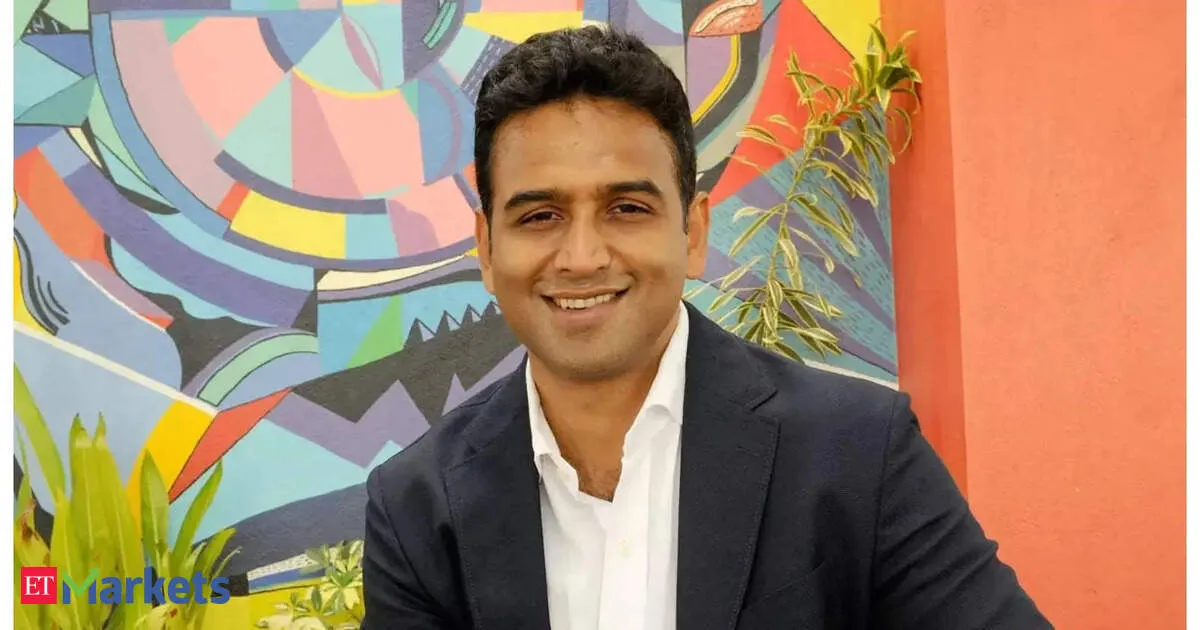
Zerodha CEO Nithin Kamath pointed to India’s tight market regulation after a surprise US import duty hike on gold and silver. He noted there was no unusual trading activity before the announcement, contrasting it with how privileged information could be exploited in less tightly governed markets. The comment adds a sharp lens on how policy shocks can ripple into markets.
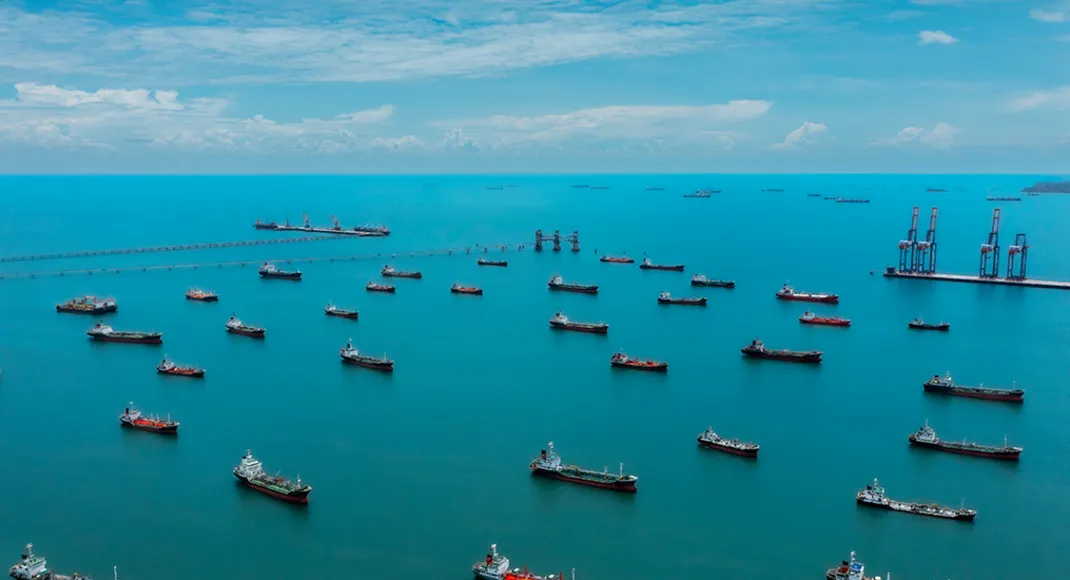
Trade circles are increasingly worried that disruptions around the Strait of Hormuz won’t fade quickly. Even if ships can move again partially, relief may be delayed, keeping oil and related market pressures elevated. The core fear is a shift from a temporary disruption to something more structural, complicating expectations for faster normalization.
A top South Korean policymaker floated the idea of a citizen dividend funded by AI profit taxes, triggering sharp market volatility. Traders feared a fresh corporate levy on AI companies. The proposal was quickly clarified to target excess tax revenue rather than imposing a new charge, helping stocks recover partially. The episode highlights how AI-linked fiscal ideas can move markets fast.
US consumer prices climbed briskly again in April, marking the largest annual inflation increase in nearly three years. The data extends a second straight month of faster price growth, raising fresh questions about whether the US Federal Reserve can justify an interest rate cut soon. Markets now weigh the CPI shock against the Fed’s inflation and jobs targets.
Follow your favourite sources
Track sources, tags and categories — all in the Beige app.
India’s 10-year bond yield has risen to a five-week high as oil worries intensify amid Iran conflict uncertainty. Prospects of a ceasefire eased after Donald Trump suggested talks were on “life support.” Meanwhile, Iran’s military reportedly expanded the operational scope around the Strait of Hormuz, raising concerns over supply routes and supporting bond yield volatility.
Gaurik Fashions, a retailer operating stores for Skechers, Guess and Bugatti, has filed draft IPO papers with SEBI. The proposed raise includes a fresh issue of 62 lakh shares and an offer for sale of 8 lakh shares by Aries Opportunities Fund. The money will support retail expansion with new stores and inventory funding across subsidiaries.
Japan’s 10-year government bond yield jumped to a 29-year high on Tuesday, even as the latest auction stayed stable. Traders are now fixated on U.S. Treasury Secretary Scott Bessent’s remarks during his Tokyo visit, worried they could bring renewed pressure on Japan’s monetary policy and currency. Yields rose across multiple maturities as investors repositioned.
Alphabet is rapidly closing the gap with Nvidia as investors increasingly see the Google parent as the next global tech giant. Its AI strength spans search, cloud services, and internally built models, creating growth momentum even as the market values diversification. That broader footprint is positioning Alphabet to challenge Nvidia’s current dominance in AI-driven valuation.
Stay informed on the go
Bite-sized news from 100+ trusted sources, right in your pocket.
With many IPOs failing to inspire, investors are showing strong demand for REITs and InvIT issuances. The reason: these trusts typically generate stable, annuity-like income from operational assets, translating into more predictable cash flows. In a choppy equity environment, that balance of resilience and returns is drawing capital away from traditional listings toward these infrastructure and real estate vehicles.
Honasa Consumer, the parent of Mamaearth, says its board will consider a final dividend on May 21 together with its Q4 FY26 results. If approved, it could make the “new-age” company among the first of its kind to pay dividends to listed shareholders. The move comes as the stock improves and business expectations remain steady.
Swipe through stories, personalise your feed, and save articles for later — all on the app.