Dalal Street starts the week on shaky technical footing as Nifty ended sharply lower amid sustained selling and a steep rise in volatility. The index remains trapped below key moving averages, with 24,300–24,500 acting as a major ceiling and 23,200–23,000 the critical support. India VIX jumped to 18.79, while weakening RSI and a bearish weekly candle reinforce a cautious, defensive approach. Traders are advised to avoid aggressive buys until momentum improves.
Walmart-owned Flipkart has indefinitely paused its IPO plans, citing heightened market volatility, a crowded slate of upcoming listings, and weak investor appetite for a still-loss-making company. The move follows PhonePe’s $1.3 billion IPO postponement and comes as geopolitical shocks are blamed for further market jitters. Instead, Flipkart is pouring resources into quick commerce via Flipkart Minutes, expanding by nearly 100 stores a month since March and targeting 1,100–1,200 stores by July 2026.
Your news, in seconds
Get the Beige app — every story in 60 words, updated hourly. Free on iOS & Android.
Indian equity markets slid for a fourth consecutive session, with the Sensex and broader indices hit by rising crude oil prices, geopolitical tensions, foreign investor selling, and a rupee at record lows. The sharp losses dragged benchmark, midcap, and smallcap stocks. Analysts say volatility could continue unless global tensions ease and inflation concerns stabilise.
Indian markets are seeing choppy trade as geopolitical tensions and rising fuel prices push investors toward defensive sectors. While stocks may stay range-bound in the near term, market watchers still see selective long-term opportunities. However, Aditya Shah warns that gold stocks and capital goods are facing valuation concerns, limiting upside despite the recent correction.
Dalal Street opened lower and spiraled as the BSE Sensex fell about 1,093 points to 76,235 and the Nifty slid past 24,000 to 23,870 on Monday morning. A sharp rise in Brent crude and escalating US Iran tensions rattled risk appetite, wiping roughly ₹4.8 lakh crore in investor wealth. Banking and auto stocks drove the selloff as volatility jumped.
Midcap companies led the March quarter earnings season, posting profit growth that outpaced both largecaps and smallcaps, according to MOFSL. Performance was supported by BFSI, technology, and utilities, with optimism around earnings momentum. However, analysts caution that volatility tied to West Asia tensions and higher commodity prices may continue to disrupt markets.
Never miss a story
Set alerts for the topics and sources you care about. Download Beige for free.
The US Treasury says it will hold auction sizes for notes and bonds steady for the next several quarters, reflecting a cautious borrowing strategy amid ongoing market volatility. Announced as part of its quarterly refunding plan, the move is intended to reduce added pressure on the bond market, signaling an effort to stabilize demand and keep rates from reacting too strongly.
A new report finds Americans are increasingly anxious about retirement, with many more worried about exhausting their savings than about dying. Inflation, higher day to day costs, and unpredictable markets are fueling stress, while many lack clear financial plans. Experts warn that money alone doesn’t buy peace of mind—stable income, solid planning, and cash buffers matter most.
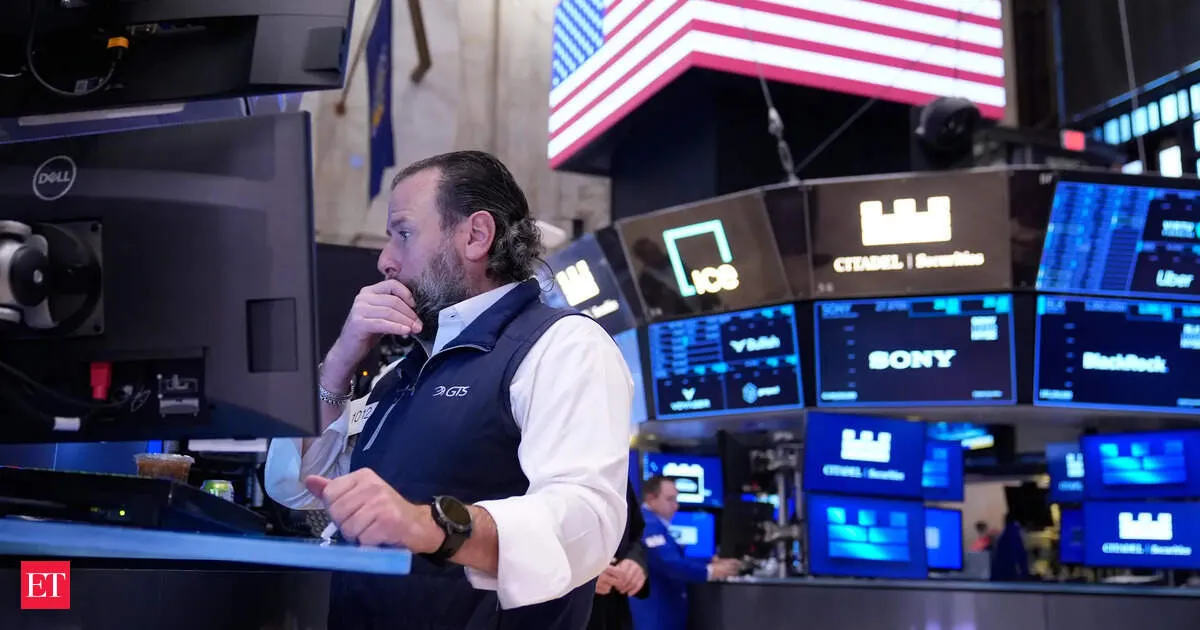
US markets ended mixed as the S&P 500 and Nasdaq rose, but the Dow Jones slipped, underscoring a widening performance split. Analysts point to support from technology stocks, ongoing earnings momentum, shifting oil prices, and persistent geopolitical risks. With inflation still a key concern and global uncertainty rising, they expect continued wild swings in coming months, pushing investors to stay nimble.
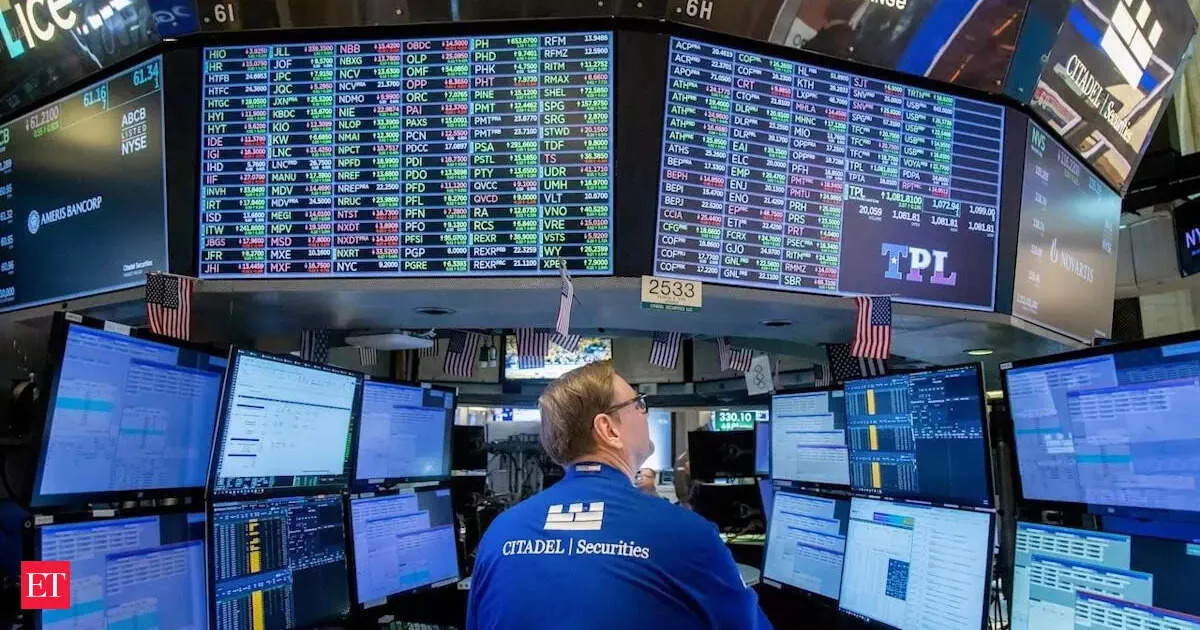
Wall Street futures swung sharply on Monday after conflicting reports said a U.S. warship was near the Strait of Hormuz. The uncertainty intensified investor anxiety around Middle East tensions, driving volatility in risk assets. Traders are now watching further updates closely, as any escalation risk could quickly reshape market expectations.
Reading on mobile?
Open Beige in the app for a smoother experience — free on iOS and Android.
Berkshire Hathaway reported stronger Q1 operating profit even as economic headwinds pressured its consumer-facing businesses. Led by Warren Buffett and CEO Greg Abel, the conglomerate built nearly $400 billion in cash, struggled to land large deals, and stayed a net seller of stocks. Segment results were mixed across insurance, rail, and retail.
Bitcoin hovered near $78,000 as the global crypto market cap neared $2.6 trillion, buoyed by $1.9 billion in ETF inflows. Analysts say institutional demand looks solid, but overall sentiment remains neutral. They also warn that recent gains are being driven more by futures positioning than spot buying, leaving markets exposed to volatility.
US markets opened mixed as global investors reacted to shifting geopolitical risk in the Middle East. Brent crude steadied near $111 per barrel after Thursday’s sharp volatility, easing some pressure from earlier fear-driven trading. Still, the week’s uncertainty kept sentiment split, with different regions moving in different directions rather than converging on a single trend.
US markets highlight a sharp split in tech leadership: AI-linked demand is boosting semiconductor stocks even as software names lag. With technology investors facing a volatile backdrop, traders appear to be gravitating toward chips as a clearer read-through to AI spending, while simultaneously reducing exposure to software companies whose growth outlook looks less certain.
Follow your favourite sources
Track sources, tags and categories — all in the Beige app.
Silver prices have fallen nearly Rs 2 lakh from January peaks, wiping out all gains made in 2026. The drop is driven by a stronger US dollar, profit booking, and global risk-off sentiment. Market experts say the correction could create a gradual buying opportunity, supported by ongoing supply deficits and steady industrial demand, even as near-term volatility persists.
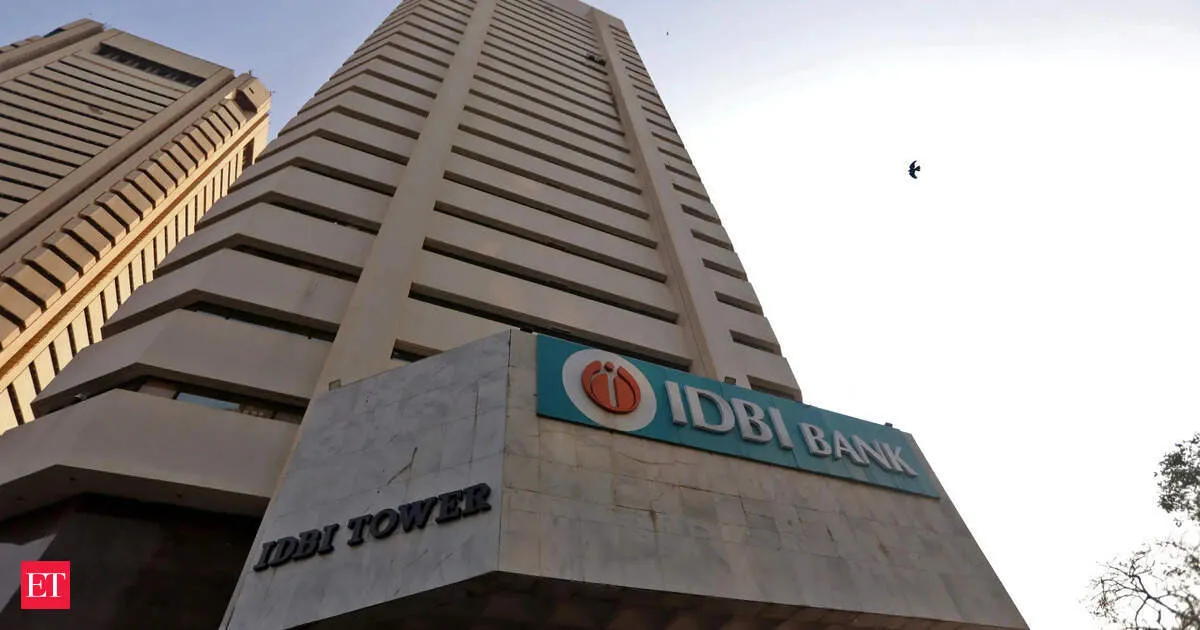
The government is reviewing its IDBI Bank disinvestment plan after weak investor interest and market volatility disrupted the proposed stake sale. A core group of secretaries is now considering revised valuations and timelines. Finance Minister Nirmala Sitharaman has confirmed the strategic sale will move ahead, with officials aiming to conclude the transaction soon.
Over the past 15 months, US stocks have swung sharply in response to President Donald Trump’s remarks and social media posts, according to Fundstrat analysis. The study links his comments to the S&P 500’s biggest gains and losses, a level of influence analysts say is unmatched by any modern US leader. It also suggests investors remain highly sensitive to political signals.
Bitcoin ended 2025 down 5% and about 30% from its October peak after a wave of volatility and mass liquidations. Analysts point to stabilisers already emerging: better liquidity, low exchange reserves, increased institutional interest, and clearer regulation. With major central banks easing and crypto infrastructure expanding, 2026 may bring a steadier, more sustainable recovery.
Stay informed on the go
Bite-sized news from 100+ trusted sources, right in your pocket.
Improving U.S.-Iran peace talk signals and RBI actions are easing pressure on the rupee, with hedging costs and volatility expectations dropping sharply. The currency has bounced off its recent low, but a durable turnaround depends on trade and investment inflows. Risks remain as the current account deficit widens and capital flows stay weak.
FY26’s primary market proved rough for new listings, with volatility and a foreign investor exodus weighing on post-listing performance. Out of 109 mainboard IPOs, only about a third delivered positive returns. A handful of names still surged, including Ather Energy and Belrise Industries, underscoring how uneven the IPO opportunity became.
Swipe through stories, personalise your feed, and save articles for later — all on the app.