Australian shares edged flat as a bank rebound helped offset wider market weakness. Investors remain focused on upcoming US China summit developments, with expectations kept deliberately low. Traders are looking less for big breakthroughs and more for reassurance—especially around extending the existing trade tariff truce and avoiding sudden surprises.
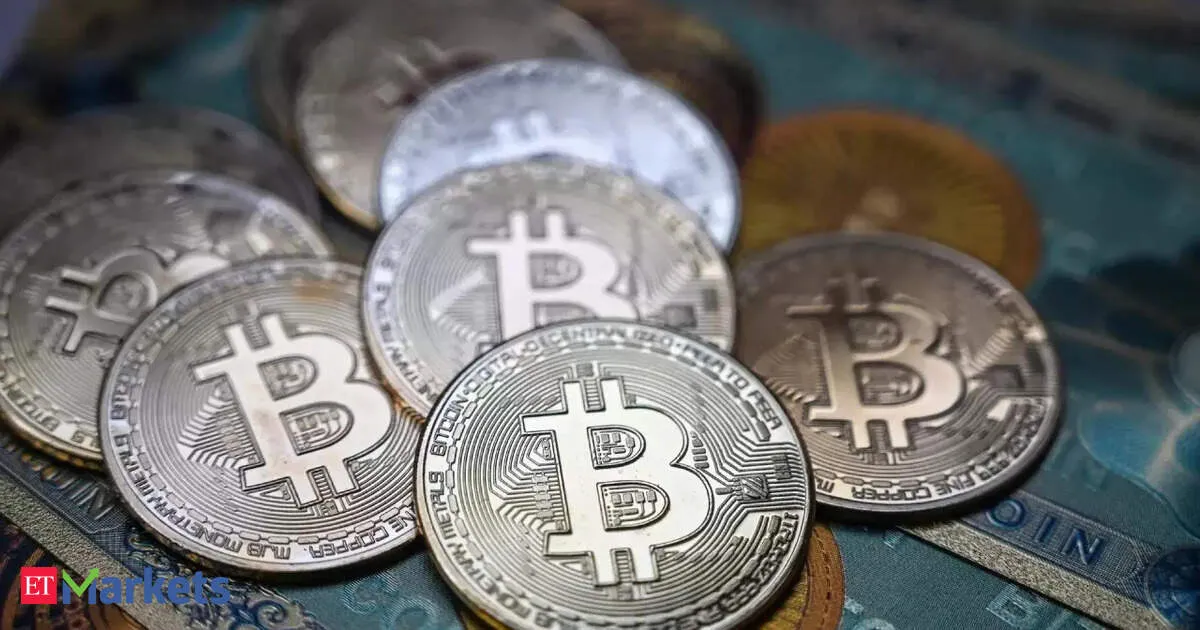
Bitcoin slipped to around the $79,600 level as the wider crypto market weakened. Inflation concerns and cautious sentiment left buyers on the sidelines, while profit-booking and fading momentum pressured both majors and altcoins. Traders are now focused on upcoming US macroeconomic releases and geopolitical cues, with BTC dominance remaining elevated as markets wait for direction.
Your news, in seconds
Get the Beige app — every story in 60 words, updated hourly. Free on iOS & Android.
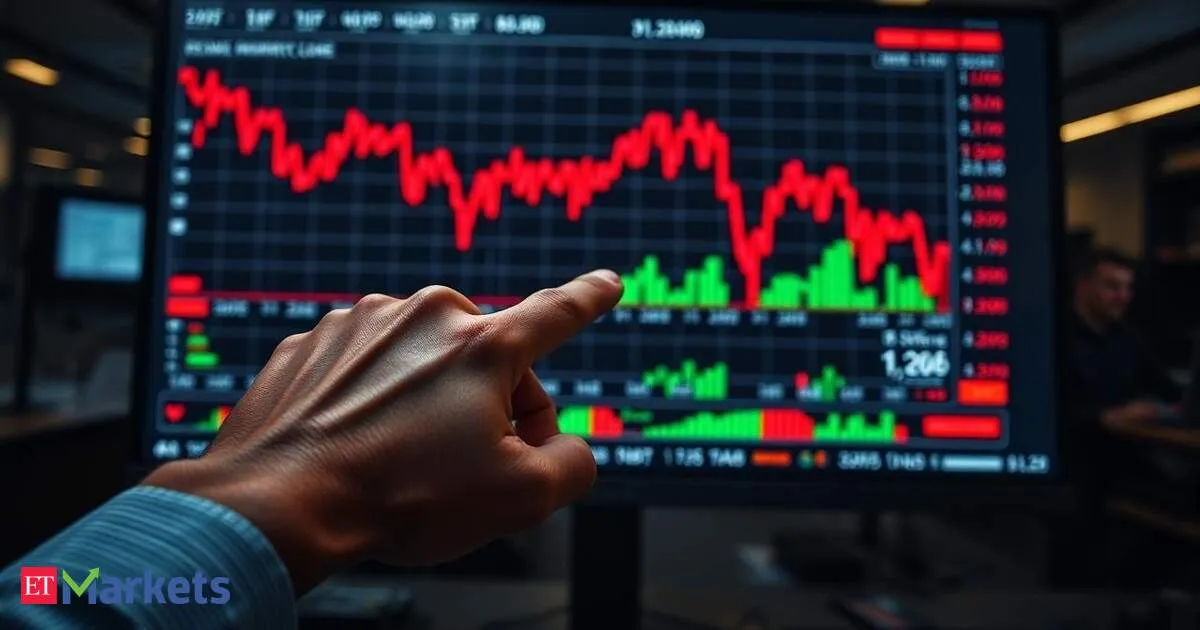
Crypto markets swung sharply as nearly $23 billion was wiped out in hours. Bitcoin fell below $81,000 after failing to push through a key resistance area near $83,600, flipping sentiment from bullish to cautious. The total crypto market cap slid to about $2.67 trillion, leaving investors hesitant and unsure whether any immediate rebound can hold.
Wall Street’s main indexes opened lower on Monday after last week’s record rally, as renewed concerns about stalled US-Iran talks lifted oil prices. Higher energy costs and heightened geopolitical risk dampened investor risk appetite, setting a cautious tone for trading. The market’s early moves reflect how quickly crude and politics are reshaping sentiment.
AMFI data shows equity mutual fund inflows fell 5% month-on-month in April, dropping to Rs 38,440 crore. After a relatively active period for markets, the decline points to a softer appetite among investors for new equity allocations, at least in the latest month’s flow data.
The S&P 500 finished lower as semiconductor stocks including Intel and Arm Holdings retreated, reversing earlier gains. Uncertainty around U.S.-Iran peace talks weighed on risk appetite, even after a strong AI- and tech-led quarter. Investors also kept an eye on chip supply concerns and geopolitical tensions, while oil prices edged down and Nvidia and Microsoft posted gains.
Never miss a story
Set alerts for the topics and sources you care about. Download Beige for free.
At least 10 companies are reportedly shrinking their planned IPO sizes as investor appetite cools. The capital market regulator allows a one-time reduction of up to half without requiring a fresh filing, giving issuers more flexibility to improve listing odds. Firms in sectors including NBFCs, jewellery, and healthcare are among those weighing the option to navigate current market conditions.
Wall Street opened higher on Wednesday as optimism over a potential U.S.-Iran peace agreement and continued enthusiasm for artificial intelligence buoyed sentiment. The Dow Jones Industrial Average, S&P 500, and Nasdaq Composite all rose at the opening bell, extending a recent winning trend driven by geopolitical hopes alongside AI-led market confidence.
Bitcoin pushed above $81,000, drawing strength from institutional demand and short-covering as traders reposition toward a more risk-on stance. But the move isn’t being called a clean breakout: profit-taking has surfaced as holders lock in gains after the jump. Market watchers are now waiting for confirmation to see if momentum truly holds.
Chinese blue-chip stocks surged to a four-year high as investors piled into technology shares fueled by global artificial intelligence optimism. Domestic economic resilience also helped sentiment, with services activity expanding faster in April. Huawei’s expected AI chip revenue growth added momentum, while energy stocks fell as Middle East tensions eased.
Reading on mobile?
Open Beige in the app for a smoother experience — free on iOS and Android.
Australian shares fell Monday as investors stayed cautious ahead of the Reserve Bank of Australia’s policy decision. The S&P/ASX 200 closed lower after NAB reported a miss in half-year earnings, dampening sentiment. A2 Milk sank sharply following a US product recall, while energy and mining stocks also declined.
Foreign investors have withdrawn more than $20 billion from Indian equities in just the first four months of 2026, already surpassing the total record exit seen last year. The pullback is linked to worsening sentiment after Iran war-related disruptions pushed oil prices higher, adding pressure to India, a major crude importer, and dimming investor appetite for Asian risk.
US stocks edged higher in a cautious opening, with the S&P 500 and Nasdaq slipping up modestly amid muted trading. Investors are weighing fresh record highs and preparing for a packed week of earnings, key economic data, and the Federal Reserve’s rate decision. Meanwhile, geopolitical tensions in the Middle East continue to hover as a risk factor.
Indian government bonds fell sharply Monday after failed US-Iran peace talks pushed oil prices higher, triggering a global risk-off mood. The move weighed on the rupee and equities like the Nifty 50, with traders flagging renewed inflation and growth concerns. Market sentiment reversed after Friday’s bond purchases that assumed a breakthrough, and investors are now watching March inflation data.
Follow your favourite sources
Track sources, tags and categories — all in the Beige app.
Gold demand in India appears to soften in March after early 2026 strength. Retailers still benefited from weddings and festivals, while gold ETFs recorded strong inflows and investors stayed largely interested despite some profit-taking. Yet price swings are making buyers more cautious, even as jewellers continue expansion plans, signaling confidence in the longer run.
Bitcoin whales have accumulated about 53,000 coins in the past week, their biggest buying spree since November, helping steady prices after weeks of sell-off. Yet wider caution among investors and net selling by large holders over the past year suggest this may be damage control, not a fresh wave of conviction.
India’s IPO market has slowed sharply as volatility and weak sentiment, intensified by global shocks like the Iran war, delay new listings. Even with a pipeline exceeding Rs 3 lakh crore, companies are taking a cautious, tactical approach. Analysts believe the lull could be temporary if secondary markets and FII inflows rebound, unlocking backlog deals and more realistic valuations.
Sebi has eased IPO-related norms, allowing firms to reduce offer sizes when market sentiment weakens amid fallout from the Iran conflict. The move gives issuers more flexibility to respond to volatility and investor caution, potentially helping deals avoid poor reception and giving companies a better path to pricing and execution in uncertain conditions.
Stay informed on the go
Bite-sized news from 100+ trusted sources, right in your pocket.
Bitcoin is holding near $78,000 with steady ETF inflows and exchange reserves nearing record lows, pointing to sustained institutional demand. Ethereum slipped, while altcoins moved unevenly. Sentiment is steady as macro worries ease, but profit booking and futures-led momentum hint at a cautious near-term upside as traders watch resistance levels.
Real estate transactions in Dubai dropped 14% in early April as West Asia conflict dented buyer sentiment and sharply cooled rental demand. Some smaller developers countered with discounts and more flexible payment plans, while prices largely held steady. After a ceasefire, enquiries reportedly improved, but experts warn deals may take time and prolonged tensions could trigger additional price corrections and slower activity.
Swipe through stories, personalise your feed, and save articles for later — all on the app.