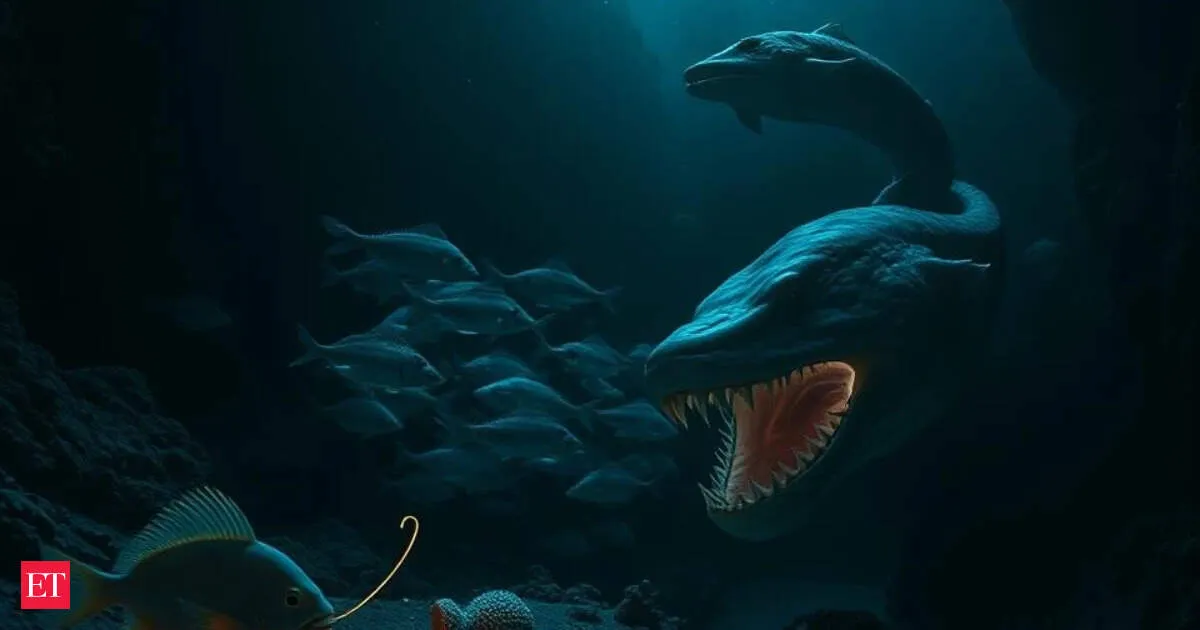
Researchers in Western Australia detected DNA evidence consistent with giant squid in deep waters, using genetic material collected directly from seawater. The same study uncovered a rich community of previously unknown deep-sea canyon life. Scientists say the findings could reshape what we know about elusive ocean giants and strengthen calls to protect these dark, hard-to-study ecosystems.
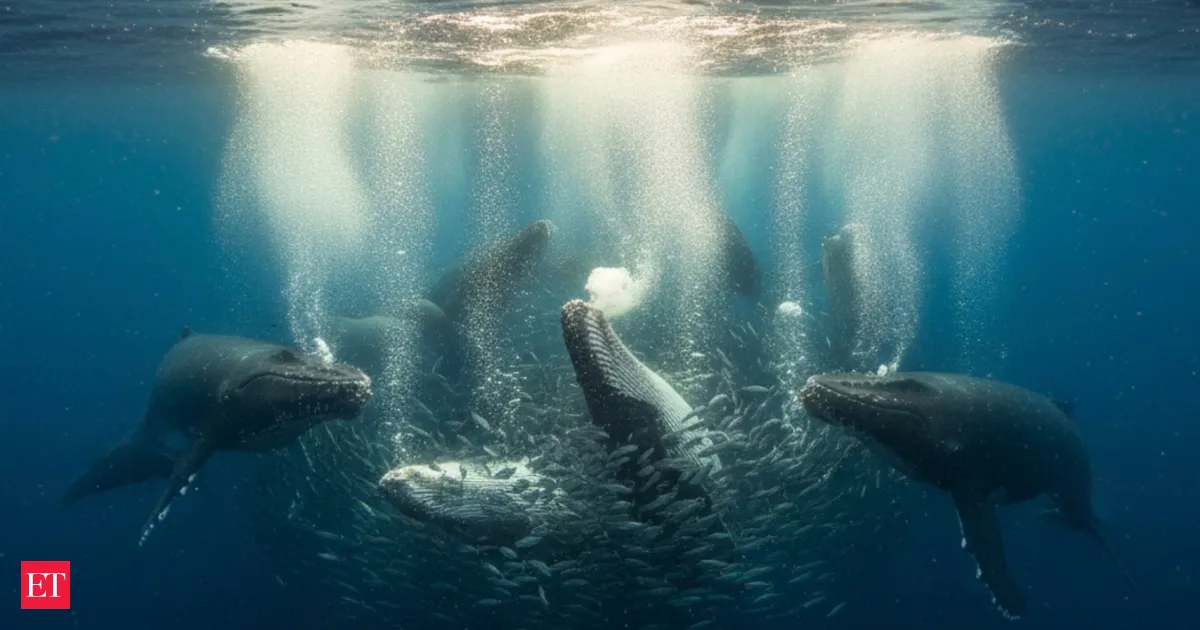
New research underscores that whales are not just migrating and hunting—they are maintaining culture. Pods pass down learned behaviors like migration routes, foraging techniques, and communication styles. Even hunting differs between orcas and baleen whales. Conservation efforts may need to treat each pod’s culture and habitat as a protected system, not just individual animals.
Your news, in seconds
Get the Beige app — every story in 60 words, updated hourly. Free on iOS & Android.
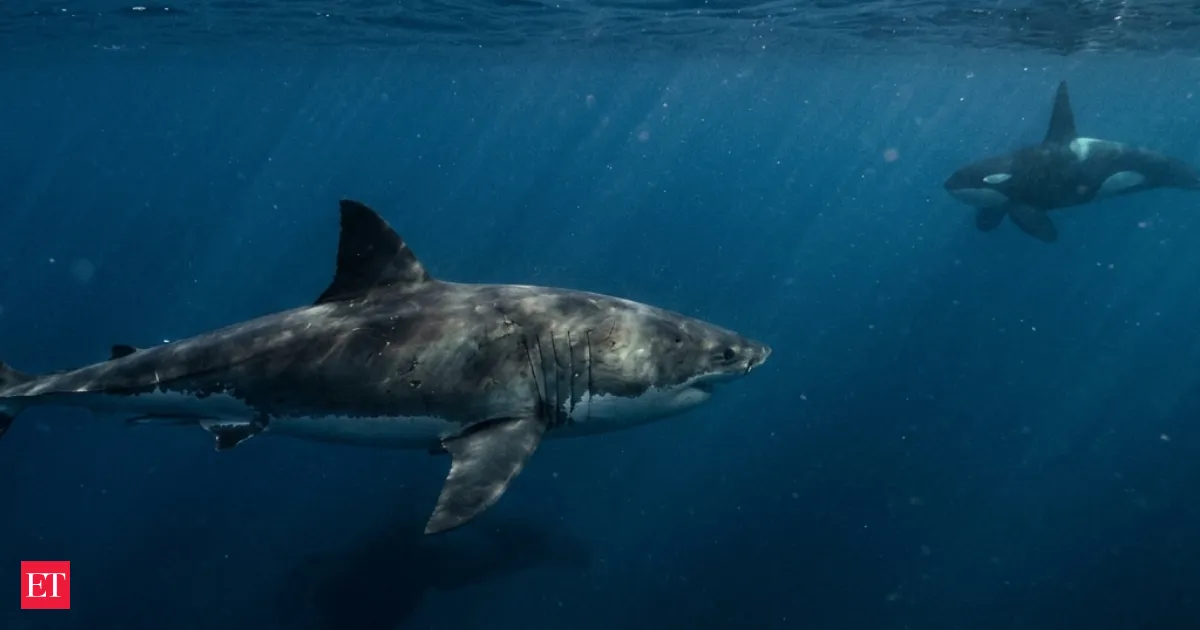
New research suggests great white sharks aren’t always the ocean’s top predators. Killer whales, or orcas, are increasingly recorded encountering sharks worldwide, and sharks are often seen adjusting their behavior to avoid them. Scientists say this isn’t panic—it’s a calculated survival strategy. The result: a shifting predator-prey relationship that’s more complex than expected.
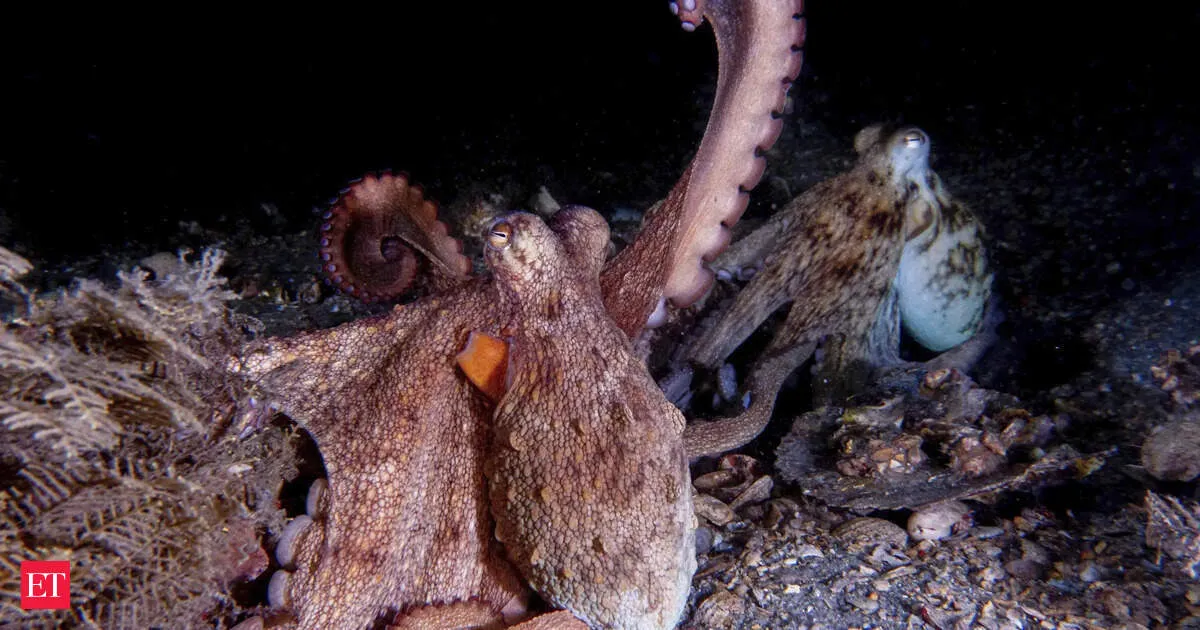
New field research suggests octopuses, unlike humans, don’t rely on a single dominant arm. Instead, they tend to use their front four arms for exploring and their rear arms more often for movement. The findings point to a flexible, redundant limb system that helps octopuses adapt and multitask in their natural habitats.
Swipe through stories, personalise your feed, and save articles for later — all on the app.