India is zeroing in on 100 products where domestic manufacturing needs to scale up, including auto parts, with a goal of serving global markets. The government plans a Made in India Brand Scheme after a pilot in steel to assure quality and drive value addition. Firms are being urged to invest long-term, aided by fresh free trade deals and AI’s manufacturing impact.
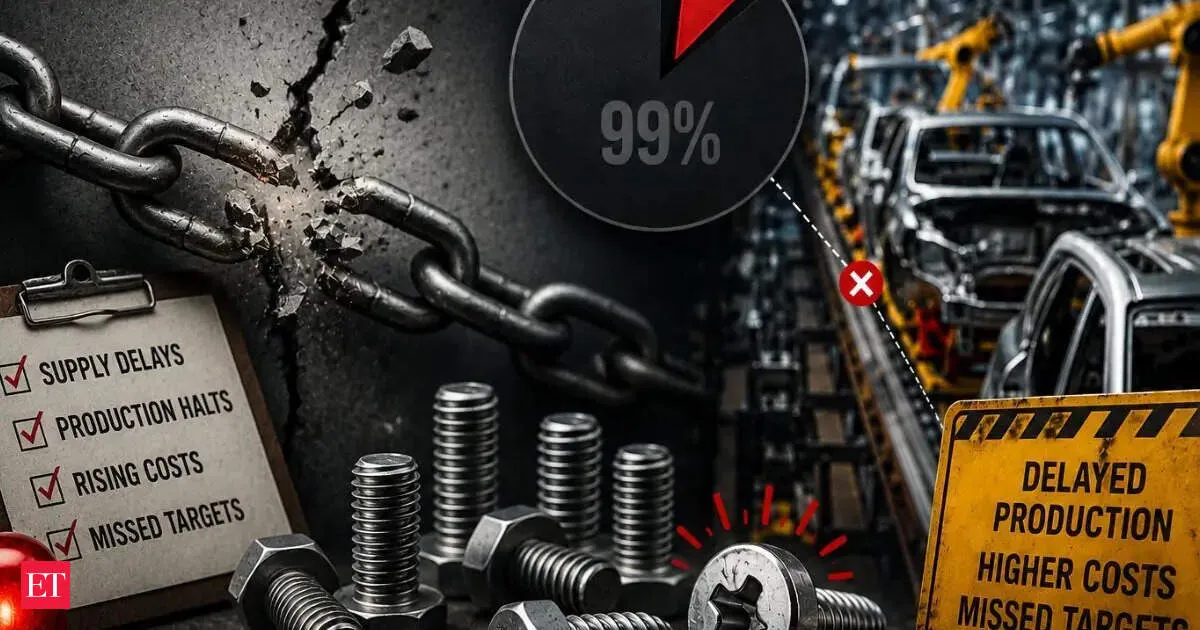
A new analysis warns that tight regulations on fasteners are creating disproportionate manufacturing headaches for India’s makers. The result: higher costs, tighter supply, and downstream disruptions in automotive and construction—industries that rely on “small but critical” components. The report argues for a simpler, risk-based compliance approach for safety-critical fasteners to protect Make in India goals.
Your news, in seconds
Get the Beige app — every story in 60 words, updated hourly. Free on iOS & Android.
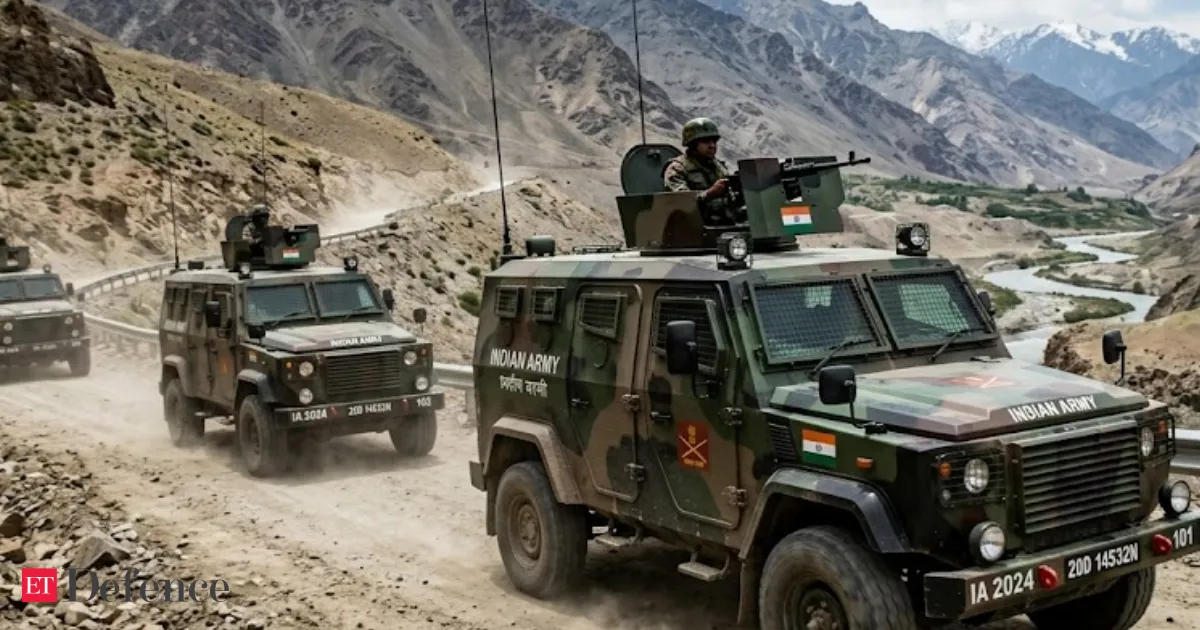
The Indian Army has started the procurement process for 159 bullet-proof troop carriers for operations in Jammu and Kashmir and Ladakh. The vehicles are meant to improve mobility and protection for Rashtriya Rifles personnel in difficult terrain, including high altitudes up to 5,000 meters. The move also aligns with the Make in India initiative to boost domestic manufacturing.
India’s Ministry of Power has updated its Make in India localisation rules for the power sector, outlining a phased approach for HVDC substations. The plan is designed to raise local content gradually, aiming for 60% Indian-made components by 2035. Officials say the shift creates a transition period to help domestic manufacturers expand capacity and compete in supply chains.
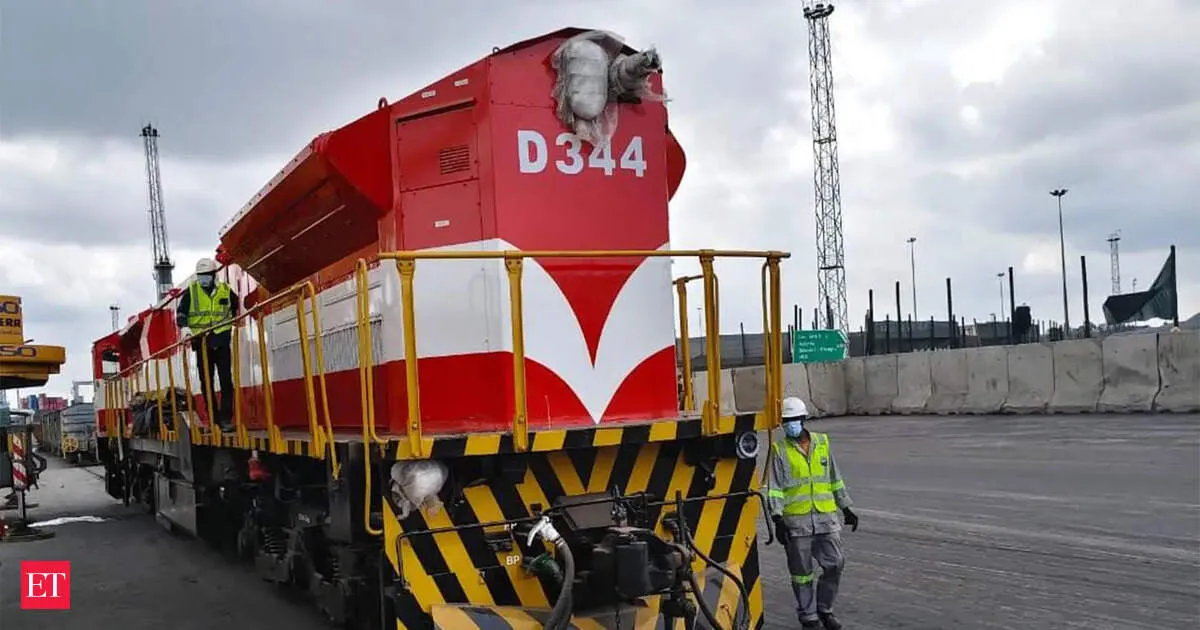
Indian Railways has wrapped its Mozambique locomotive order with the final batch arriving: two 3,300 HP diesel-electric units built at Banaras Locomotive Works. The completion marks a 10-locomotive export and highlights the “Make in India, Make for the World” push, positioning Indian manufacturing as increasingly capable in global rail tech. The locomotives are built for comfort and efficiency.
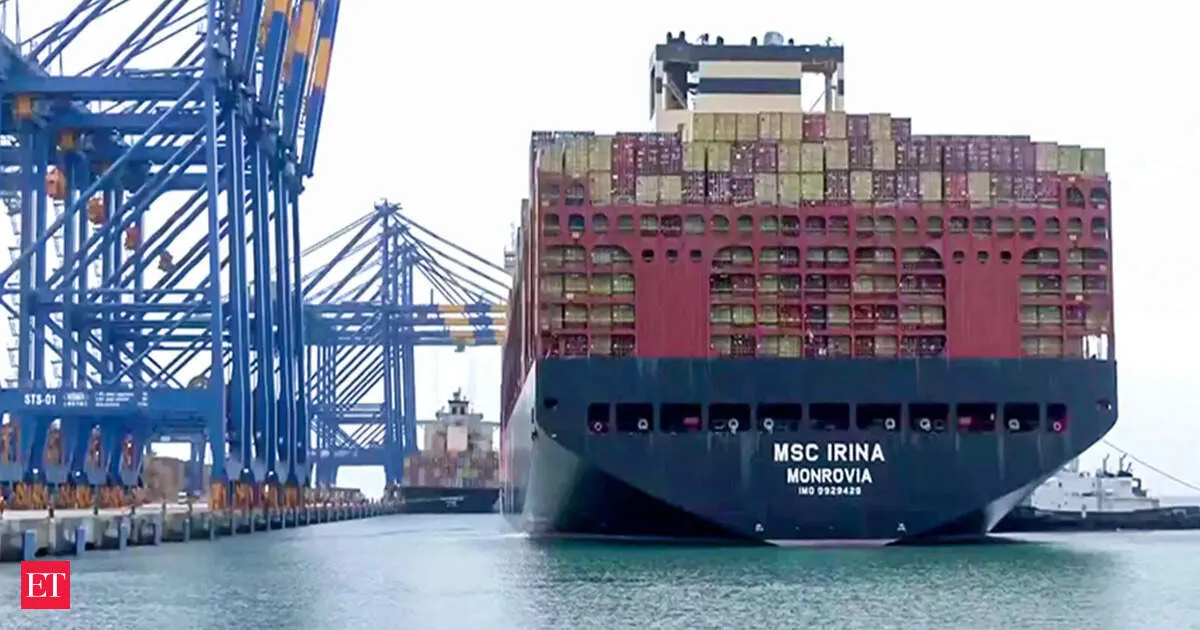
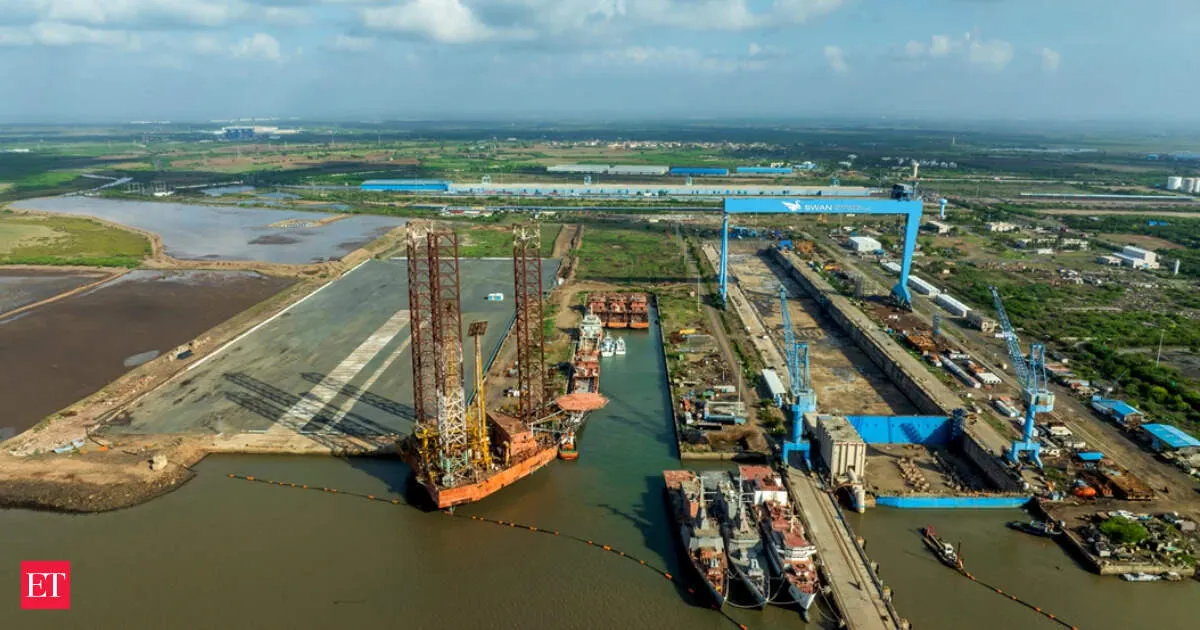
South Korean President Lee Jae Myung will visit India from April 19 to 21, with shipbuilding—especially LNG tankers—at the center of talks under Make in India. The effort focuses on technology transfer and scaling up production, while collaboration may also expand into semiconductors, civil nuclear energy, and defense manufacturing to deepen the countries’ strategic partnership.
Never miss a story
Set alerts for the topics and sources you care about. Download Beige for free.
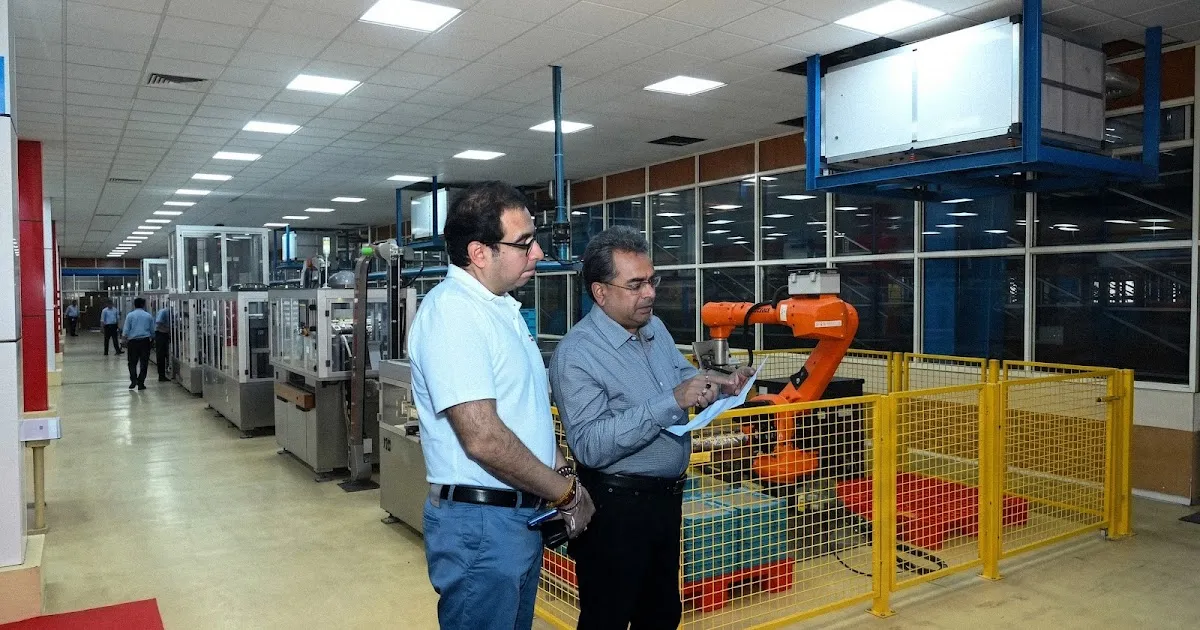
Eveready Industries India has inaugurated India’s only operating alkaline battery facility in Jammu’s Samba, backed by an investment of about INR 200 crore. The plant is designed for peak output of around 360 million alkaline batteries annually, aims to cut import dependence, and plans over 500 direct and indirect jobs. It also features 1 MW rooftop solar, rainwater harvesting, and a zero-discharge design.
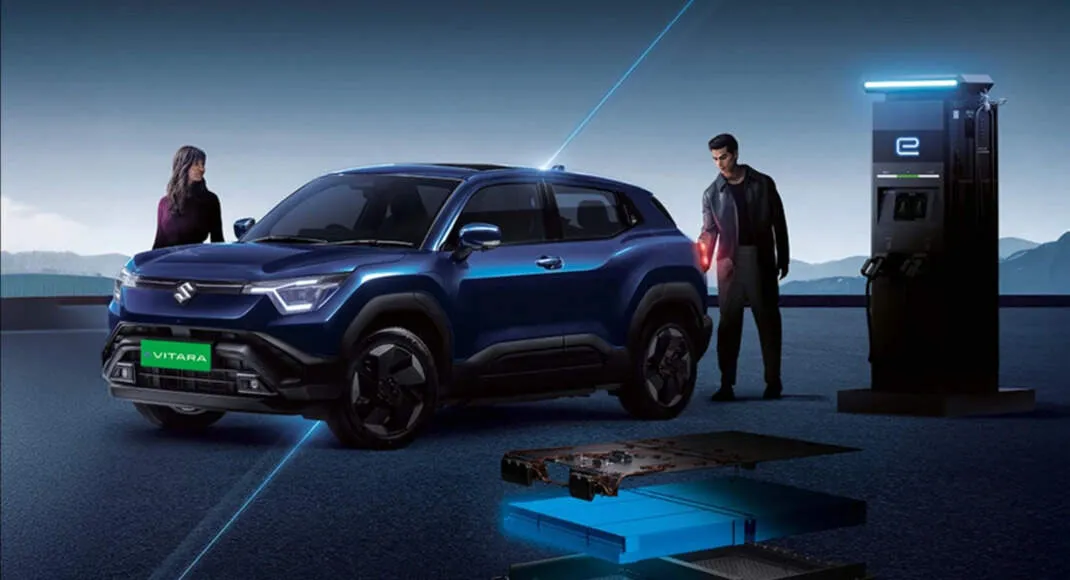
Maruti Suzuki’s first EV will rely on an imported BYD Blade battery pack, a clear break from localisation goals. The automaker cites safety, performance, speed of development, and regulatory complexity as key drivers. The decision underlines how technology readiness, geopolitics, and cost pressures are reshaping India’s EV race and supplier strategies.
Swipe through stories, personalise your feed, and save articles for later — all on the app.