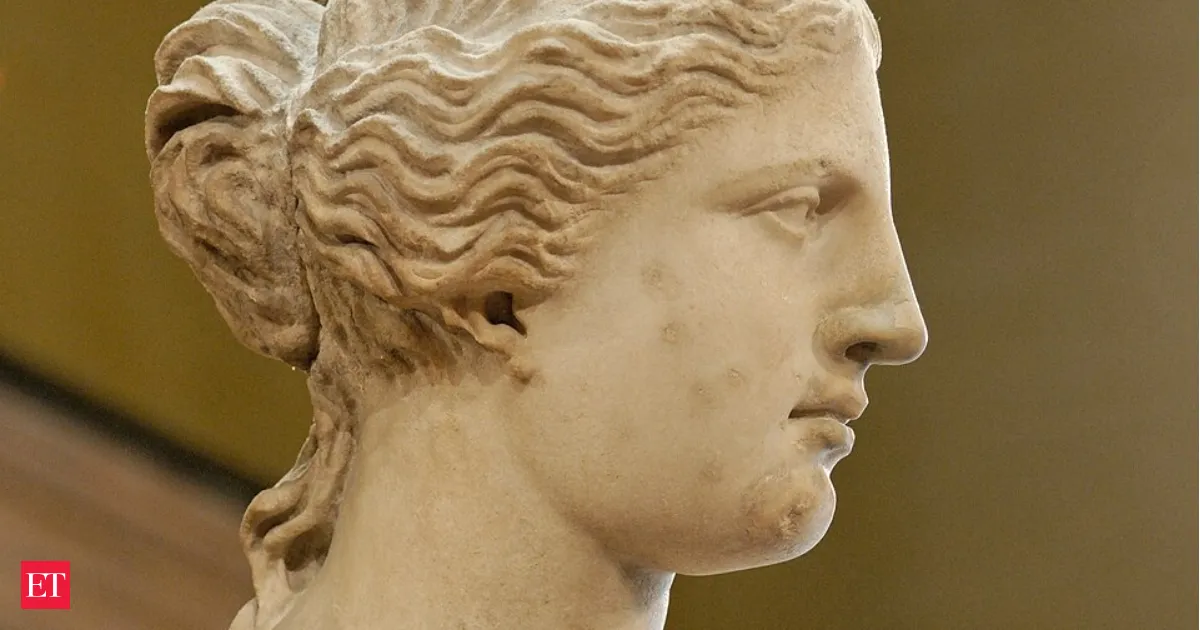
In April 1820, a farmer clearing stones in the ruins of Milos stumbled onto fragments of an ancient marble statue. The discovery, made in four pieces, was immediately recognized as valuable by French naval officer Olivier Voutier, even though the statue was incomplete and already missing its arms. Europe’s 19th-century fascination with classical Greece and Rome helped fuel the rush. After arriving in France in 1821, the Venus de Milo became a star exhibit at the Louvre, and its missing hands only deepened the mystery.
Swipe through stories, personalise your feed, and save articles for later — all on the app.