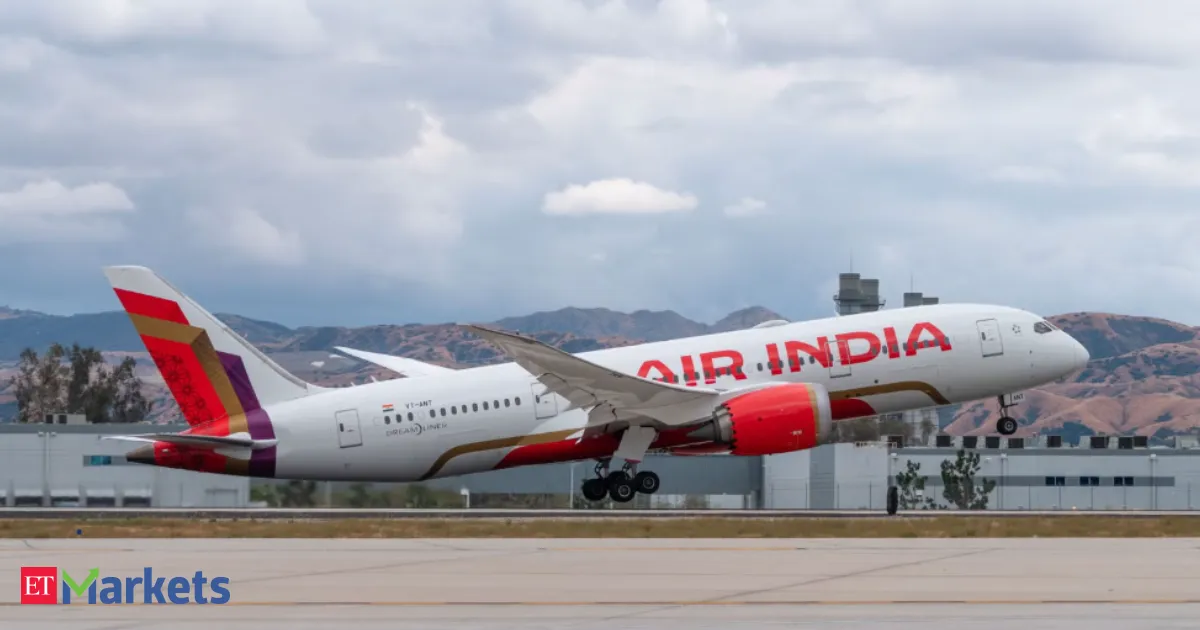
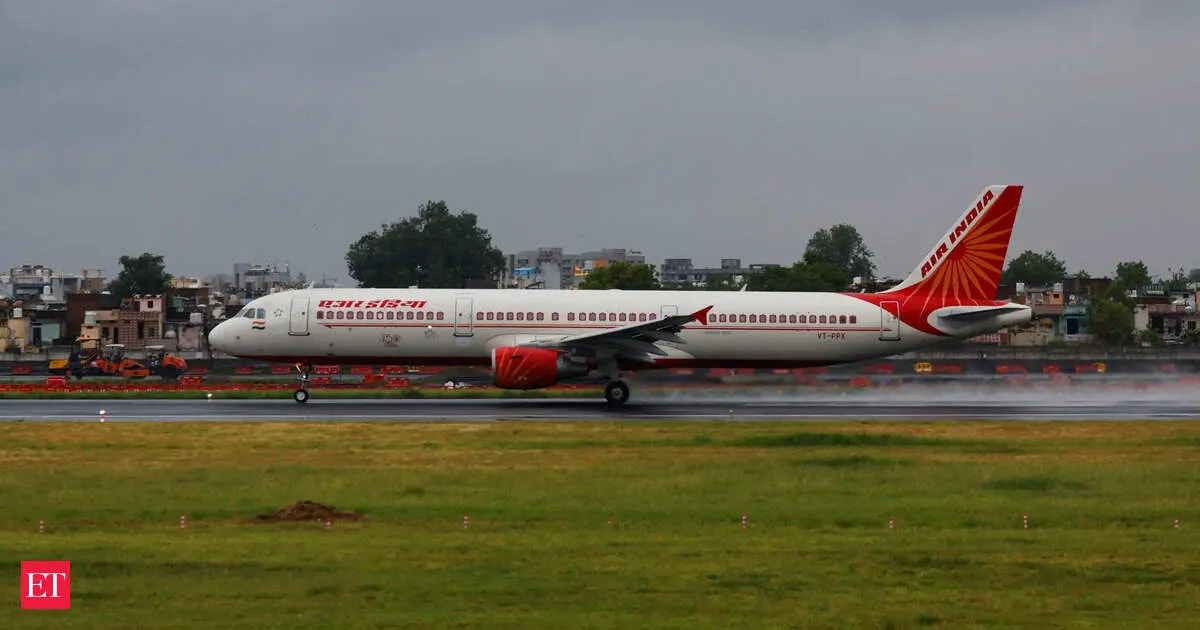
Air India’s annual report shows losses of 3.56 billion Singapore dollars, equivalent to about $2.8 billion at current exchange rates. The figures come alongside Singapore Air’s results, highlighting how differently major carriers are performing as airlines navigate cost pressure, demand shifts, and financial strain.
Urban Company’s shares fell sharply after it reported a 56.7X jump in Q4 net loss to ₹161.2 crore, even as revenue rose 42.6% to ₹425.6 crore. The drag is linked to scaling its quick home services vertical InstaHelp, where expenses climbed and adjusted EBITDA turned negative. InstaHelp orders surged, but profitability is expected to stay under pressure.
Your news, in seconds
Get the Beige app — every story in 60 words, updated hourly. Free on iOS & Android.
TMTG, the company behind Donald Trump’s Truth Social, reported a first-quarter net loss exceeding $400 million. The slump was largely blamed on plunging cryptocurrency valuations, with earnings falling below $1 million. The results intensify scrutiny of TMTG’s heavy investment in the crypto space and its ability to sustain those bets amid market volatility.
Urban Company’s InstaHelp segment drove a dramatic 57-fold jump in net loss to Rs 161 crore in the March quarter of FY26. The company says the increase stems from higher spending as it pushes for market share in the fast-growing, cutthroat on-demand domestic help space, even if short-term profitability suffers.
Urban Company reported a Q4FY26 revenue from operations surge of 43% year-on-year, yet its losses ballooned 57 times to Rs 161 crore. The earnings update highlights how growth in top-line hasn’t translated into improved profitability, raising fresh questions about cost control and unit economics even as demand appears resilient.
Swiggy says its FY26 Q4 loss narrowed to Rs 800 crore, down from Rs 1081 crore a year earlier. The company also reported a 45% year-on-year revenue jump, signaling improving demand. While the turnaround looks encouraging, the next question for investors is whether growth can translate into healthier profitability going forward.
Never miss a story
Set alerts for the topics and sources you care about. Download Beige for free.
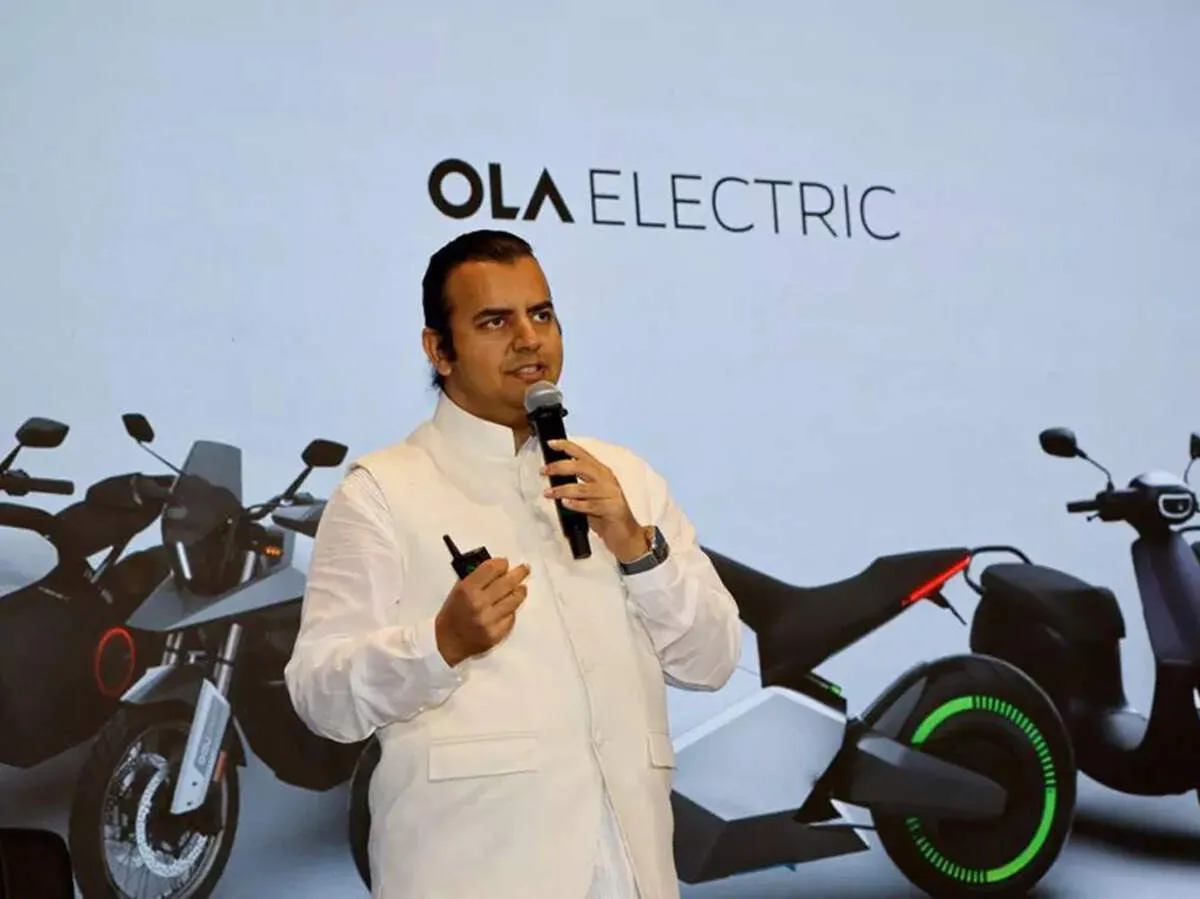
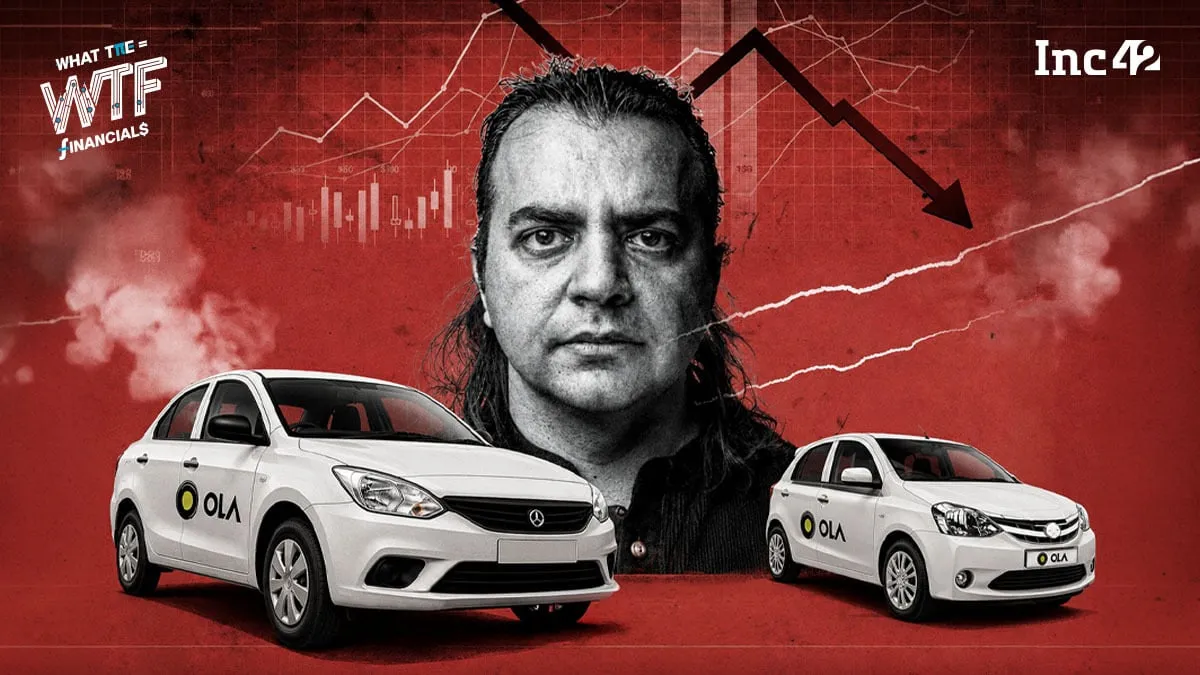
Ola Consumer says it is pressing ahead with IPO preparations, but its latest financials tell a tougher story. FY25 revenue fell 42% and losses more than doubled, with the company also losing market share to competitors. The squeeze has even affected its credit rating. Ola Electric, Bhavish Aggarwal’s other venture, is reportedly facing similar revenue stress.
Ola Consumer, Ola Group’s ride-hailing arm, more than doubled its net loss to ₹662.4 crore in FY25 as operating revenue dropped 41.8% to ₹1,170.9 crore. Losses accumulated to ₹21,212.6 crore alongside debt of over ₹586 crore, though the firm says liquidity is sufficient. Costs fell overall, but marketing surged 117.9% and an IPO process is underway.
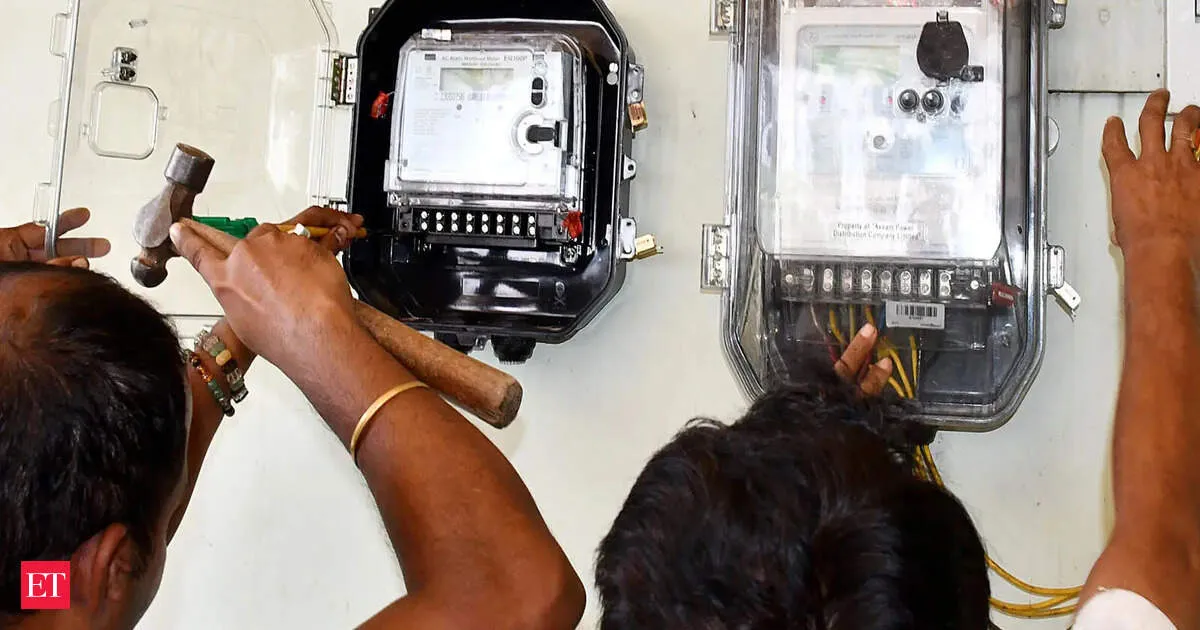
India’s power distribution sector is set for a Rs 11.2 trillion overhaul by 2035, with smart metering moving from hardware upgrades to measurable outcomes. The Central Electricity Authority says digital infrastructure, automation, and AI/ML will power intelligence-driven operations, boosting reliability, improving billing efficiency, and reducing losses, as India targets over 10 crore smart meters by FY27.
Euler Motors, a commercial EV maker, more than doubled its FY26 revenue to Rs 402 crore as EV adoption accelerates. However, widening cost pressures pushed losses up to Rs 308 crore. The company says its unit economics are now positive and expects to reach break-even in the next two to three years, despite the near-term strain.
Reading on mobile?
Open Beige in the app for a smoother experience — free on iOS and Android.
Air India posted a wider-than-expected loss of over ₹220 billion ($2.4 billion) for FY26, citing disruptions ranging from a fatal aircraft crash to airspace restrictions and geopolitical tensions. Now the airline is asking major shareholders, including Tata Group and Singapore Airlines, for additional funding, though the exact amount is still being discussed.
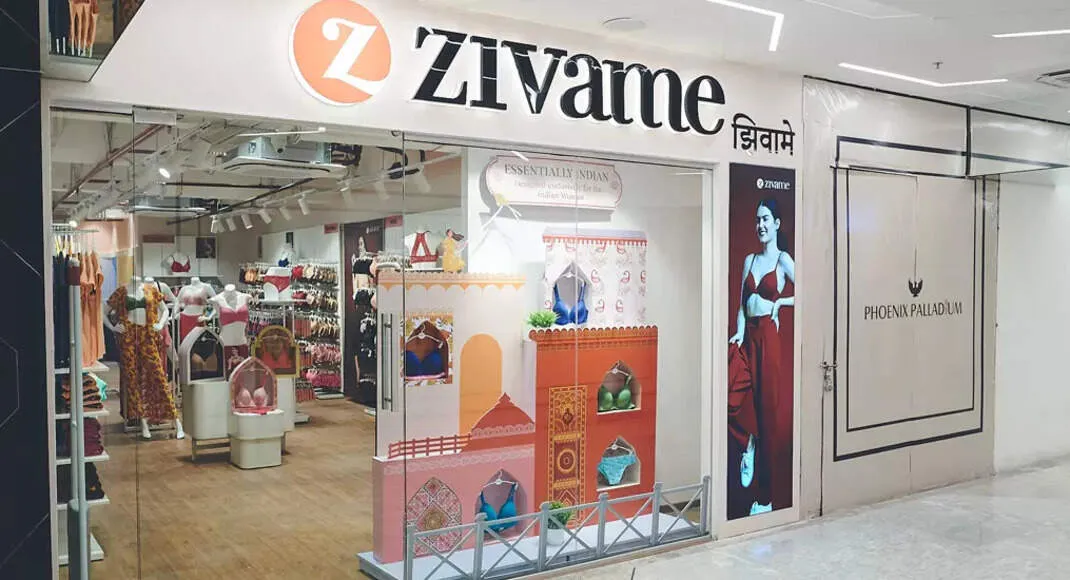
Zivame, the early home-shopping lingerie brand launched in 2011, is still running losses in 2024 despite being backed by parent Reliance Retail. The question now is whether high customer acquisition costs, stiff competition, and operational inefficiencies prevented growth from translating into profits. Can Zivame finally find a scalable fit and turn around soon?
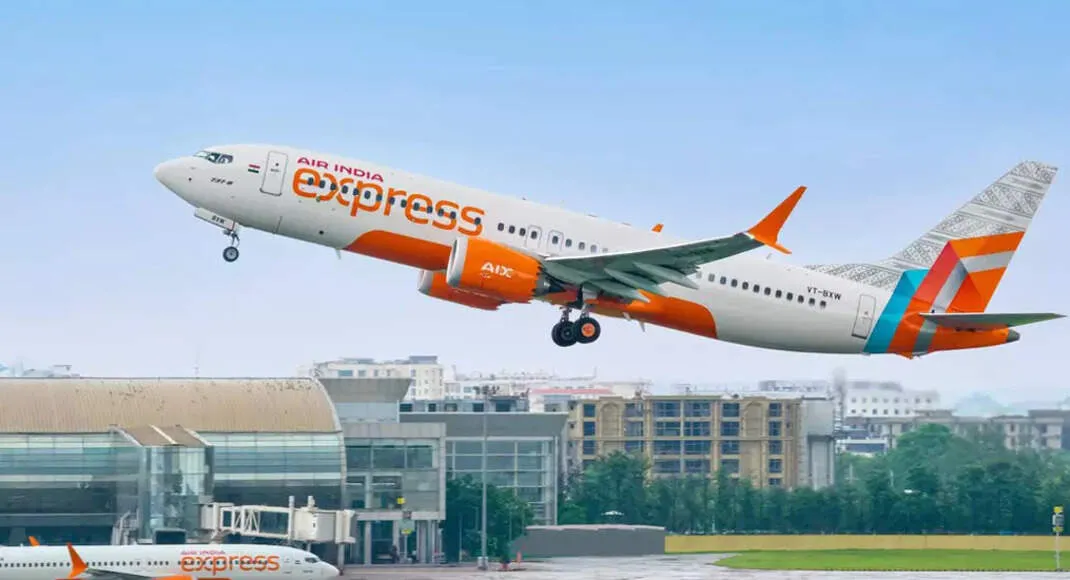
Air India Express is now at the center of Air India’s FY25 financial slump, accounting for INR 5,800 crore of the group’s INR 10,900 crore loss. Once profitable under government ownership, the budget carrier became heavily loss-making after the Tata takeover in 2022, as integration missteps and accounting shocks piled up.
Swipe through stories, personalise your feed, and save articles for later — all on the app.