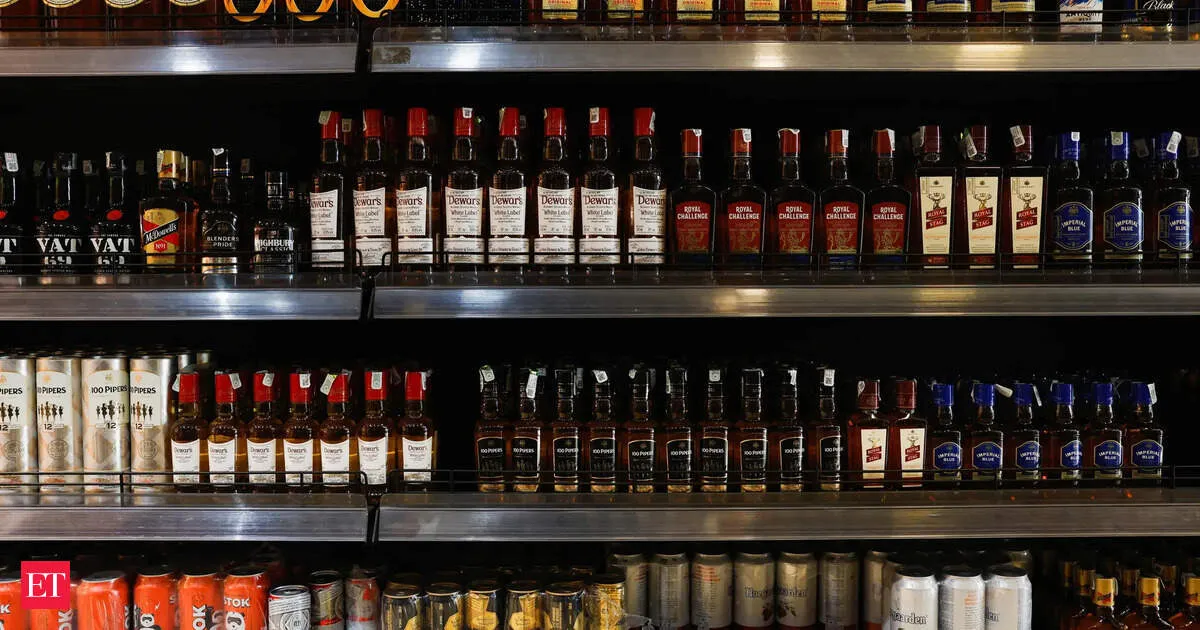
Allied Blenders and Distillers, maker of Officer’s Choice whiskey, is leaning harder into premium and luxury spirits even as inflation concerns tied to the Middle East war linger. Managing Director Alok Gupta said the company is seeing strong double-digit growth in its Prestige & Above portfolio and a rising share in sales value, with profitability prioritized over mass volumes. P&A brands now make up about 47% of volumes and 58% of sales value, while margins are expected to expand to 300 bps by FY28.
As costs rise and customers change how they spend, bars are rethinking cocktail pricing. Venues such as Gus' Sip & Dip and Radicle have launched cocktails around $12 and $10 by tightening ingredient sourcing and reducing waste. The goal is to make cocktails more accessible, keep regulars coming back, and preserve the momentum of cocktail culture despite higher expenses.
Your news, in seconds
Get the Beige app — every story in 60 words, updated hourly. Free on iOS & Android.
Alcohol beverage makers are asking state governments to raise liquor prices, warning that production is getting squeezed by surging packaging costs. They cite sharp increases in the prices of glass, paper, cans and bottles, driven by supply chain disruptions linked to the West Asia crisis. With margins shrinking and costs still climbing, manufacturers warn some units may have to shut down.
Cash handouts following recent state elections are expected to spur short term demand across discretionary categories, with CEOs pointing to apparel, smartphones and electronics as likely winners. Lower and middle income households may use the money for purchases beyond essentials, giving retailers a near term boost. Alcohol sales could also rise immediately, adding to the demand spike.
Karnataka has unveiled a draft excise policy aiming to reduce alcohol consumption by 8–9% over the next six years. The plan, announced by Chief Minister Siddaramaiah, shifts taxation toward beverage strength, introduces digital supply chain tracking, and simplifies licensing. It also targets illicit trade and proposes tighter outlet rules near sensitive zones to improve enforcement.
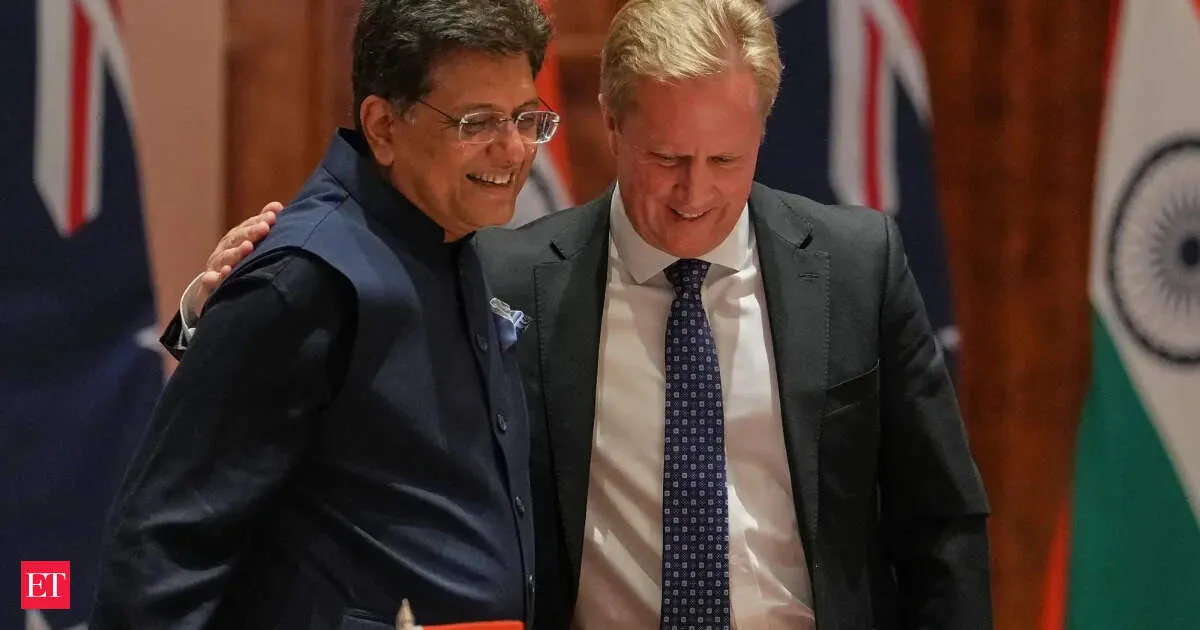
India’s free trade agreement with New Zealand is expected to boost exports of Indian liquor, with duty concessions making products like single malt whisky more price competitive. The pact is also seen as a boost for market entry and brand building. Current exports are relatively small, but the agreement could unlock meaningful growth if Indian producers scale up demand.
Never miss a story
Set alerts for the topics and sources you care about. Download Beige for free.
Delhi’s excise department has ordered five “dry days” between May and September, when liquor shops will remain closed. The dates include Buddha Purnima, Id-ul-Zuha, Muharram, Independence Day, and Janmashtami, notified under Rule 52 of the Delhi Excise Rules, 2010.
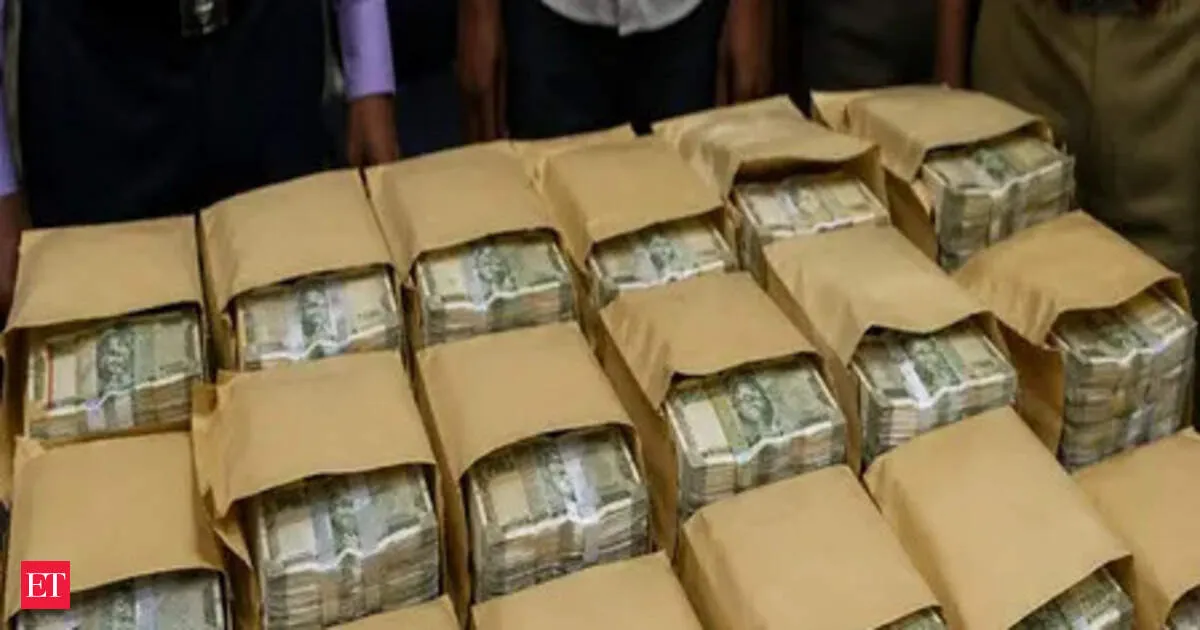
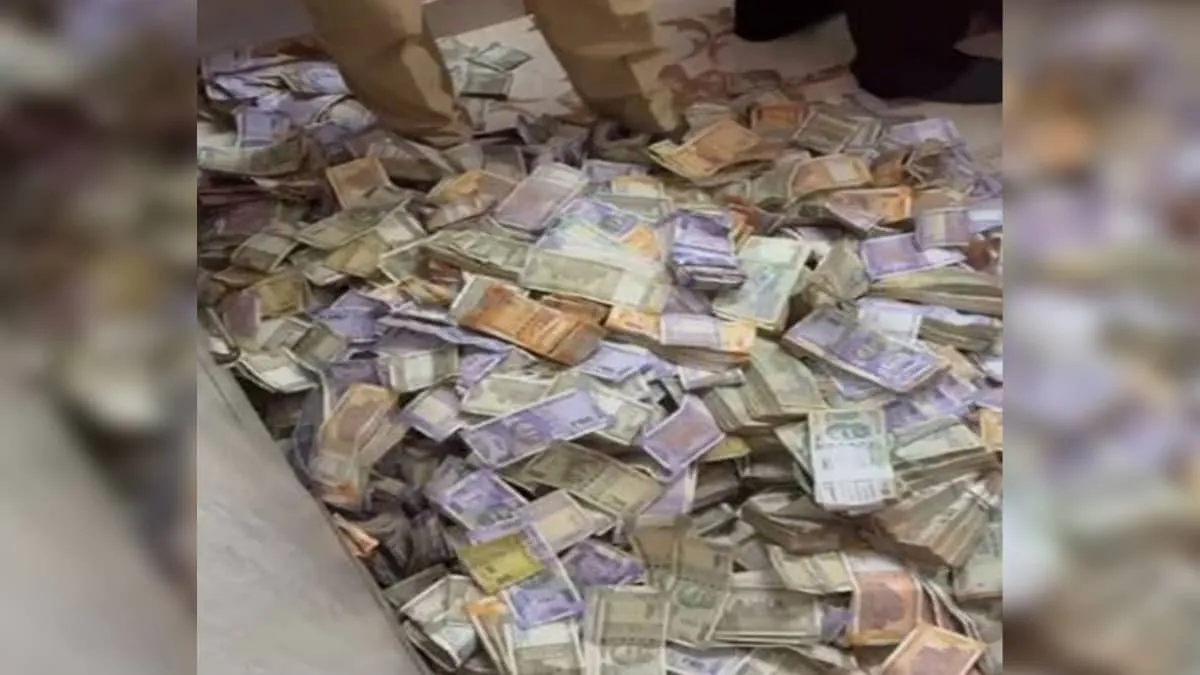
Pune police carried out a prohibition raid in Kondhwa on Thursday at Kakade Vasti, leading to the seizure of Rs 1,00,85,950 in cash and a large stock of illicit liquor. The operation was led by crime branch unit officials, and three people have been booked as investigations continue into the suspected illegal liquor trade.
John Distilleries founder Paul John says he is open to selling his remaining stake to US spirits group Sazerac. Sazerac already holds a major position in the Indian liquor maker, and both sides are exploring changes in shareholding. John believes Sazerac can support future growth as India’s spirits market is forecast to become the world’s largest by volume.
Swipe through stories, personalise your feed, and save articles for later — all on the app.