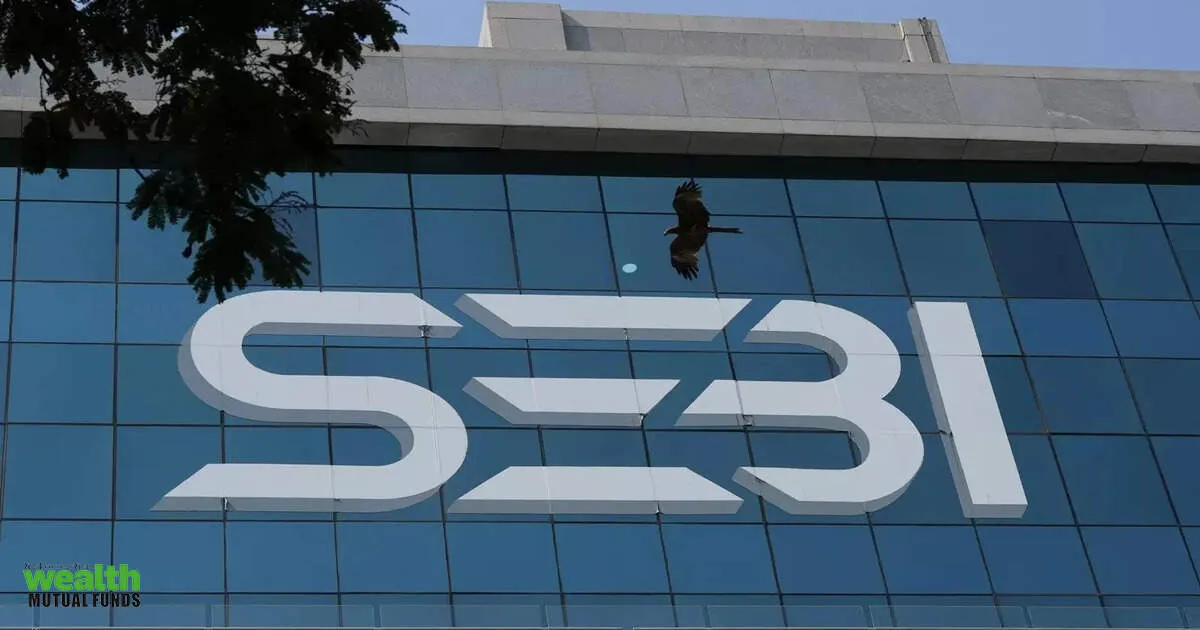
SEBI is considering easing borrowing norms for mutual funds, potentially allowing intraday borrowing for a broader range of purposes. The regulator is weighing uses such as meeting trade settlement obligations, handling forex transactions, funding derivative margin requirements, and addressing other short-term liquidity needs—aiming to reduce operational stress without compromising oversight.
US corporate bond markets are rallying as credit spreads tighten, new issuance picks up, and liquidity stays strong. Investors with cash on the sidelines are rotating into risk assets for higher yields, even with geopolitical tensions in the background. Corporate balance sheets look healthy and earnings trends remain steady, reinforcing confidence.
Your news, in seconds
Get the Beige app — every story in 60 words, updated hourly. Free on iOS & Android.
Indian banks are gearing up for robust double digit corporate credit growth this fiscal year, driven by faster demand from infrastructure, renewable energy, manufacturing, and data centre projects. Lenders including SBI and Bank of Baroda report healthy loan pipelines, signaling an upbeat outlook for business lending. Yet, sustaining the momentum hinges on managing liquidity pressures.
India’s 10-year government bond yield in Mumbai jumped past 7% to close at 7.01% as crude oil prices rose and hawkish comments from the US Federal Reserve pushed global yields higher. Money market rates climbed too, reflecting shrinking banking liquidity and tighter financial conditions, increasing pressure on borrowing costs.
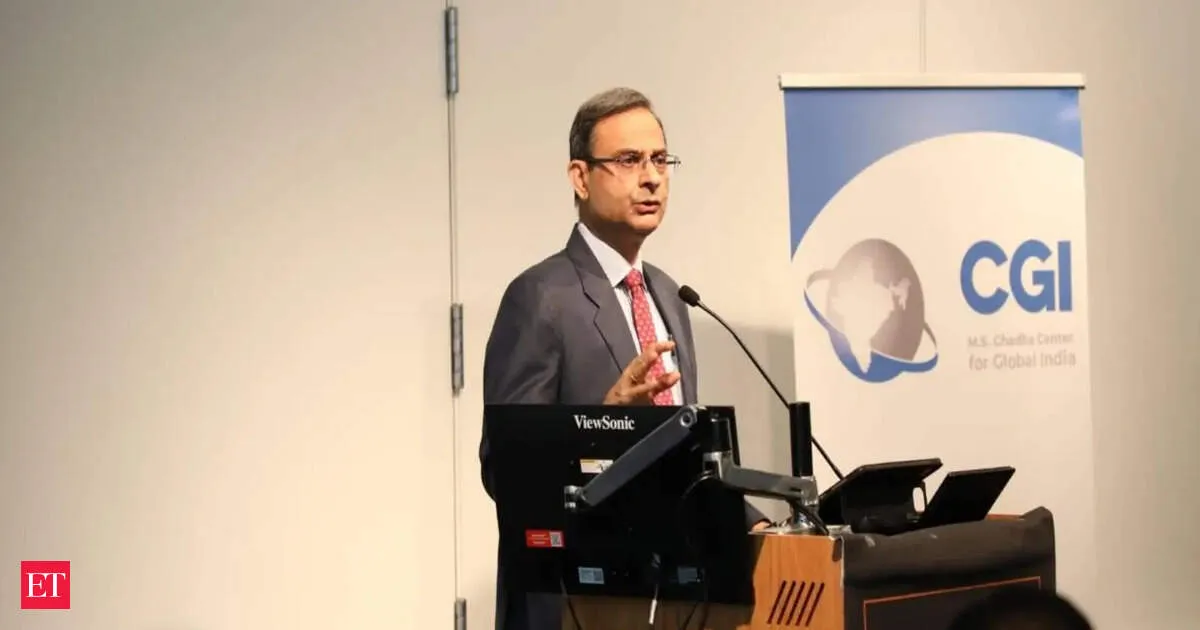
RBI Governor Sanjay Malhotra says India’s financial markets are holding up strongly despite global headwinds, citing rapid growth, controlled inflation and a robust banking sector. He argues the next phase of growth requires deeper, more efficient markets—driven by higher liquidity and broader participation. The RBI is also rolling out steps to improve market efficiency and transparency.
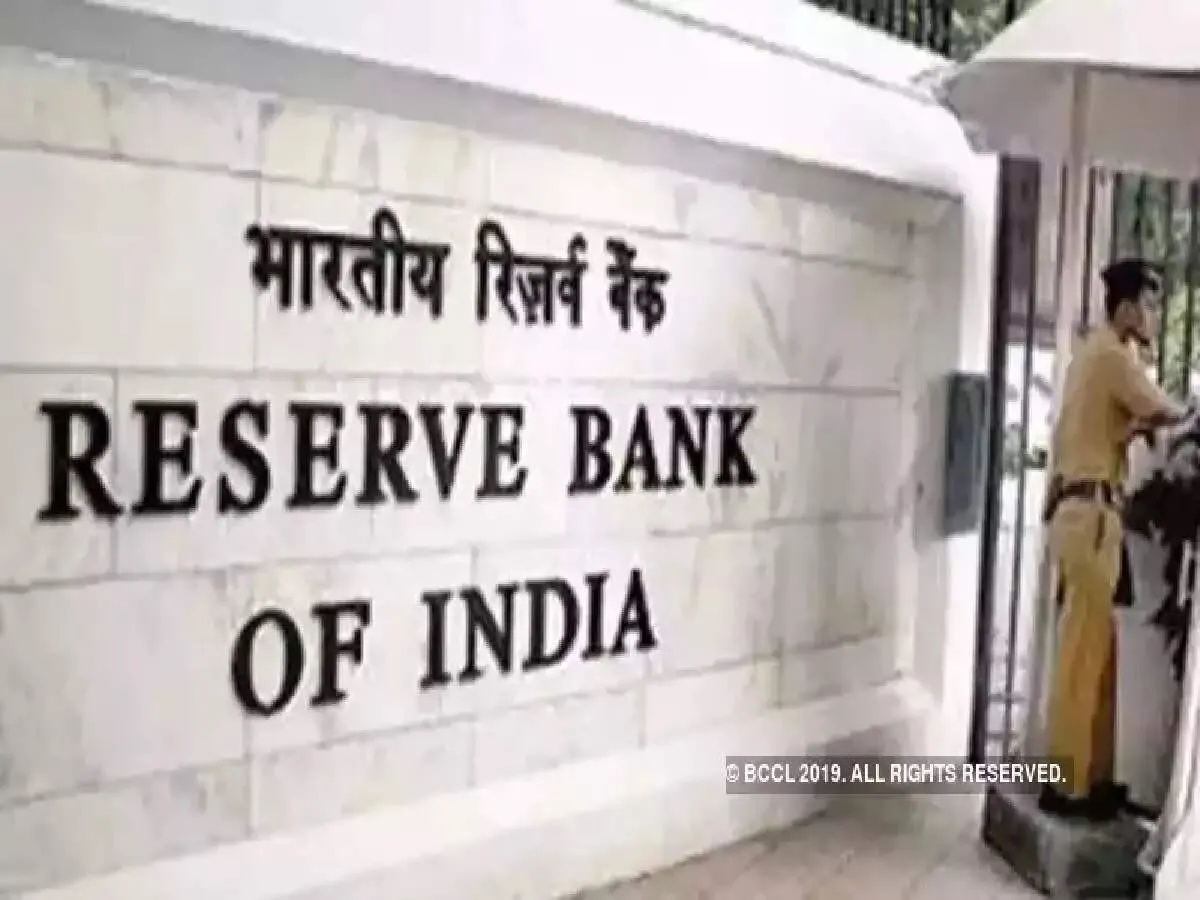
The Reserve Bank of India has reduced deposits with other central banks and increased allocation to US Treasury bills, signaling a shift toward assets with deeper global liquidity. The change is linked to rising geopolitical tensions and aims to strengthen India’s foreign exchange reserves through the transition to more globally liquid instruments.
Never miss a story
Set alerts for the topics and sources you care about. Download Beige for free.
Deepak Builders & Engineers has approved a 1:10 stock split and increased its authorised share capital to Rs 65 crore. The company says the changes are aimed at improving liquidity, making shares more accessible, and strengthening its capital base. Management also frames the move as support for future growth and greater investor participation.
India’s formal loan market roared back in FY26, with credit flows rising 38% after a prior-year contraction. RBI policy rate cuts and liquidity injections helped restart demand, driving credit expansion to ₹44.6 lakh crore. The outstanding financial resources of India’s commercial sector also crossed ₹300 lakh crore for the first time, signaling broad-based momentum.
MPC external member Ram Singh signaled that a repo rate hike is not on the cards for now, tying the decision to whether inflation triggers second-round effects. He expects the West Asia conflict to ease, which could moderate price pressures, while saying forex reserves remain adequate and open market operations will support liquidity. Growth, he adds, stays resilient despite supply risks.
Sebi has relaxed settlement norms for foreign portfolio investors in the cash market by allowing net settlement of funds. The change permits netting of outright transactions while keeping safeguards intact, aiming to reduce liquidity requirements and streamline operations. Officials expect this to lower trading friction and make Indian markets more attractive for global investors.
Reading on mobile?
Open Beige in the app for a smoother experience — free on iOS and Android.
The RBI has conducted special audits to verify whether Indian banks are meeting liquidity criteria, essentially checking that their balance sheets hold up under regulatory expectations. The move signals the central bank’s focus on compliance and risk monitoring, using targeted reviews to confirm banks are following liquidity rules rather than assuming they are.
Indian government bonds held steady as traders digested a heavy supply event: a large sale of the benchmark 10-year note. Attention then shifted to the auction results, with expectations that yields could rise. At the same time, easing liquidity dragged overnight index swap rates lower, while concerns over high oil prices tied to a fragile US-Iran ceasefire kept risk sentiment cautious.
Even without a fresh RBI push for rate hikes, some banks are increasing deposit interest rates. The reason, according to the report, is RBI’s focus on systemic stability, which is nudging banks to strengthen balance sheets by attracting more deposits. As competition for funds rises, banks may offer higher rates to keep liquidity comfortable.
An asset management company is planning to launch a ₹1,000 crore bond issue, aiming to be among the first movers in the debt market. The strategy banks on current liquidity conditions and signs of early investor interest, positioning the issuer to capture demand ahead of competitors.
Follow your favourite sources
Track sources, tags and categories — all in the Beige app.
In a sharp message, the RBI argued that weak growth can’t be blamed on monetary policy alone. It pointed to its decision to avoid cutting rates by 35 bps or more, signaling that liquidity availability is not the binding constraint on growth. The stance seeks to limit the idea that more monetary easing would automatically translate into stronger economic performance.
Several small-cap mutual funds that had temporarily restricted inflows due to stretched valuations and high liquidity are now reopening, but not uniformly. Some have lifted gates, while others—especially larger funds—remain closed, citing capacity limits and liquidity risks. Investors are urged to treat these moves as disciplined risk management, not signals to time the market.
Indian companies are cutting back on overseas bond issuance as domestic liquidity improves and a weaker rupee makes local borrowing more appealing. With funding costs and currency dynamics turning in favor of onshore markets, issuers are favoring local fundraising over foreign capital. The shift signals how quickly corporate debt strategies are responding to market conditions.
Banks that traditionally relied on deposits and wholesale funding to drive lending are increasingly parking money in mutual funds. The move helps manage returns and liquidity but also puts banks in direct competition for investors’ savings, where mutual fund investments can replace or reduce demand for bank deposits and loans. The result: a reshaped financial landscape.
Stay informed on the go
Bite-sized news from 100+ trusted sources, right in your pocket.
Swipe through stories, personalise your feed, and save articles for later — all on the app.