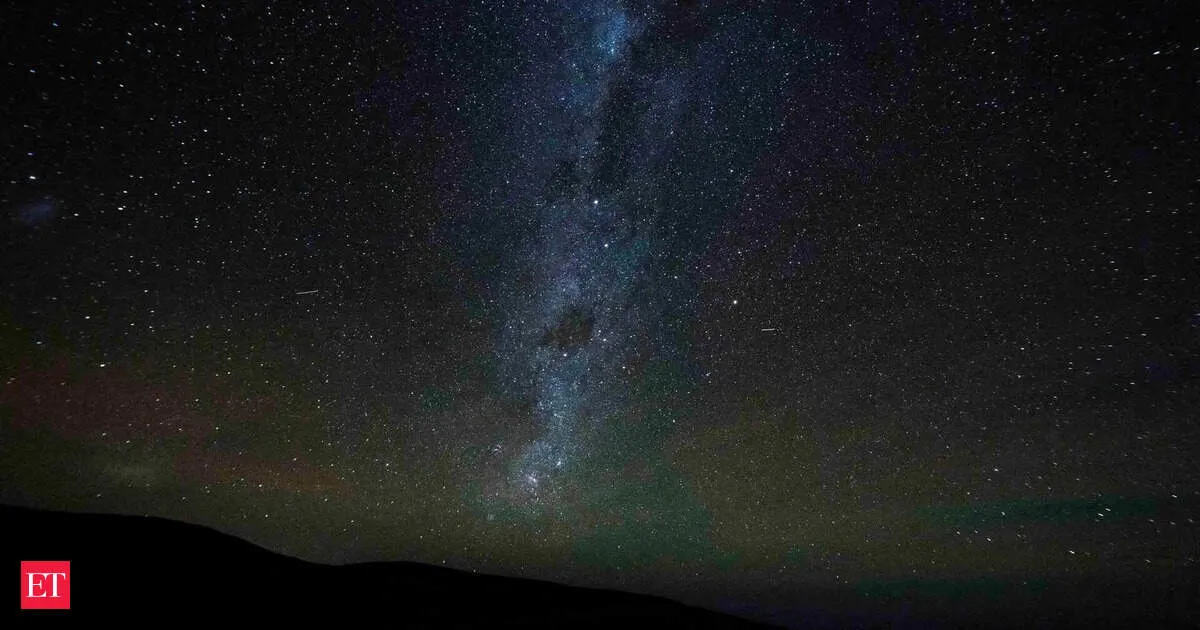
Chile’s Atacama Desert, famed for crystal-clear nights, still faces a light-pollution risk. Even though a nearby energy project was cancelled, scientists warn that lax regulations could permit similar projects to return. Beyond glare, desert dust from construction could also blur observations, threatening sensitive astronomical research. Authorities are now pushing stronger protections for dark-sky zones.
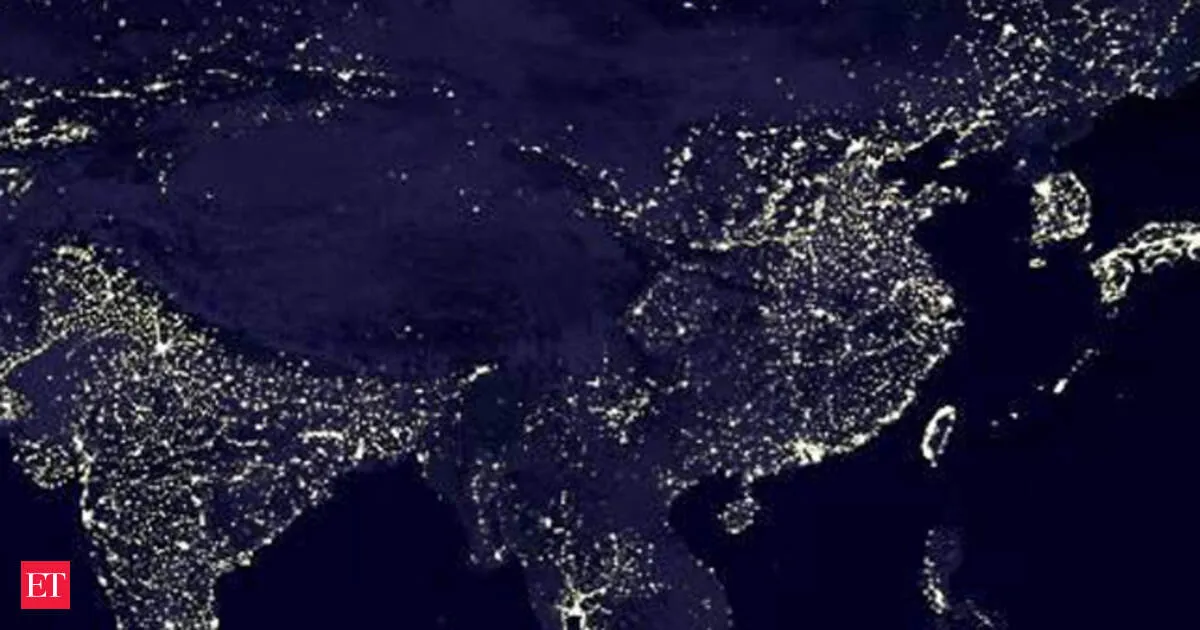
Satellite measurements show Earth’s nighttime illumination rose 16% from 2014 to 2022. The biggest drivers are urban expansion and improved energy access across developing regions. Yet the story isn’t uniform: parts of Europe are actively dimming streetlights and tightening policies to cut energy use and light pollution, underscoring a growing split in global lighting trends.
Your news, in seconds
Get the Beige app — every story in 60 words, updated hourly. Free on iOS & Android.
Swipe through stories, personalise your feed, and save articles for later — all on the app.