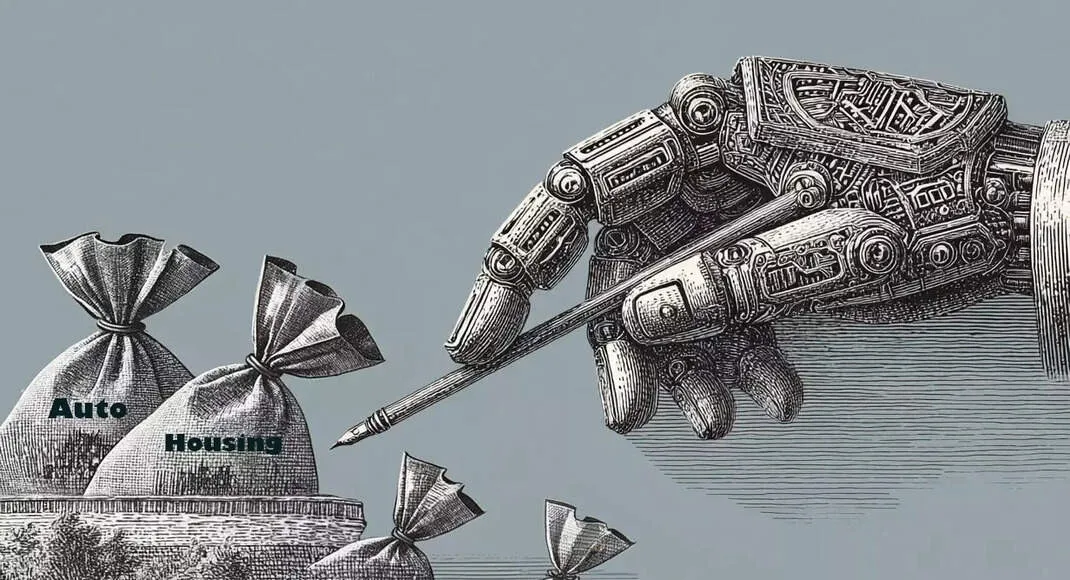
India’s biggest fintech firms are shifting from disruption to regulation by actively chasing multiple licences across payments, lending, and wealth management. Companies such as PB Fintech, Mobikwik, and Paytm are using licensed operations to manage the full customer lifecycle and grow revenues, helped by regulatory pressure and stronger investor confidence in compliant models.
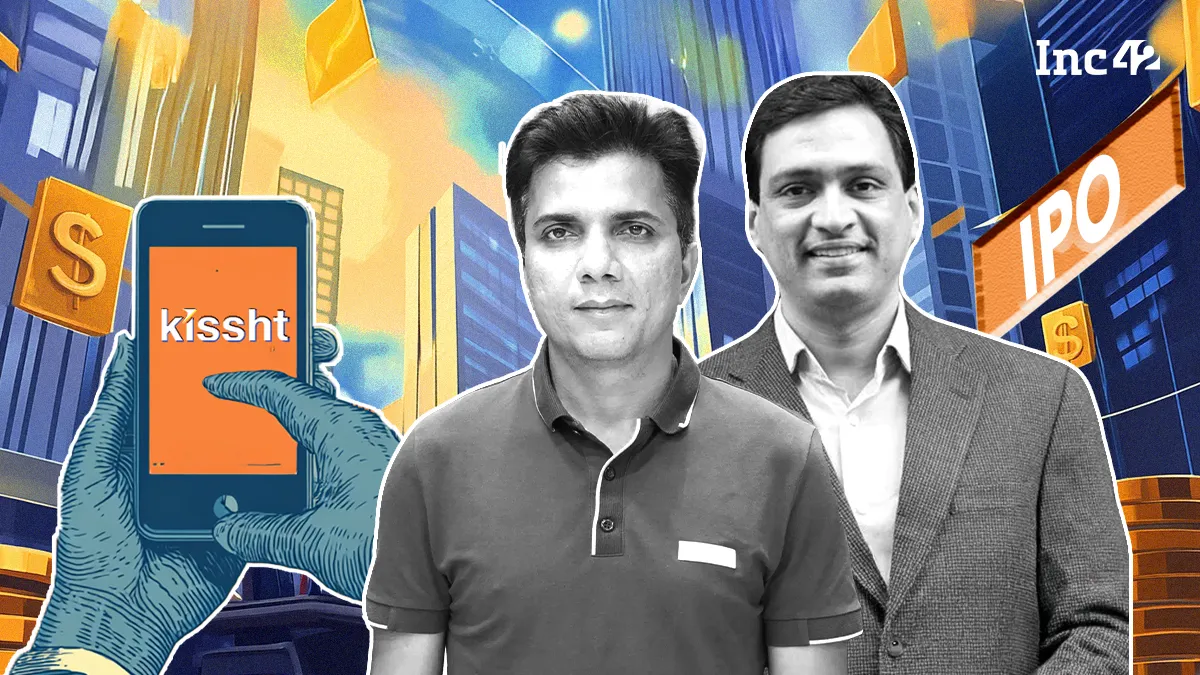
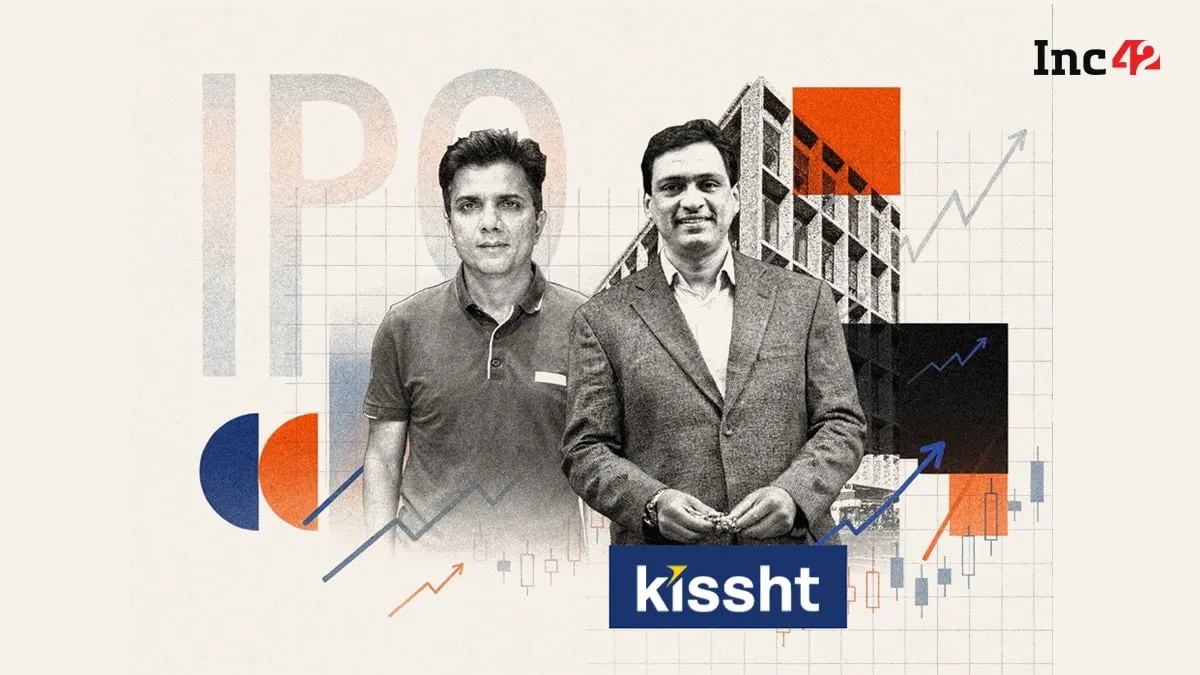
Kissht’s parent OnEMI Technology Solutions is set to list after an IPO that was oversubscribed 9.5X. Early investors booked gains through offloading shares via OFS. Ammar Sdn Bhd made ₹19.8 Cr, Vertex Ventures sold shares worth ₹29.2 Cr, while Ventureast reported three funds delivering up to 10.9X returns. The valuation at the upper price band nears ₹2,881 Cr.
Your news, in seconds
Get the Beige app — every story in 60 words, updated hourly. Free on iOS & Android.
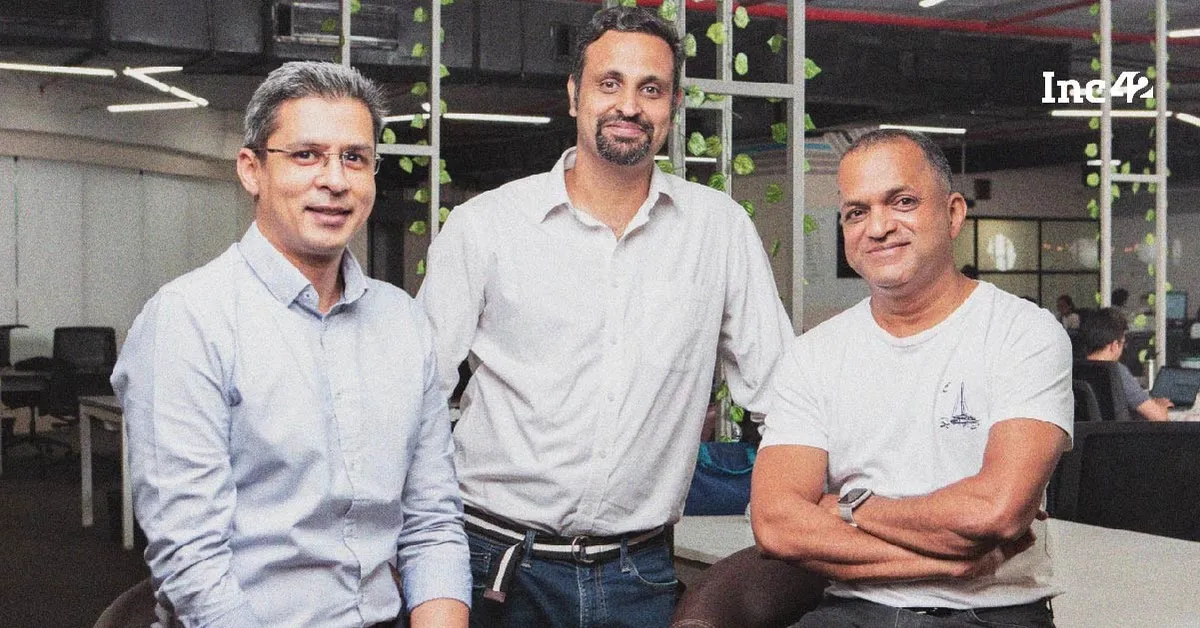
Digital banking startup Freo has acquired a 100% stake in credit marketplace IndiaLends, pending regulatory approvals. The move will combine Freo’s licences and product stack with IndiaLends’ marketplace distribution, targeting profitable growth at scale. Freo says the combined platform can serve over 5 crore users, with AI embedded across the stack, while both brands will operate independently.
Bank lending for consumer durables like washing machines and televisions is shrinking, while credit cards are increasingly used for these smaller purchases. The space is being filled by non-banking finance companies that can profit from low-ticket ticket sizes. Consumer durable loans remain a tiny share of total bank lending, and the shift toward cards and NBFCs is likely to keep growing.
CSB Bank says it is getting cautious on gold loans as gold prices turn volatile amid geopolitical tensions. The lender expects slower growth and is reshaping its strategy toward wholesale and SME lending, using digital strengths to support the shift. It plans to keep credit growth steady, with conservative loan to value ratios to manage risk.
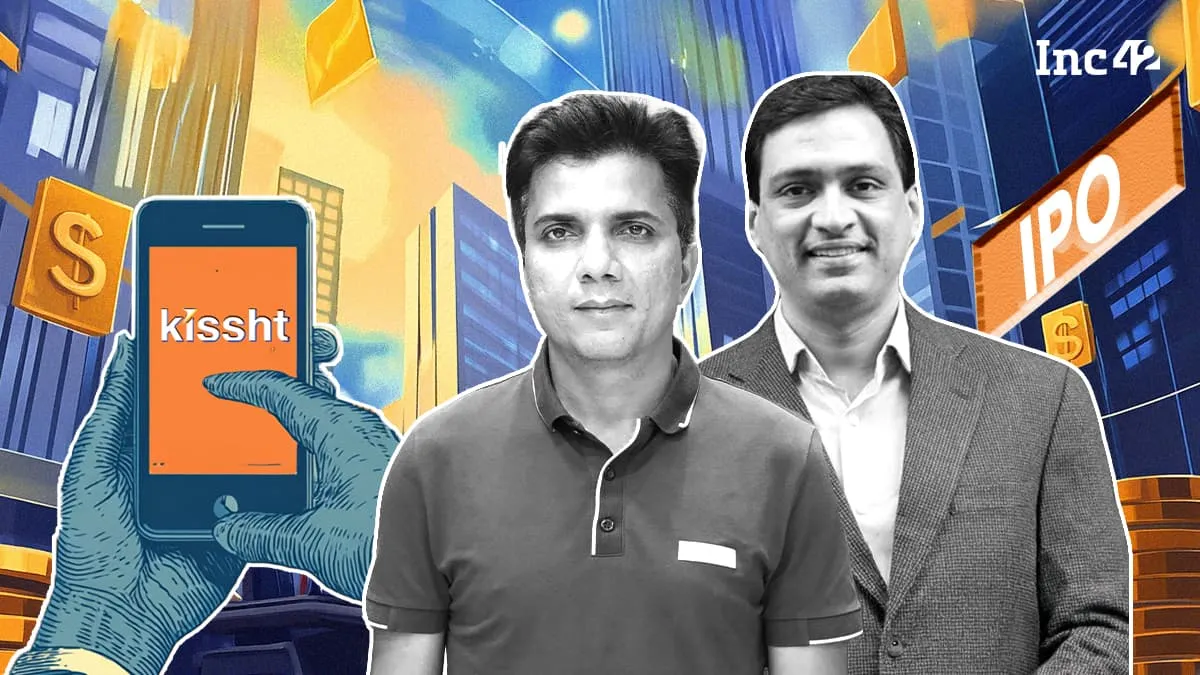
OnEMI Technology Solutions, the parent of lending platform Kissht, has raised ₹277.8 crore from anchor investors ahead of its April 30 IPO bidding. Kissht allotted 1.62 crore shares at ₹171 per share, the upper end of its ₹162–₹171 range. The issue runs April 30 to May 5 and includes a fresh ₹850 crore component plus an OFS.
Never miss a story
Set alerts for the topics and sources you care about. Download Beige for free.
Bank credit growth slowed to 15% in the fortnight ending April 15, after banks accelerated lending ahead of the financial year end. Even with this dip, credit growth has stayed in double digits for more than seven months, pointing to continued revival in loan demand from both individuals and businesses.
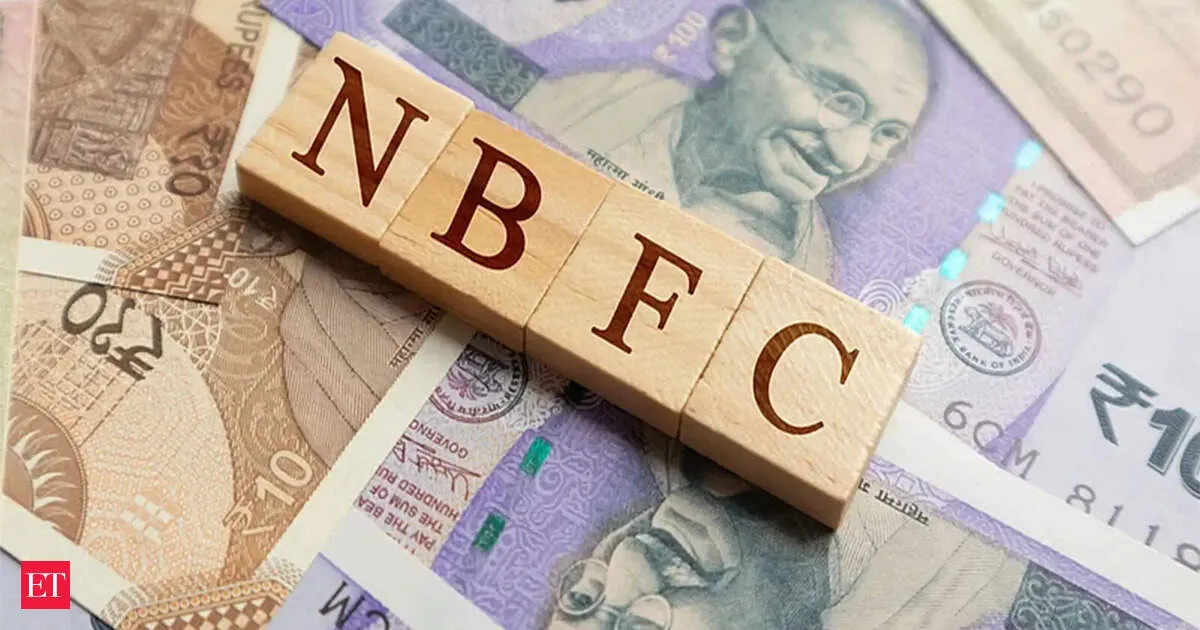
MobiKwik has received Reserve Bank of India approval for an NBFC licence, setting up the launch of its own lending business. The fintech plans to operate this through a wholly owned subsidiary and roll out new credit products for both consumers and merchants. The RBI nod marks a major step as MobiKwik moves beyond payments into direct credit offerings.
Kissht’s parent OnEMI Technology Solutions has filed its RHP for a ₹922 crore IPO, opening for bidding on April 30 and closing May 5. Anchor bidding runs April 29. The IPO includes a fresh issue of up to ₹850 crore and a reduced OFS. The public price band is ₹162–₹171, valuing the firm at about ₹2,774 crore at the top end.
IDFC First Bank expects no immediate rise in deposit rates after recent cuts, signaling stability on funding costs. The lender says microfinance stress is now under control while it concentrates on growth across mortgage, vehicle and consumer loans. It also plans to expand rural banking and its priority sector loan book, alongside technology and mobile app investments for future growth.
Reading on mobile?
Open Beige in the app for a smoother experience — free on iOS and Android.
AI adoption is giving NBFCs a measurable edge in lending, helping them win market share by improving credit underwriting and decision speed. The shift could let NBFCs grow faster than traditional banks over the next decade, squeezing incumbents that rely on older risk models and slower processes. As efficiency rises, competitiveness tilts toward AI-first lenders.
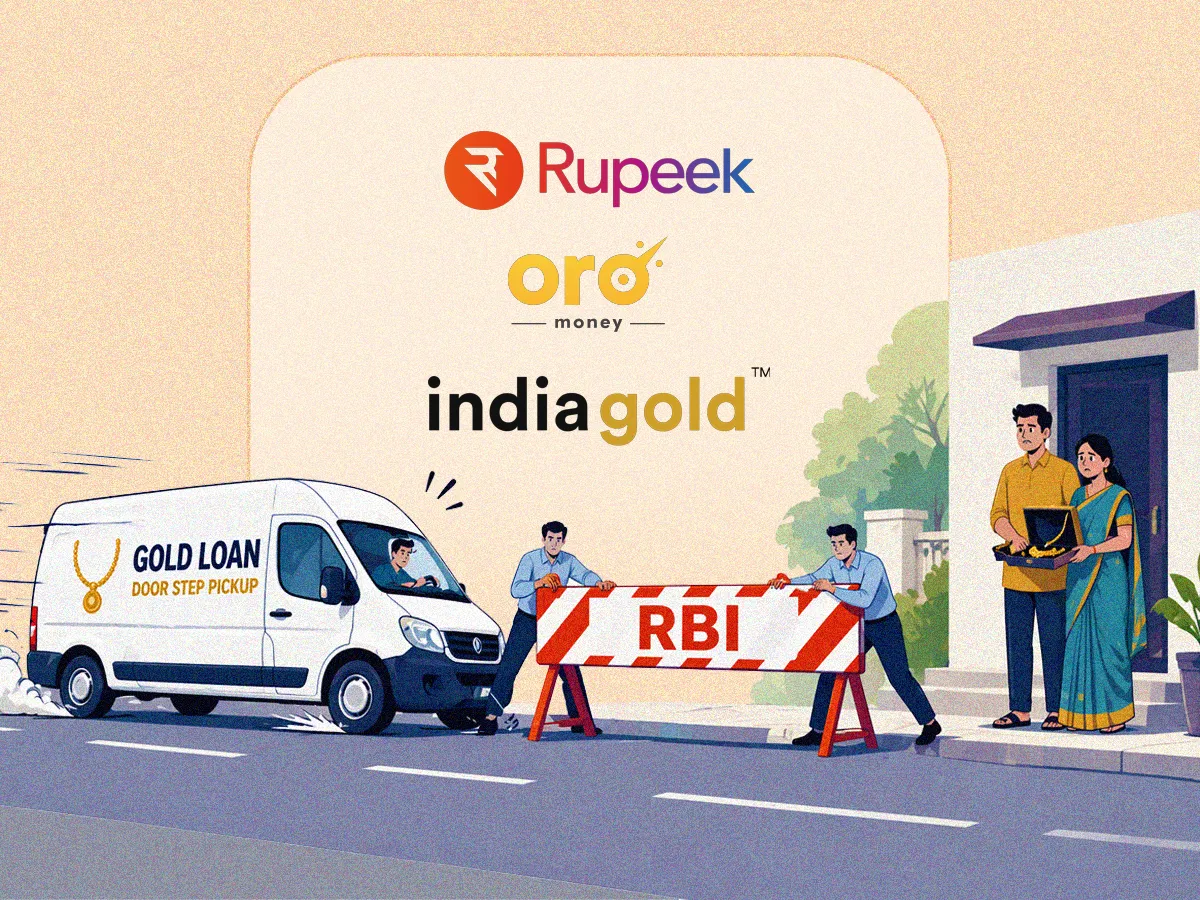
Gold loan fintech startups are changing gears after RBI tightened norms that disrupted their earlier loan-sourcing model. Firms like Indiagold and Oro are obtaining NBFC licenses and arranging debt funding to build direct lending loan books, while also weighing co-lending partnerships. The move aims to restore growth momentum as service-provider routes face tighter scrutiny.
Jio Financial Services says it is expanding its lending book through property and asset-backed corporate loans, keeping its focus on secured segments for now. The company is prioritising balance sheet strength before moving into unsecured credit. Alongside lending growth, its payments bank and payment aggregator businesses are also expanding as it targets a broader full-service financial model.
HDFC Bank’s larger balance sheet could translate into bigger loan disbursals after the merger, while costs may fall due to recent regulatory streamlining. Updated reporting and delinquency provisioning rules for banks and non-bank finance companies are expected to reduce friction. HDFC’s focus on affordable housing and micro-lending can also help align its loan book with HDFC Bank’s development finance requirements.
Follow your favourite sources
Track sources, tags and categories — all in the Beige app.
As RBI regulations tighten, fintech companies are scrambling to secure or pursue NBFC licences. For many players, the licence is more than compliance—it’s a survival lever and growth pathway. Direct lending can deliver higher margins than simply providing technology to banks or existing NBFCs, reshaping competition and strategy across the sector.
Banks that traditionally relied on deposits and wholesale funding to drive lending are increasingly parking money in mutual funds. The move helps manage returns and liquidity but also puts banks in direct competition for investors’ savings, where mutual fund investments can replace or reduce demand for bank deposits and loans. The result: a reshaped financial landscape.
Swipe through stories, personalise your feed, and save articles for later — all on the app.