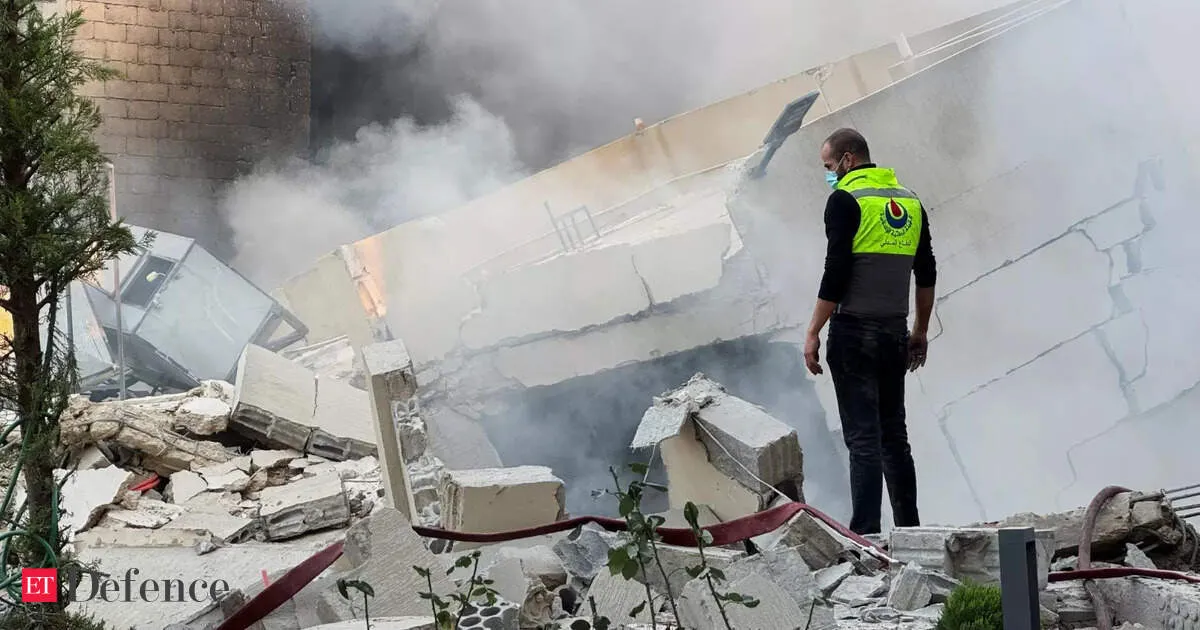
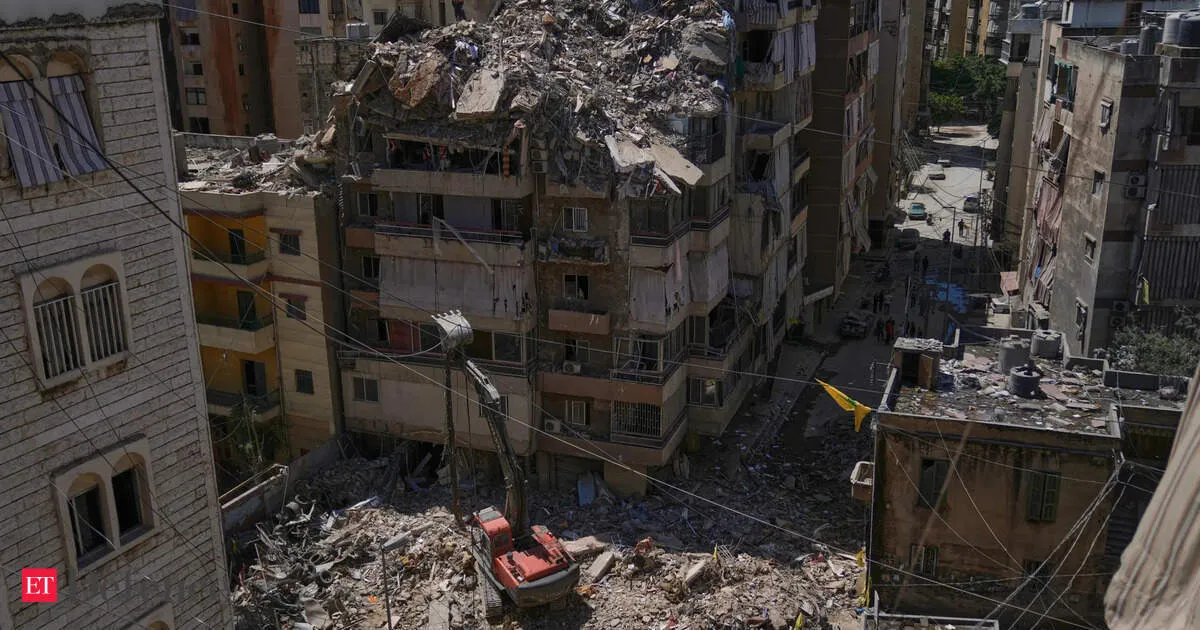
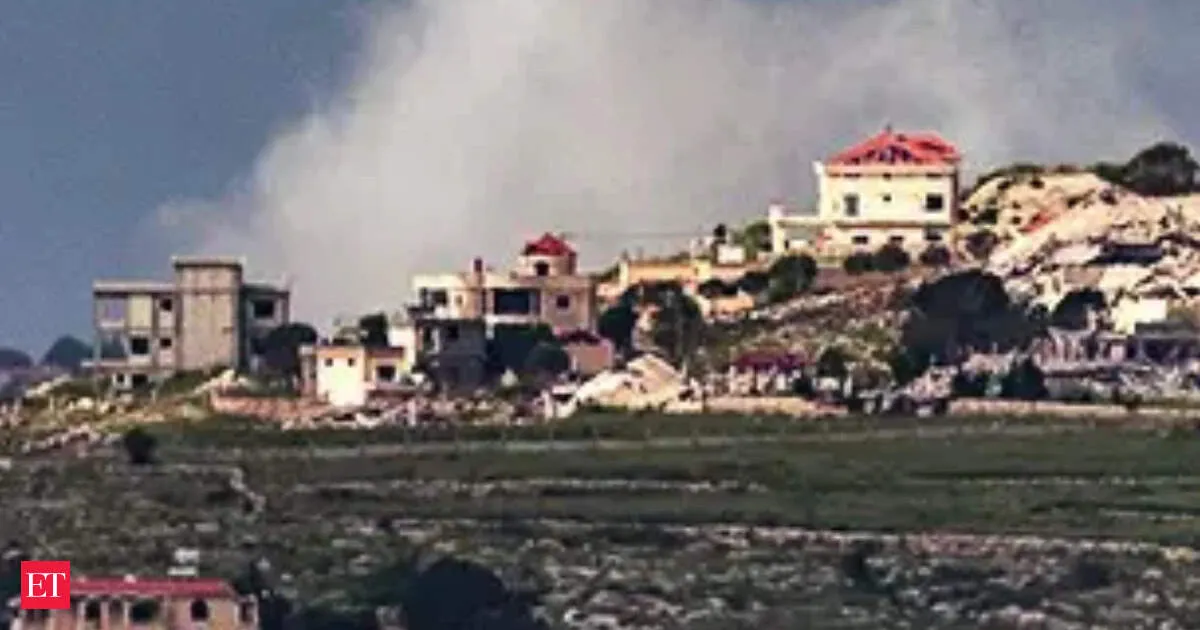
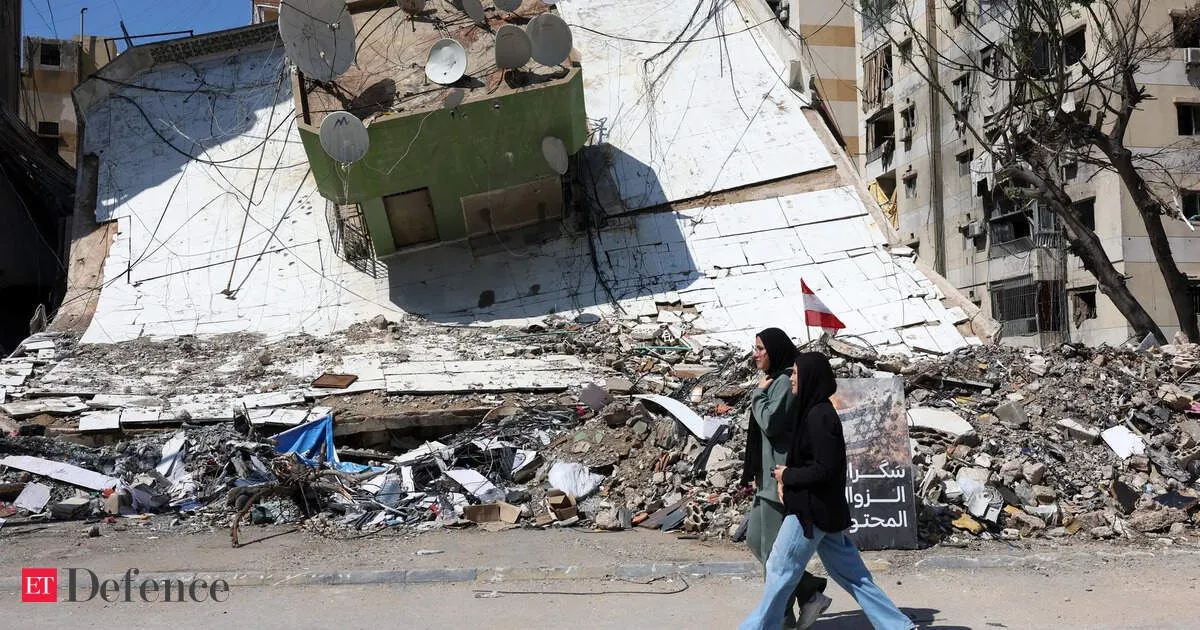
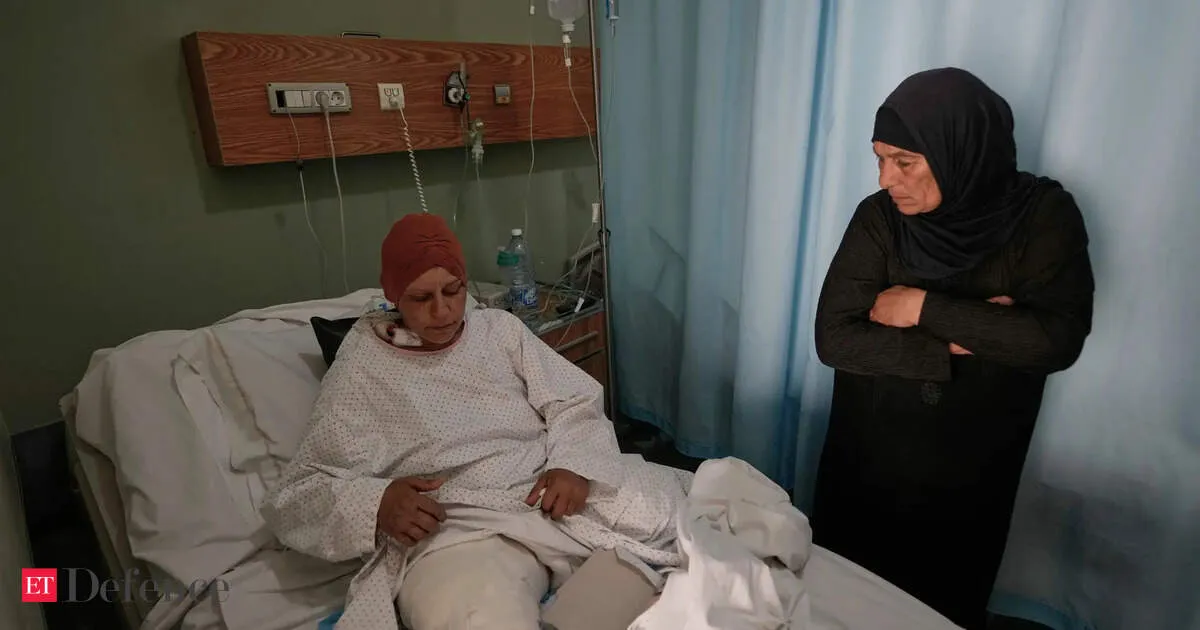
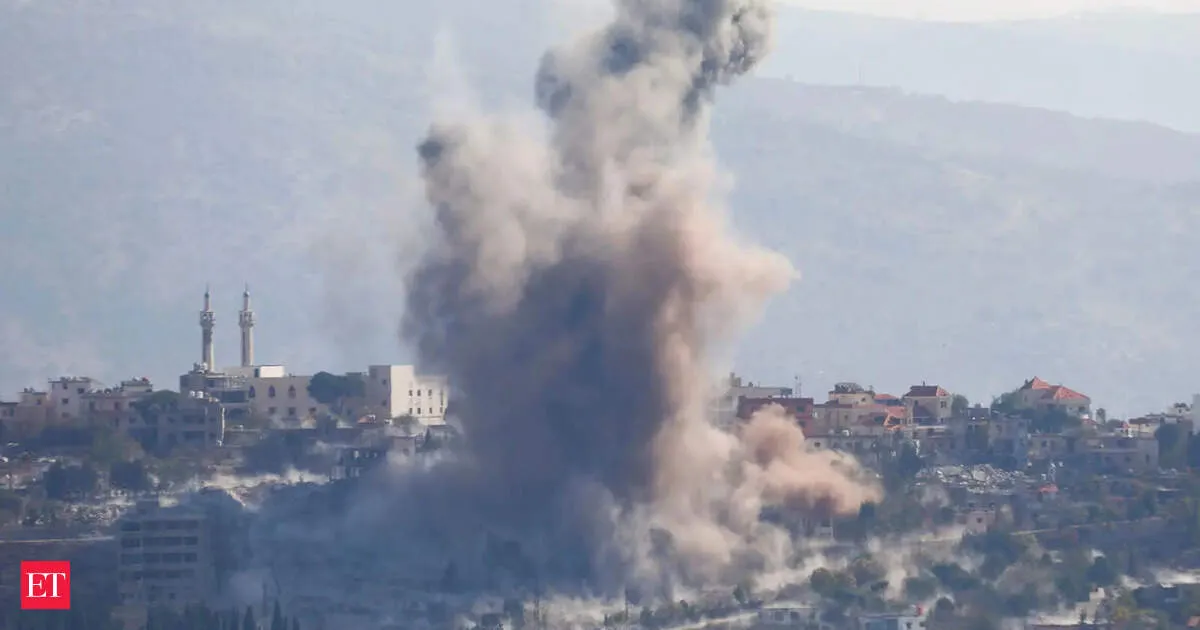
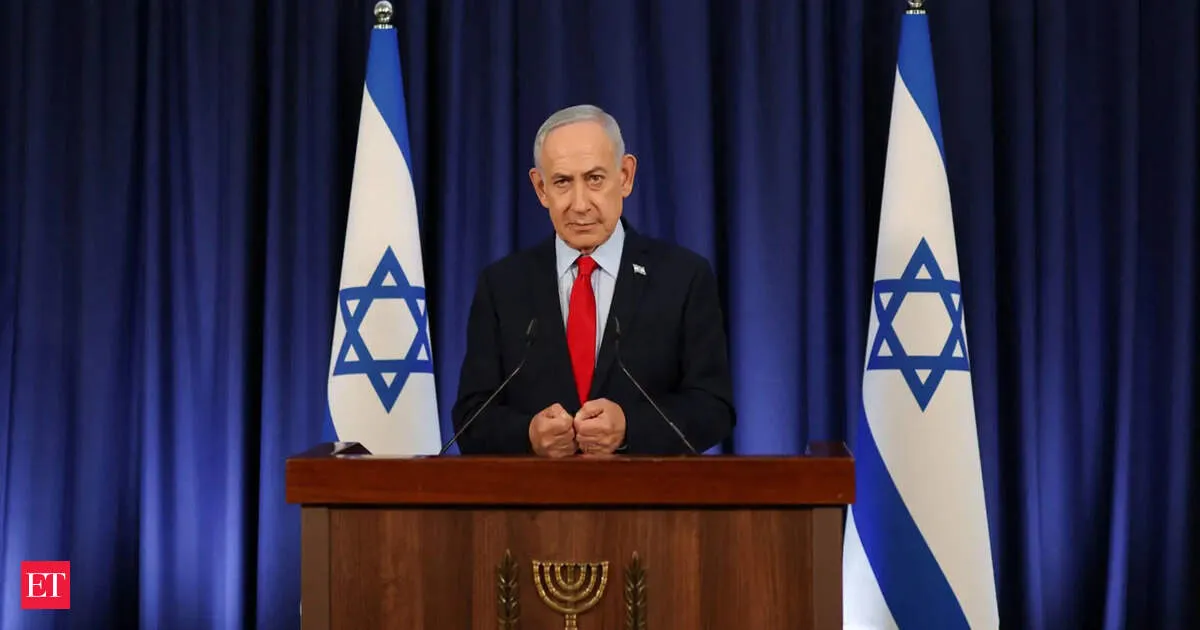
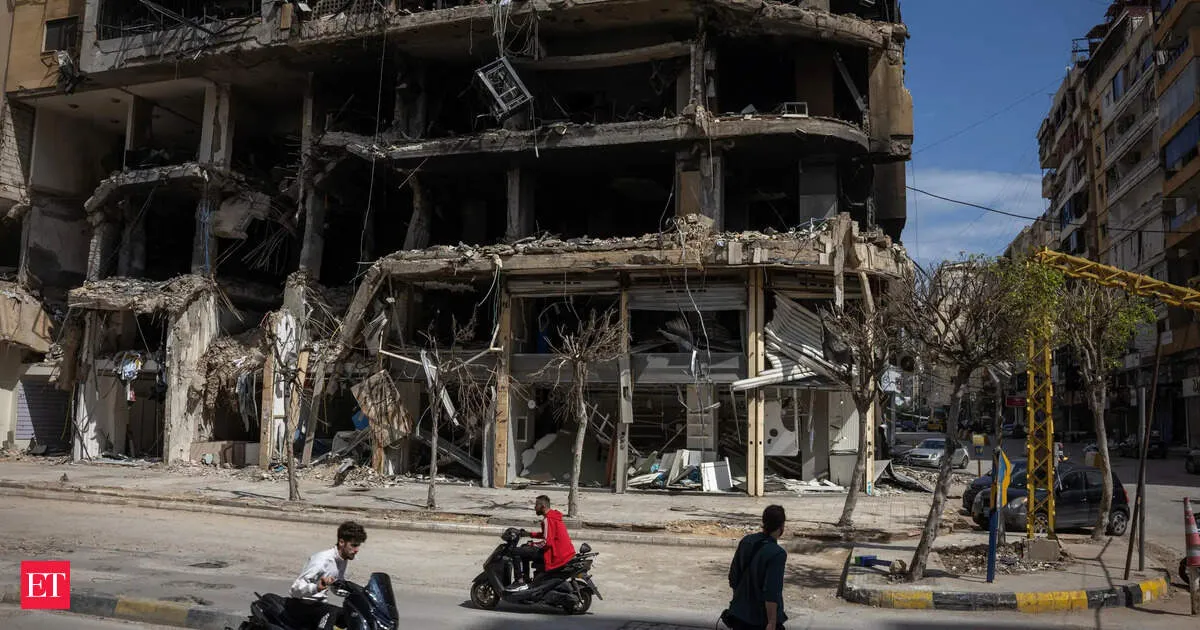
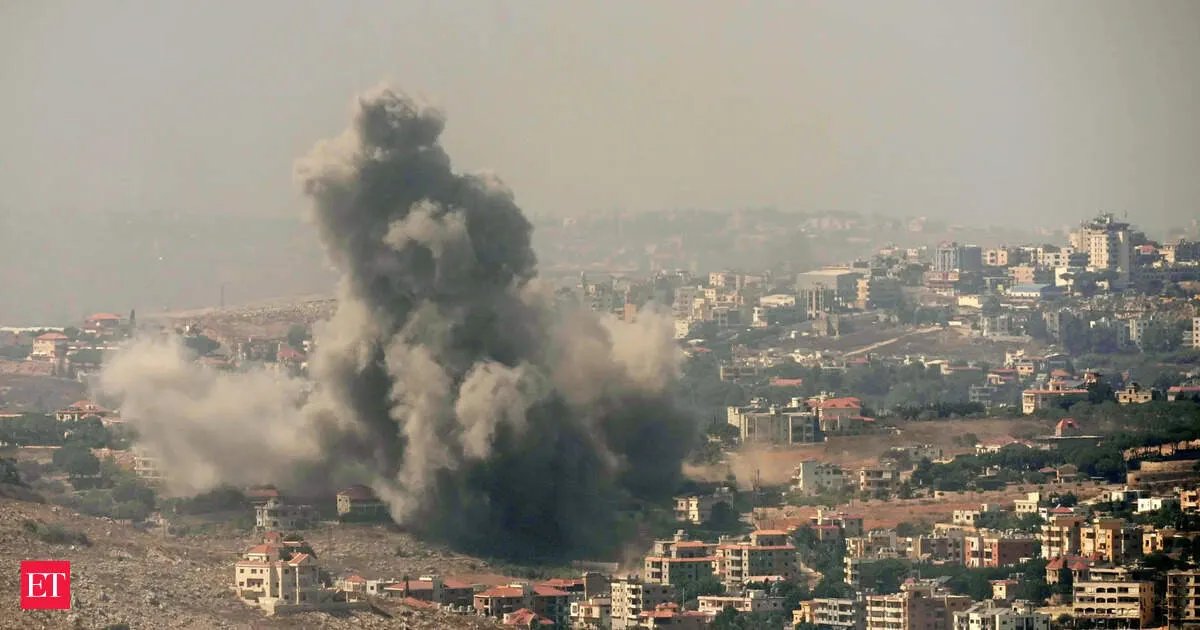
Israel and Lebanon agreed to extend a ceasefire for 45 days and begin expanded talks toward a political settlement, the US said. The deal followed two days of meetings in Washington and negotiations scheduled for early June. But violence continued: Israel carried out new strikes, insisting they were not covered by the truce, including an attack on a Hezbollah-linked medical center in southern Lebanon. Lebanese officials reported deaths, injuries, and renewed displacement, while the UN warned of an “unacceptable” civilian toll.
Israel and Lebanon have agreed to extend their ceasefire by 45 days after two days of negotiations in Washington, where US facilitation helped both sides lock in more talks. The extension, announced by the US State Department, keeps hostilities paused in southern Lebanon as the April 16 cessation was set to expire. Officials say discussions aim to progress beyond decades of tension: a new Pentagon-led security track begins May 29, while political negotiations are set for June 2–3.
Your news, in seconds
Get the Beige app — every story in 60 words, updated hourly. Free on iOS & Android.
Israeli airstrikes in Lebanon killed 22 people, including children, amid rapidly escalating violence. The raids occurred just before crucial Lebanon and Israel talks in Washington, adding to fears that a recently announced ceasefire is unraveling. Reports say homes were damaged and destroyed, underscoring the intensity of the renewed attacks as diplomats prepare to meet.
Hezbollah says it carried out a targeted drone attack on Israeli soldiers near Misgav Am in northern Israel, after repeated Israeli strikes hit Lebanon. Both sides reported exchanges of fire, while Israeli forces carried out extensive strikes on Hezbollah infrastructure. Lebanese authorities also reported casualties from the attacks as tensions continue to escalate.
Israel’s military has urged residents in nine southern Lebanon villages to evacuate immediately, warning people to stay at least 1,000 metres from populated areas as attacks on Hezbollah are expected. The move comes despite a Lebanon truce meant to halt fighting, raising fresh fears of escalation along the border.
Amid mounting regional tensions, the Indian Embassy in Beirut facilitated the return of five Indian nationals to India, thanking Lebanese authorities for their cooperation. The embassy said it is continuing outreach to the Indian community in Lebanon. Earlier, 177 Indians departed Beirut on a charter flight, highlighting a broader effort to evacuate citizens as the situation worsens.
Never miss a story
Set alerts for the topics and sources you care about. Download Beige for free.
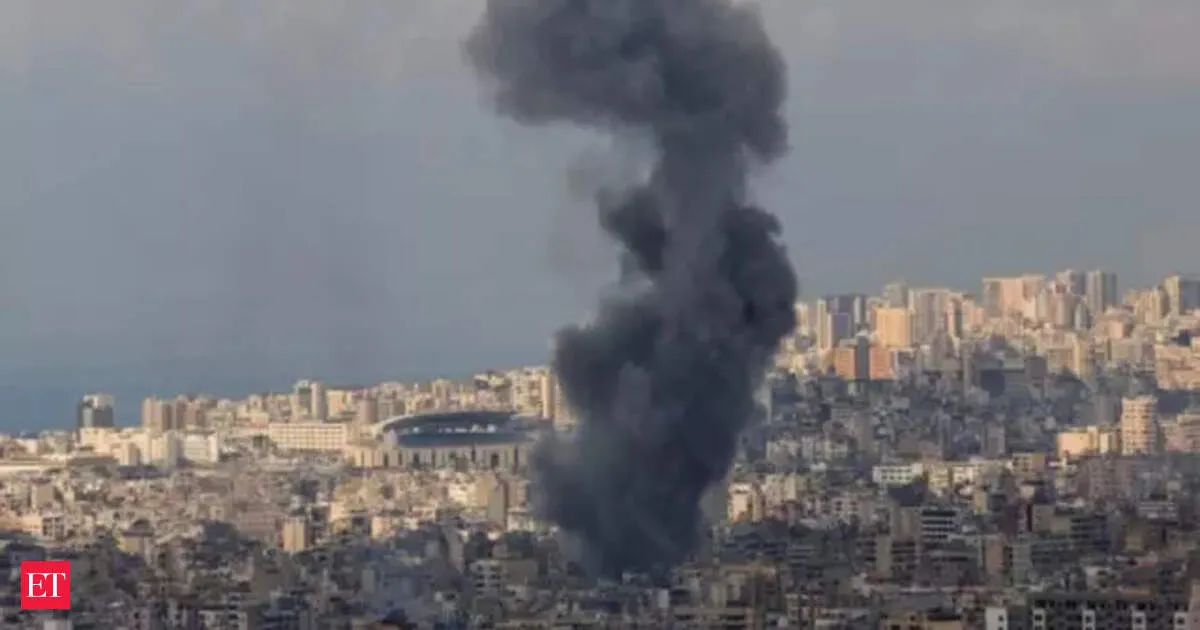
Israel carried out an airstrike on Beirut’s southern suburbs on Wednesday, the first since an April 17 ceasefire was announced. The attack reportedly targeted a Hezbollah Radwan Force commander and comes amid continued fighting in southern Lebanon. Earlier in April, Israel hit Beirut in major strikes, but this unannounced suburban attack signals a fresh escalation in the conflict.
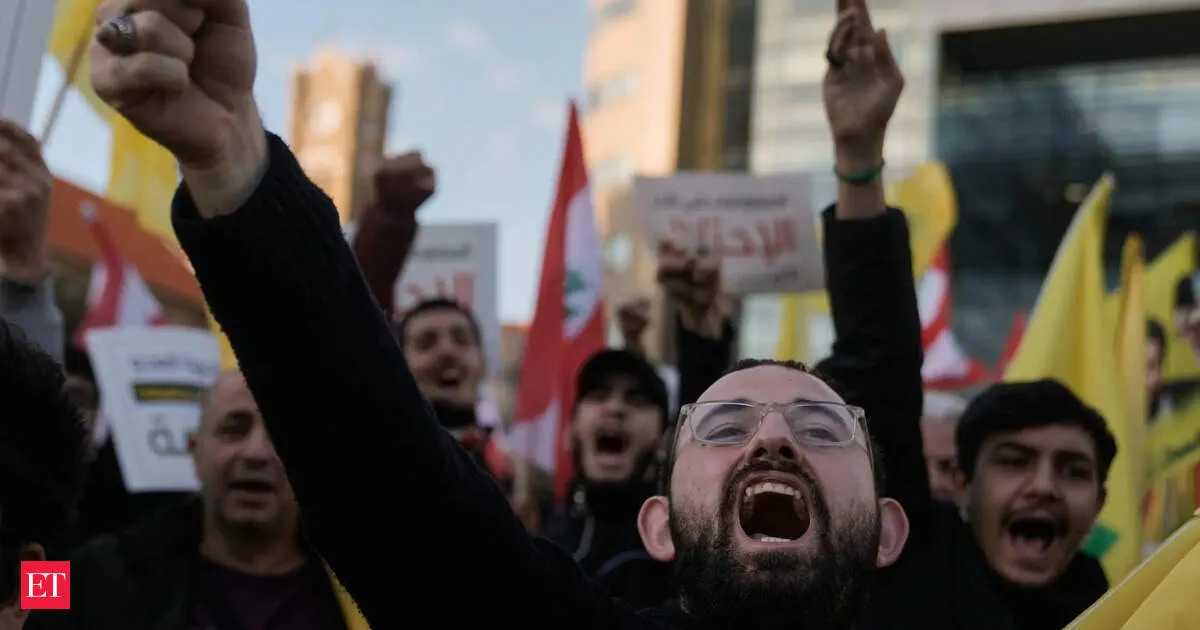
Hezbollah is taking heavy casualties and losing territory in its conflict with Israel, even as domestic opposition grows at home. The group is trying to tilt the outcome through its alliance with Iran. Meanwhile, Lebanon’s government is pushing for direct talks with Israel—something Hezbollah strongly rejects—leaving the region in a tense cycle of continued exchanges of fire.
Israeli airstrikes in southern Lebanon killed at least seven people on Saturday, even as a ceasefire has been in place since April 17. Villages including Kfar Dajal, Lwaizeh and Shoukin were reportedly hit. The Israeli military carried out about 50 airstrikes in 24 hours, while Hezbollah said drones attacked Israeli troops, as fighting persists along the border.
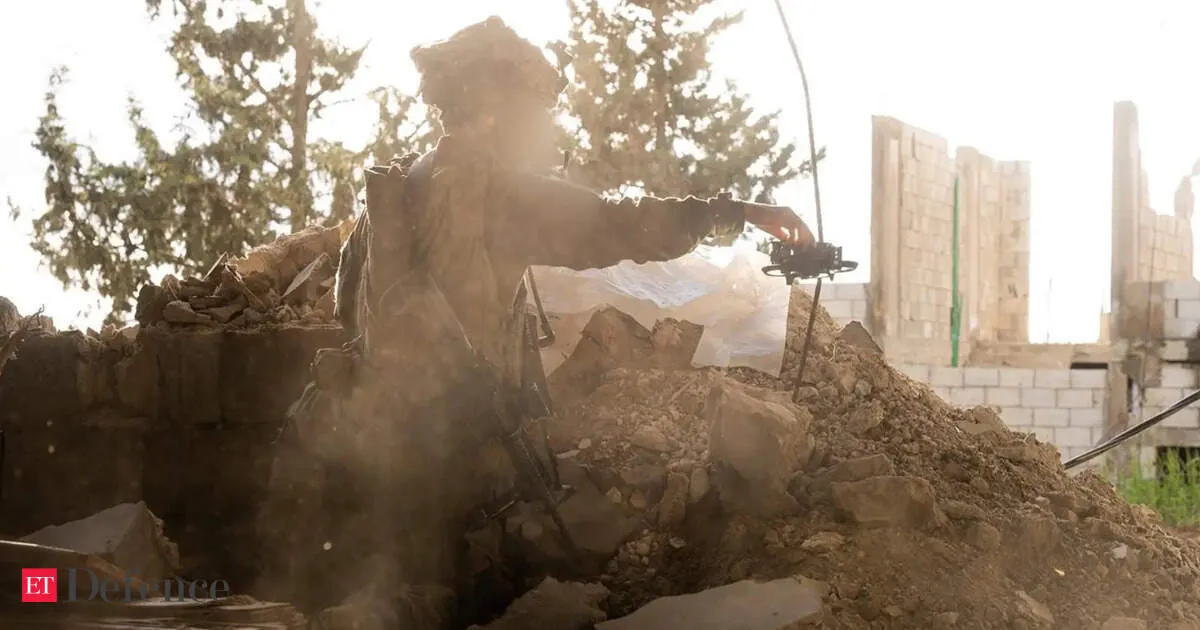
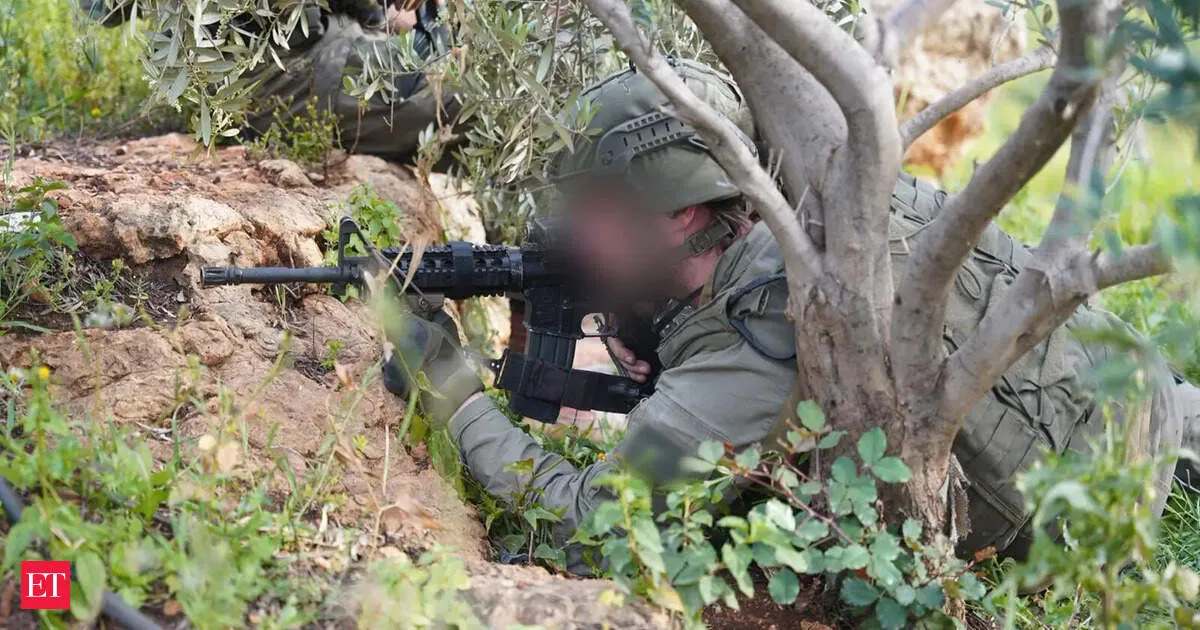
The Israeli military says it killed three Hezbollah fighters in southern Lebanon and struck infrastructure north of the “Yellow Line” as operations broaden. It also reported one soldier was lightly wounded and evacuated. Israel says its actions aim to dismantle Hezbollah’s operational sites and neutralize threats in the region.
Reading on mobile?
Open Beige in the app for a smoother experience — free on iOS and Android.
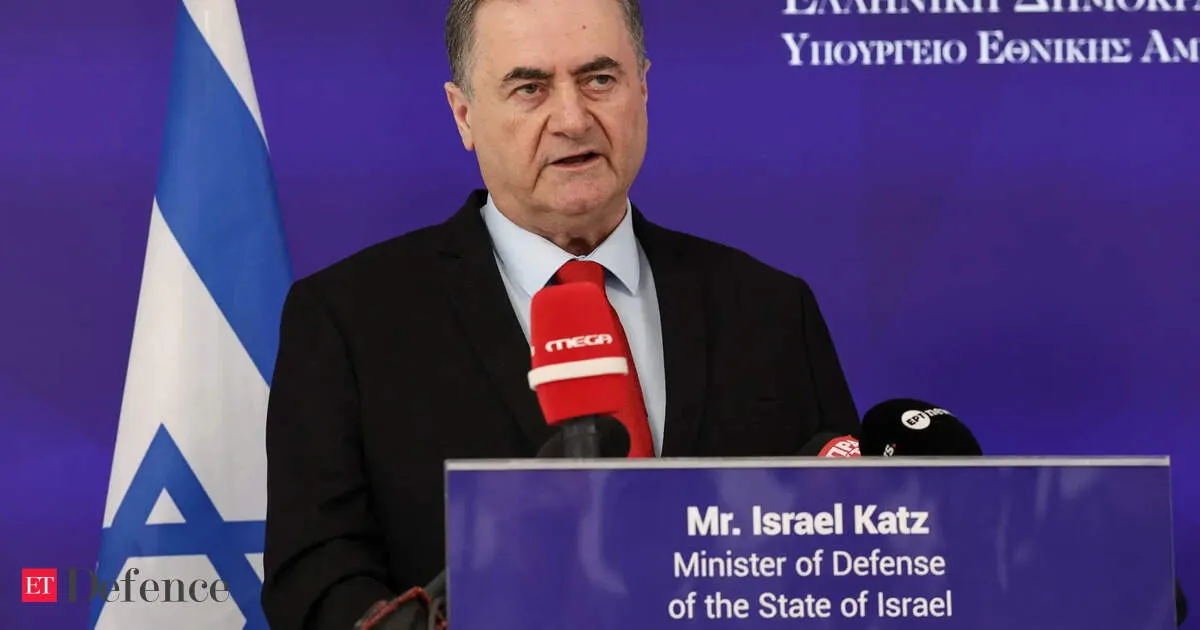
Israel’s Defence Minister Israel Katz warned Lebanon that Hezbollah’s refusal to engage in direct dialogue could lead to catastrophic consequences. He framed the warning as a high-stakes escalation risk, pointing to the long, fraught history between the countries since 1948 and underscoring how a breakdown in communication could worsen tensions.
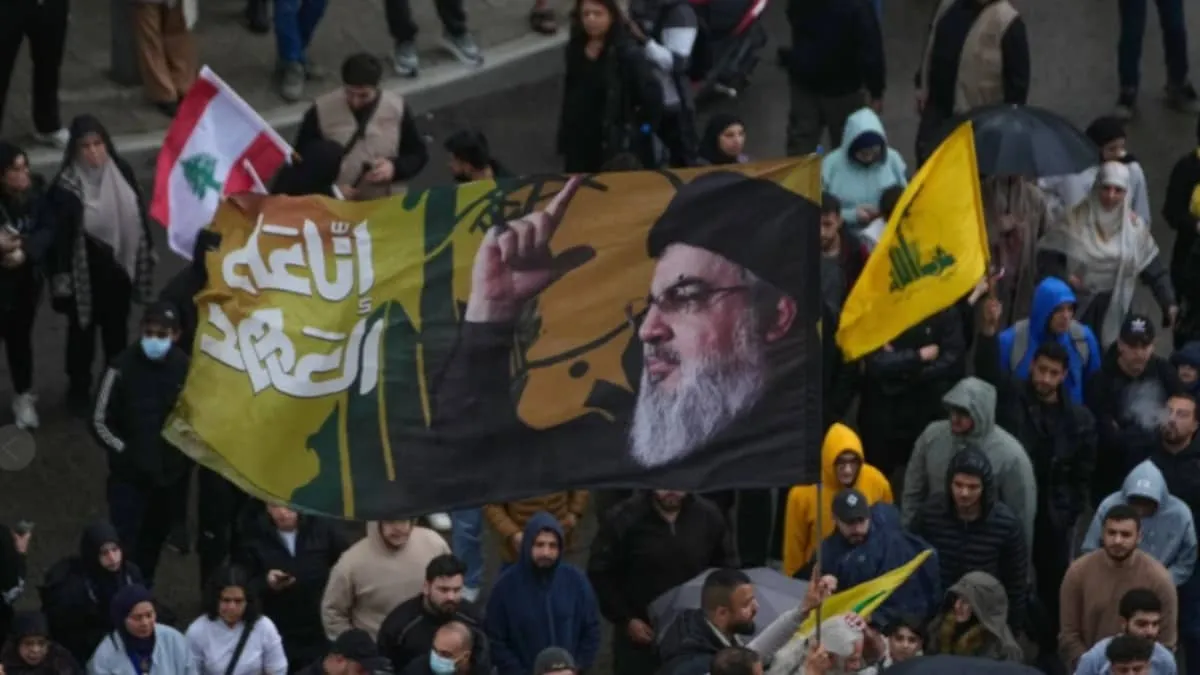
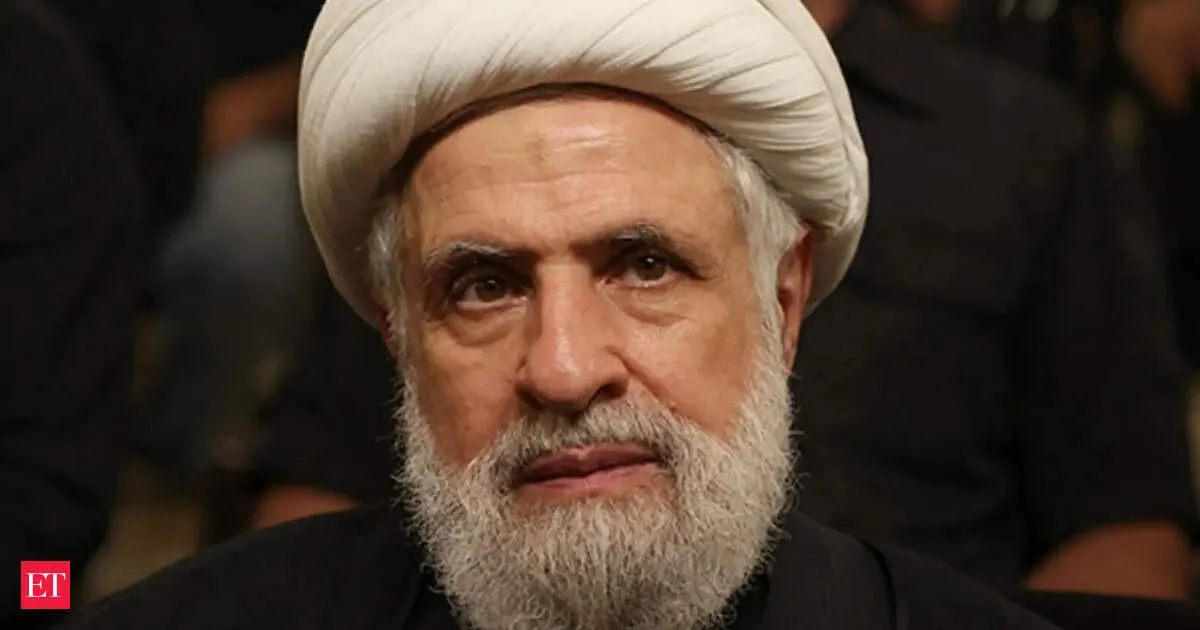
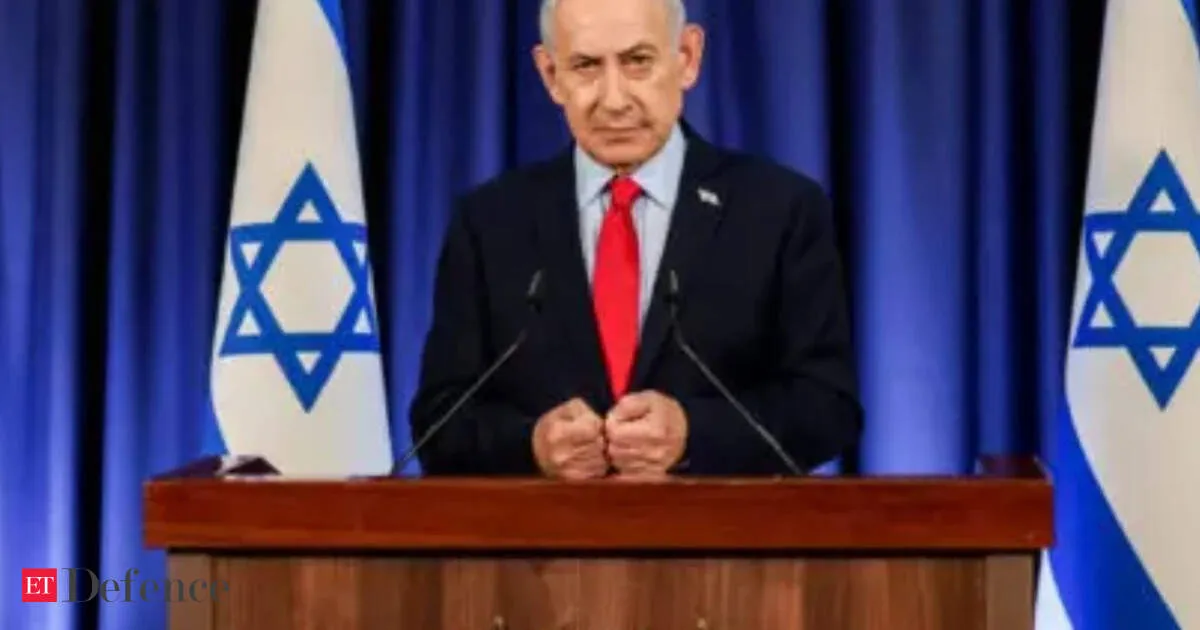
Hezbollah’s leader Naim Qassem said the group will not hold direct talks with Israel, reiterating a stance of continued resistance. At the same time, the Israeli military reported strikes in Southern Lebanon aimed at what it described as imminent threats and Hezbollah infrastructure. Prime Minister Benjamin Netanyahu warned Hezbollah’s moves are eroding a ceasefire.
Israeli Prime Minister Benjamin Netanyahu said Hezbollah’s actions are putting Lebanon’s recently extended three-week ceasefire at risk. Israel has been striking targets in southern Lebanon almost daily, intercepting drones and issuing evacuation orders for villages. Lebanon reported seven deaths from Israeli strikes on Saturday, as Netanyahu promised a vigorous response against the Iran-backed group.
Israel launched fresh strikes in Lebanon’s Khiam and Yohmor al-Shaqif even after a ceasefire extension was announced. The renewed attacks come following exchanges between Israeli forces and Hezbollah fighters, with Israeli airstrikes in southern Lebanon reported to have killed at least six people. Hezbollah retaliated by targeting an Israeli armoured personnel carrier, raising fears of further escalation.
Follow your favourite sources
Track sources, tags and categories — all in the Beige app.
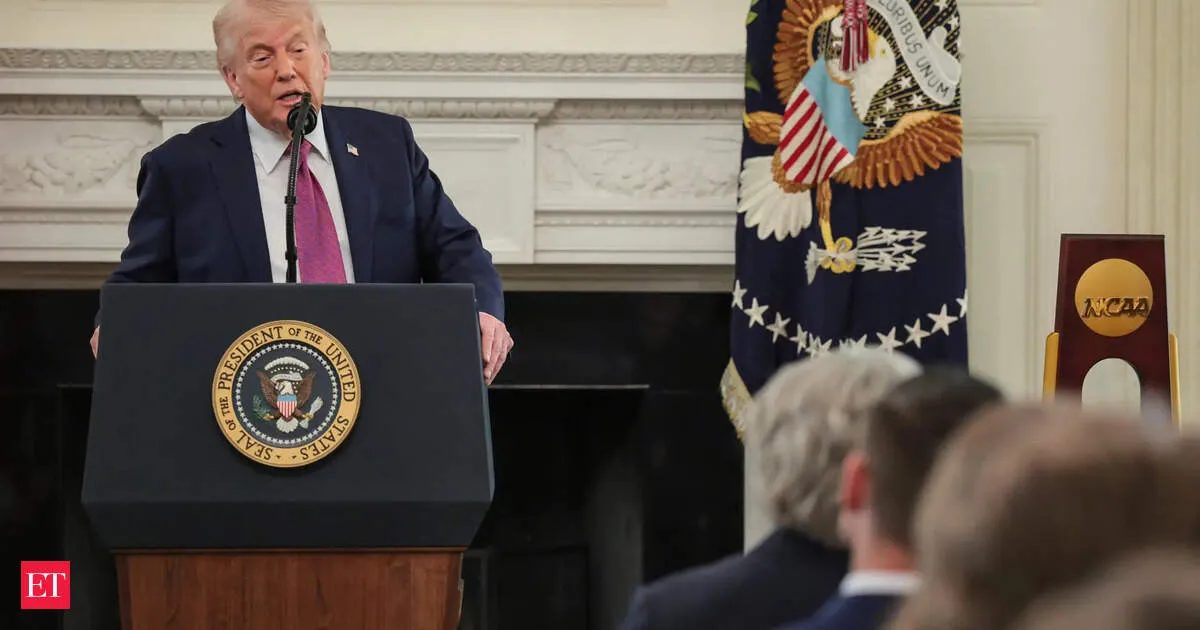
The White House says the Israel Lebanon ceasefire has been extended, calling it a positive step toward peace. Representatives from both countries met in Washington, and US President Donald Trump confirmed the move. The US expressed hope for continued discussions and welcomed leaders from Israel and Lebanon, framing the agreement as meaningful regional progress.
Despite a newly announced three-week extension of a Lebanon ceasefire by Donald Trump, Israel and Hezbollah continued exchanging strikes. Israeli attacks in southern Lebanon reportedly caused casualties, while Hezbollah targeted an Israeli armored personnel carrier. Israeli Prime Minister Benjamin Netanyahu accused Hezbollah of sabotage, underscoring how quickly the ceasefire arrangement is being challenged on the ground.
Israel and Lebanon have agreed to extend their ceasefire by three more weeks, with Prime Minister Netanyahu calling it a step toward peace. Netanyahu warned that Hezbollah may try to disrupt the process, while stressing close coordination with the United States. He also cited President Trump’s pressure on Iran as a factor behind efforts to restore stability in the region.
Israel and Lebanon have extended their ceasefire by three weeks as the wider Middle East conflict grinds on. Iran’s foreign minister is set to travel to Pakistan for talks aimed at reviving US-Iran engagement, even as tensions around the Strait of Hormuz disrupt global trade and sway oil prices. Hezbollah also claims it shot down an Israeli drone.
Stay informed on the go
Bite-sized news from 100+ trusted sources, right in your pocket.
Fighting between Israel and Hezbollah has surged, with Hezbollah firing missiles toward Tel Aviv and Israel responding with sweeping strikes across Lebanon. The escalation has already caused heavy civilian harm—hundreds dead in Lebanon and dozens in Israel—while analysts warn the conflict could expand beyond the border, pulling in regional interests and raising the risk of a broader war.
The US has arranged flights to evacuate Americans from Lebanon amid escalating fighting between Israel and Hezbollah. About 350 Americans and their immediate relatives have already been brought out this week, while thousands remain. More than 6,000 people have contacted the US Embassy in Beirut for departure information as airstrikes continue and commercial flight options dwindle.
Swipe through stories, personalise your feed, and save articles for later — all on the app.