GoPro, once a consumer-tech darling, is shifting from action cameras to potential defense and aerospace work as it weighs strategic options that include a possible sale. The company’s board said it received unsolicited inquiries spanning defense, consumer, and financial parties, while earlier attempts to pivot to defense briefly lifted its stock before it slid again. Sales have been falling, losses rising, and GoPro has cut about a quarter of its workforce, leaving fewer than 600 employees.
Healthtech unicorn Innovaccer has laid off 340 employees in another restructuring, according to sources cited by Inc42. This marks its third layoff round in four years, with impacts across teams in both India and the US. Internally, CEO Abhinav Shashank said the move supports Innovaccer’s transition into an AI-native company. The company confirmed the job cuts, saying it is “aligning its team” to current priorities and building a leaner organization focused on customer outcomes.
Your news, in seconds
Get the Beige app — every story in 60 words, updated hourly. Free on iOS & Android.
Oracle has revoked dozens of campus job offers made to students at IITs and NITs, including both full-time roles for the Class of 2026 and summer internship positions. The pullbacks come soon after mass layoffs at the US software giant, intensifying anxiety as placement season winds down and tech hiring stays sluggish. Placement cells at multiple institutes say Oracle had made heavy offers, then withdrew a small but significant share across campuses, leaving students scrambling for alternatives.
Verizon has begun another round of US layoffs, following the elimination of about 13,000 jobs last year. The company confirmed the latest cuts to a news outlet but declined to share the exact headcount affected. It said the impact is under 1% of its total workforce, with the heaviest reported effect at its Basking Ridge, New Jersey headquarters. Verizon executives say the restructuring and “leaner” operations will continue through 2026, even as the company hires for growth roles.
Meta is ratcheting up its AI push in India, with WhatsApp chief Will Cathcart calling the country its “ground zero” for the effort. The newsletter also flags fresh layoffs in the tech sector, underscoring how AI expansion and cost cutting are moving in parallel across the industry. Here’s what to watch next from Meta and beyond.
Goldman Sachs’ president John Waldron says the firm is rolling out generative AI “digital agents” to automate work and improve productivity, while insisting recent layoffs aren’t driven by AI. He frames the change as upgrading the “human assembly line,” adding new tech roles even as tasks get automated. The shift is linked to post-COVID adjustments and changing business needs.
Never miss a story
Set alerts for the topics and sources you care about. Download Beige for free.
LinkedIn, owned by Microsoft, announced layoffs across engineering, marketing and other teams, prompting a debate about whether AI is behind job losses. Co founder Reid Hoffman urged people to avoid assuming all tech cuts are AI driven, pointing instead to pandemic era overhiring as a major, often overlooked cause. The company says it will pursue stronger profitability by prioritizing key work and infrastructure investment.
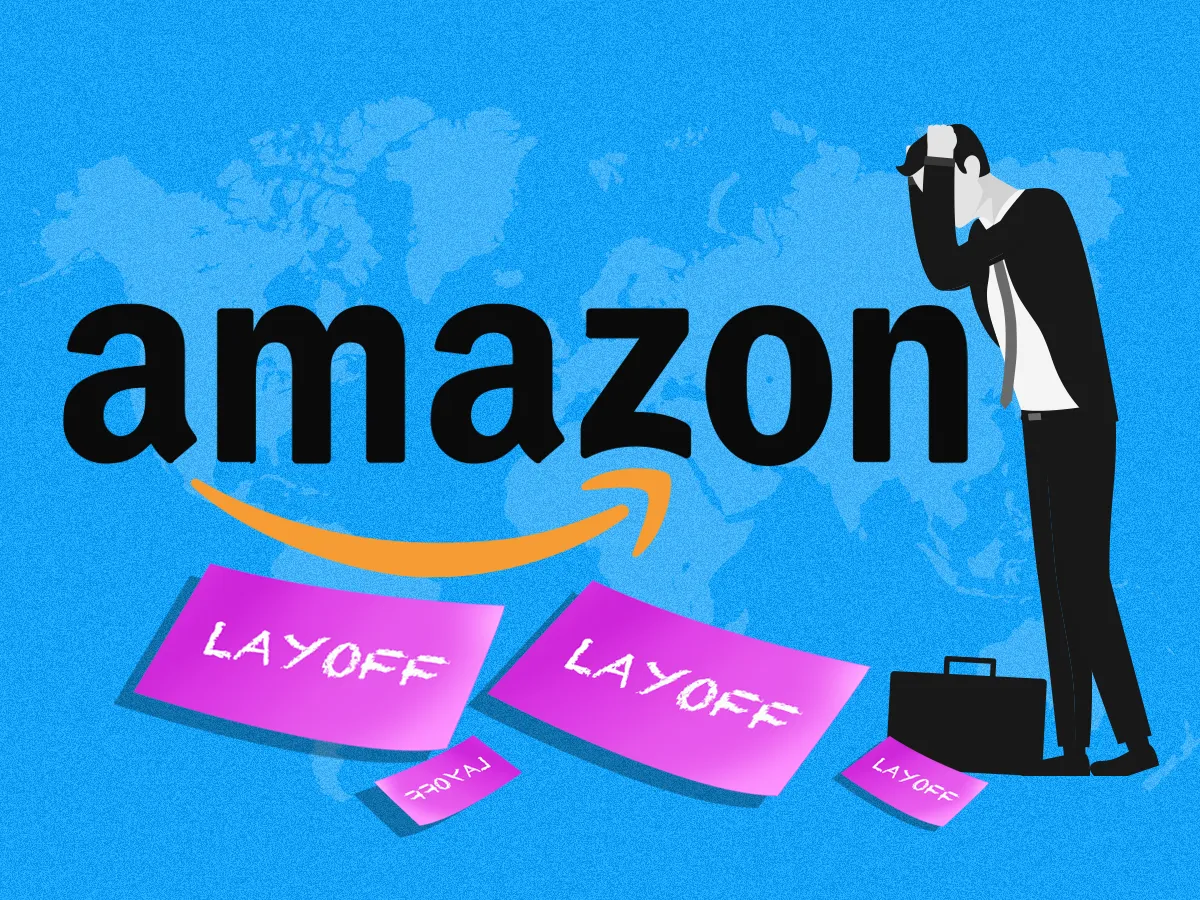
Amazon has announced additional layoffs in its Selling Partner Services division, following a recent efficiency review that led to earlier cuts totaling around 30,000 roles. The company says it is simultaneously ramping up investment in artificial intelligence across multiple operations. The move underscores a wider tech-sector pattern of restructuring and cost cutting alongside AI buildout.
Cisco’s stock surged about 17% after results beat expectations, with stronger revenue, profit, and forward guidance. Investors are also reacting to rising demand for the company’s AI infrastructure offerings. But Cisco simultaneously announced workforce reductions, signaling a pivot to long-term growth priorities—leaving the market to balance momentum against restructuring risk.
LinkedIn, the Microsoft owned professional network, is expected to announce layoffs on Wednesday affecting roughly 5% of its workforce. The job cuts are tied to a company reorganization that shifts employees toward growing business areas. LinkedIn’s revenue rose 12% in the last quarter, and the company says the layoffs are not driven by AI replacing jobs.
Reading on mobile?
Open Beige in the app for a smoother experience — free on iOS and Android.
Meta employees are protesting a new monitoring system that captures occasional screenshots and logs mouse movements, clicks, and keystrokes to “teach” AI. The rollout comes days before Meta’s planned 10% layoffs on May 20, raising fears of surveillance and shrinking worker autonomy. Meta says the data is needed for real computer-use examples, while UK staff push unionization.
Meta plans to lay off about 8,000 employees, roughly 10% of its global workforce, on May 20. The company says it will provide a “generous severance package” including 16 weeks of base pay plus two additional weeks for every year of employment. For US employees, Meta will also cover COBRA health insurance costs for up to 18 months for workers and their families.
General Motors is reportedly planning a cut to some technology roles, impacting about 500 to 600 employees, according to Bloomberg. The report cites people familiar with the matter, but details on which teams or locations are affected were not provided in the information shared so far. The move signals continued restructuring pressures in the auto sector’s tech functions.
Google-backed edtech Adda247 has laid off about 20% of its workforce, roughly 200 employees, as part of a restructuring ahead of its planned IPO in the next 12–18 months. The cuts affected teams across product, design, content and test prep, including CUET and teaching roles like UPSC and judiciary. The company expects annual savings of around ₹5 crore while saying growth remains steady in core areas.
Follow your favourite sources
Track sources, tags and categories — all in the Beige app.
Starbucks says it will cut 61 technology jobs at its Seattle headquarters, marking a new step in its ongoing transformation. The company frames the move as part of a broader shift to sharpen focus on improving customer experiences and boosting revenue growth. The decision follows earlier restructuring that included the closure of some locations, signaling deeper operational changes.
Edtech firm Adda247, backed by Google, has cut its workforce by 20% as revenue growth slows. The company says the move is aimed at reducing costs and streamlining operations while it prepares for a planned IPO. Employees in product and content verticals were impacted, and Adda247 says it remains committed to supporting affected staff.
Commerzbank says it will cut 3,000 jobs to fund and accelerate a €600 million AI strategy under its “Momentum 2030” plan. The move comes as pressure mounts from UniCredit’s €37 billion takeover bid. The bank expects €450 million in reorganisation costs, while using AI across service, KYC, fraud prevention and internal assistants to boost revenue and slash operational expenses.
Truecaller is cutting about 70 jobs, roughly 15% of its workforce, after a weak first quarter that exposed pressure on its core advertising-led model. Net revenue fell 27% year-on-year, while India revenue dropped 41%, dragged by losses in real-money gaming ad spend after regulatory bans, advertising partner algorithm updates, and weaker activity from regional conflicts.
Stay informed on the go
Bite-sized news from 100+ trusted sources, right in your pocket.
Oracle’s mass layoffs of nearly 20,000 employees have sparked lawsuits and allegations spanning severance, WARN Act notice protections, and forfeited stock compensation. Workers claim they were classified as remote to reduce legal safeguards, received notice late, and lost unvested equity far bigger than wages. The company has not publicly responded as disputes grow across the US, India, and other regions.
Laid-off Oracle employees say they pushed for better severance terms, only to be rejected by the company. A key dispute: some workers reportedly found they didn’t qualify for WARN Act protections like a two-month notice because Oracle classified them as remote employees, cutting off timelines and benefits the employees expected.
Swipe through stories, personalise your feed, and save articles for later — all on the app.