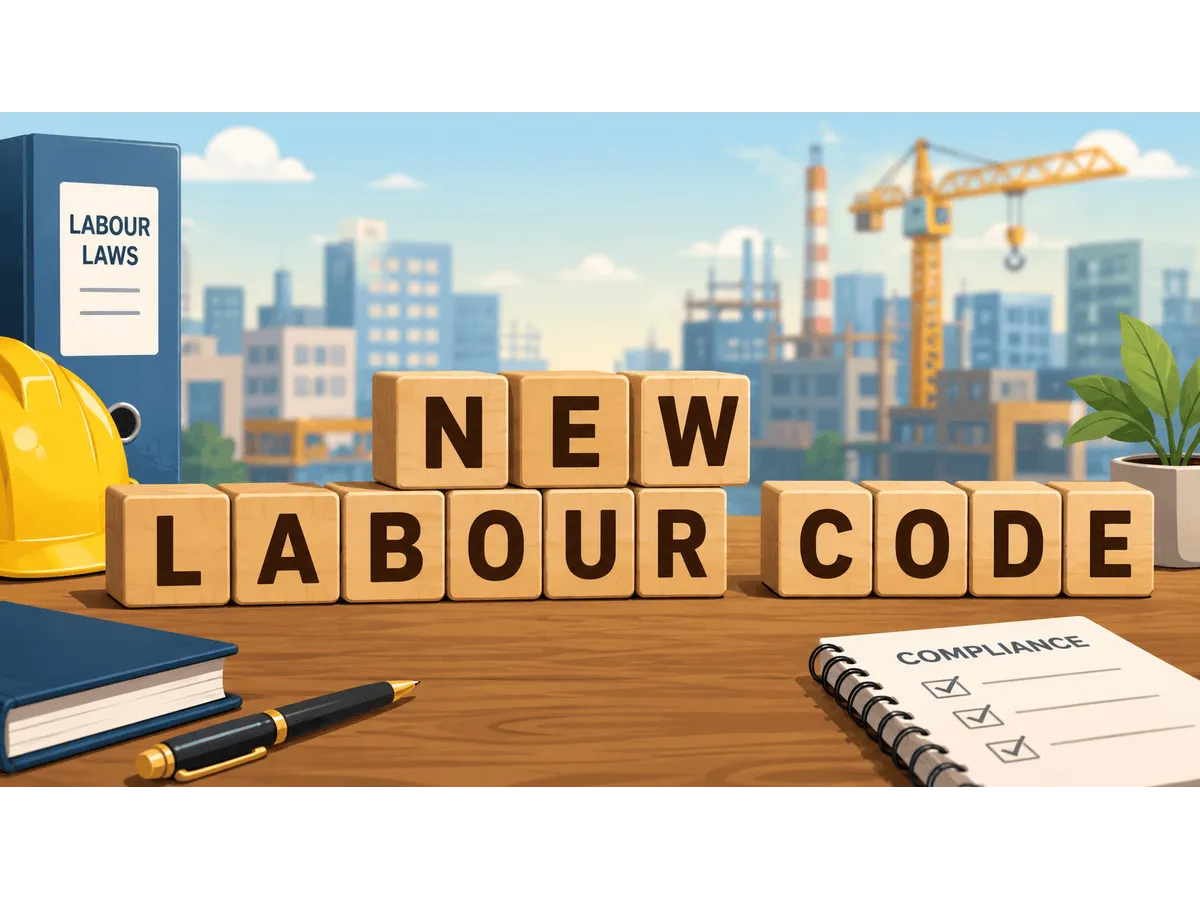
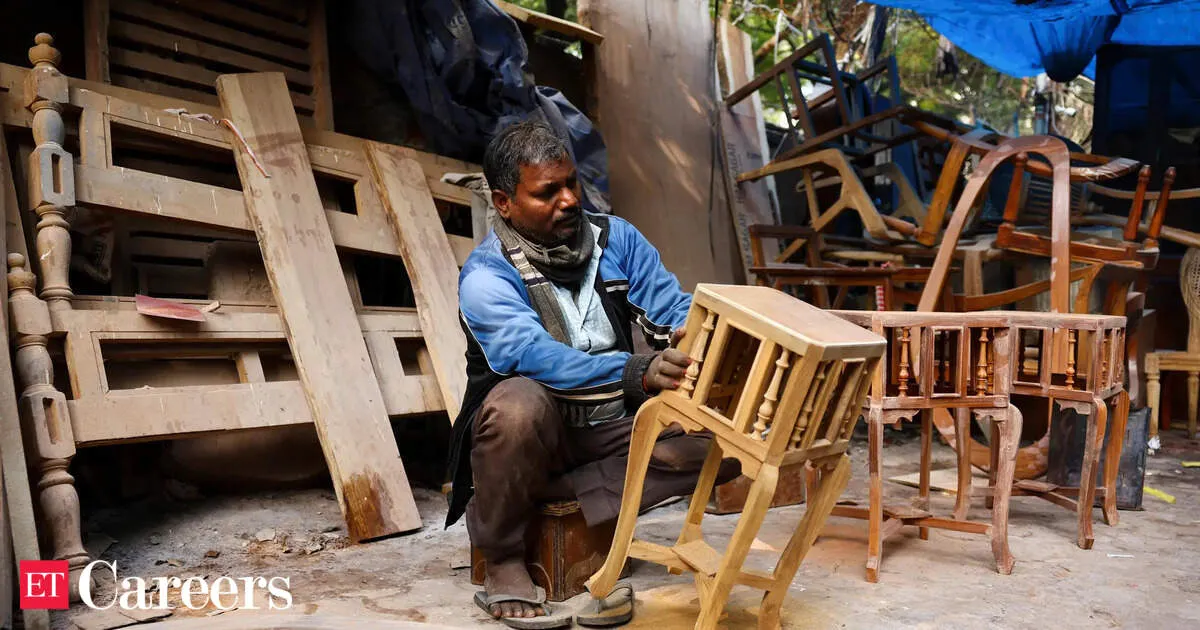
The central government says it has fully operationalised four new labour codes, merging 29 laws into a simpler framework that balances worker protections with business needs. Officials believe the move will improve coordination between labour and industry. Now, the ministry plans a comprehensive employment policy to steer future job creation and workplace regulation.
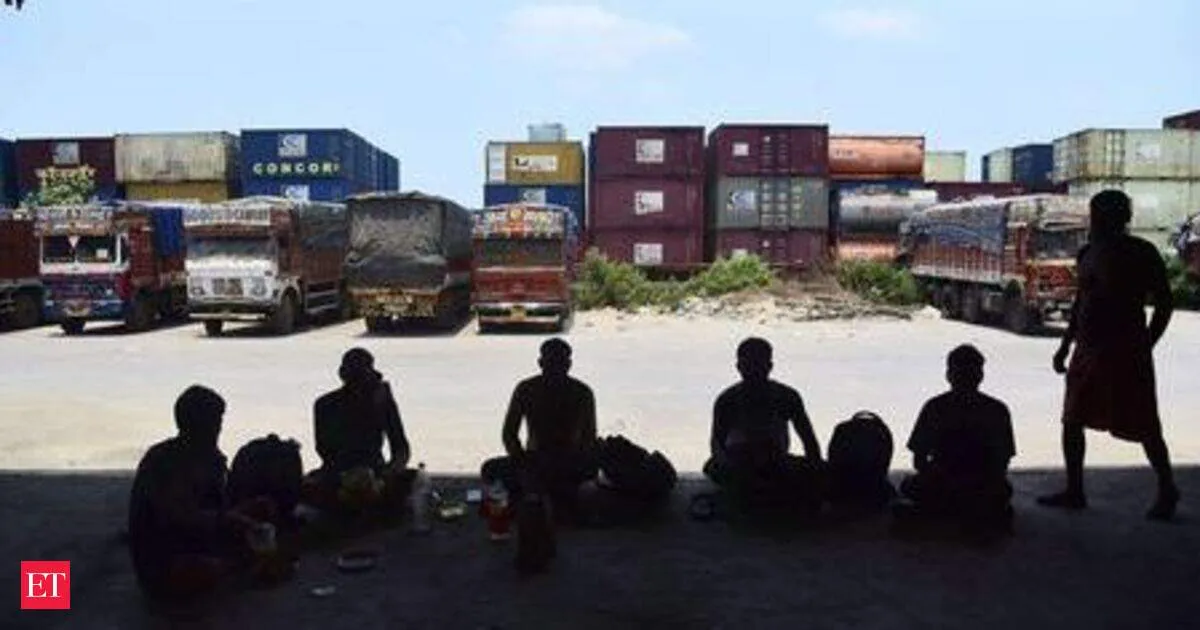
A May 8, 2026 office memorandum from India’s Department of Expenditure directs central ministries and agencies to link procurement with Labour Code protections. The move operationalises worker safeguards while raising the stakes for contractors. Firms that miss timely wage and social security contributions could face strict enforcement actions, including debarment and blacklisting, affecting future government contracts.
Your news, in seconds
Get the Beige app — every story in 60 words, updated hourly. Free on iOS & Android.
Salaried workers may not notice any pay slip change yet because India’s new labour codes are being rolled out unevenly across states. Some provisions like ESI coverage can shift sooner, but the bigger impact on in hand salary—especially PF contributions—has been delayed. Employers are planning transitions around annual reviews rather than immediate salary revisions.
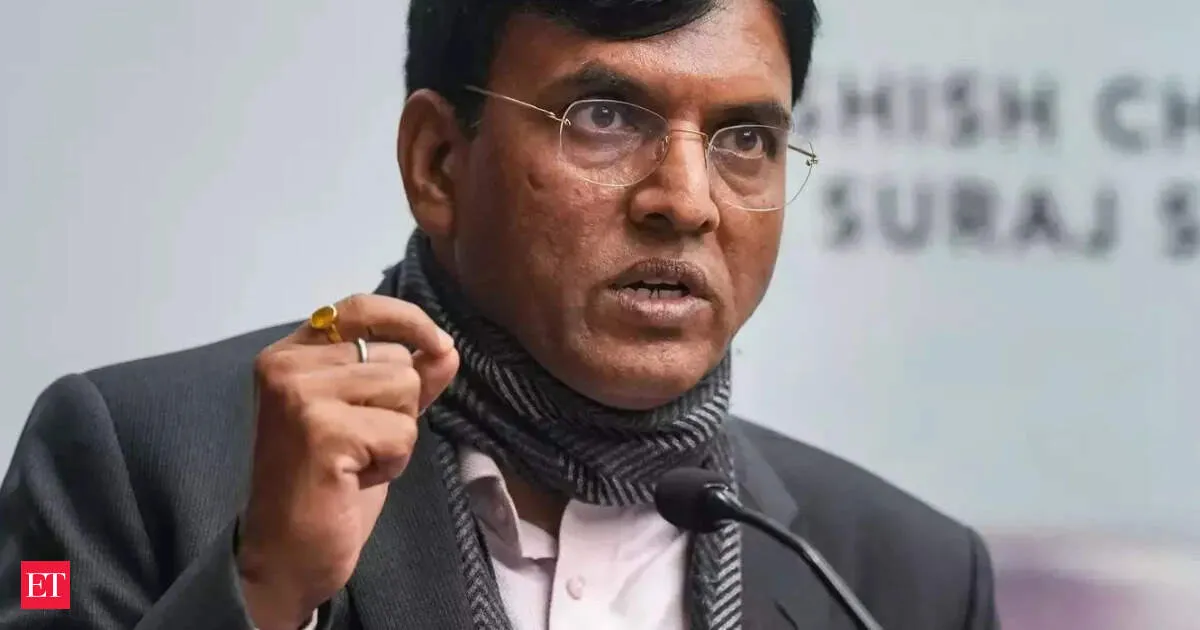
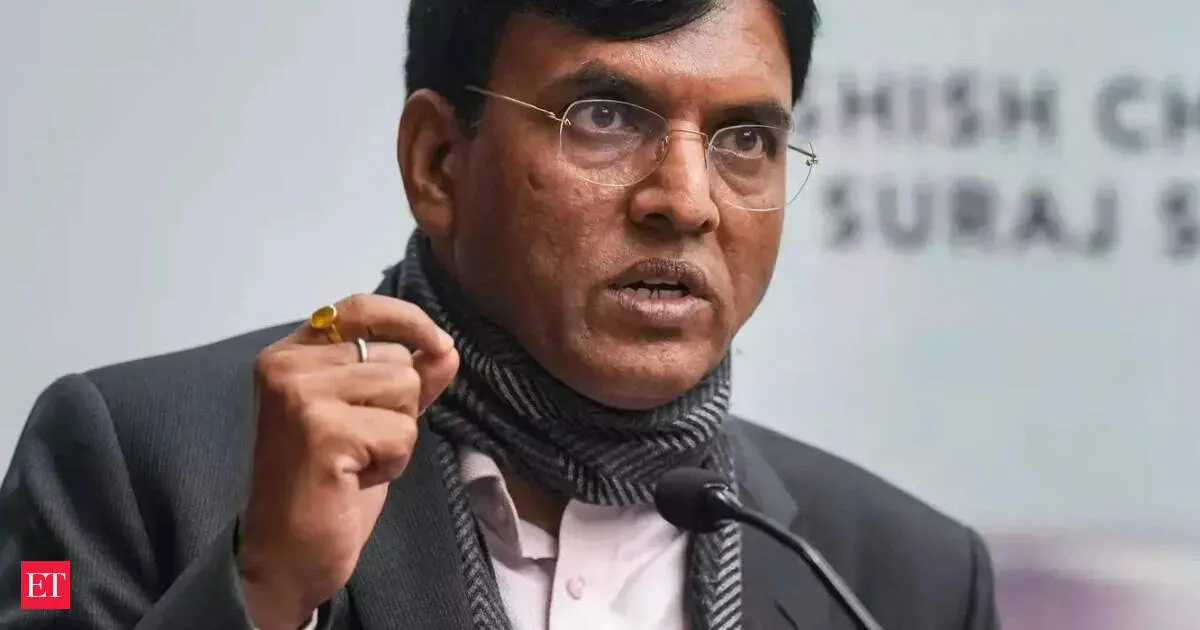
Union Minister Mansukh Mandaviya will inaugurate a nationwide free annual health check-up initiative for workers aged 40 and above on May 7, 2026. The program, tied to the new Labour Codes, is designed to boost social security and worker well-being, and will be rolled out through 11 ESIC hospitals starting from New Delhi.
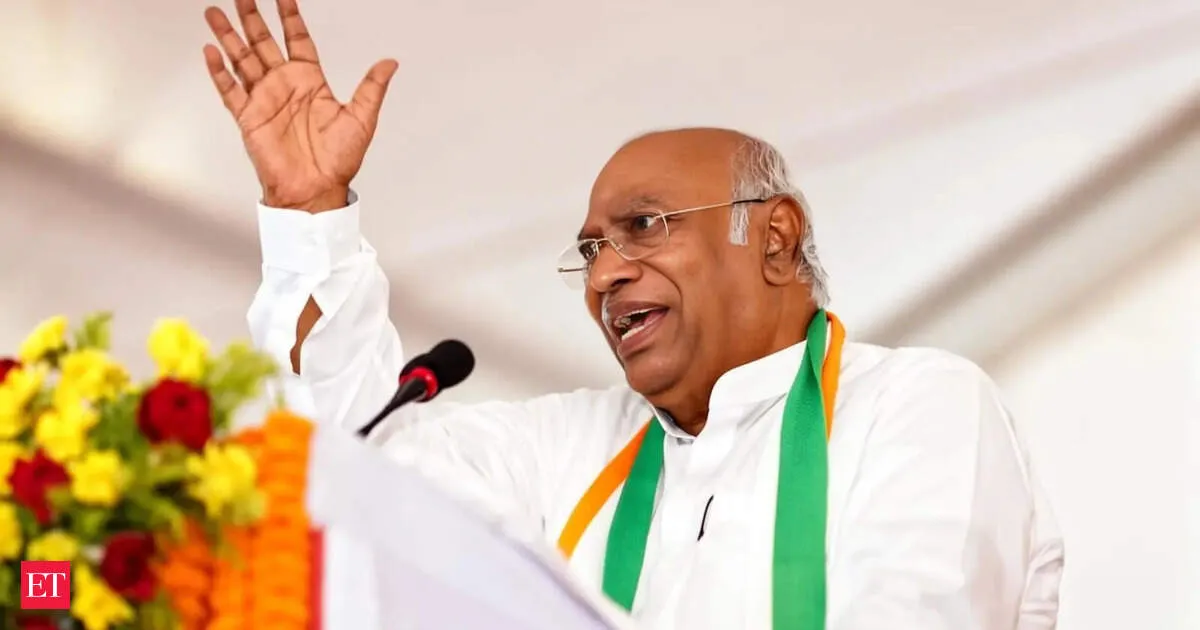
Congress has accused the Modi government of being anti-worker and urged a review of the new labour codes. Party chief Mallikarjun Kharge blamed unemployment and stagnant wages, and called for reviving MGNREGA, setting a Rs 400 daily minimum wage, and banning “hire & fire” practices. He also pushed for a Right to Health law and insurance for unorganised workers.
India’s new labour codes are reshaping workplaces fast, with roughly 4 in 5 firms reportedly revising pay structures amid rising compliance and employment costs. Wage growth is cooling as companies recalibrate workforce models. Yet hiring sentiment is improving, especially in tech and emerging sectors, where firms increasingly target urban capability and digital skills.
Never miss a story
Set alerts for the topics and sources you care about. Download Beige for free.
India’s new labour codes are starting to reflect in hiring trends beyond major metros. Reports show job postings rising as much as 56% in tier III and IV cities, alongside a shift toward work-from-office roles. Women’s job opportunities are expanding faster than men’s, while businesses increasingly view regulatory compliance as a key factor guiding recruitment, particularly in smaller markets.
Salaried workers are bracing for changes as India’s new labour codes and income tax rules approach implementation. While companies are planning new pay structures, rollouts are delayed until final government notifications. A move toward a fixed-heavy salary mix and higher basic pay could lower current take-home while improving retirement savings over time.
Swipe through stories, personalise your feed, and save articles for later — all on the app.