Although states may not yet have notified all rules under India’s new Labour Code framework, several provisions are already enforceable from November 21, 2025. Employers can’t wait for state notifications to implement key employee entitlements such as revised “wages” that reshape statutory payment calculations, and faster full-and-final settlements plus annual leave encashment timelines. This means payroll and HR systems may need urgent updates nationwide, affecting gratuity, leave encashment, overtime and notice pay computations.
India’s new labour code under the Code on Wages introduces an optional four-day workweek with three fixed off-days. Employers can choose this model only if specific conditions are met for employee scheduling and compliance, ensuring workers’ rights aren’t eroded. Before opting in, both employees and employers must understand the eligibility and procedural requirements.
Your news, in seconds
Get the Beige app — every story in 60 words, updated hourly. Free on iOS & Android.
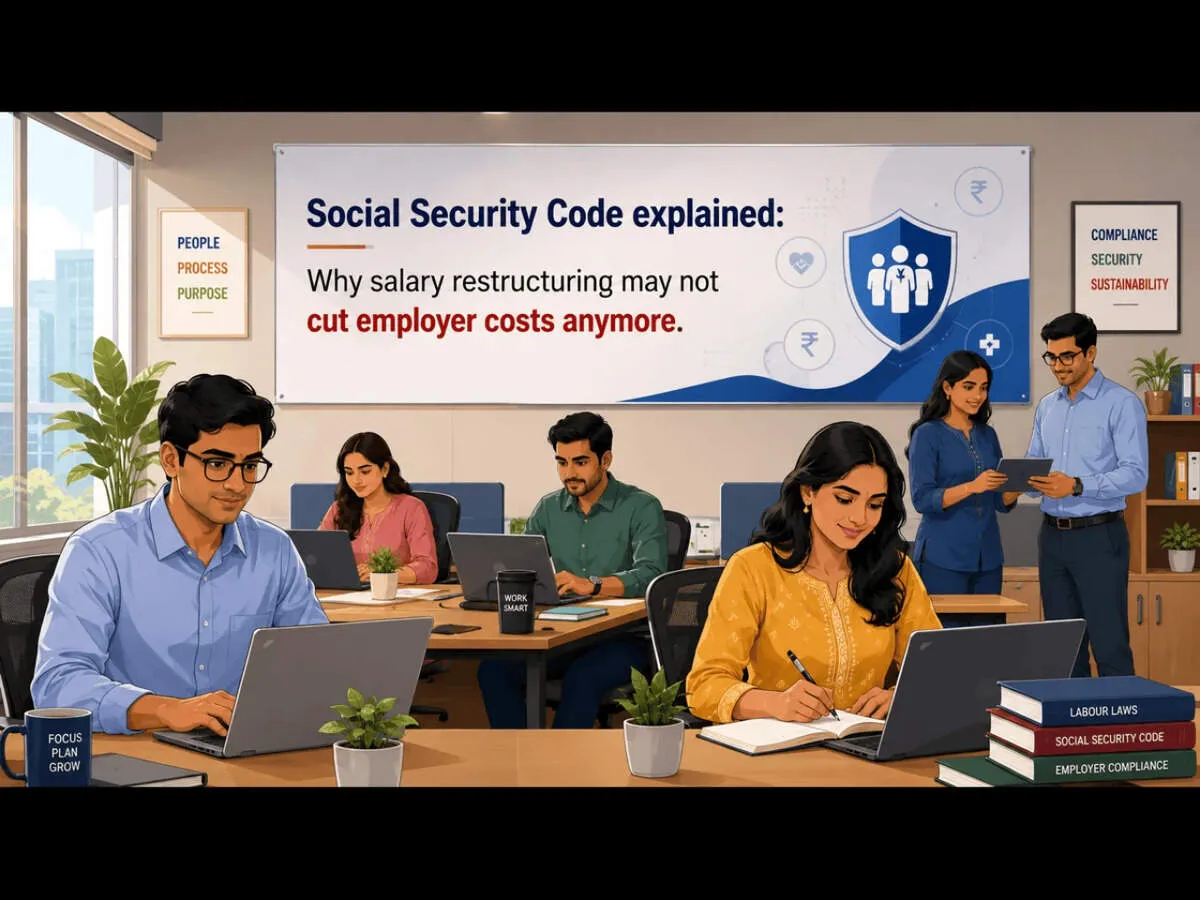
India’s Social Security (Central) Rules, 2026 update compliance under the Code on Social Security, 2020 and expand the definition of wages, raising employer social security and gratuity liabilities. Employers may want to restructure salary components to manage these costs, but Section 124 restricts any move that reduces employee wages or benefits to offset the additional liabilities.
Many Indian workers are told to stay late, often verbally, but the practice isn’t always legal. Under the new Labour Code and state laws, overtime must be paid at twice the ordinary rate. The catch: managerial and supervisory roles may be exempt. Employees can document instructions, file internal grievances, or approach labour authorities to recover unpaid overtime.
Swipe through stories, personalise your feed, and save articles for later — all on the app.