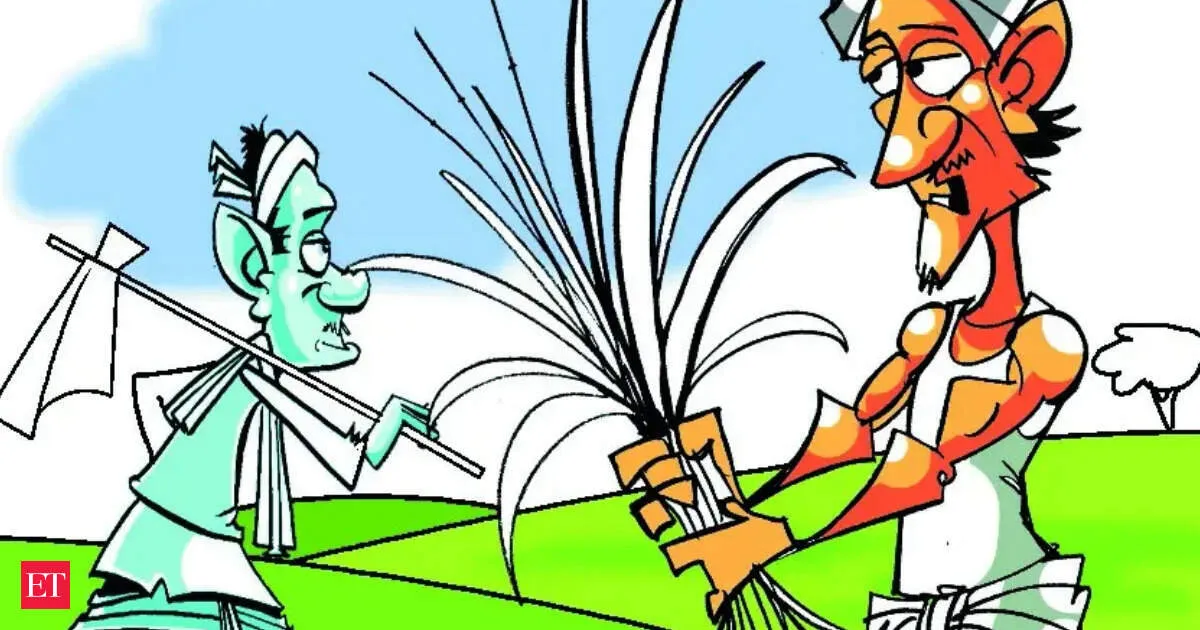
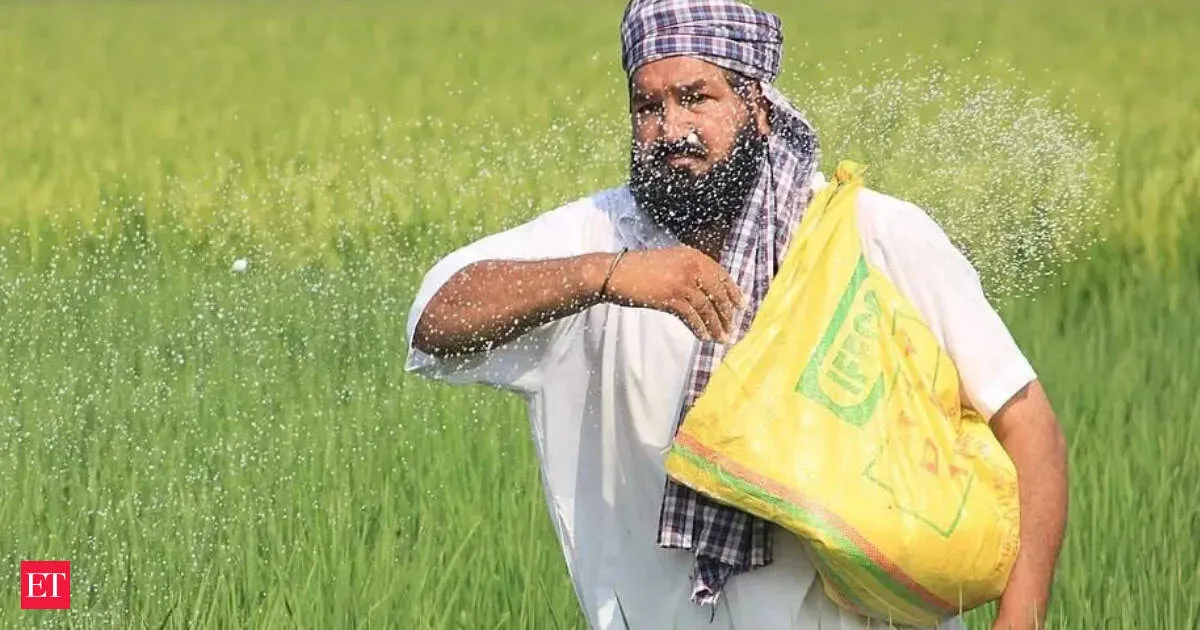
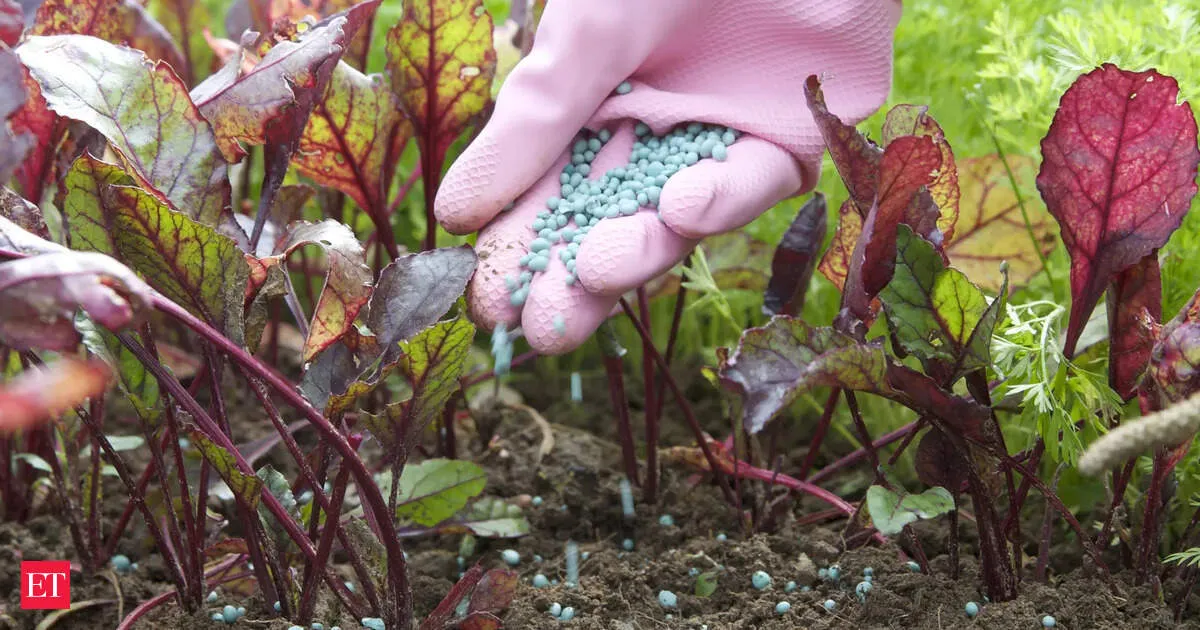
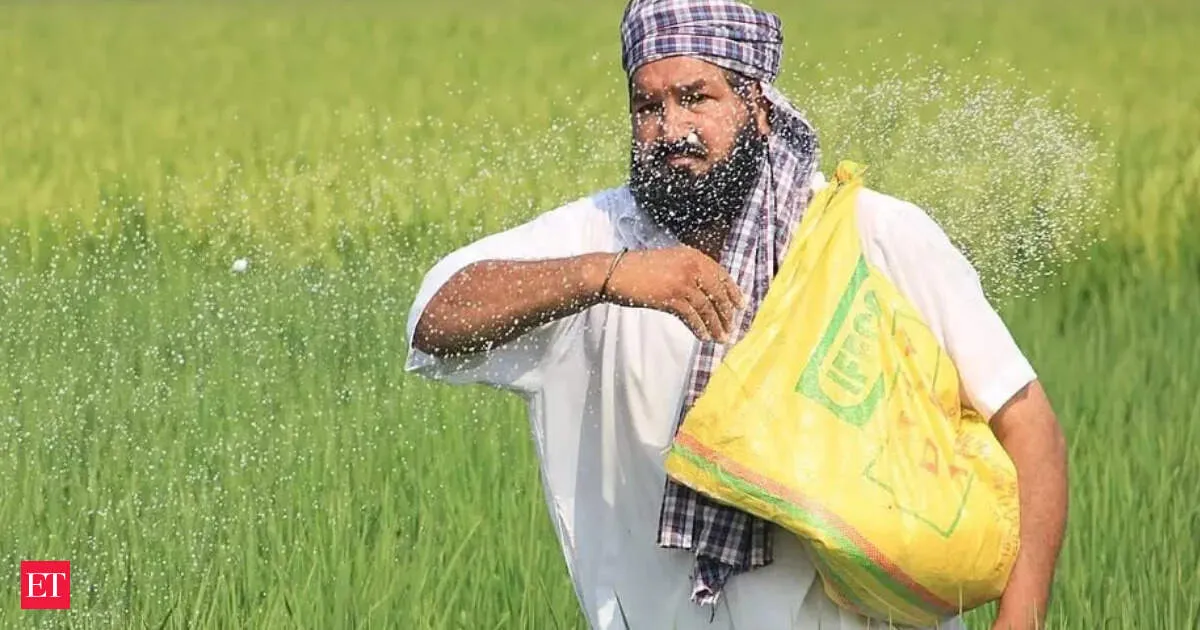
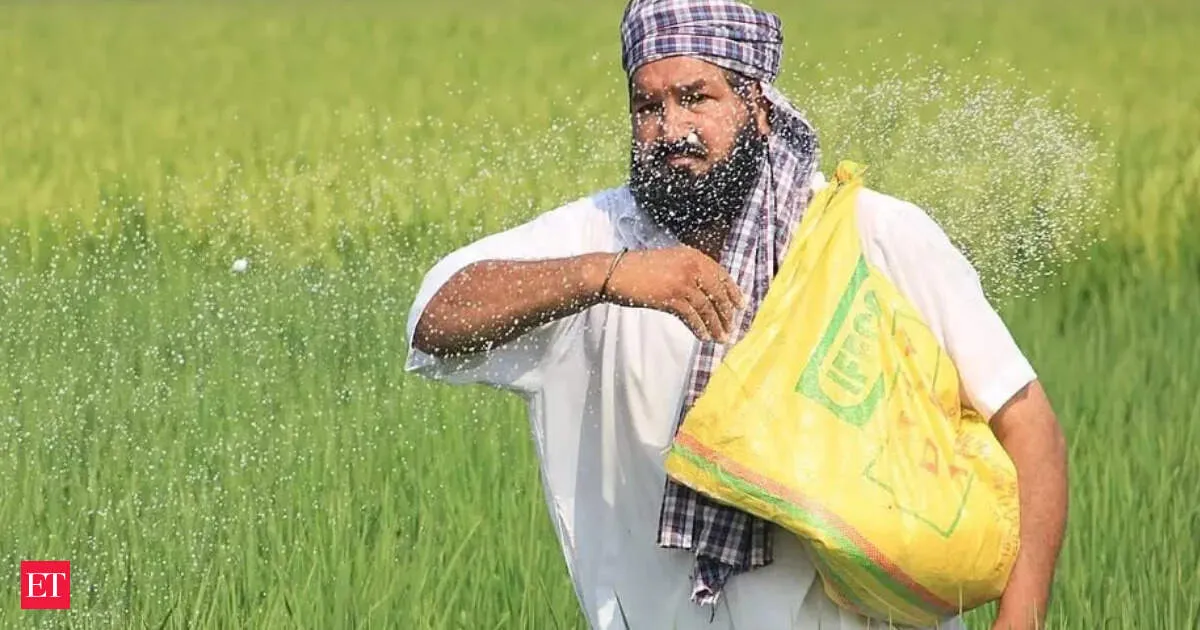
With kharif season nearing, farmers are increasingly turning to soybean and pulses like urad and masur, driven by fears of erratic monsoons and potential fertilizer shortages. After a recent surge, maize planting is expected to fall as growers prefer crops that need less fertilizer and carry lower risk in unpredictable weather.
The Centre has assured that India’s fertiliser supply for the upcoming Kharif season is secure, with stock levels comfortably above usual requirements. It said maximum retail prices for key fertilisers are stable, supported by domestic production and imports. The government has also secured large quantities of major products including NPK complexes, DAP, triple super phosphate and ammonium sulfate.
Your news, in seconds
Get the Beige app — every story in 60 words, updated hourly. Free on iOS & Android.
The IMD expects the Southwest Monsoon to reach the Andaman and Nicobar Islands around May 20. With forecasts pointing to below average rainfall, farmers face uncertainty as the kharif sowing window starts in June. Timing and uneven rain distribution could delay planting of pulses and oilseeds, with potential knock-on effects for food inflation.
India’s fertilizer position looks resilient despite tensions in West Asia. Domestic urea output in March–April hit 37.49 lakh tonnes, almost in line with last year. Meanwhile, the government has secured 37 lakh tonnes of imported urea to protect supply ahead of the Kharif season, aiming to prevent shortages from disrupting farm inputs.
India plans to import 64 lakh tonnes of urea and 19 lakh tonnes of other fertilisers for the upcoming kharif season, even as global prices have doubled amid the West Asia crisis. The government says retail prices for urea and di-ammonium phosphate will remain unchanged, with adequate supply assured. Domestic production is also improving after securing gas supplies.
India’s government is pushing alternatives to chemical fertilisers after a 24.6% drop in output and supply disruptions tied to the Strait of Hormuz crisis. The Centre is planning targeted action in high-use districts and aims to reduce chemical fertiliser usage by 25% by 2030, timed ahead of the kharif season and the food production cycle.
Never miss a story
Set alerts for the topics and sources you care about. Download Beige for free.
Swipe through stories, personalise your feed, and save articles for later — all on the app.