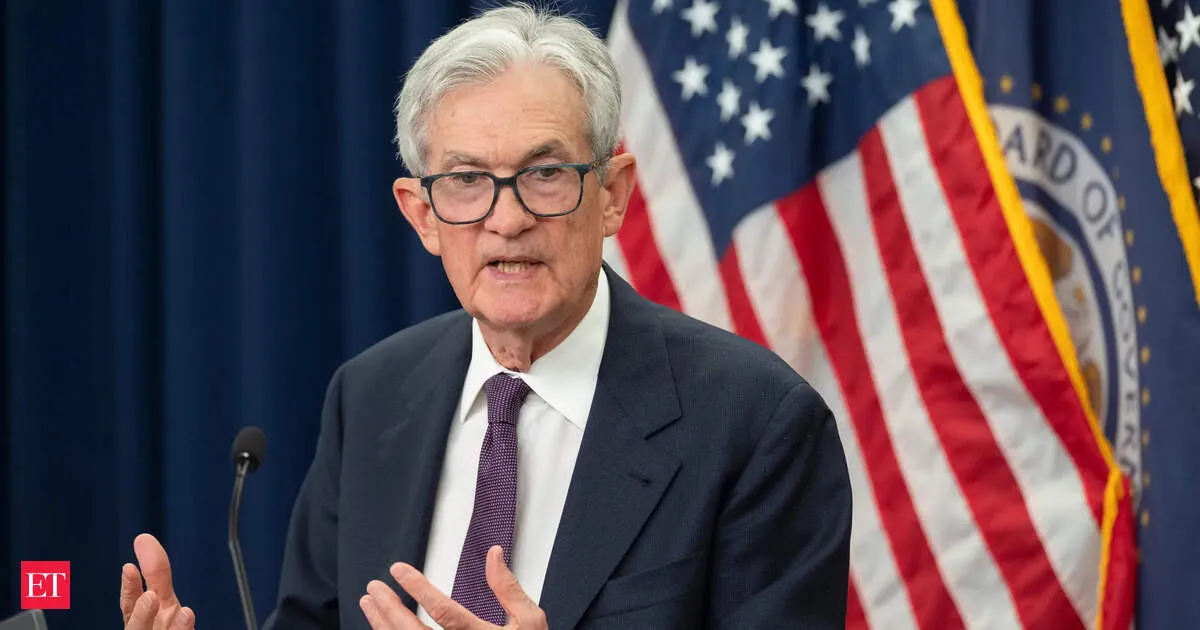
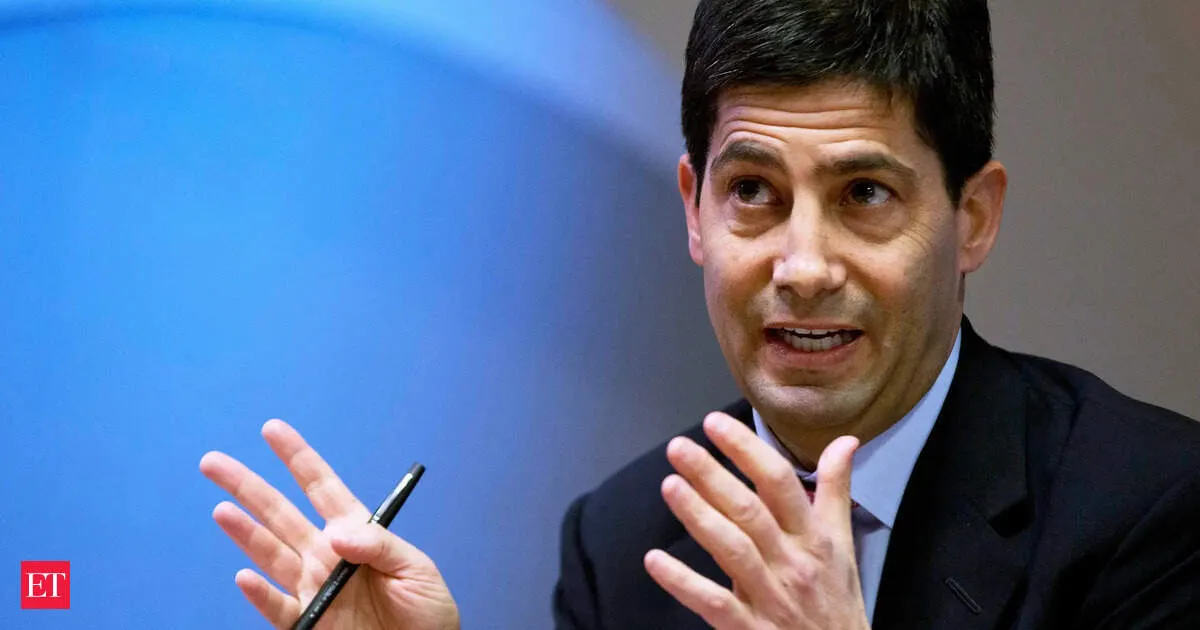
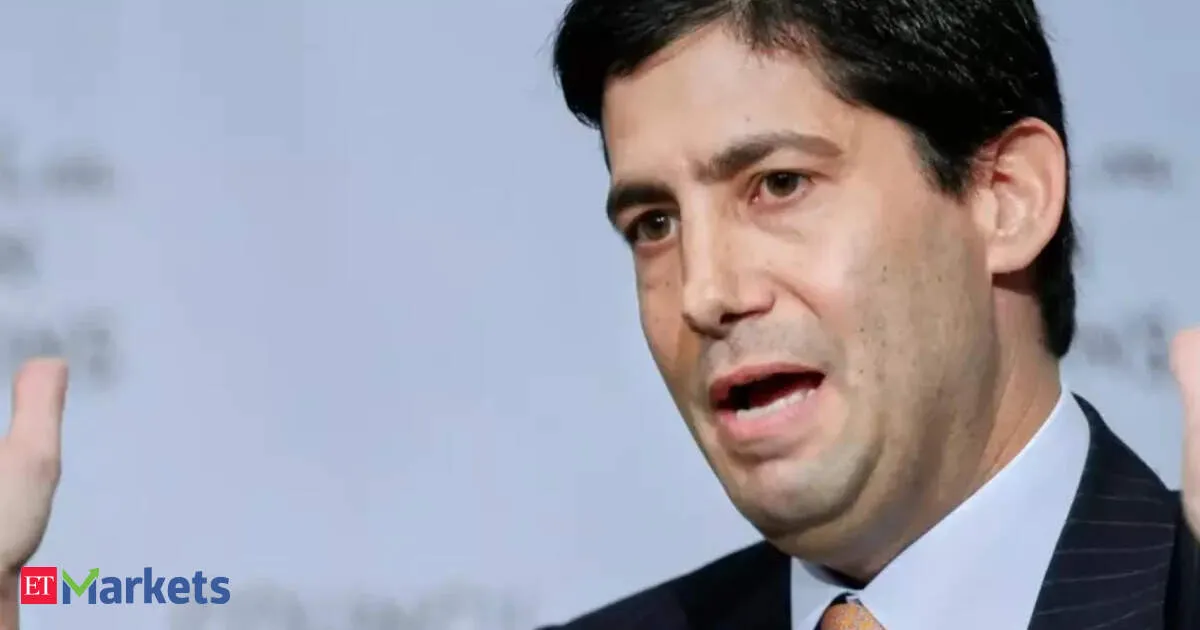
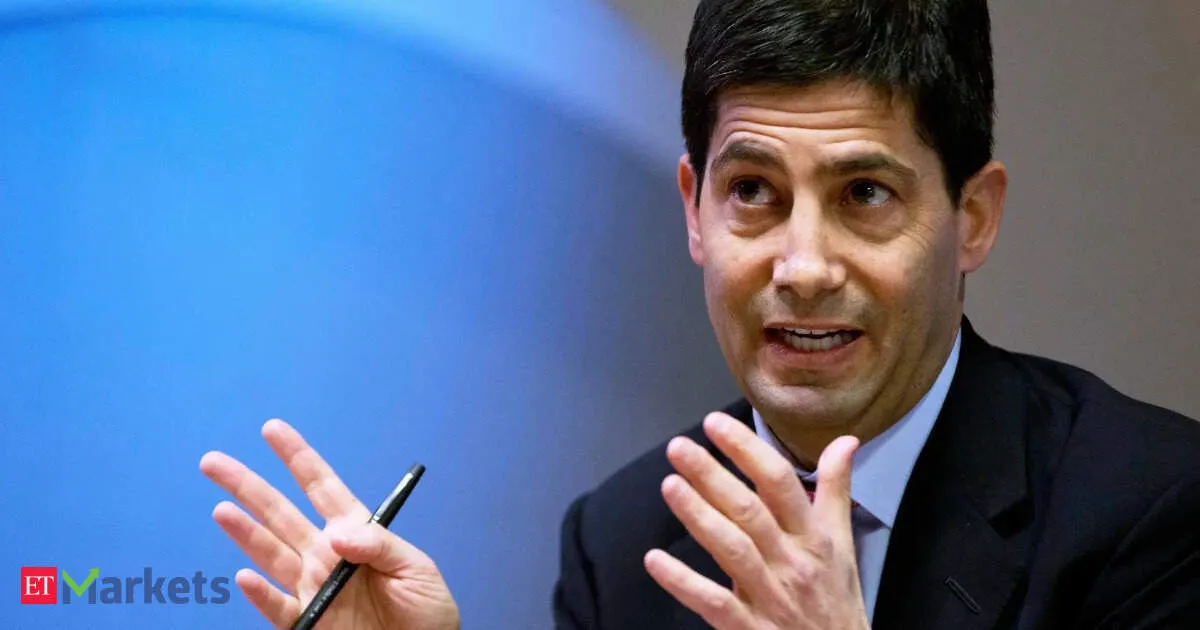
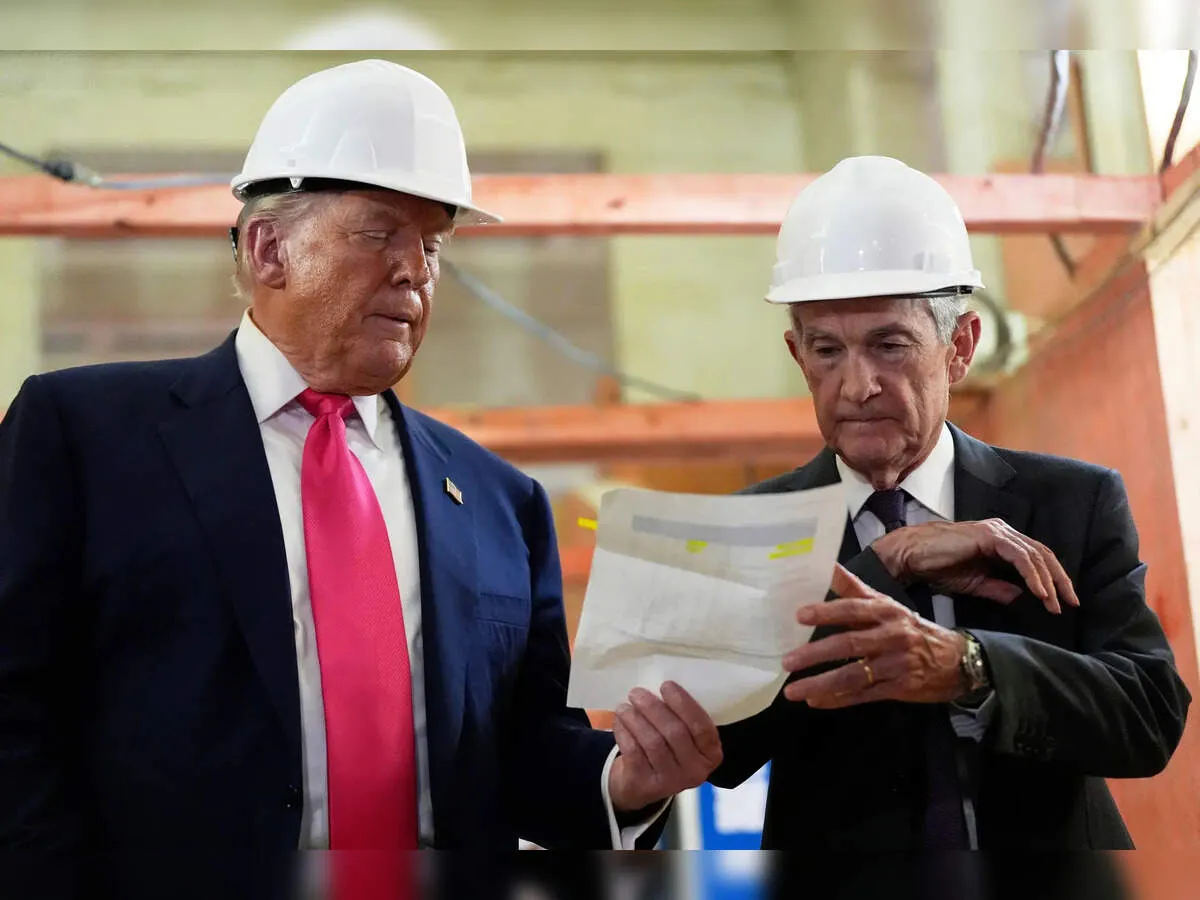
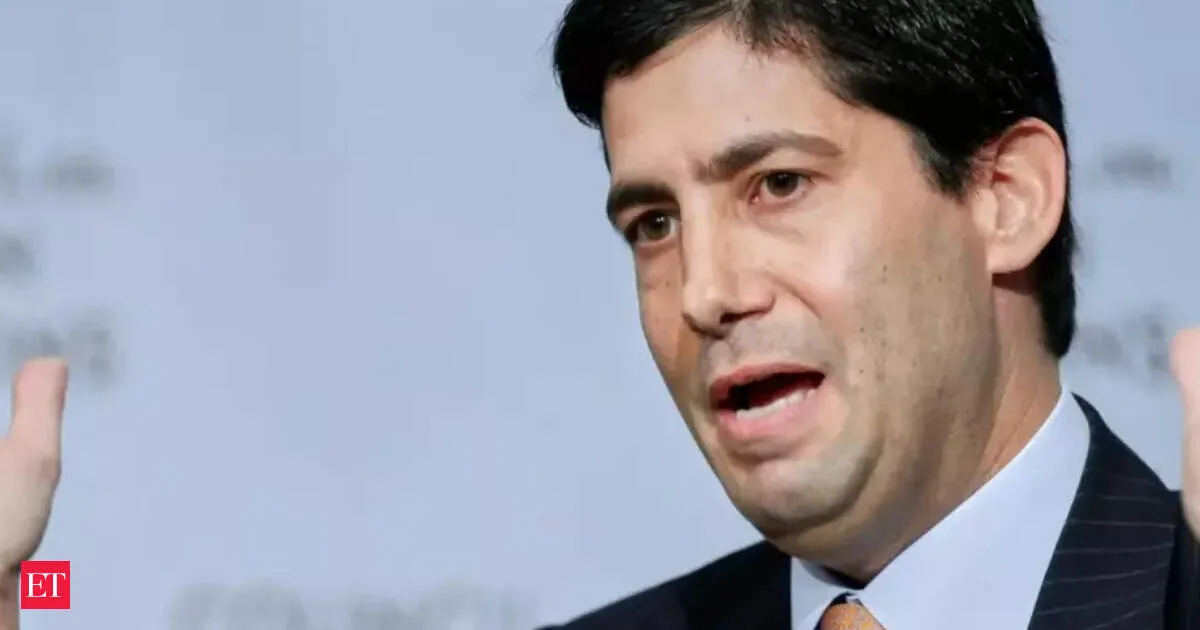
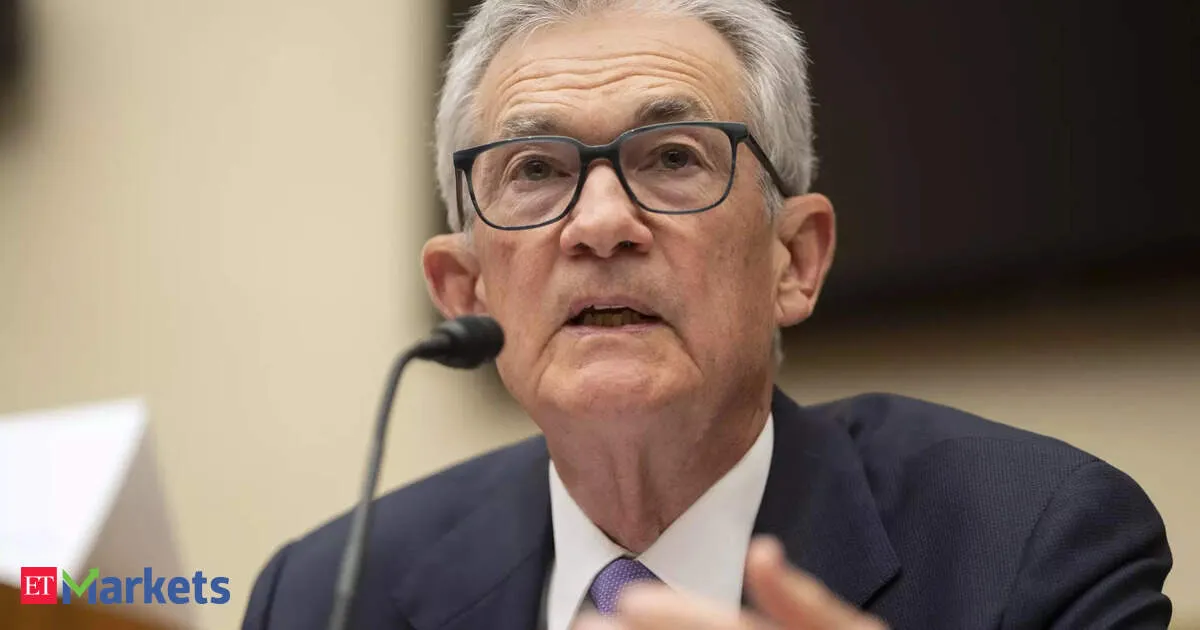
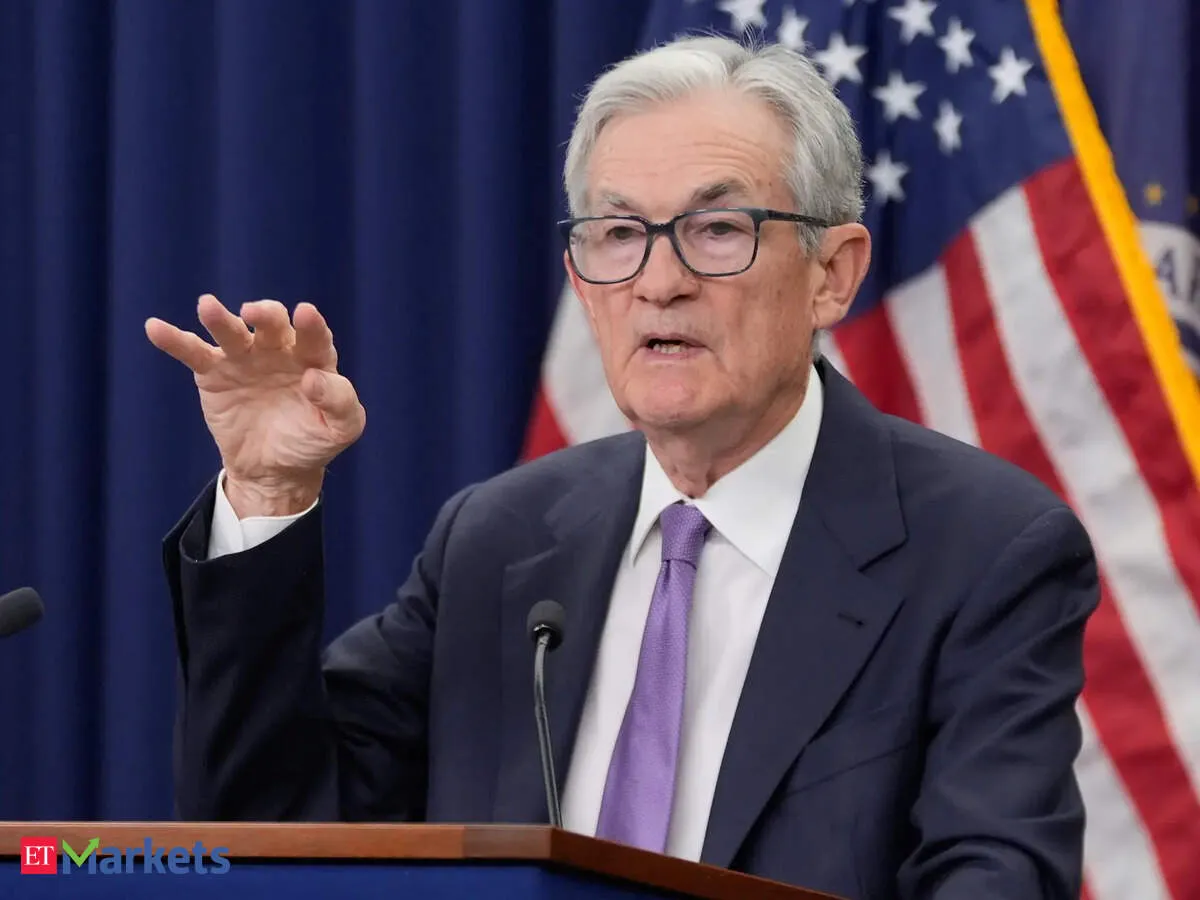
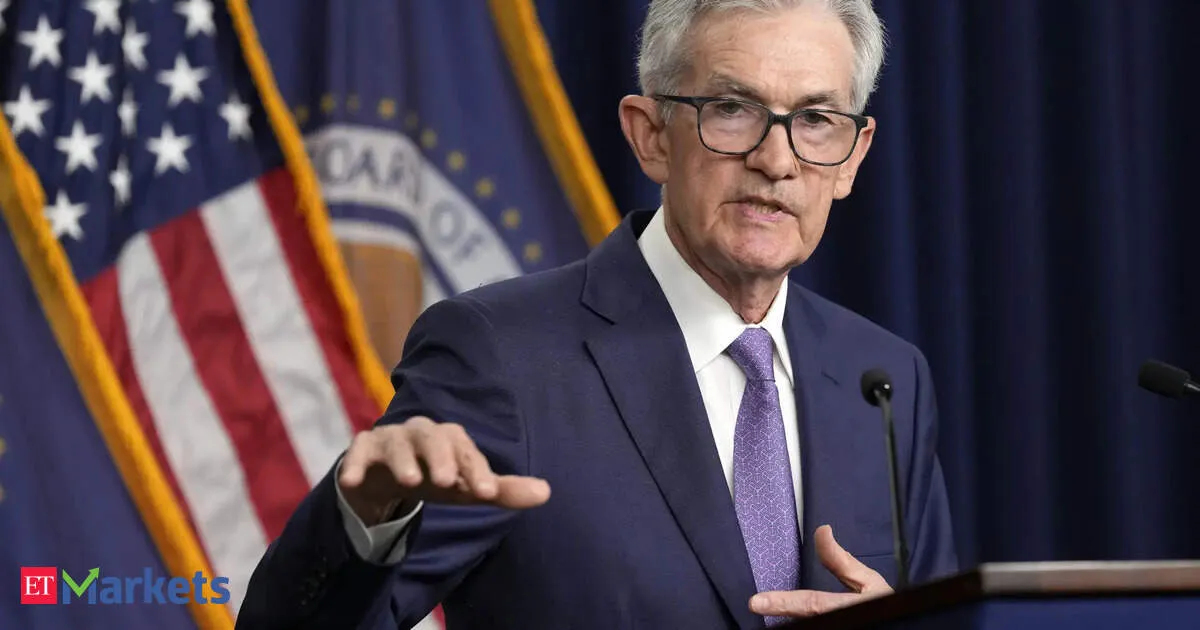
The US Federal Reserve board has appointed Jerome Powell as temporary chair until successor Kevin Warsh is sworn in, following Warsh’s Senate confirmation this week. Powell’s term ended Friday, and the Fed says the move follows past transition practice, though it has not set a swearing-in date. The decision drew dissent from Trump nominees Stephen Miran and Michelle Bowman, who argued the interim role must be time-limited. Warsh, a former inflation “hawk,” now aligns with lower-rate pressure.
Kevin Warsh is set to become the next chair of the US Federal Reserve, but his direct sway over interest rates could be limited. Rate targets are decided by the 12-member Federal Open Market Committee, where Warsh would cast only one vote. In practice, the chair’s influence depends on consensus building and persuasion, which is why markets are watching every Fed statement for policy signals.
Your news, in seconds
Get the Beige app — every story in 60 words, updated hourly. Free on iOS & Android.
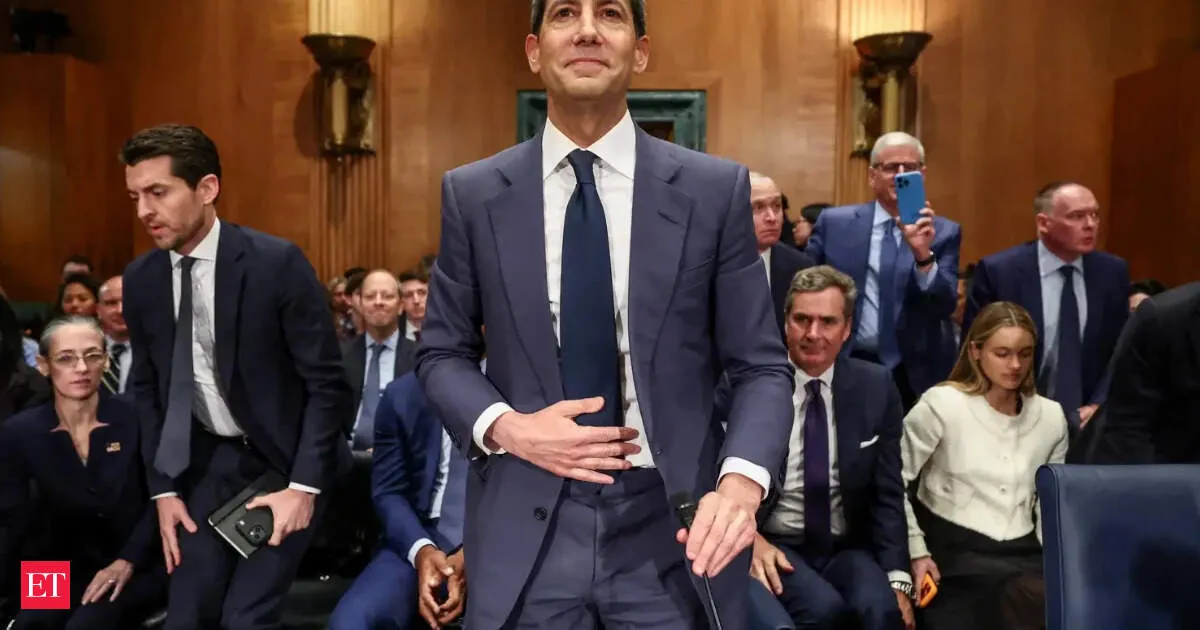
The US Senate has confirmed Kevin Warsh as the next head of the Federal Reserve, succeeding Jerome Powell. He steps into a high-pressure moment marked by elevated inflation, rising gas prices, and sharp internal Fed disagreements. With President Trump pushing for lower interest rates, Warsh has vowed independence—yet faces a tight balancing act to cool inflation without stalling growth.
The US Senate has confirmed Kevin Warsh as a Federal Reserve governor, setting up a crucial period for the central bank amid political pressure. Warsh is now preparing to shape the Fed’s priorities and has signaled interest in reshaping how the Fed coordinates with the US Treasury. A Fed chair vote is expected on Wednesday.
April’s strong U.S. hiring data has cut the odds of Federal Reserve rate cuts this year, reinforcing officials’ concerns that inflation pressures remain sticky. With the job market staying resilient and energy prices moving higher, policymakers may be forced to hold rates longer—an outcome that could undermine the policy agenda of prospective Fed Chair Kevin Warsh.
Incoming Fed leader Kevin Warsh says curbing the release of Federal Reserve meeting transcripts could improve the quality of debate behind monetary policy. In an upcoming book, Warsh argues the transparency practice—used for decades—may actually weaken deliberations needed for better decisions, echoing his broader push to overhaul the Fed’s approach and structure.
Never miss a story
Set alerts for the topics and sources you care about. Download Beige for free.
The US Federal Reserve is heading for a key leadership change as Donald Trump nominates Kevin Warsh to replace Jerome Powell when his term ends May 15, pending Senate approval. The decision could reverberate through global markets by reshaping expectations for interest rates and monetary policy—raising urgent questions about how independent the Fed will be under Warsh.
Ahead of Kevin Warsh taking the helm, the US Federal Reserve is already wrestling with sharp internal disagreement among policymakers. In the meantime, the Fed has chosen to keep its policy rate unchanged. Warsh’s stated approach is to push for more open debate inside the institution, but the current split suggests the fight over the next steps may start immediately.
Federal Reserve Chair Jerome Powell stressed that the Fed must remain independent and insulated from political pressure to best serve the American people. Ahead of the leadership transition, he also congratulated Kevin Warsh as he advanced through the Senate Banking Committee, signaling confidence in the successor’s path toward taking the helm.
The Federal Reserve is entering a leadership and policy turning point as Kevin Warsh backs a push for more open debate. Even as the labor market stays steady, policymakers remain split on how quickly inflation will cool and whether rates can fall. With no near-term cuts expected, inflation risks continue to loom over the outlook.
Reading on mobile?
Open Beige in the app for a smoother experience — free on iOS and Android.
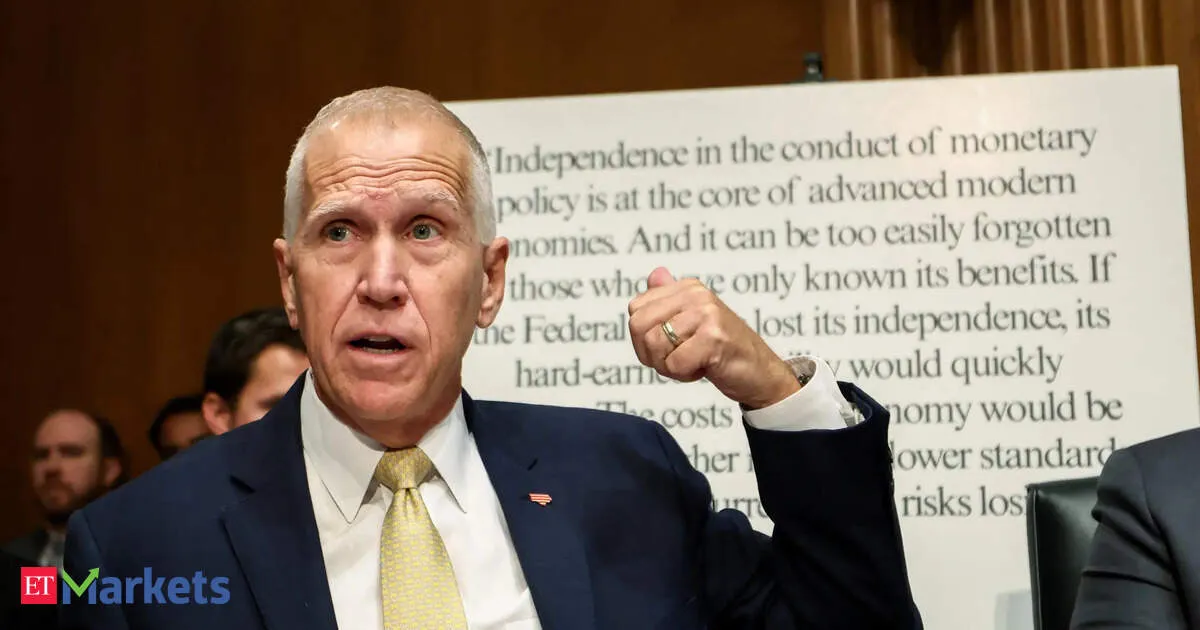
Senator Thom Tillis has cleared the way for Kevin Warsh’s nomination to become Federal Reserve chair after the DOJ ended its probe into current chair Jerome Powell. With Warsh’s confirmation process now moving forward, the Senate could vote before Powell’s term ends, ending months of uncertainty about the Fed’s top leadership.
The US Justice Department has ended its criminal probe of Federal Reserve chair Jerome Powell, finding no evidence of criminal conduct tied to the Fed’s building renovations. With subpoenas already dismissed by a judge, the ruling removes a key hurdle for President Trump’s nominee Kevin Warsh, potentially paving the way for a quicker Senate confirmation vote.
Swipe through stories, personalise your feed, and save articles for later — all on the app.