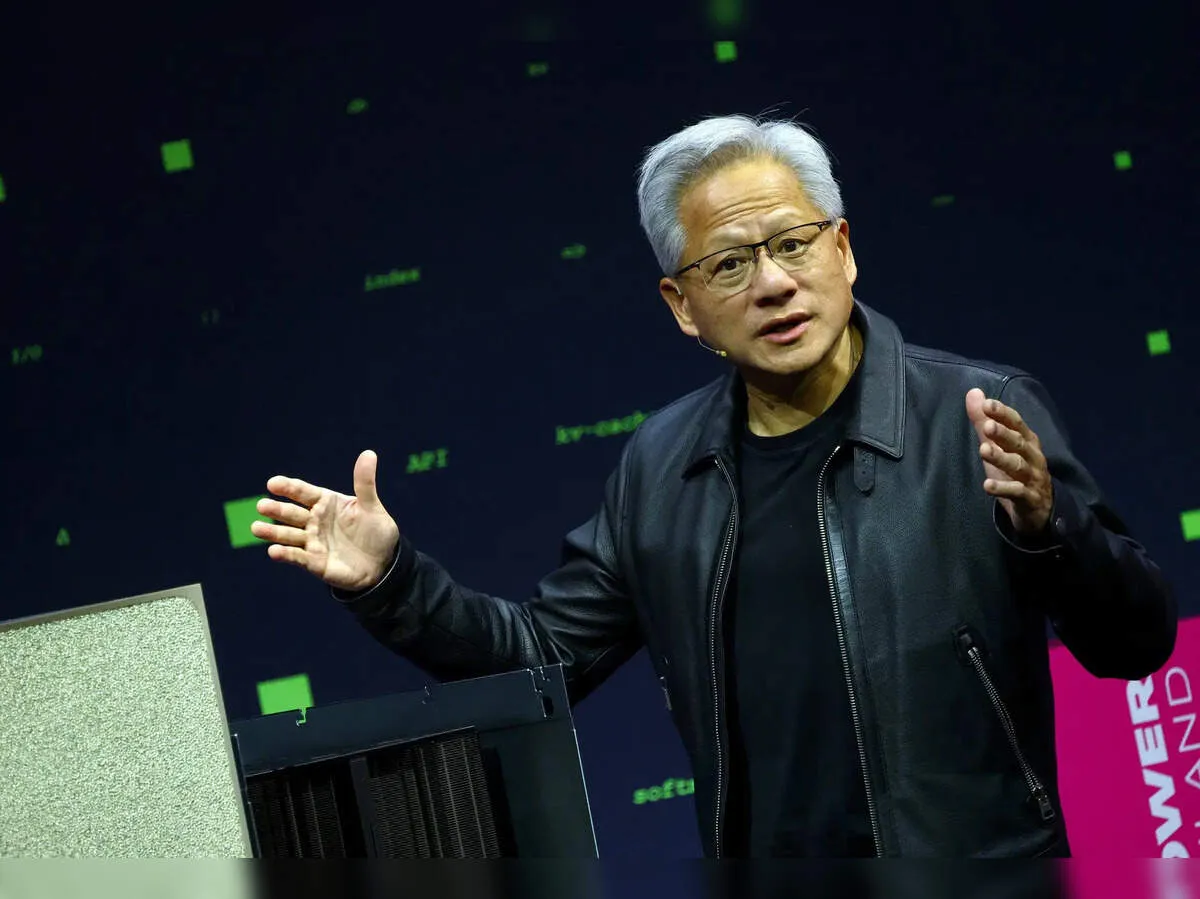
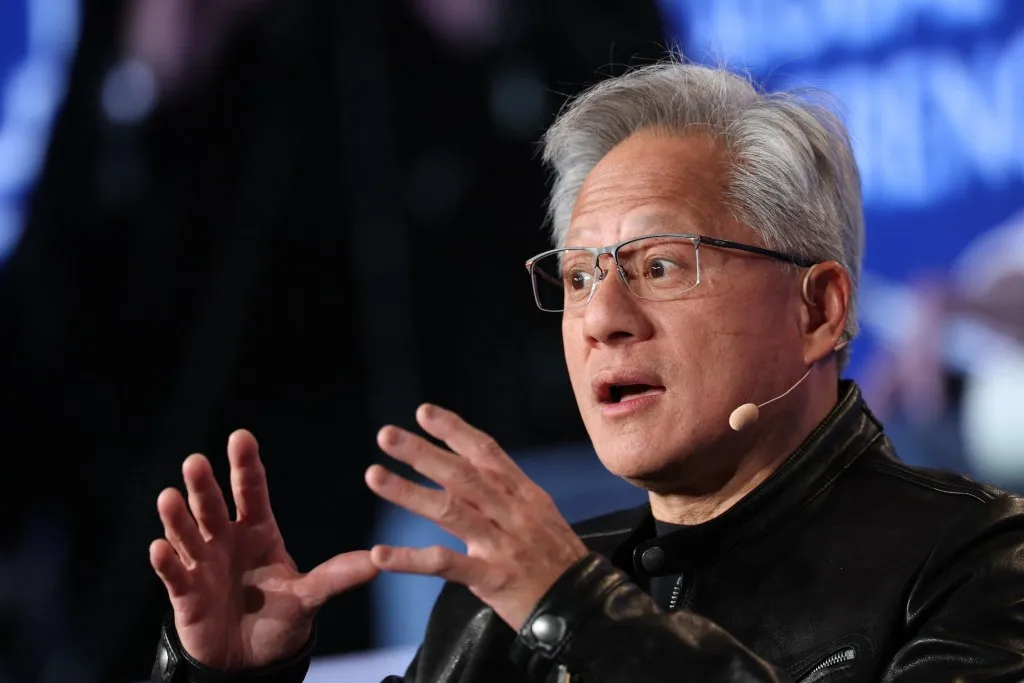
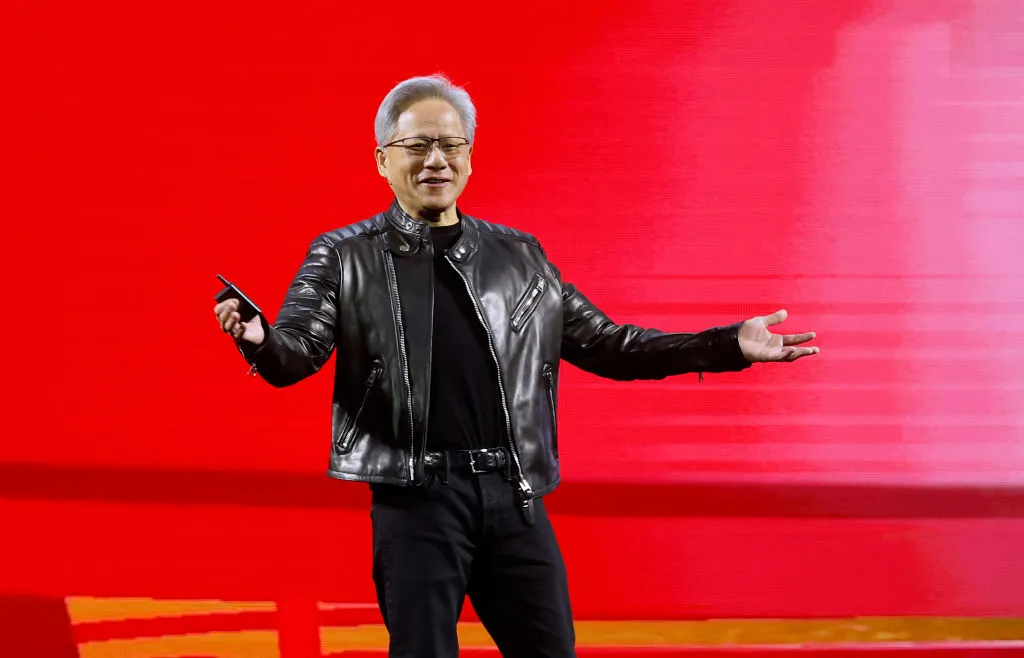
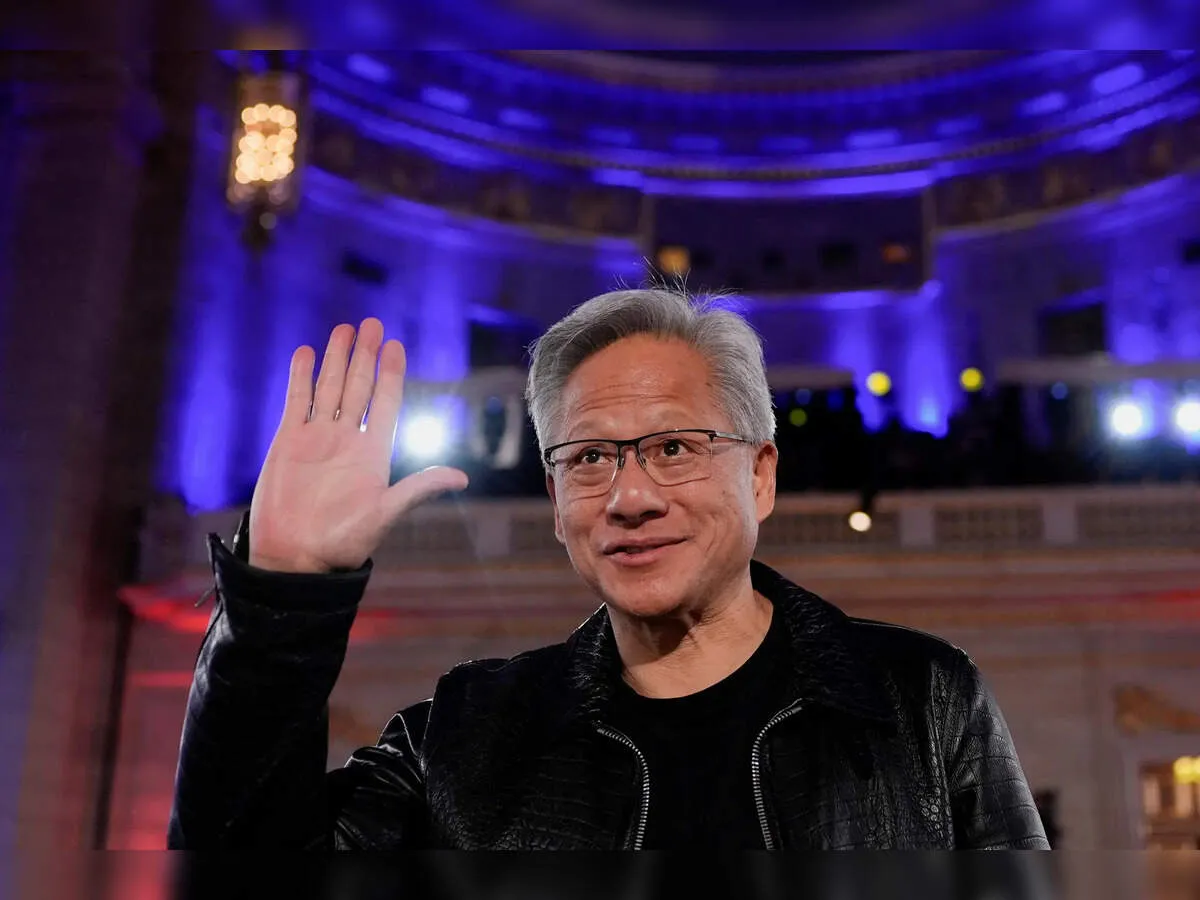
Nvidia CEO Jensen Huang met Chinese President Xi Jinping and voiced hopes for better US China ties. The backdrop is tougher: Nvidia says it faces challenges supplying advanced AI chips to Chinese clients, a constraint that could slow China’s AI development efforts. Huang’s remarks highlight how geopolitics and chip controls are reshaping global AI supply chains.
Nvidia CEO Jensen Huang reportedly became a sudden addition to Donald Trump’s China delegation, boarding Air Force One shortly before departure. The visit is set to tackle tariffs, trade, AI cooperation, Iran war concerns, Taiwan tensions, rare earth supplies, and global supply chains, alongside high-level meetings between Trump and Xi Jinping with US tech leaders in attendance.
Your news, in seconds
Get the Beige app — every story in 60 words, updated hourly. Free on iOS & Android.
Nvidia CEO Jensen Huang delivered a contrarian commencement message at Carnegie Mellon University, directly addressing graduates anxious that AI will replace their jobs. Instead of focusing on displacement, he urged students to rethink how they’ll work alongside new technology. The speech reframes AI as a force that should push people toward adaptation and creativity rather than panic.
Nvidia CEO Jensen Huang will not be in Beijing during President Donald Trump’s China visit, with a source saying he was not invited. The White House is instead emphasizing agriculture and commercial aviation, including possible Boeing aircraft orders. The White House has not commented, leaving questions about what the trip means for US-China tech and chip engagement.
Nvidia CEO Jensen Huang pushed back on worries that AI will destroy jobs, saying the technology is already creating an enormous number of new ones. While concerns about displacement remain, Huang’s message frames AI as an expansion engine for roles across development, deployment, and operations—suggesting job losses may be less severe than critics predict.
Nvidia CEO Jensen Huang says he has reviewed pay for all 42,000 employees, emphasizing a people-first operating philosophy. In his account, he repeatedly increased operating expenses (OpEx) because caring for employees drives the rest of the results. The remarks spotlight how compensation and spending priorities are linked to company performance.
Never miss a story
Set alerts for the topics and sources you care about. Download Beige for free.
Swipe through stories, personalise your feed, and save articles for later — all on the app.