India’s IT sector is facing a major talent surplus, with active jobseekers jumping 32% in four months to 650,000 by April, up from 490,000 in January, according to CIEL HR data. Recruiters report applications per mid-level role have surged from a few hundred last year to well over a thousand. Experts link the shift to global restructuring, layoffs, and faster AI-led tool adoption—creating pressure on generalist coding roles while specialized skills remain in short supply.
With uncertainty rising across the Middle East, Indian IT firms are accelerating remote and hybrid work to protect employees and keep operations flexible. Alongside this shift, companies are upgrading energy efficiency across campuses. Nasscom, backing a $315 billion technology industry, says it is closely monitoring geopolitical developments that could affect work patterns and business continuity.
Your news, in seconds
Get the Beige app — every story in 60 words, updated hourly. Free on iOS & Android.
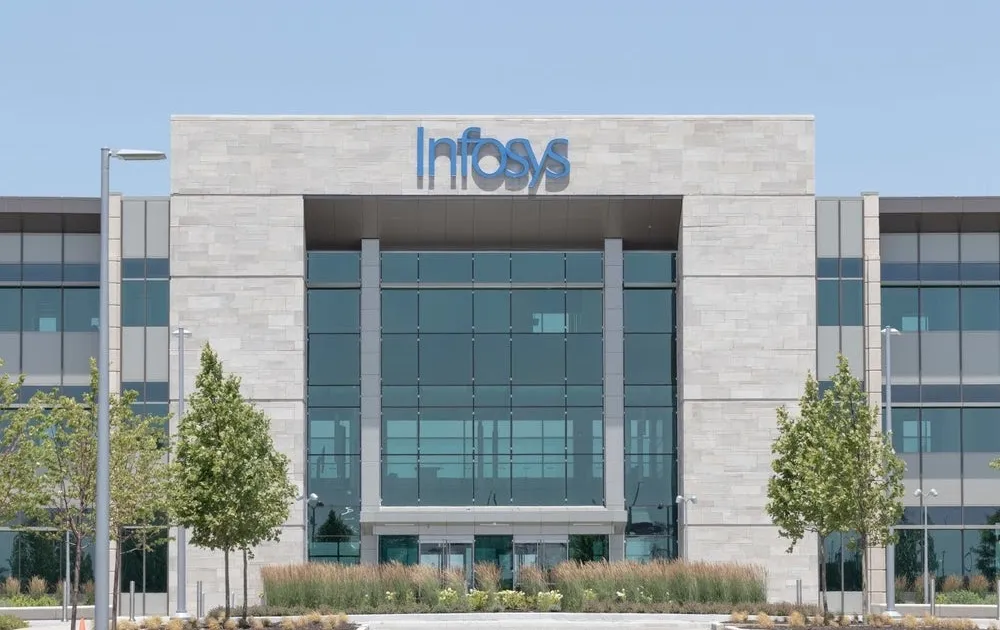
Infosys is scaling its Visakhapatnam operations, adding new capacity after growing its headcount from about 250 in early 2024 to nearly 1,900 today, with another 750 seats expected soon. The company has been allotted 20 acres for a permanent 7,000-seater campus, supported by Andhra Pradesh’s IT and skilling initiatives and local recruitment from freshers to laterals.
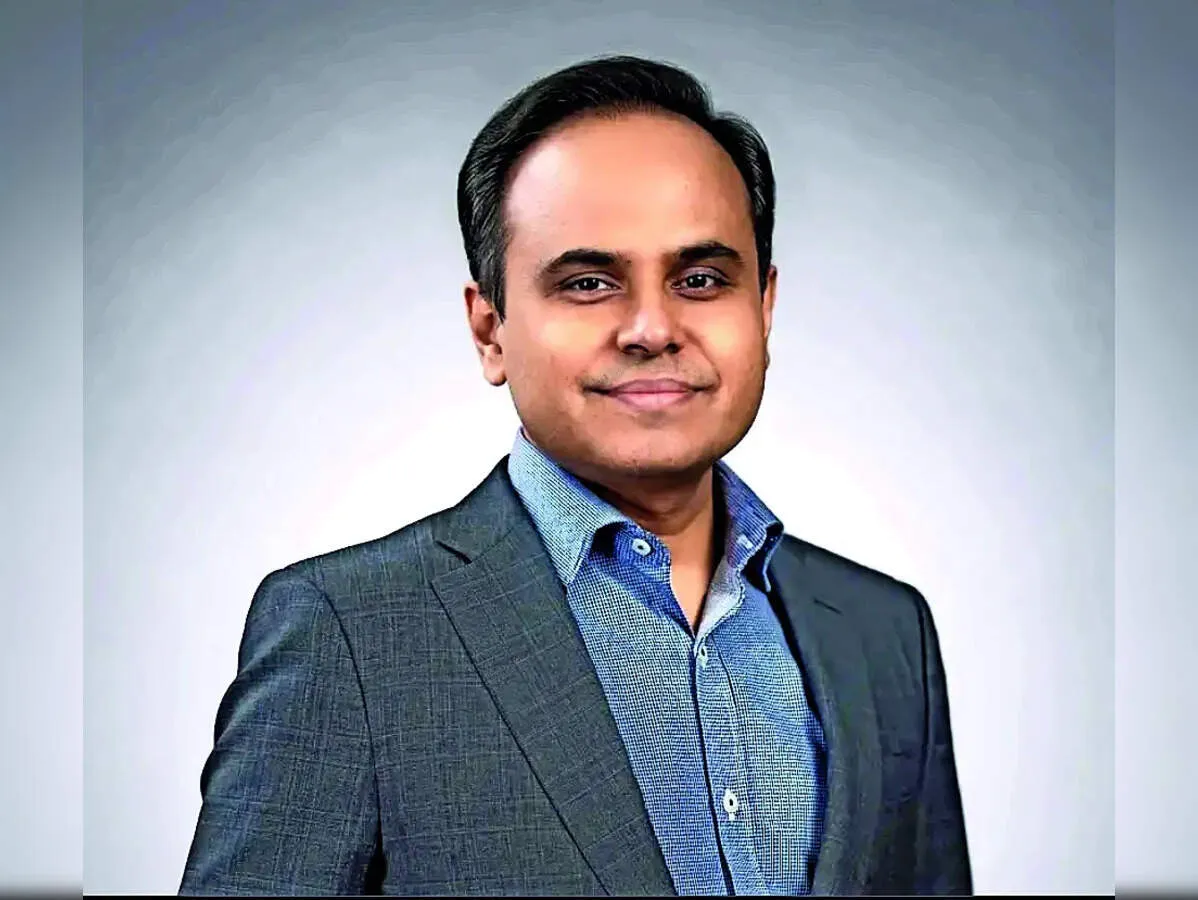
Nasscom Chair Srikanth Velamakanni says India’s tech industry should treat artificial intelligence as an accelerator, not a job-killing threat. Taking the helm amid geopolitical turmoil and AI-driven disruption, he argues that technology will keep hiring and help companies adapt. His message reframes AI’s impact as a growth lever for India’s IT services sector.
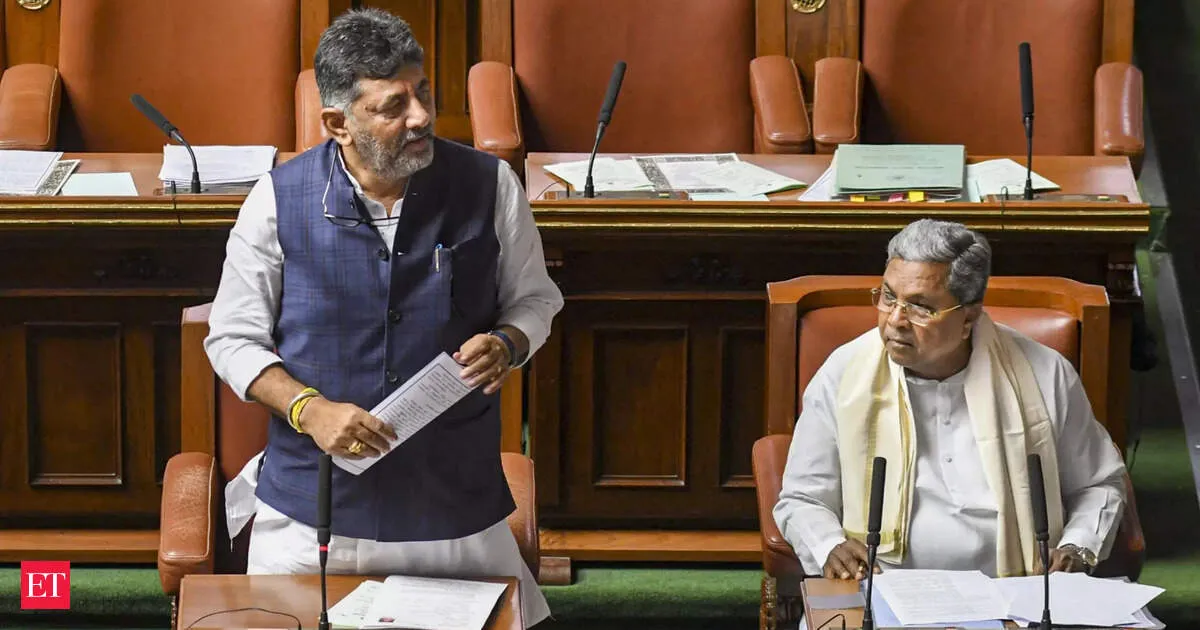
Karnataka’s new job reservation bill, announced by Siddaramaiah, reserves roles for local candidates and has already triggered Nasscom’s backlash, especially from major employers like Google and Intel. The law is enforced through a nodal agency, with penalties ranging from ₹10,000 to ₹25,000 and daily fines for repeat violations. Companies may need training plans, exemptions, and must keep 25% management and 50% non-management reserved slots.
Nasscom says IT firms must act swiftly and decisively in harassment cases, backing a strict, non-negotiable approach to misconduct. The statement comes as Tata Consultancy Services faces allegations of sexual harassment, religious misconduct, and coercion at its Nashik office. Employees were suspended during an investigation, while police arrested seven people and formed an SIT to dig deeper.
Never miss a story
Set alerts for the topics and sources you care about. Download Beige for free.
India’s IT workforce is bracing for rapid AI-driven automation, with experts warning that many white-collar roles could be disrupted within 12 to 18 months. The shift may strain traditional IT outsourcing models and intensify job displacement fears. Others argue AI won’t simply eliminate jobs, but will reshape them—creating demand for integration, governance, and oversight roles.
Swipe through stories, personalise your feed, and save articles for later — all on the app.