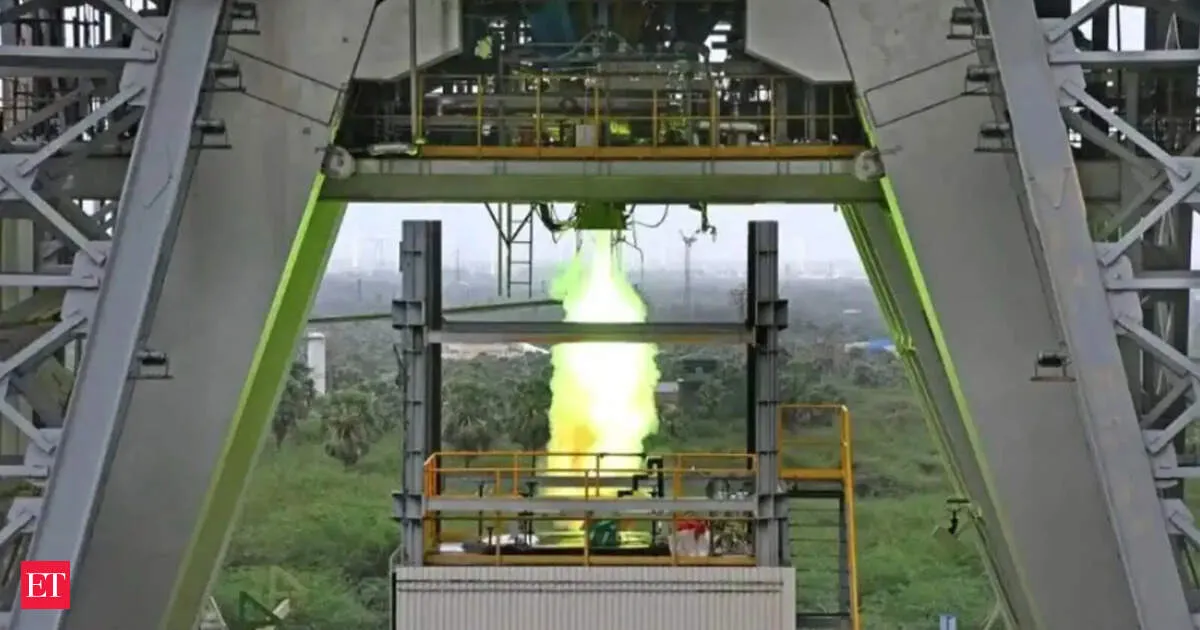
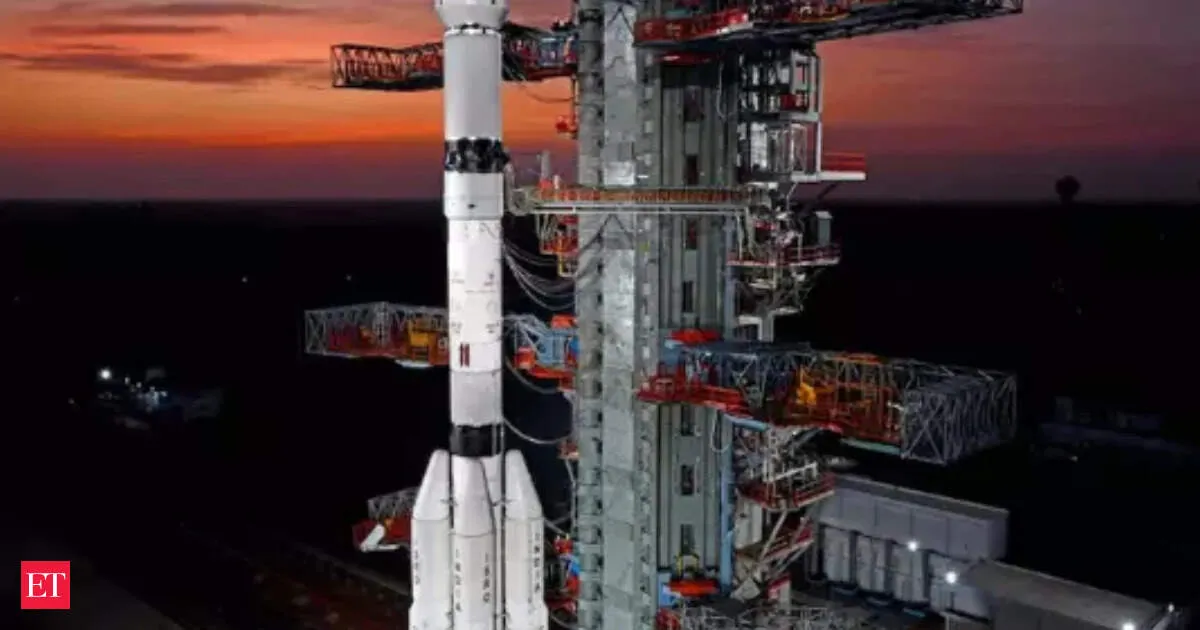
Skyroot Aerospace says its Vikram-1, India’s first privately built orbital rocket, is set to launch from Sriharikota within weeks. The test flight is designed to collect key performance data for upcoming commercial missions, using ISRO infrastructure and carrying varied payloads. A successful attempt could quickly elevate Skyroot’s role in India’s fast-growing private space ecosystem.
ISRO held technical talks with Russia’s Roscosmos in Moscow focused on semi-cryogenic engines vital for India’s heavy-lift launch vehicles. A draft contract is currently under approval and could speed up ISRO’s indigenous engine development. The discussions also fit within ISRO’s wider cooperation roadmap, including efforts linked to the Venus Orbiter Mission.
Your news, in seconds
Get the Beige app — every story in 60 words, updated hourly. Free on iOS & Android.
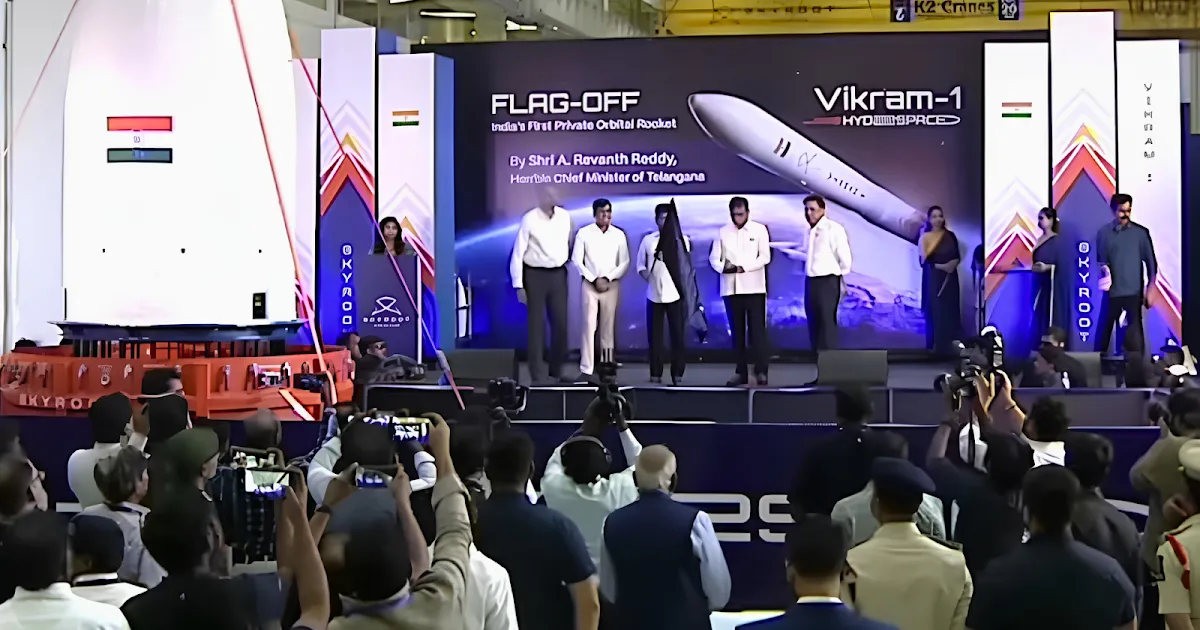
Telangana’s Chief Minister and Industries Minister flagged off Skyroot Aerospace’s Vikram 1 hardware at the Max-Q campus in Hyderabad, signaling India’s first privately developed orbital rocket push. The three-stage, carbon-composite vehicle aims to loft up to 350 kg of small satellites to low Earth orbit, with launch targeted for June 2026 under IN-SPACe and ISRO oversight.
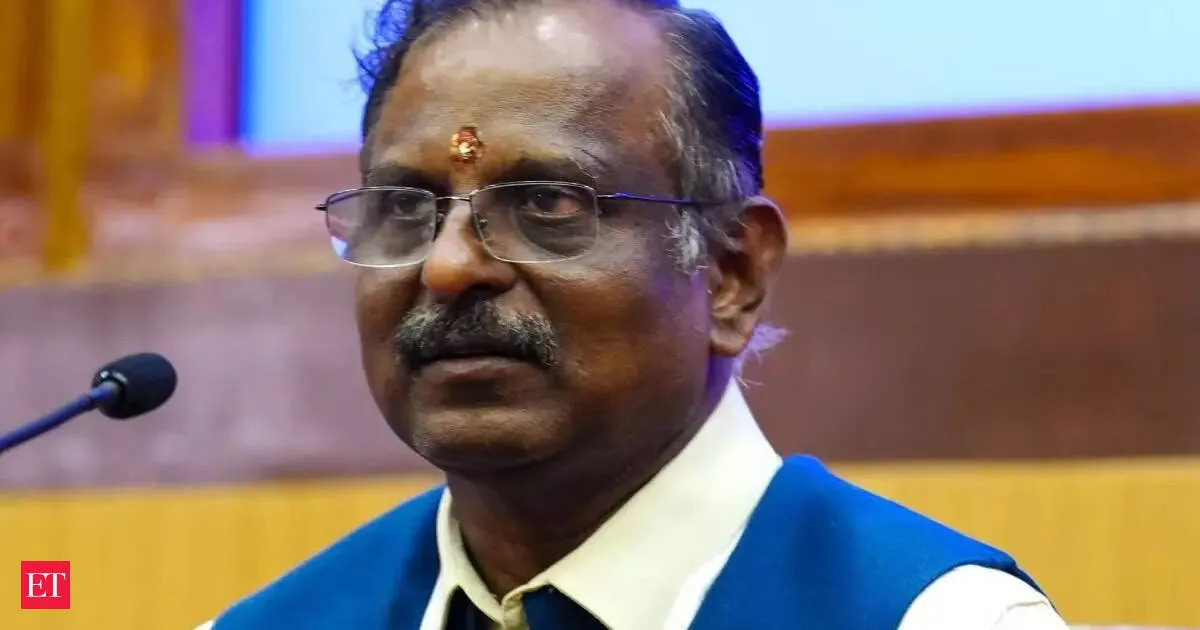
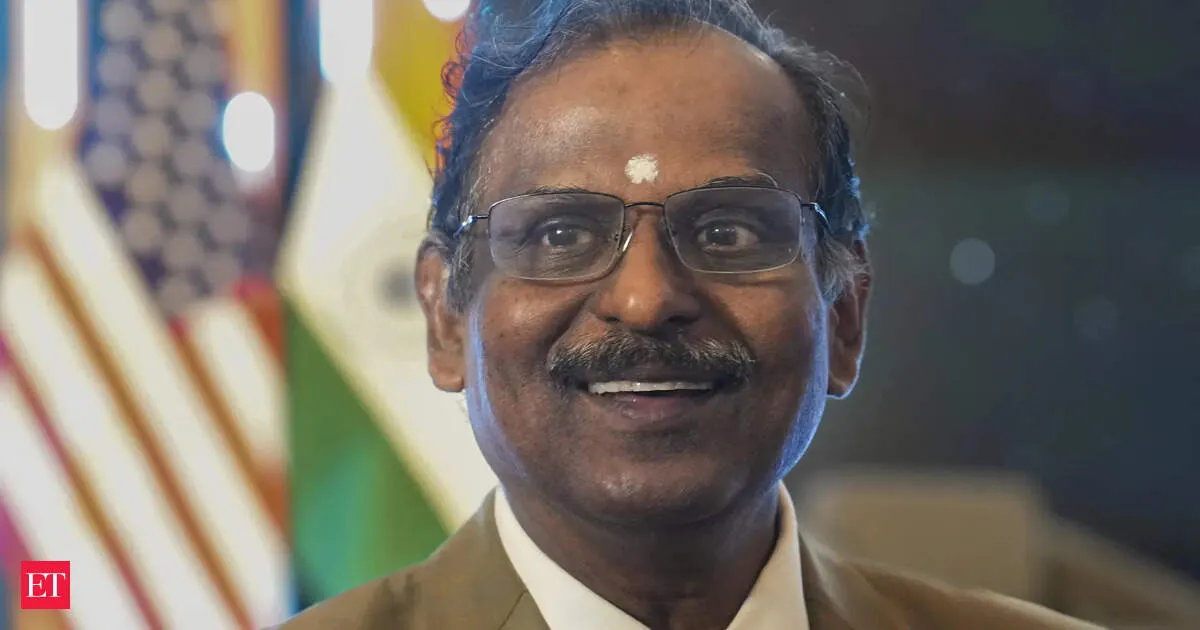
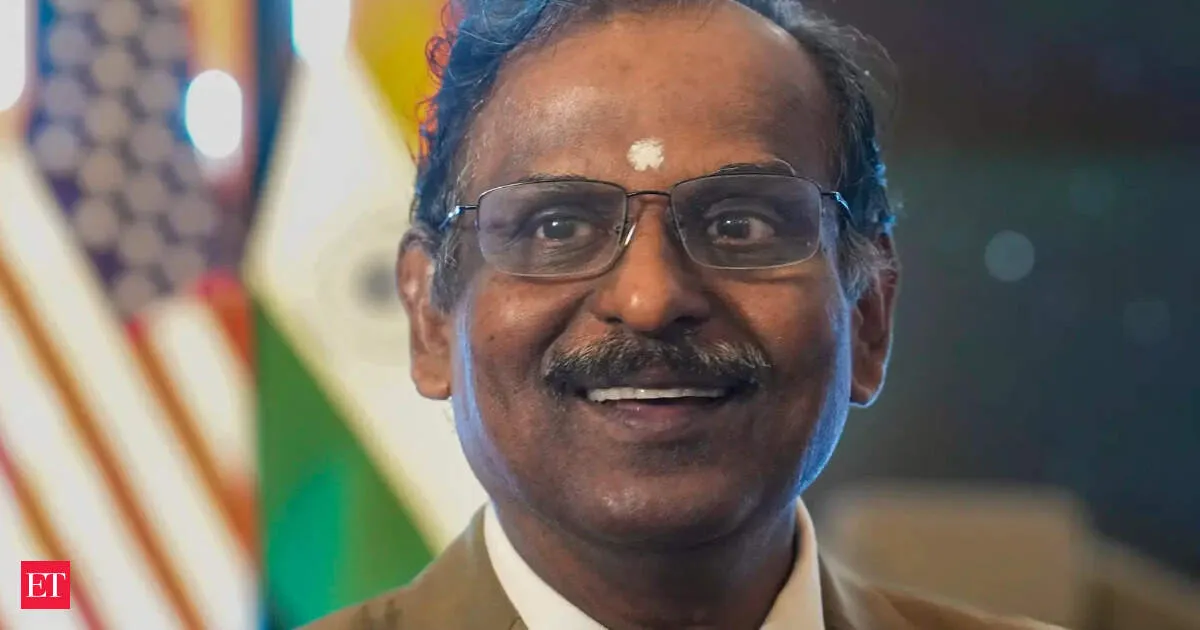
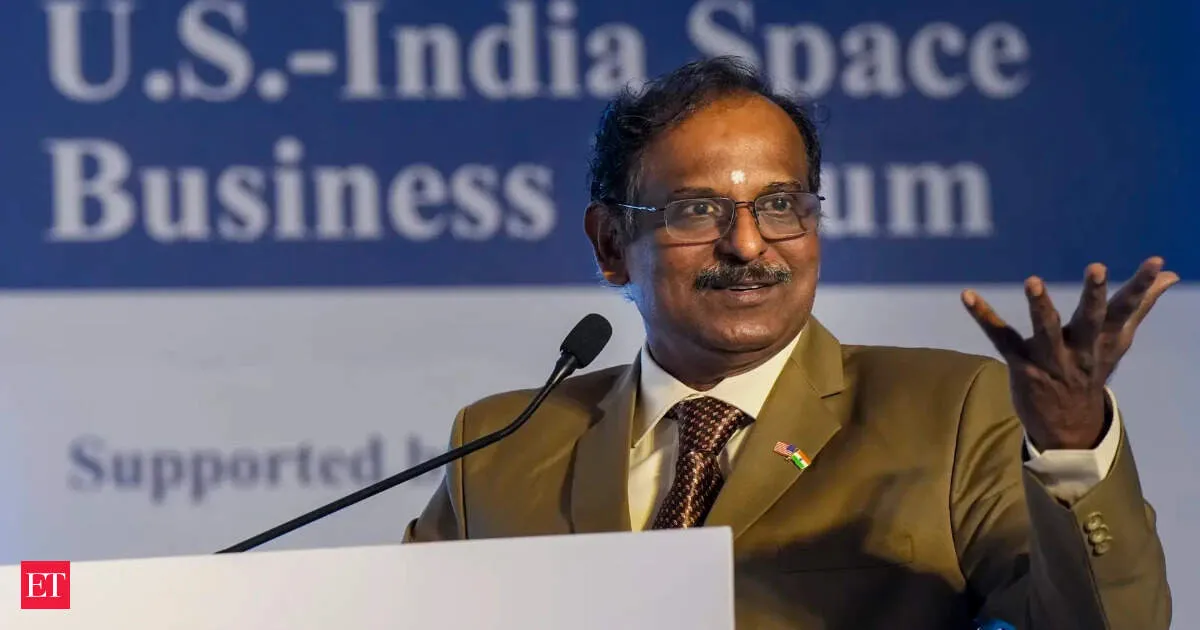
ISRO Chairman V. Narayanan highlighted mission operations as a decisive factor for India’s growing space ambitions, speaking at the SMOPS-2026 conference. Using Chandrayaan-3 as an example, he pointed to the payoff of coordinated teamwork and operational precision, stressing that continuous monitoring and control are essential for long-duration missions.
ISRO chief says Chandrayaan-4 will focus on bringing lunar samples back, while Chandrayaan-5 is expected to carry a heavier, more robust lander designed for a longer operational life. Beyond the Moon, ISRO is also looking at a Venus mission, a major Mars landing, and aims to have a fully operational space station by 2035, signaling a faster, bolder roadmap.
ISRO has invited Indian researchers to submit proposals to access data from the Aditya L1 solar mission in a second round. The call offers potential access to more than 27 TB of observations, some of which have already supported scientific publications. Approved observations for this cycle are expected to run between July and September, giving scientists a new window to decode solar activity.
Never miss a story
Set alerts for the topics and sources you care about. Download Beige for free.
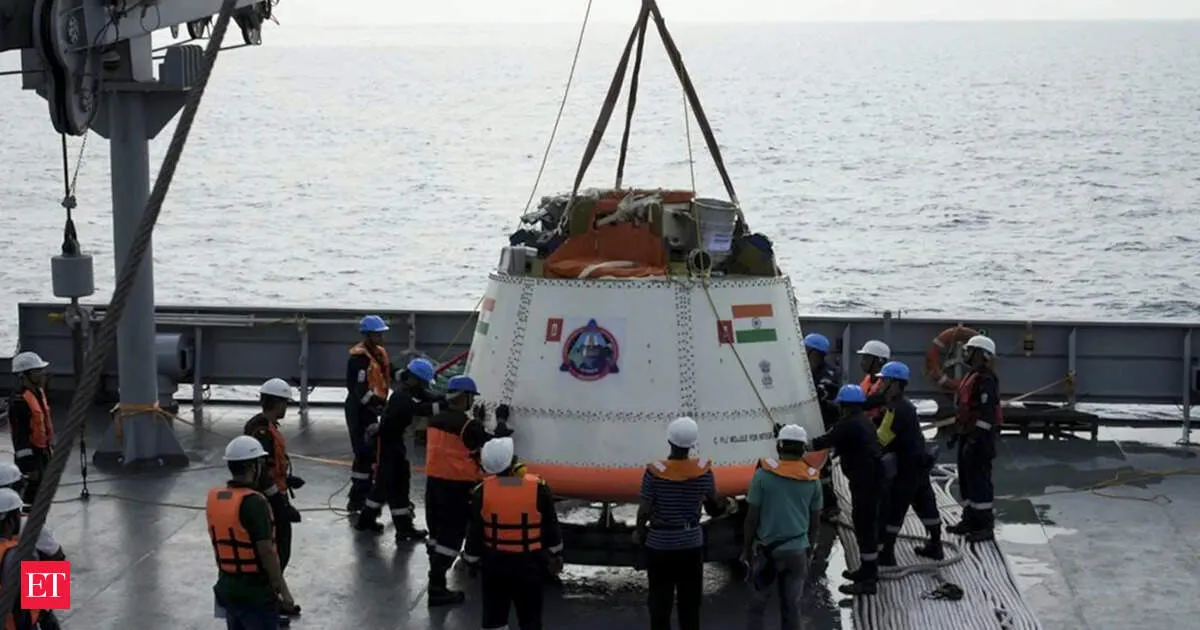
ISRO has successfully completed IADT-02, the second Integrated Air Drop Test for the Gaganyaan mission. The test validated the Crew Module’s parachute deceleration system, a key requirement for safely bringing India’s first human spaceflight crew back to Earth. The program targets sending a three-member crew into orbit next year and returning them safely.
In 2025, ISRO reportedly issued about 1.5 lakh close-approach alerts for its Earth-orbiting satellites, reflecting how crowded space has become. The agency carried out four collision avoidance manoeuvres for GEO satellites and 14 for LEO spacecraft, including an avoidance action linked to the joint NASA-ISRO NISAR mission.
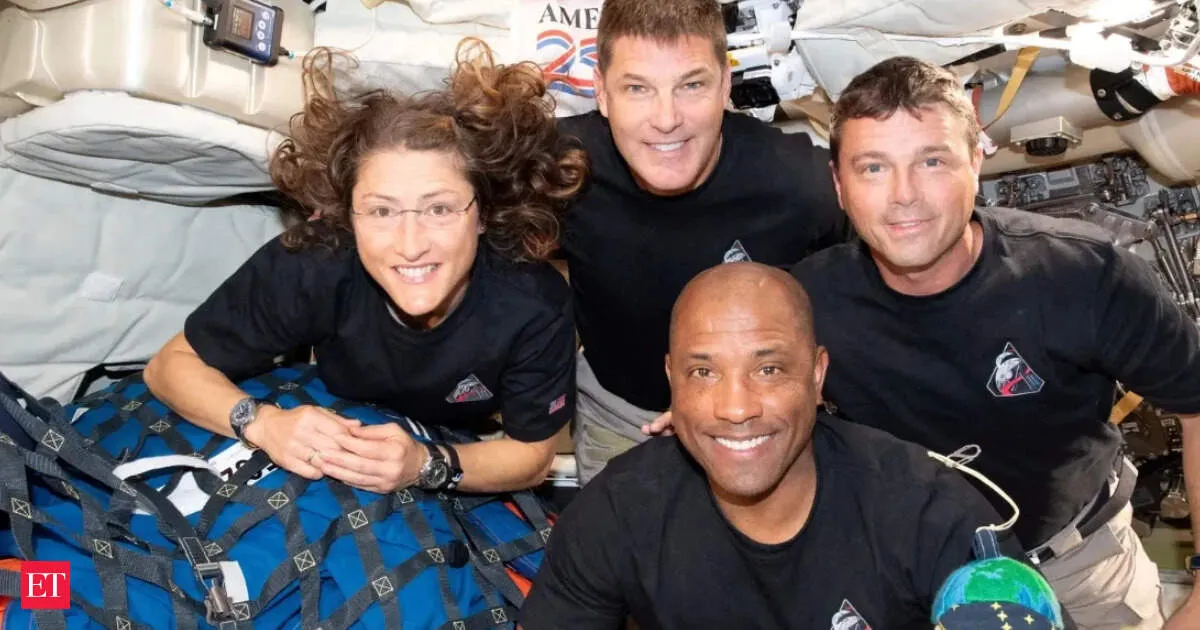
Artemis II’s successful lunar mission is giving scientists confidence as India prepares for Gaganyaan, its ambitious human spaceflight plan. With a target of 2027, the mission is expected to build on techniques and capabilities proven during Artemis II, accelerating India’s path toward crewed exploration. The move signals growing momentum in global human spaceflight.
ISRO is gearing up for a busy May with multiple launches planned for the new financial year. The Gaganyaan and NavIC programs are progressing as planned, while astronaut training for human spaceflight continues. ISRO is also moving ahead with future lunar exploration missions, signaling steady momentum in India’s expanding space ambitions.
Reading on mobile?
Open Beige in the app for a smoother experience — free on iOS and Android.
Eutelsat is in talks with ISRO to secure future satellite launch options, aiming to reduce reliance on SpaceX and European Ariane rockets. The push follows its merger with OneWeb and the loss of access to Russian Soyuz, forcing the company to rethink supply chains and strengthen access to the Indian market.
ISRO says its CE20 cryogenic engine cleared a sea level hot test at a higher thrust setting, reaching 22 tonne of thrust. The successful performance matters for boosting the payload capacity of the LVM3 rocket, with upcoming missions expected to use an uprated C32 stage. The test also confirmed key technologies and met expected parameters.
India’s G20 satellite aimed at climate and pollution monitoring is expected to launch in 2027, with ISRO leading the effort. The space roadmap goes further: India is also targeting a human moon mission by 2040. Alongside these milestones, ISRO is developing a titanium vessel for the Samudrayaan deep ocean mission.
ISRO and Europe’s ESA have signed a new agreement to deepen their joint Earth observation work. The deal focuses on calibration, validation, and scientific studies, building on decades of cooperation between the agencies. Upcoming missions, including ESA’s FLEX, are expected to benefit from the stronger collaboration and help pave the way for future shared space science efforts.
Follow your favourite sources
Track sources, tags and categories — all in the Beige app.
ISRO has conducted Mission MITRA in Leh from April 2 to 9, a pioneering team-behaviour study for future human spaceflight missions like Gaganyaan. The exercise put crew and ground teams in a high-altitude environment to study team dynamics and decision-making when stress peaks—data that will help refine procedures before astronauts go to space.
ISRO has successfully completed the second integrated air drop test for the Gaganyaan mission at Sriharikota. The test is designed to validate safe recovery of the crew module during re-entry, building on a previous successful trial. By testing parachute performance and splashdown safety, ISRO is tightening key systems ahead of future crewed flight milestones.
Swipe through stories, personalise your feed, and save articles for later — all on the app.